



Ornate Glass Table
An ornate glass table brings together clear surfaces and decorative frames, offering a surface that reflects light across a room.
Ornate Glass Table
When searching for an ornate glass table, buyers encounter console tables, coffee tables, and occasional tables dating from the nineteenth century to the early twentieth century.
The selections span Victorian, Edwardian, and various revival styles, showing influences from French chateau design to Italian craftsmanship.
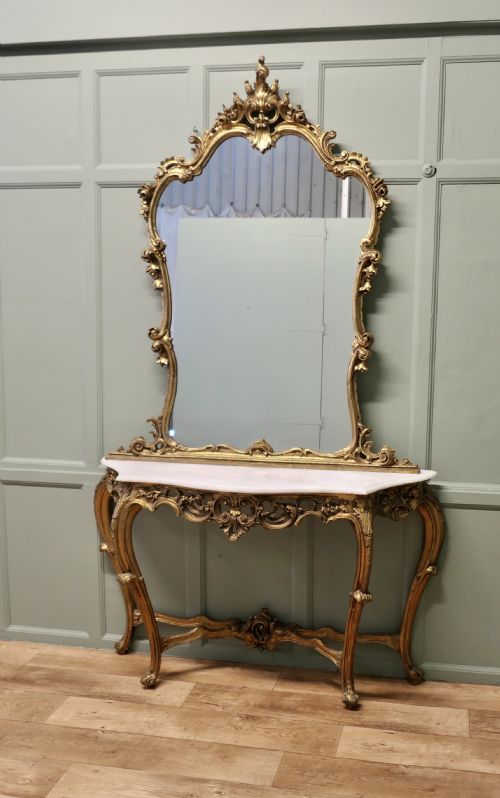
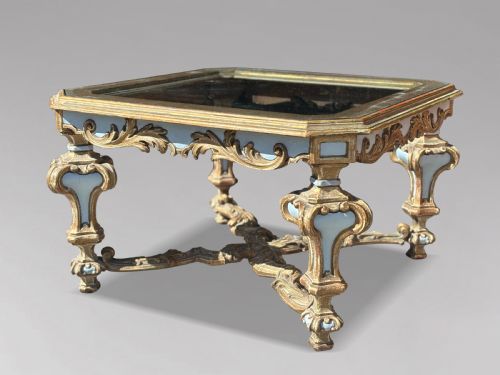
Console tables with carved and gilded frames appear alongside low coffee tables and occasional tables featuring glass and mirrored surfaces.
Materials and construction
The pieces combine glass, cut glass, and crystal with structural supports of brass, ormolu, gilt bronze, and carved giltwood.
Wood elements such as walnut and rosewood provide sturdy foundations for gilded metal mounts and inset glass tops.
Decorative detailing relies on hand carving, parcel-gilding, and precision bevelling on glass panels and mirror plates.
Ornate Glass Table Retail Price Guide 2026
Typical asking prices for ornate glass table among the pieces listed under this phrase on Sellingantiques today, from the lower quarter to the upper quarter. They describe what is for sale here now, not the wider market.
Some tables double as secret display cases for tiny treasures.
Craftsmanship and design
The standard of carving in the wooden frames and the crispness of the gilt bronze or ormolu mounts set finer examples apart from simpler pieces.
The clarity and weight of the glass, whether cut, bevelled, or plain, reflect the skill involved in the original manufacture.
Coherence of style, from Rococo Revival curves to Louis XVI symmetry, indicates the level of design ambition in the workshop.
Samuel Marti·Mc Garys Patent·Wild and Wessel
The Ornate Glass Table Glossary
- Ormolu
- Gilded bronze used for decorative mounts on furniture and clocks. This technique produces a rich metallic finish that mimics solid gold.
- Console table
- A table designed to stand against a wall, frequently paired with a matching wall mirror. These pieces often feature carved and gilded frames.
- Giltwood
- Timber that has been coated with a thin layer of gold leaf or gold paint. It provides a bright, reflective surface characteristic of revival styles.
- Bevelling
- The practice of angling the edges of a glass plate or mirror. This detail catches the light and adds depth to the glass surface.
- Bijouterie table
- A glass-topped display table intended for small valuables. The glazed compartment allows objects to be viewed from above while protected.
Ornate Glass Table: Frequently Asked Questions
How do I identify the period of a table?
Examine the materials, joinery techniques, and decorative motifs used in the frame. Stylistic cues often point to Victorian or Edwardian manufacturing dates.
Compare the carving style and metalwork against documented examples from the nineteenth and early twentieth centuries to confirm the era.
Where should I place a console table?
Console tables suit entrance hallways, living rooms, and dining spaces where floor space is limited. Their narrow depth allows them to sit flush against walls.
Pairing a console table with a matching wall mirror creates a balanced focal point in a room.
What is the difference between ormolu and brass?
Ormolu consists of gilded bronze, offering a deep and warm golden hue through the application of gold leaf or mercury gilding. Brass is a bright alloy of copper and zinc.
Ormolu mounts generally indicate higher production costs and greater decorative refinement than standard brass fittings.
How do I clean an antique glass top?
Wipe the glass surface gently with a soft cloth and a mild, non-abrasive cleaning solution. Avoid harsh chemicals that could damage adjacent wooden or gilded frames.
Ensure moisture does not seep into the joints of the wooden or metal mountings during cleaning.