



Ornate Gilt Lamp
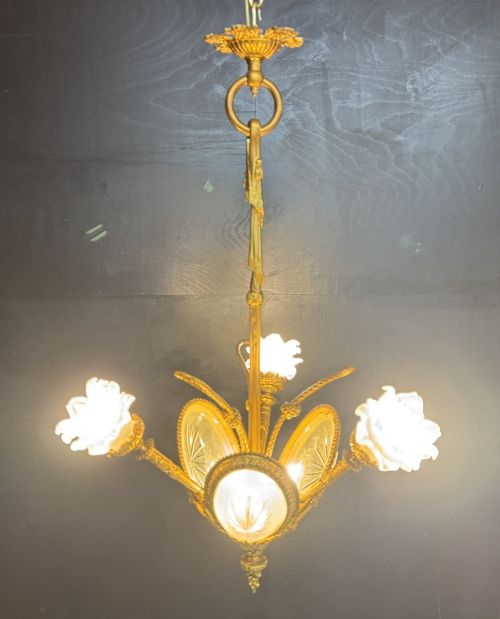
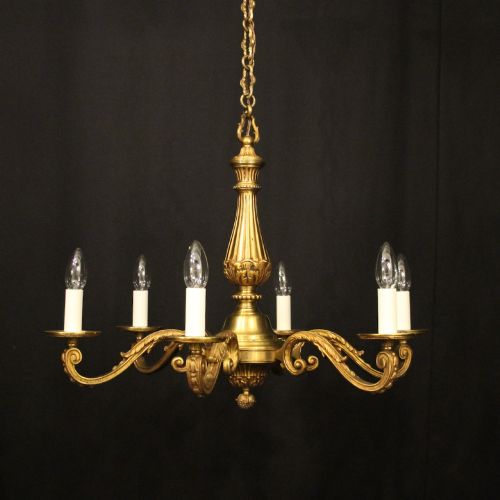
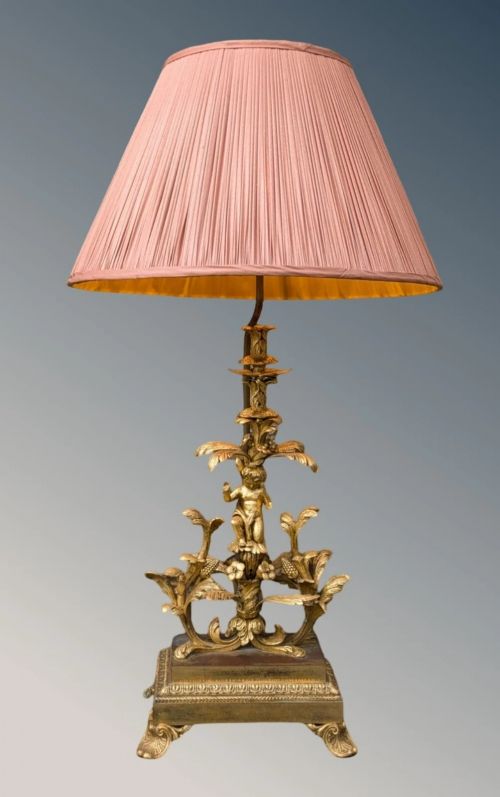
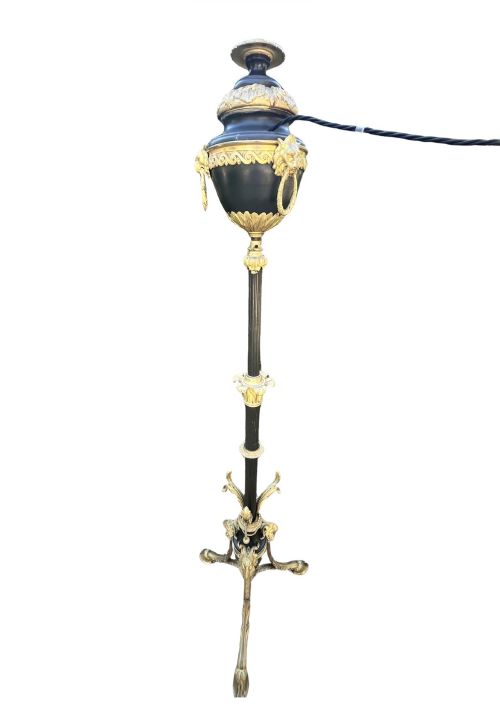
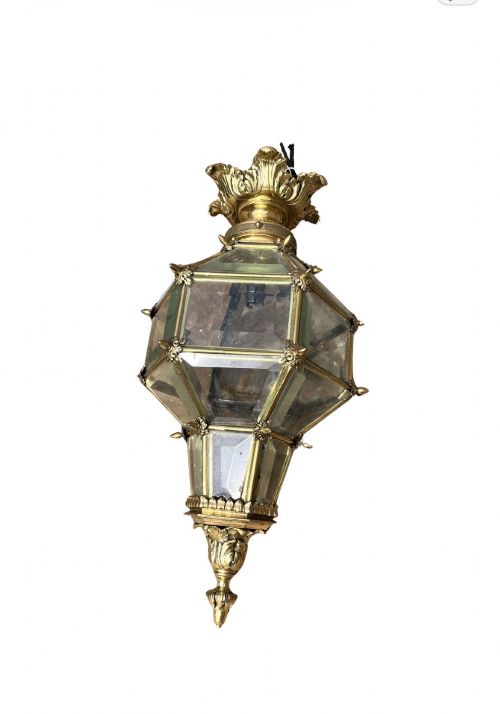
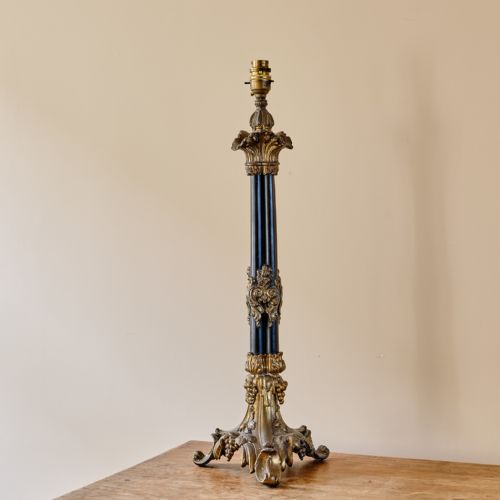
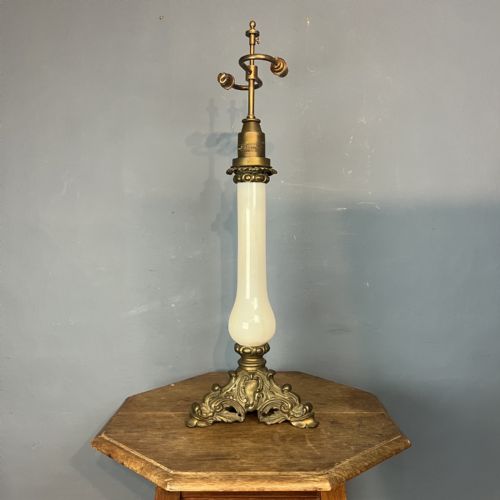
An ornate gilt lamp brings heavy metallic shine and sculptural presence into a room, drawing the eye instantly to its gilded surface.
Ornate Gilt Lamp
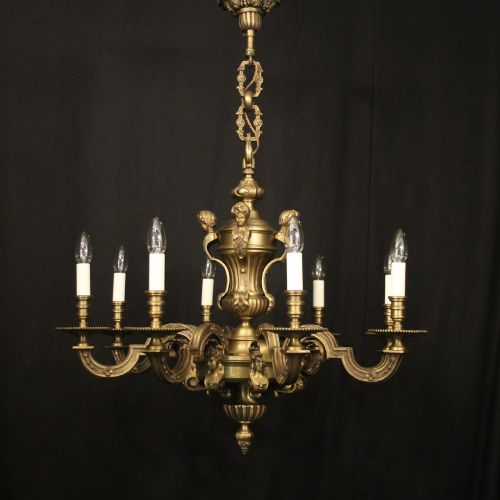
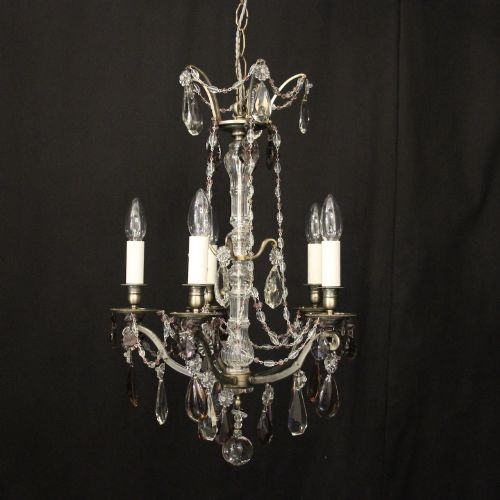
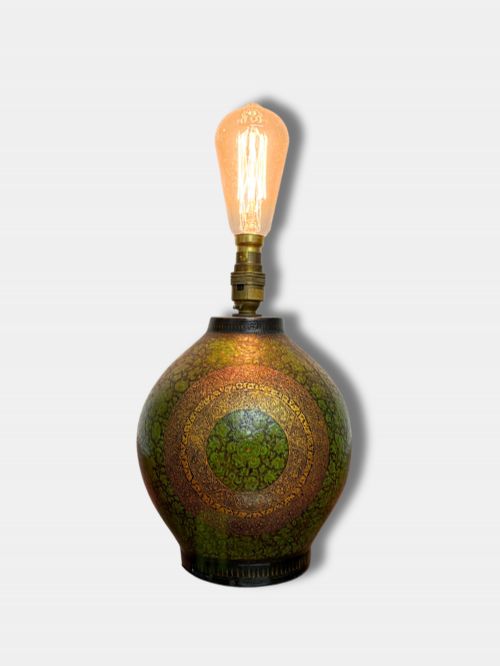
When searching for an ornate gilt lamp, you encounter a diverse array of lighting fixtures that span from the nineteenth century into the early twentieth century. These pieces predominantly manifest as table lamps, standard lamps, and wall lights, often drawing on French Rococo Revival, Neoclassical, and Baroque styles.
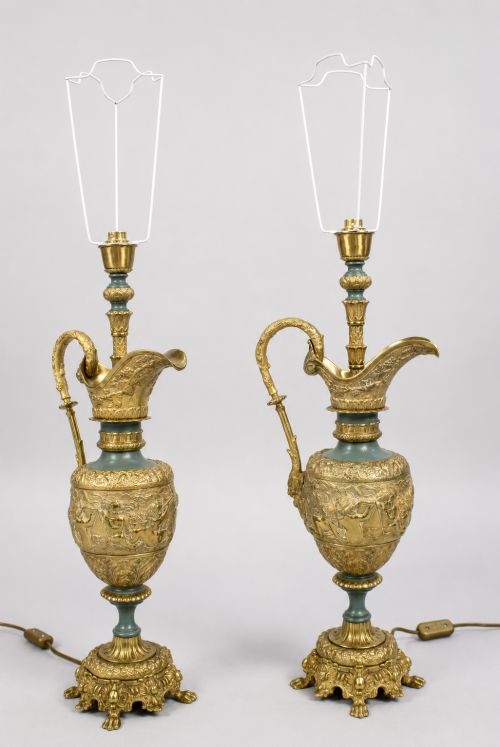
The selection ranges from smaller ewer-form table bases and converted oil lamps to massive multi-arm chandeliers and tall floor lamps. Their shared characteristic is the application of a golden finish over metal or wood, catching light and defining period interiors.
Materials and construction
These lamps rely on metals such as brass, gilt bronze, and ormolu, alongside organic materials like carved giltwood, marble, and alabaster. Foundries cast the metal components, frequently chasing the surfaces by hand to sharpen the decorative details before applying a gold-coloured finish.
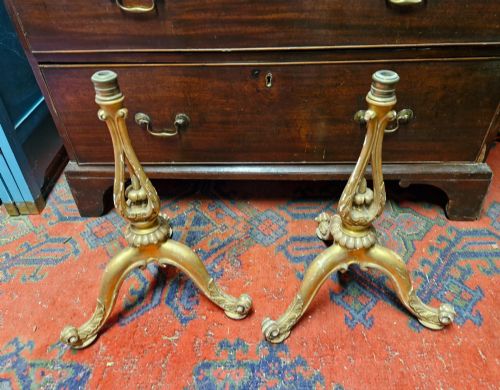
Wooden standards and bases employ traditional hand-carving techniques on timber before applying layers of size, gesso, and gold leaf or silver leaf. Glass elements appear as cut crystal drops, opaline shades, or blown vessels integrated directly into the body of the lighting fixture.
Ornate Gilt Lamp Retail Price Guide 2026
Typical asking prices for ornate gilt lamp among the pieces listed under this phrase on Sellingantiques today, from the lower quarter to the upper quarter. They describe what is for sale here now, not the wider market.
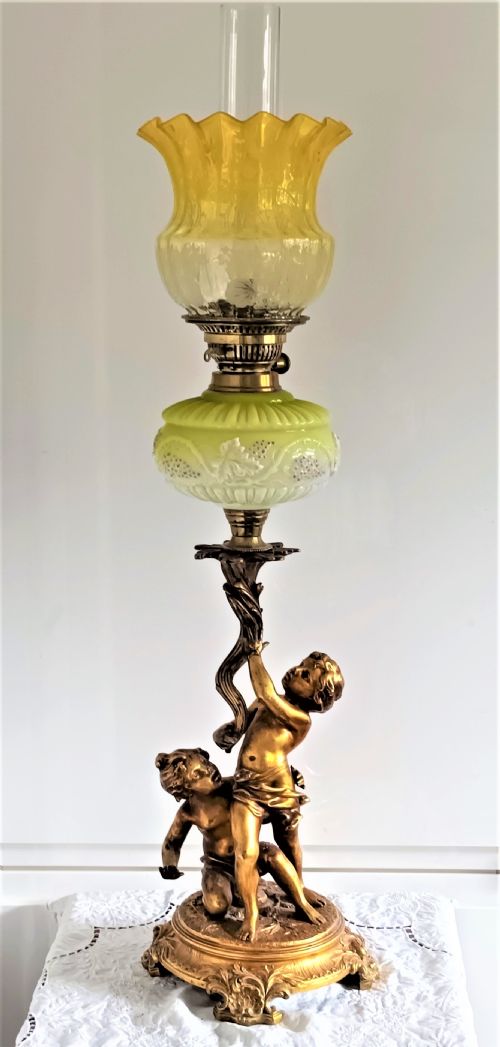
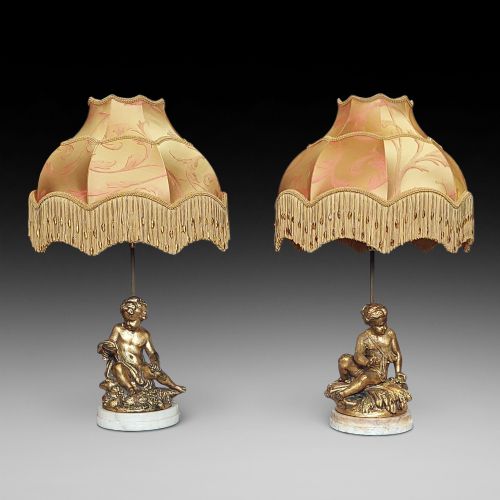
Several lamps double as mythological creatures, featuring carved dolphins and winged cherubs holding up the light.
Assessing quality and finish
Subtle differences in the gilding technique separate the tiers of craftsmanship, with genuine fire-gilt ormolu and meticulous leaf application retaining a warmer lustre than modern chemical lacquers. The integration of high-grade materials like solid marble plinths, onyx, and genuine hand-cut crystal further elevates a piece above standard commercial production.
The Ornate Gilt Lamp Glossary
- Ormolu
- A gilded bronze technique utilising a mercury amalgamation process popular in nineteenth-century French manufacture. It imparts a distinctive warm golden matte and burnished finish.
- Giltwood
- Timber that has been carved and coated with a thin layer of gold leaf over gesso. This technique provides a brilliant reflective surface for ornate furniture and lighting.
- Chandelier
- A branched ceiling-mounted lighting fixture designed to hold multiple candles or bulbs. These fixtures frequently incorporate crystal pendants to refract light.
- Standard lamp
- A tall freestanding floor lamp designed to illuminate a room from standing height. They often feature weighted bases and carved or cast shafts.
- Ewer
- A large jug with a wide spout and handle, historically used for water. In lighting, this shape forms the central ceramic or metal body of a decorative table lamp.
Ornate Gilt Lamp: Frequently Asked Questions
What periods do these lamps come from?
The available lighting spans from the early nineteenth century through the Victorian era and into the nineteen-twenties and thirties. Most pieces reflect nineteenth-century revival aesthetics.
Design influences draw heavily from earlier French and Italian decorative movements, including Rococo, Baroque, and Neoclassical periods.
How do I identify ormolu from gilt brass?
Ormolu consists of a mercury-gilded bronze base metal, showing a rich, deep golden tone with hand-chased surface details. Brass is typically a brighter, yellower alloy that may show different casting textures.
Closer inspection of the weight, colour depth, and tooling marks on the metal helps distinguish between the two materials.
Were these always electric lamps?
Many older pieces began their existence as oil lamps, gas fixtures, or candlesticks before later conversion to electricity. This adaptation process is standard for antique lighting.
Converted items retain their original bodies, such as bronze statuettes or ceramic amphoras, while housing modern internal wiring.
How do I care for giltwood and ormolu?
Gilt surfaces require gentle dusting with a soft, dry cloth to prevent damage to the delicate gold leaf or bronze finishes. Moisture and chemical cleaners should be avoided entirely.
Keeping the lamps away from direct sunlight and humidity preserves the integrity of the antique gilding and underlying materials.