




Ornate Dining Chairs
Ornate dining chairs bring high-relief carving and sculptural timber to the table, uniting seating with intricate historic craft.
Ornate Dining Chairs
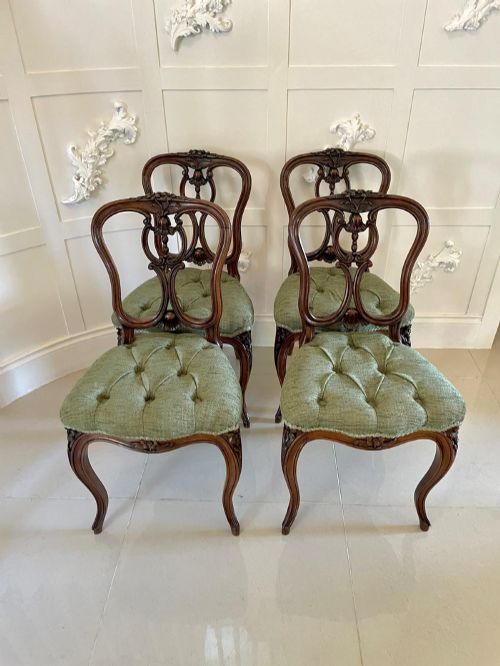
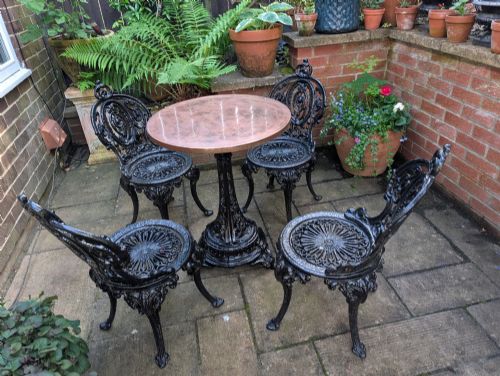
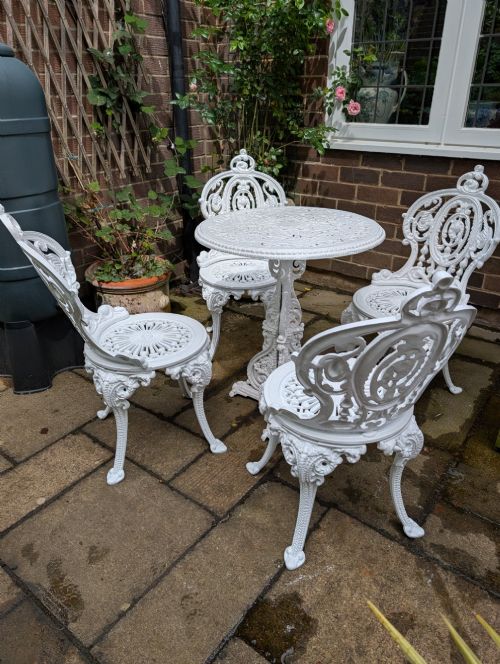
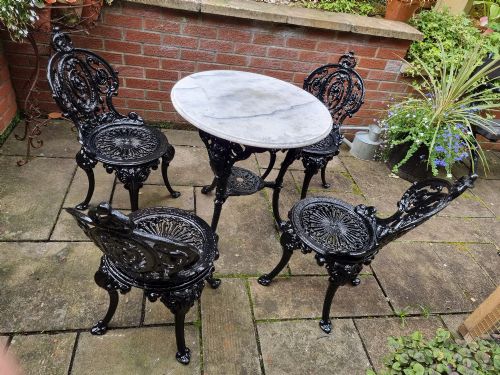
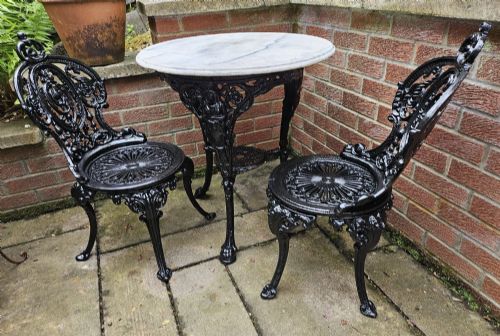
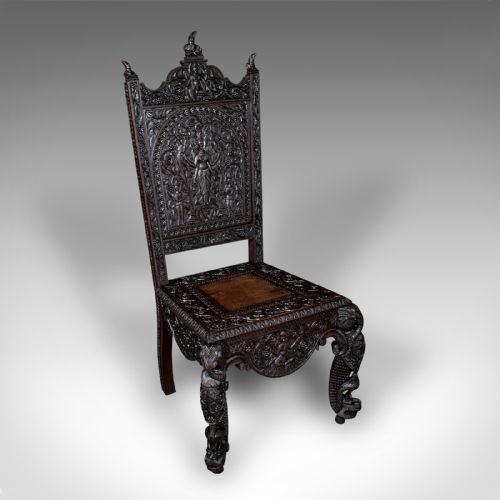
Ornate dining chairs span the nineteenth century and the early twentieth century, taking the form of dining chairs, side chairs, and larger sets shaped by revivals of Gothic, Rococo, and Louis XVI styles. Buyers seeking ornate dining chairs encounter heavy timber frames carved with foliage, scrolls, and figural details, alongside robust cast iron garden sets.
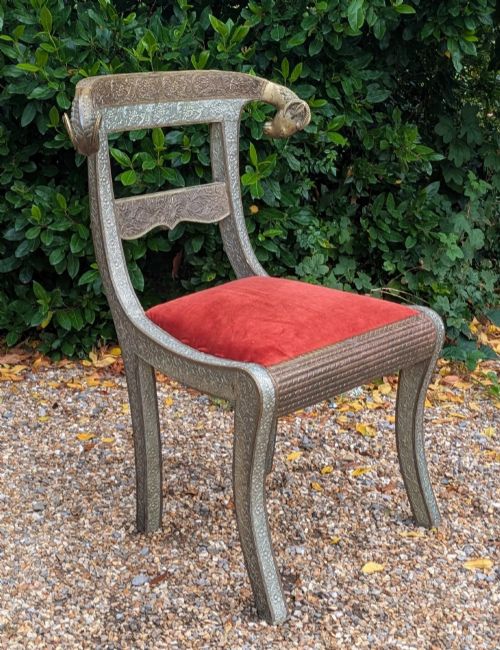
The selection here draws heavily on Victorian output, alongside Continental and regional pieces executed in walnut, mahogany, and oak. Forms range from high-backed side chairs to upholstered salon seating, reflecting diverse historicism from Anglo-Indian carving to French revival design.
Materials and construction
Cabinetmakers relied on dense hardwoods such as mahogany, walnut, oak, and padouk, carving structural members by hand to achieve deep relief and complex silhouettes. Joints were typically pegged or tenoned to support the weight and stress of daily use.
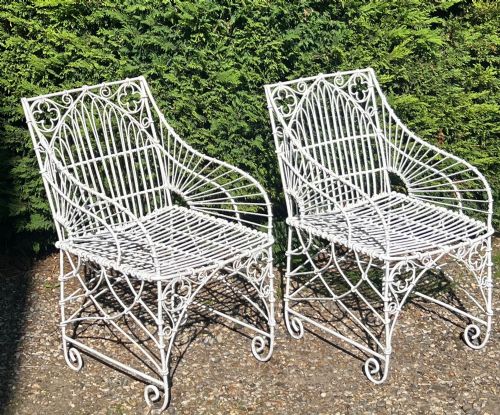
Metalwork pieces utilise cast iron and solid brass, shaped in foundry moulds to create openwork garden sets and decorative frames. Upholstered versions combine exposed wooden framing with fabric, velvet, or textile coverings secured over padding.
Ornate Dining Chairs Retail Price Guide 2026
Typical asking prices for ornate dining chairs among the pieces listed under this phrase on Sellingantiques today, from the lower quarter to the upper quarter. They describe what is for sale here now, not the wider market.
Continental and regional workshops produced diverse ornate seating, including Ceylonese veranda chairs and French revival hall chairs.
Assessing quality and finish
The depth and crispness of the hand carving dictate the aesthetic standing of a timber frame, separating mechanical execution from master craftsmanship. Secondary woods, timber selection, and the integrity of historic joinery determine structural longevity.
In cast iron and metal examples, the sharpness of the casting detail and the preservation of original surfaces distinguish finer foundry output. Matching sets command attention through uniform patination across all pieces.
Christopher Dresser
The Ornate Dining Chairs Glossary
- Marquetry
- A decorative technique applying fitted pieces of veneer to form geometric or pictorial designs on a wooden surface. It appears on Victorian walnut panels and seat backs.
- Gilt
- A thin layer of gold leaf applied to the surface of wood or other materials. Continental salon chairs frequently utilise this finish for decorative emphasis.
- Padouk
- A heavy tropical hardwood known for its reddish-brown colour and dense grain. Burmese makers utilised this material for deeply carved seating.
- Gothic Revival
- An architectural and decorative style drawing inspiration from medieval forms. Chairs in this manner display pointed arches and tracery.
- Side chair
- An upright chair without arms designed primarily for use at a dining table or against a wall. These form the bulk of traditional dining sets.
Ornate Dining Chairs: Frequently Asked Questions
How do I date an ornate dining chair?
Examine the timber choice, tool marks, and construction methods used in the frame. Nineteenth-century pieces often display machine-sawn secondary elements combined with hand-finished carving.
Compare the ornamental vocabulary against known revival styles of the Victorian period. Hardware, upholstery webbing, and wear patterns further anchor the piece to a specific decade.
Can I mix ornate chairs with a modern table?
Pairing carved antique seating with a plain contemporary table creates a striking contrast in texture and period. The visual weight of the chairs anchors the dining space.
Ensure the seat height matches the underside clearance of the table for comfortable dining. Maintaining a consistent wood tone helps unify disparate eras.
How do I care for antique carved wood?
Dust intricate carvings regularly using a soft-bristled brush to prevent particulate buildup in deep crevices. Apply a quality wax polish sparingly to nourish the timber.
Keep wooden furniture away from direct heat sources and strong sunlight to prevent timber shrinkage and splitting. Stable indoor humidity preserves both wood and historic joinery.
Are cast iron chairs suitable for outdoor use?
Cast iron garden chairs withstand outdoor environments provided the protective surface coating remains intact. Regular inspection prevents moisture penetration and subsequent rust formation.
Store metal sets under cover during harsh winter weather to preserve the finish. Cast iron components offer exceptional weight and stability on garden lawns and patios.