
Ornate Brass Ceiling Light
An ornate brass ceiling light brings height and historical character to a room, drawing the eye upward with intricate metalwork and glowing illumination.
Ornate Brass Ceiling Light
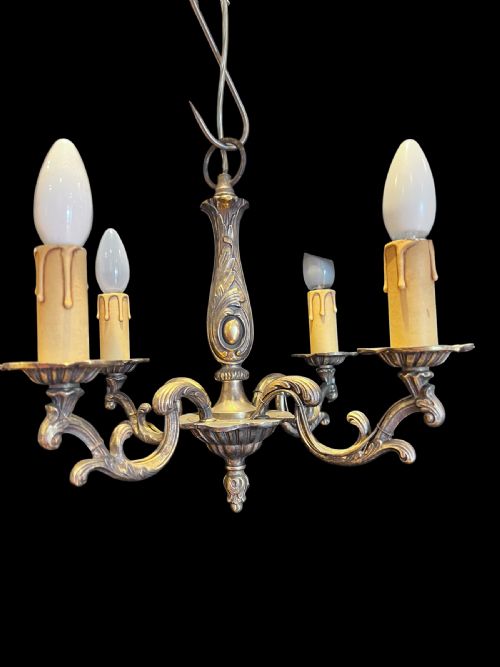
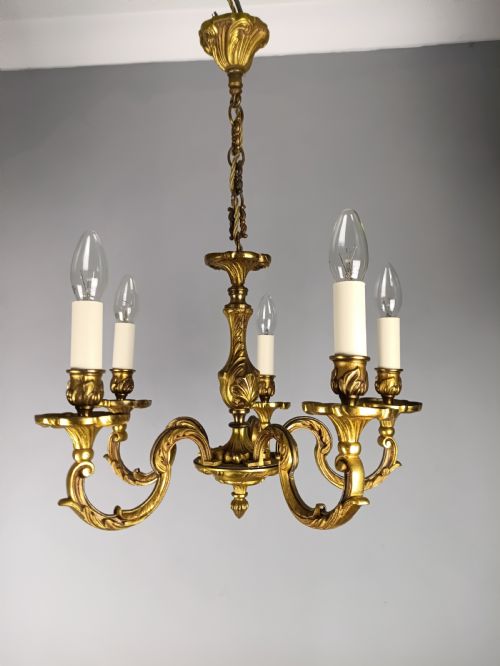
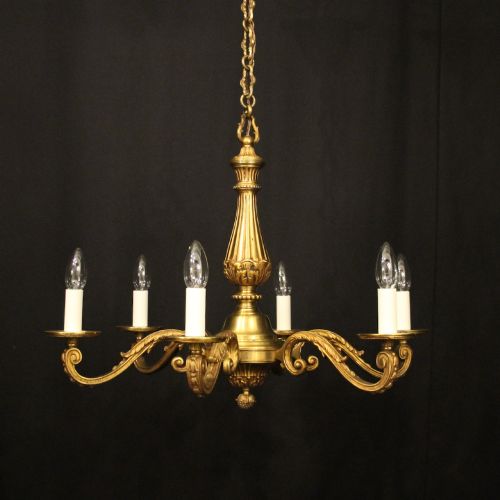
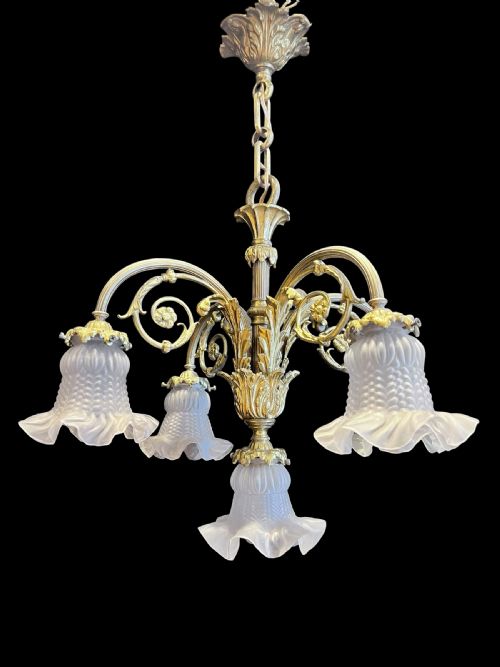
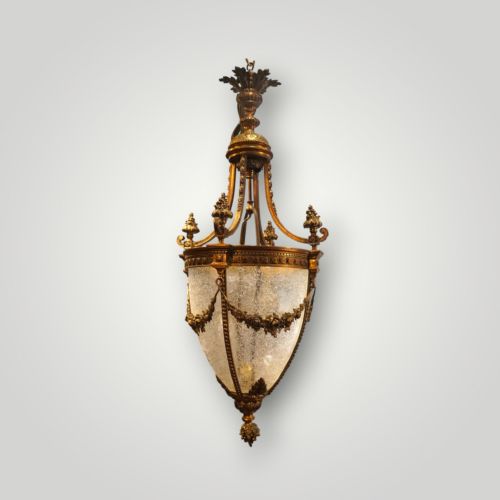
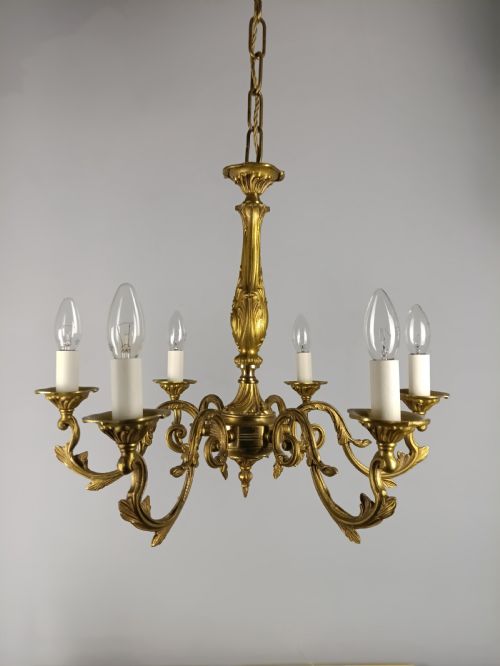
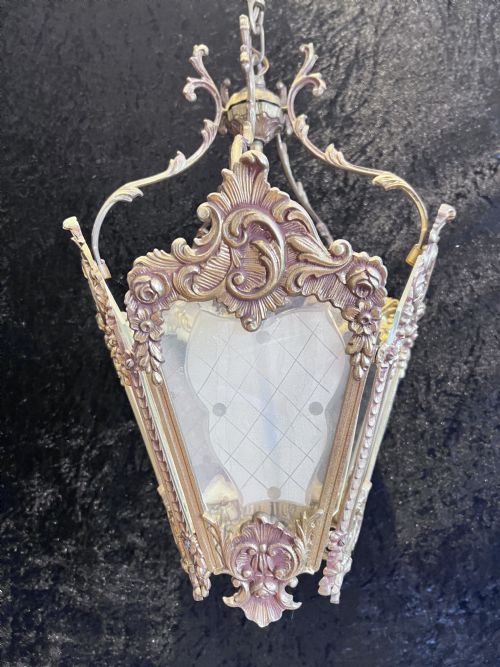
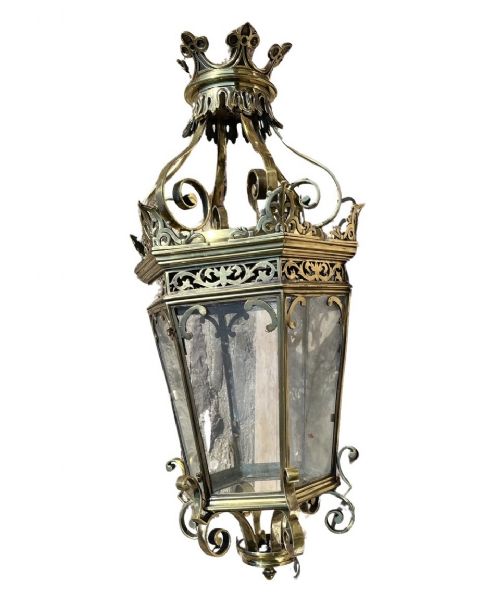
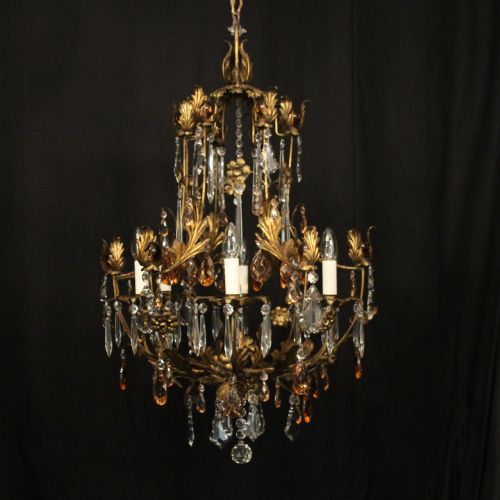
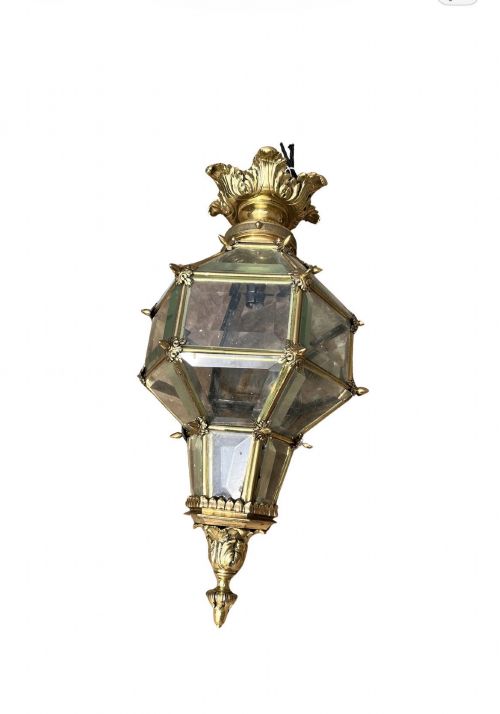
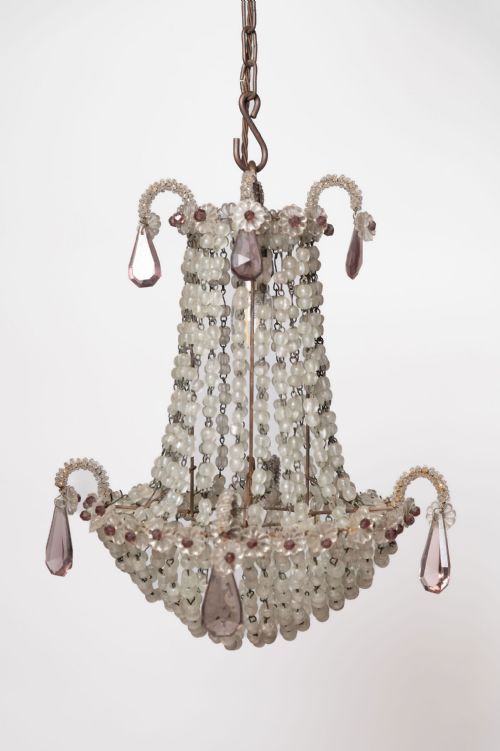
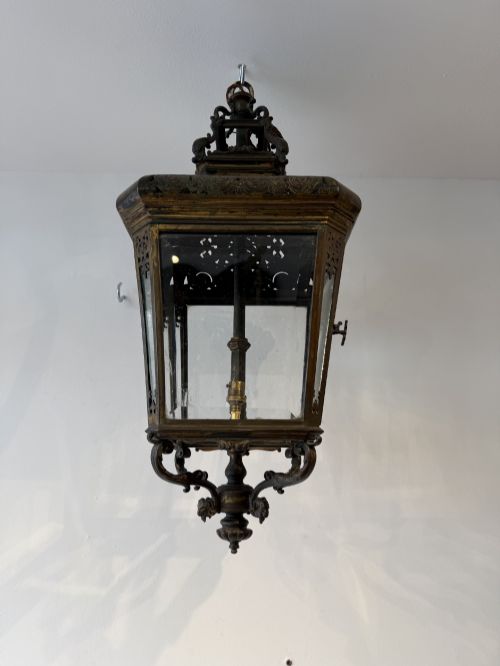
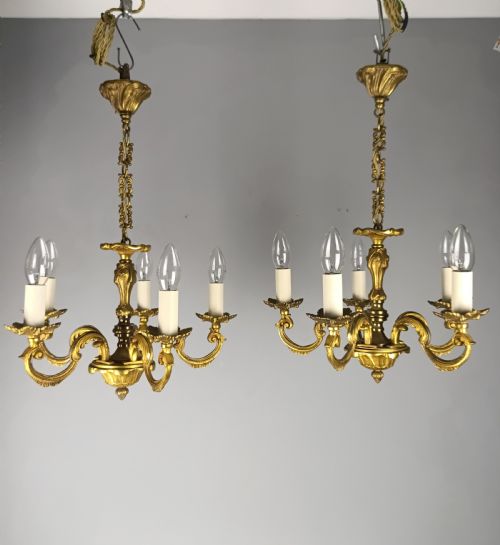
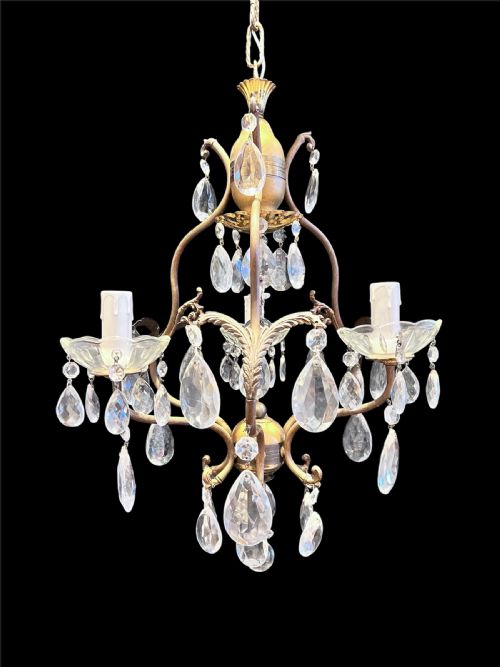
An ornate brass ceiling light spans multi-armed chandeliers, hall lanterns, and pendant lights originating from the nineteenth and early twentieth centuries. These fixtures combine functional overhead illumination with decorative metalwork suited to period interiors.
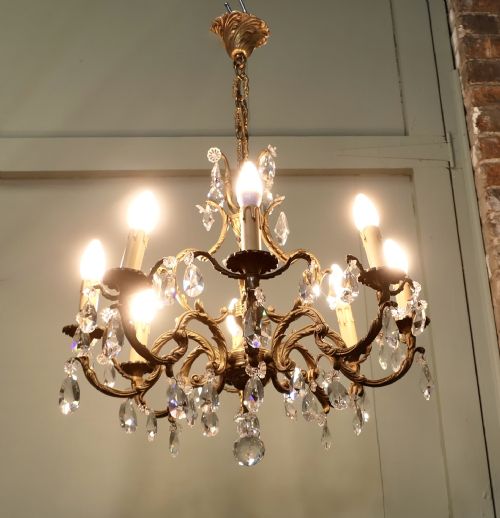
Most examples found here trace their origins to French and Italian workshops, displaying stylistic influences ranging from French Rococo and Empire to Gothic Revival and Edwardian designs. Chandeliers dominate the selection, often featuring multiple light branches designed for grand spaces.
How they were made
Craftsmen utilised cast brass, bronze, and gilt or ormolu finishes to construct the structural frameworks and decorative mounts of these light fixtures. Molten metal was cast and chased by hand to produce intricate surface details such as acanthus leaf motifs.
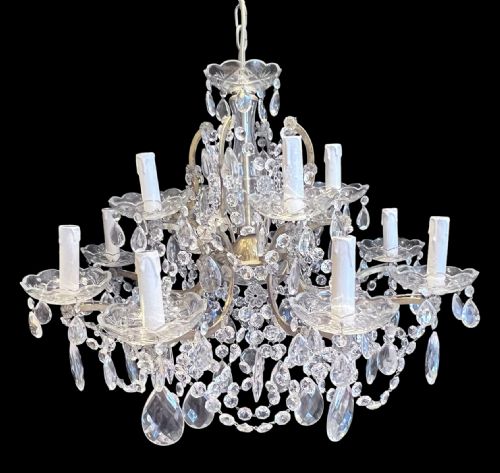
Transparent elements including crystal lustres, glass panes, and Bohemian crystal drops were integrated to refract light from candles, gas, or early electricity. Frames were assembled with mechanical fasteners, allowing complex multi-tier chandeliers and glazed lanterns to support heavy glass components.
The listings span from the late nineteenth century through the 1930s, featuring brass, bronze, crystal, and glass across chandelier and lantern forms.
What varies in quality
The degree of hand-finishing on the metalwork distinguishes standard production from superior pieces, evident in the crispness of cast mounts and the depth of the gilding or bronze patina. Weight and gauge of the brass also indicate substantial construction.
The completeness and quality of the hanging elements create a marked difference in overall visual impact. Original crystal lustres and well-matched glass components elevate the integrity of a fixture.
The Ornate Brass Ceiling Light Glossary
- Ormolu
- A gilded bronze technique applied to metal mounts and decorative details on period fixtures. This process provides a rich, gold-coloured finish characteristic of French decorative arts.
- Lustre
- A cut crystal pendant or drop hung from the arms or bobeches of a chandelier. These elements catch and disperse light across the room.
- Hall lantern
- An enclosed hanging light fixture, often glazed with glass panels and framed in brass or bronze. They were traditionally positioned in entrance halls and corridors.
- Bobeche
- A small drip pan positioned beneath the candle socket on a chandelier arm. It collects wax and frequently supports hanging crystal drops.
Ornate Brass Ceiling Light: Frequently Asked Questions
How do I hang a heavy brass chandelier safely?
Suspension requires securing the fixture directly into ceiling joists or structural timber using a rated metal hook and appropriate fixings. The weight of large multi-branch chandeliers demands professional installation to ensure ceiling stability.
Wiring should be assessed by a qualified electrician, particularly when dealing with vintage or rewired gasoliers and early twentieth-century fittings.
Can I clean vintage brass without damaging the finish?
Dusting with a soft, dry cloth removes surface debris without disturbing the aged patina accumulated over decades. Avoid harsh chemical cleaners or abrasive polishes that strip original gilding or bronze finishes.
Glass and crystal components can be removed carefully and washed in lukewarm soapy water before being dried thoroughly and reattached.
How do I date an antique brass light fixture?
Dating relies on examining manufacturing techniques, stylistic cues, and historical wiring methods visible on the frame. Cast mounts reflecting specific periods like French Empire or Gothic Revival provide clear chronological indicators.
Component assembly using threaded rods or hand-cut screws instead of modern fasteners helps establish whether a piece originates from the nineteenth or early twentieth century.