

Ormolu Urn Light
An ormolu urn light brings classical French elegance into a room through gilded bronze mounts and sculptural forms.
Ormolu Urn Light
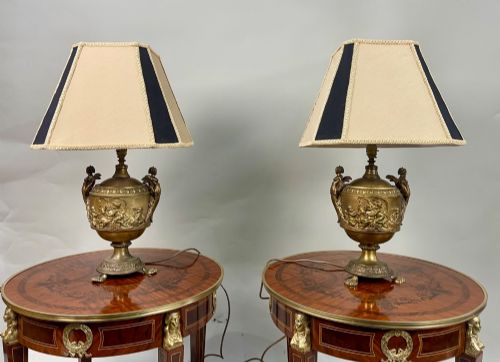
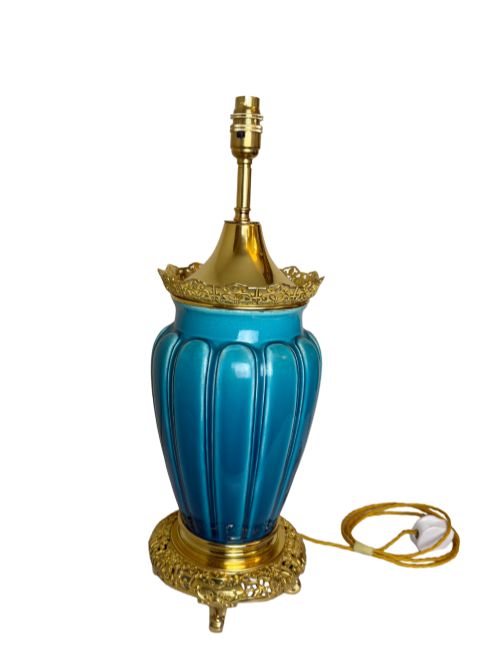
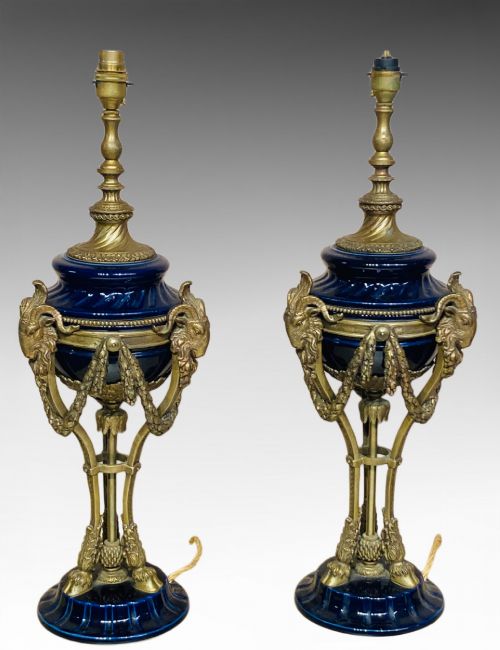
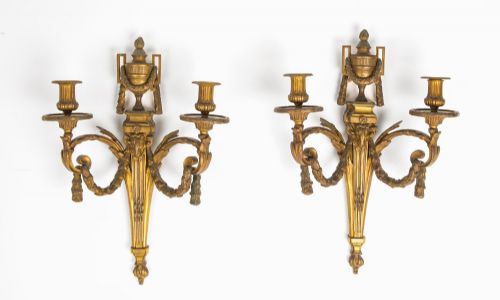
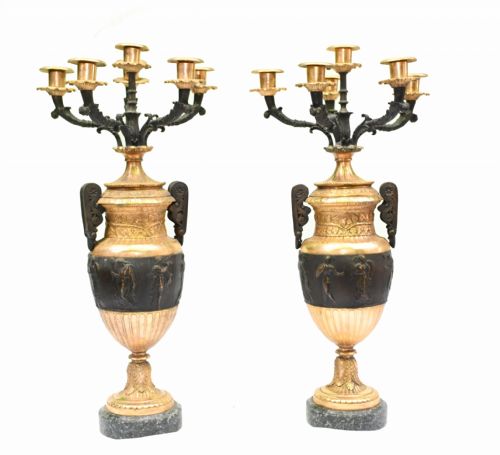
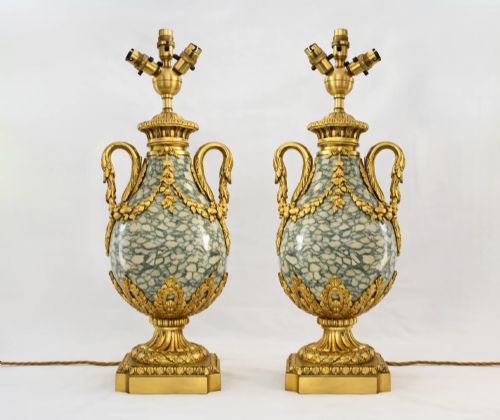
When you search for an ormolu urn light, you encounter decorative lighting fixtures and candleholders shaped like classical vessels and mounted with gilded metal. The pieces on this page stem predominantly from the nineteenth century, reflecting periods such as Victorian, Louis XVI style, and French Neoclassical design.
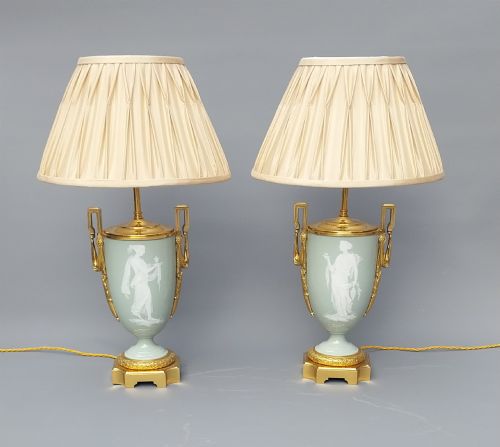
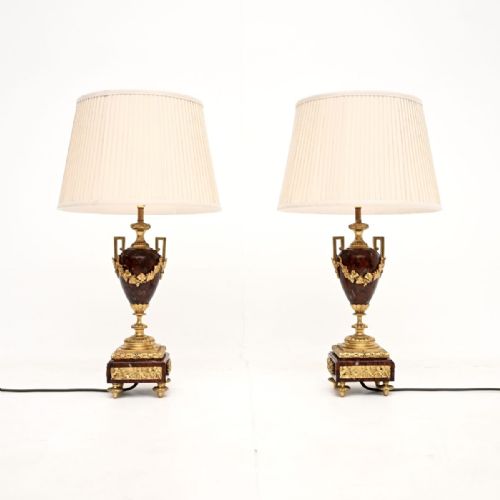
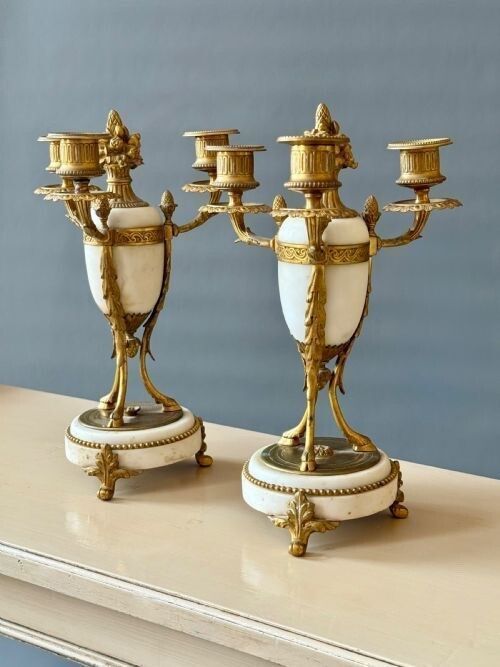
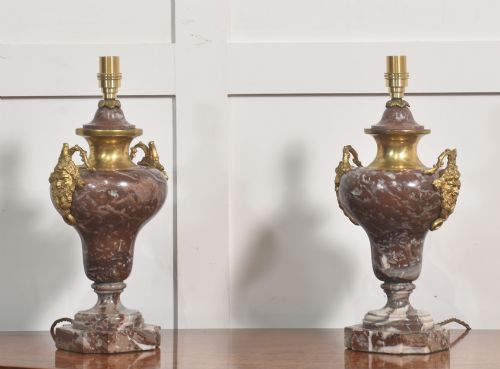
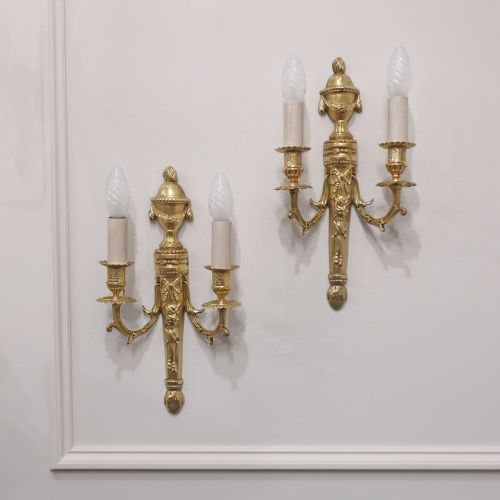
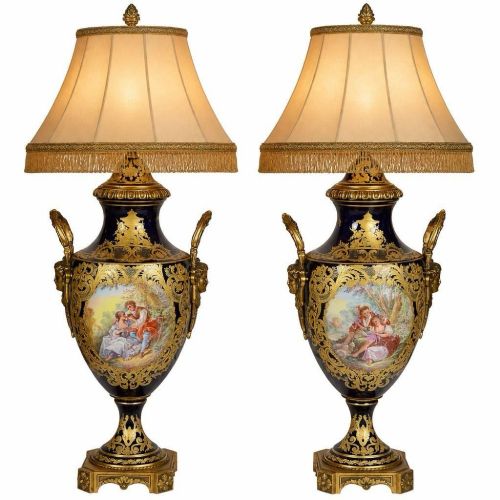
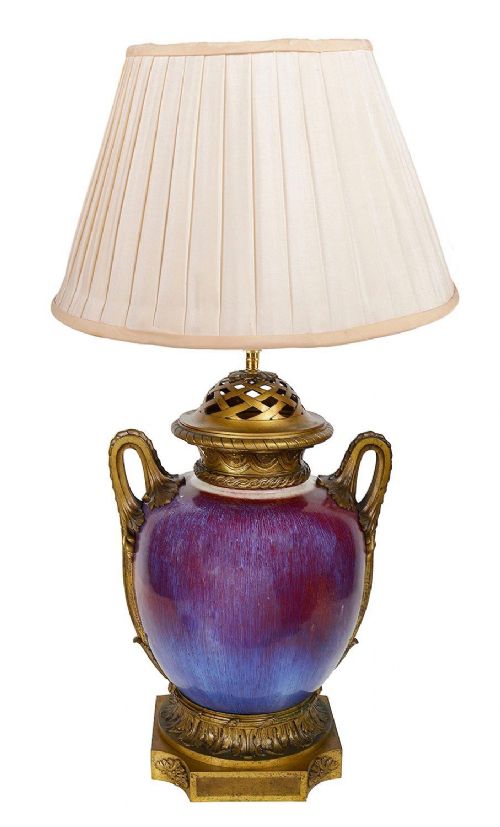
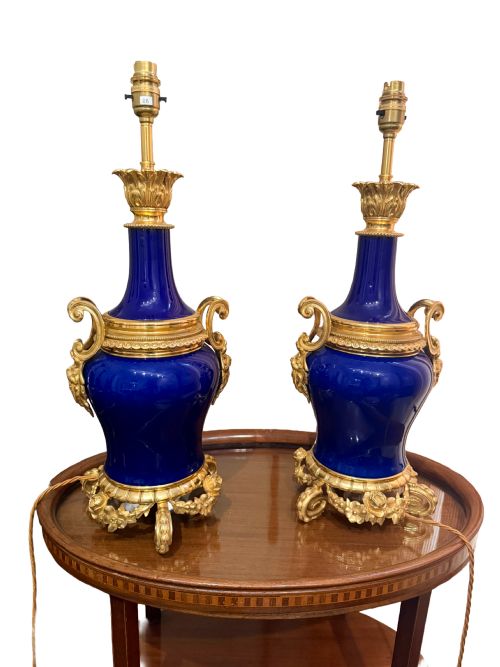
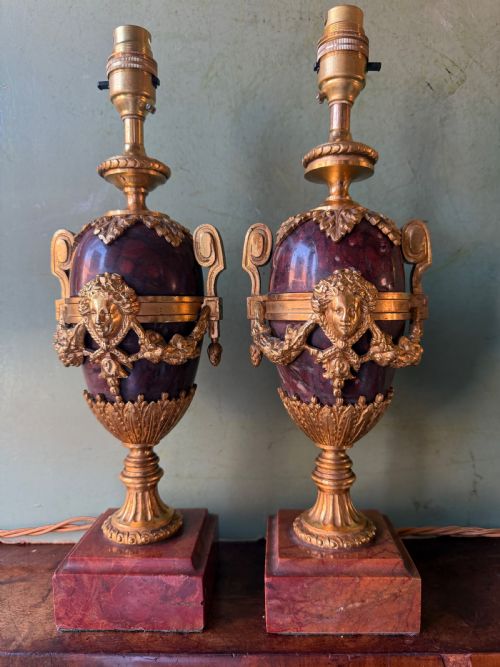
Table lamps dominate the selection, often taking the form of cassolettes, ewers, and porcelain vases fitted for electricity alongside candelabra and wall sconces. Many examples pair the golden finish of ormolu with contrasting materials like white or rouge marble and hand-painted porcelain bodies.
Origins lean heavily toward French workshops and makers embracing Louis XVI Revival aesthetics, though English and Chinese elements also appear. Buyers meet pairs intended for mantelpieces and side tables, embodying historic interior schemes through classical urn shapes and ram's head masks.
How they were made
The construction relies on the union of cast bronze, mercury-gilded or electroplated with gold, combined with turned marble and ceramic bodies. Makers shaped the bronze mounts through casting and chasing before applying the bright ormolu surface finish.
Porcelain bodies, including Sevres style and blue and white ceramics, were frequently imported or manufactured for mounting, then drilled and adapted to hold electrical fittings or candle sockets. Marble components were lathe-turned and polished to support the heavy metal collars and feet.
Materials span from hand-painted cobalt porcelain to carved white marble, complemented by cast ormolu mounts and fabric shades.
What varies in quality
The crispness of the bronze chasing dictates the visual success of the metalwork, separating sharply defined acanthus leaves and ram's heads from softer, blurred casts. Heavier gauge bronze and substantial marble bases indicate superior manufacture over lighter, hollow assemblies.
The quality of the porcelain body and the depth of the mercury gilding determine the tier of the piece. Hand-painted ceramic panels and richly preserved gilding reflect higher workshop standards than simpler painted treatments.
Casier·Thomas Hope
The Ormolu Urn Light Glossary
- Ormolu
- A method of applying finely ground high-carat gold to an object of bronze. This technique creates a rich golden decorative surface on nineteenth-century mounts.
- Cassolette
- A vessel shaped like an urn, designed with a reversible lid that functions either as a vase or a candleholder. These forms frequently appear converted into table lamps.
- Neoclassical
- A style drawing inspiration from the classical art and architecture of ancient Greece and Rome. It governs the symmetrical urn shapes, swags, and architectural columns seen in these designs.
- Sconces
- Wall-mounted lighting fixtures that project arms for candles or bulbs. They often incorporate gilt bronze backplates and urn motifs.
Ormolu Urn Light: Frequently Asked Questions
What is an ormolu urn light?
An ormolu urn light is a decorative lamp or candleholder featuring gilded bronze mounts shaped around a classical urn or vase form. These pieces originate largely from nineteenth-century European workshops.
They combine metalwork with materials like marble and porcelain, serving as functional illumination while carrying traditional decorative styles.
How do I identify Louis XVI style?
Louis XVI style pieces exhibit classical symmetry, straight tapering legs, and motifs drawn from ancient architecture. You will notice details like acanthus leaves, urns, and ram's head masks.
This aesthetic values restraint and proportion, contrasting with the more asymmetrical curves of earlier Rococo designs.
Were these originally electric?
Most nineteenth-century examples started life as oil lamps, candleholders, or decorative cassolettes before being converted to electricity later. Conversions often happened during the twentieth century to suit modern homes.
Original oil or wax components were adapted to conceal wiring while preserving the external appearance of the antique vessel.
How do I clean gilt bronze?
Gilt bronze requires gentle dusting with a soft, dry brush to prevent the accumulation of dirt in the chased recesses. Avoid harsh chemical cleaners or abrasive cloths that can strip the delicate gold surface.
Moisture should be kept away from both the metal and any attached marble or fabric elements during maintenance.