
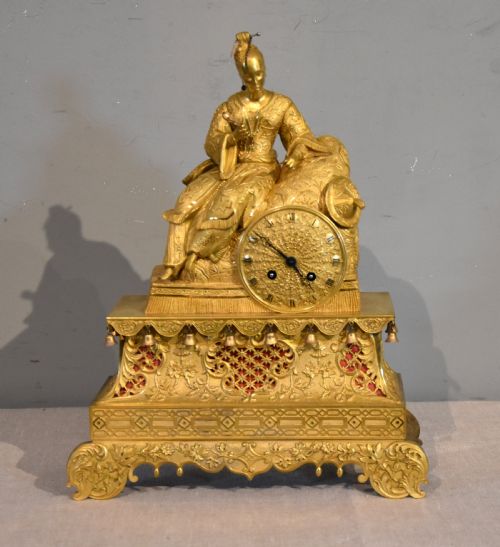
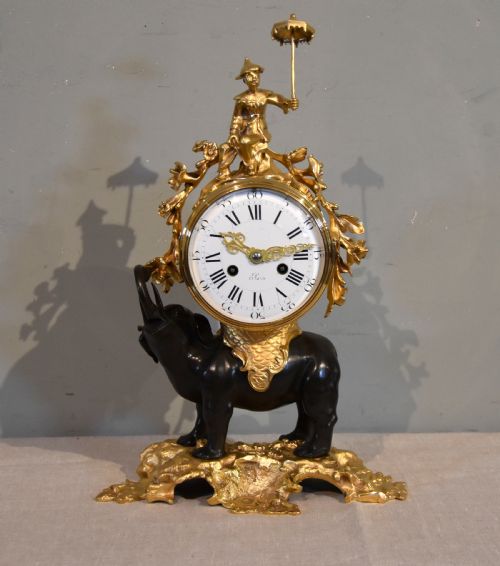


Ormolu Timepiece
An ormolu timepiece combines the rich warmth of mercury-gilded bronze with precise horology, bringing nineteenth-century French elegance straight to the mantelpiece.
Ormolu Timepiece
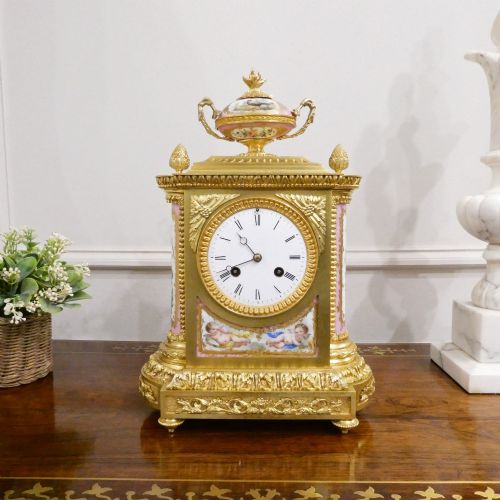
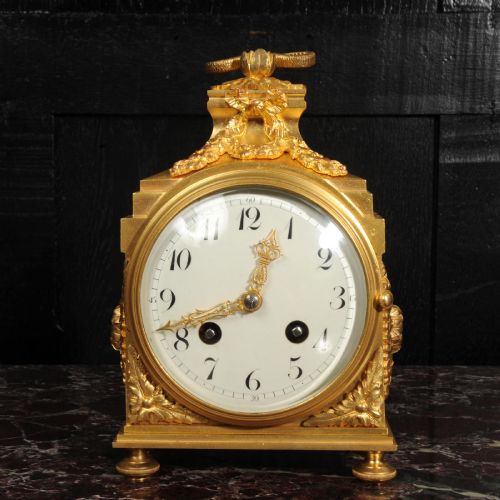
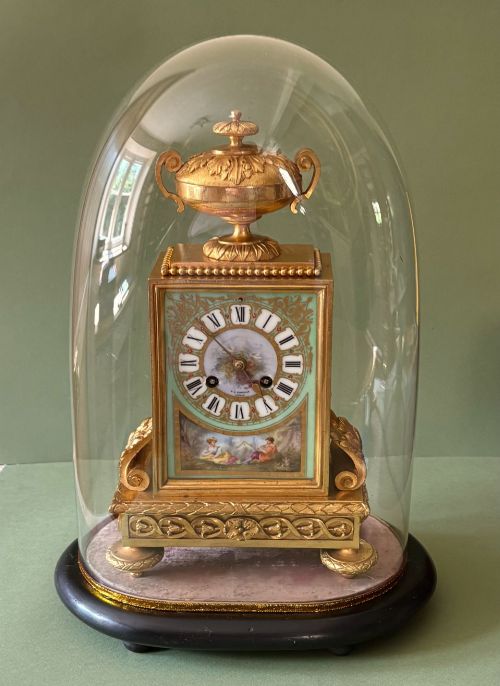
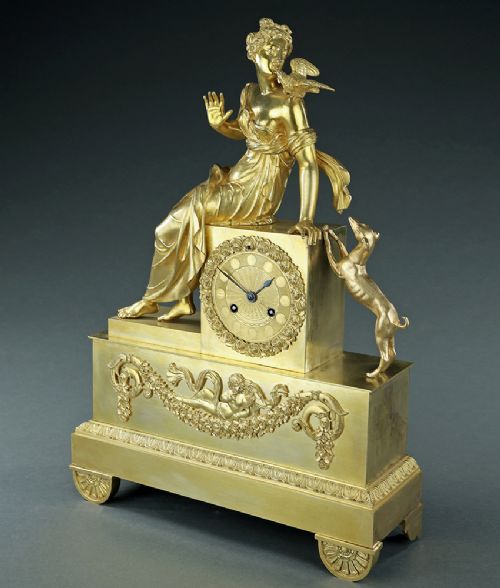
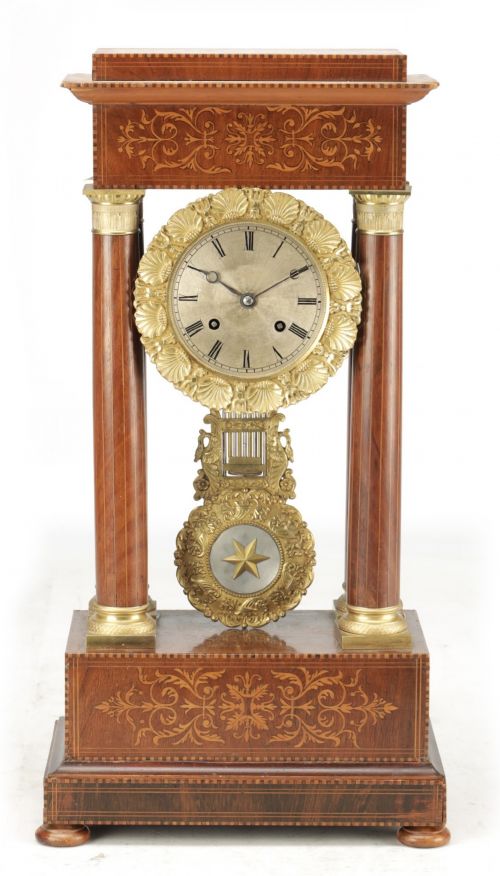
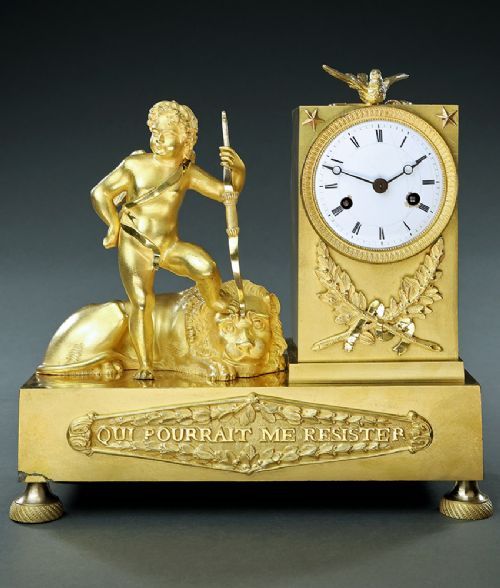
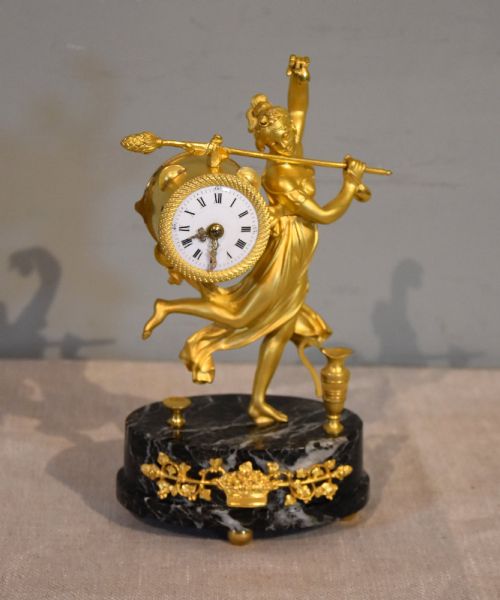
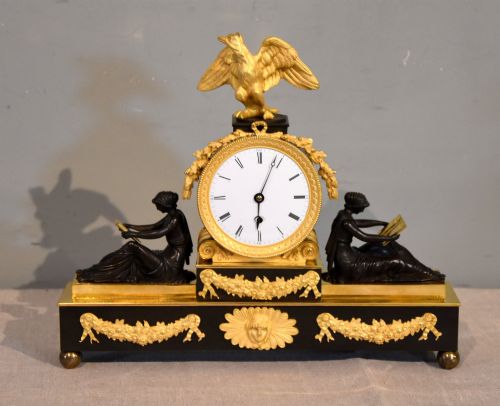
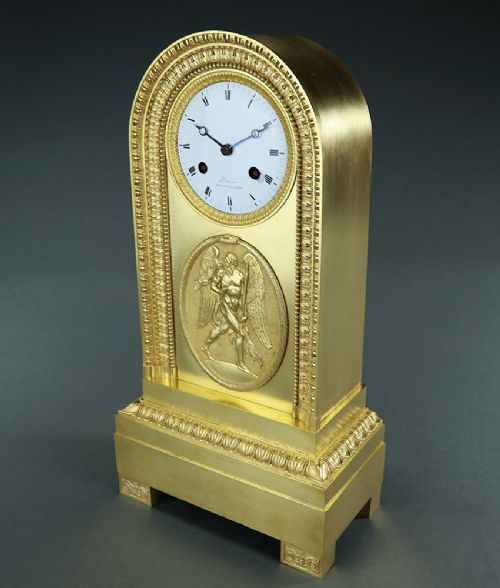
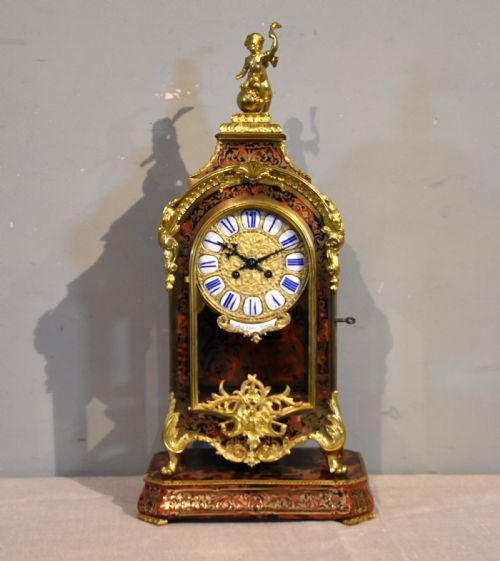
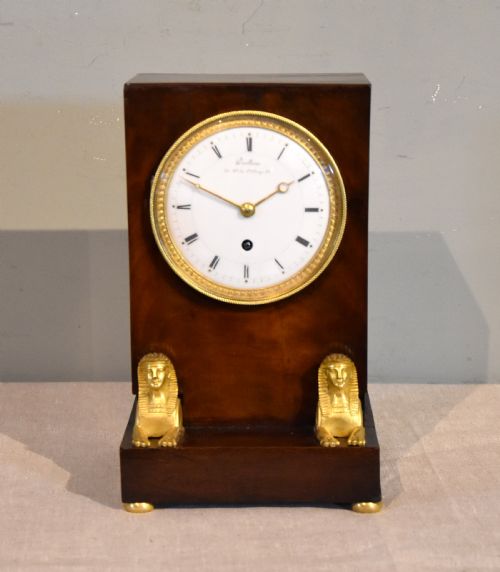
An ormolu timepiece is a decorative clock housed in a mercury-gilded bronze case, taking forms such as mantel clocks, table clocks, and portico clocks. When you search for ormolu timepiece, you encounter predominantly nineteenth-century French examples spanning periods like the Victorian era, Regency, and the 1850s to 1900s.
The objects take diverse stylistic routes, ranging from French Empire and French Rococo Revival to Louis XVI Revival and French Restoration. Figural subjects, architectural porticos, and lyre shapes frequently appear alongside porcelain-mounted or marble-backed bodies.
How they were made
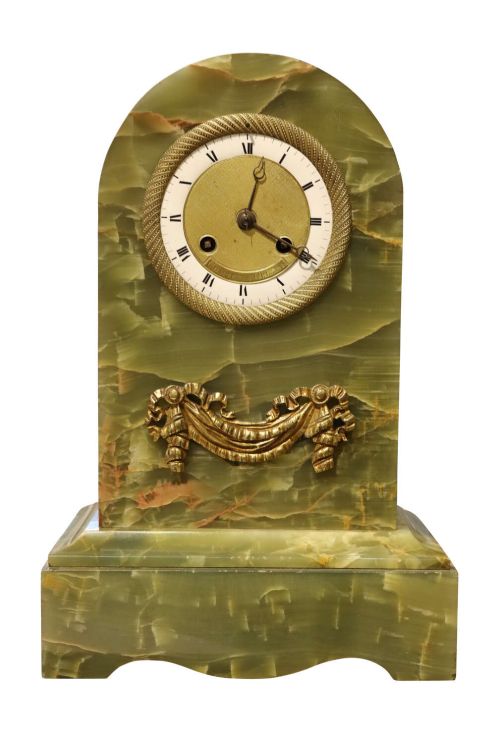
The foundational case construction utilises cast bronze or brass, which is then mercury-gilded to achieve the distinctive ormolu surface. Artisans frequently combined this gilt metal with contrasting natural materials including green marble, red marble, green onyx, mahogany, rosewood, and tortoiseshell.
Dials often feature hand-painted details or inset enamel plaques, sometimes paired with visible porcelain panels or champleve enamelwork. Movements rely on traditional mechanical gear trains, occasionally incorporating specialised fusee or calendar complications.
Listings feature periods from the eighteenth century through to 1920, utilising materials such as porcelain, tortoiseshell, and patinated bronze.
What varies in quality
The sharpness and depth of the bronze casting define the visual caliber of the piece, separating crisp, hand-chased ornamentation from soft, indistinct factory output. Superior examples display meticulous finishing across every hidden contour of the gilt bronze mounts.
The integration of the movement with the case also marks the grade of the clock, where signed dial work and reputable makers indicate higher workshop standards. The quality of supplementary materials, such as finely figured mahogany veneers or flawless enamel dials, elevates the status of the timepiece.
Jean-Baptiste Delettrez·Charles à Orléans·Baetens London·Viner London·Louis Goret·Leon Message·Jollet et Cie·Samuel Marti·Japy Frers
The Ormolu Timepiece Glossary
- Ormolu
- A technique of applying finely ground high-carat gold amalgam to a bronze object, which is then fired to drive off the mercury and leave a rich golden finish. It forms the defining decorative surface of these clocks.
- Pendule d'Officier
- A portable military-style officer's clock often fitted with a carrying handle and travelling case. These functional pieces combine robust timekeeping with refined ormolu mounts.
- Portico clock
- A monumental clock style shaped like a classical architectural portico, supported by columns. They frequently incorporate inlaid exotic woods and decorative ormolu bezels.
- Champleve
- An enamelling technique where troughs or cells are hollowed out of the metal surface and filled with vitreous enamel before firing. It adds vibrant colour alongside bright gilt bronze mounts.
- Fusee
- A conical pulley used in clock movements to maintain even driving tension as the mainspring unwinds. This mechanism ensures consistent timekeeping accuracy across the power reserve.
Ormolu Timepiece: Frequently Asked Questions
What is an ormolu timepiece?
An ormolu timepiece is a mechanical clock featuring a mercury-gilded bronze case, produced primarily in nineteenth-century France and Regency England. These objects function as both reliable timekeepers and sculptural ornaments.
They appear in various forms, including mantel clocks, portico clocks, and table clocks, often decorated with mythological figures, floral motifs, or classical architectural elements.
How do I wind a mechanical clock?
Mechanical clocks require a dedicated key inserted into the winding arbors on the dial face to tension the internal springs or lift the driving weights. Care must be taken not to over-wind the mechanism.
Most antique timepieces run for a specific duration, such as eight days, before needing another wind to maintain accurate time.
How do I distinguish French styles?
French Empire clocks lean toward classical symmetry, military triumphs, and solemn patinated bronze figures paired with bright ormolu. Rococo Revival pieces showcase asymmetrical C-scrolls, naturalistic foliage, and exuberant ornamentation.
Louis XVI style items introduce restrained neoclassical straight lines, urns, and architectural motifs, making it easier to date pieces based on their silhouette.
Where should I place a marble clock?
Heavy marble and ormolu clocks require a stable, level surface capable of supporting significant weight, such as a sturdy mantelpiece, console table, or sideboard. Placing them away from direct sunlight and damp walls protects the internal metal and dial.
A level foundation ensures the pendulum swings evenly and the clock keeps proper time.