


Ormolu Style Chandelier
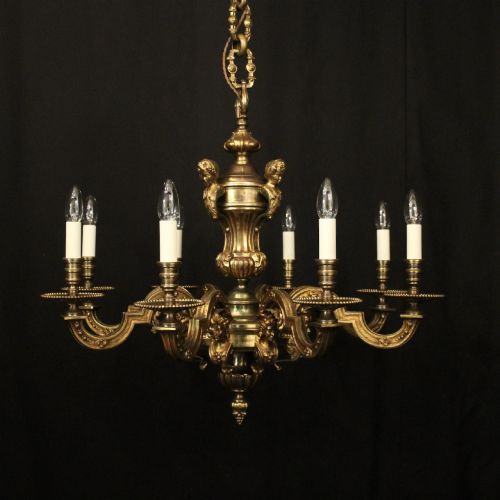
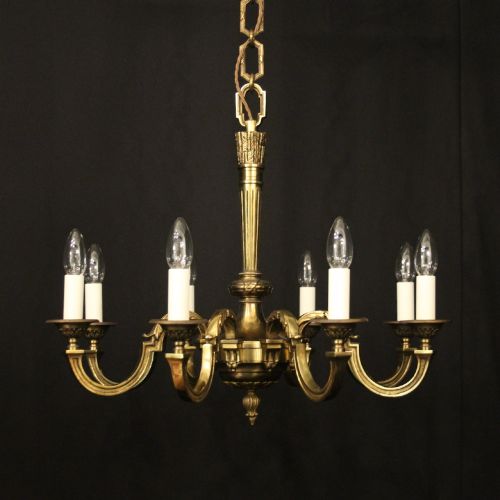
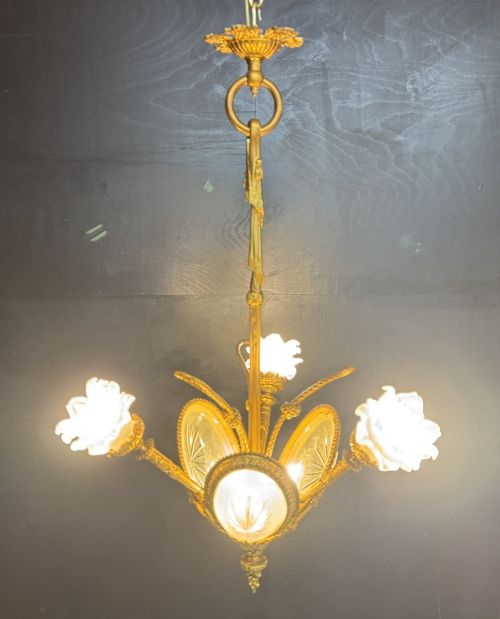
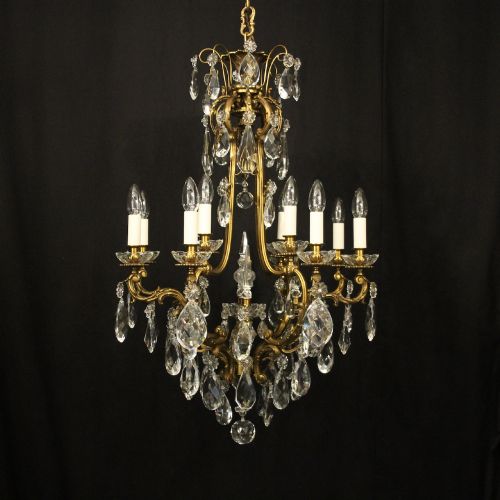
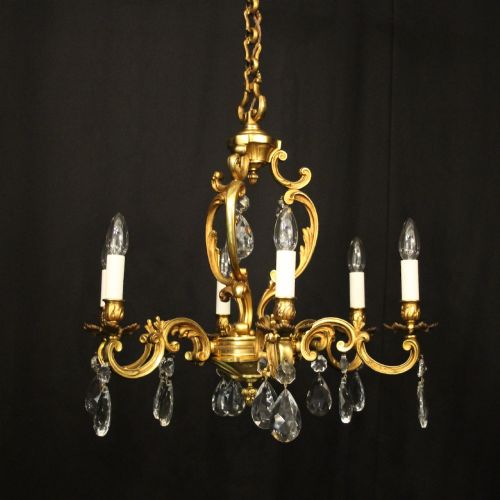
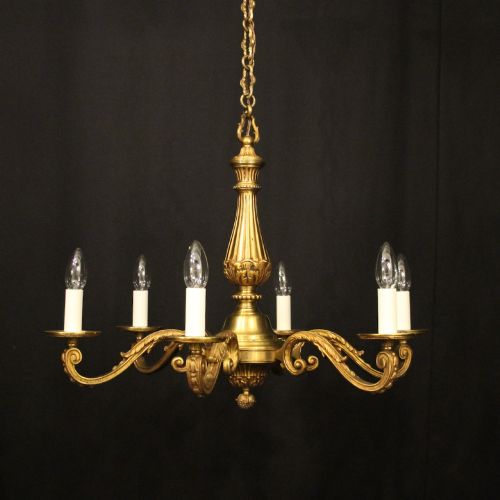
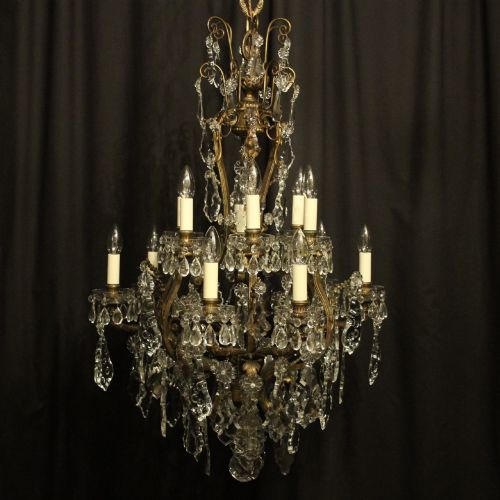
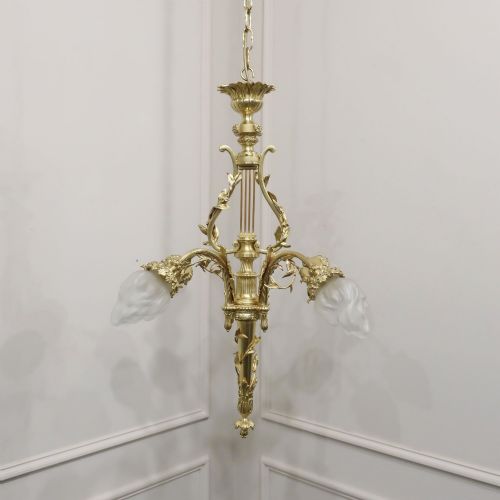
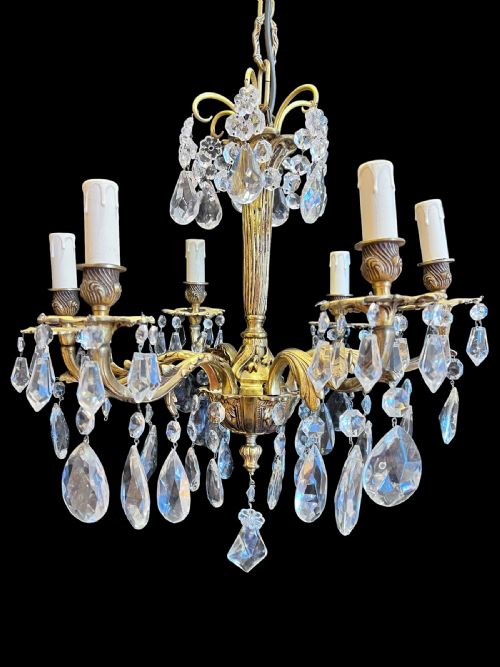
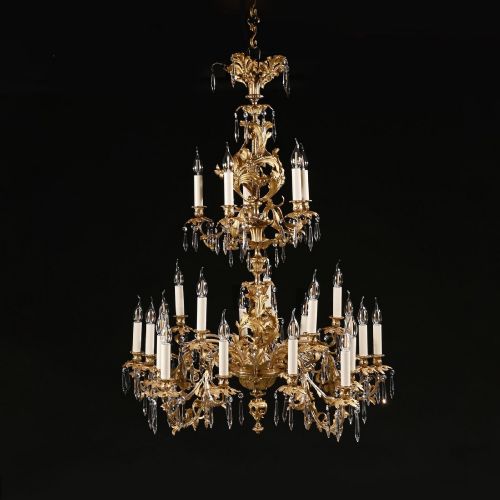
An ormolu style chandelier brings classical French presence to a room, offering heavy cast metal work and glittering glass drops.
Ormolu Style Chandelier
An ormolu style chandelier is an overhead light fitting designed to mimic the rich, gilded bronze fixtures found in historic French chateaux and palaces. You are most likely to encounter pieces originating from the nineteenth and early twentieth centuries, spanning Edwardian interpretations and earlier revival periods.
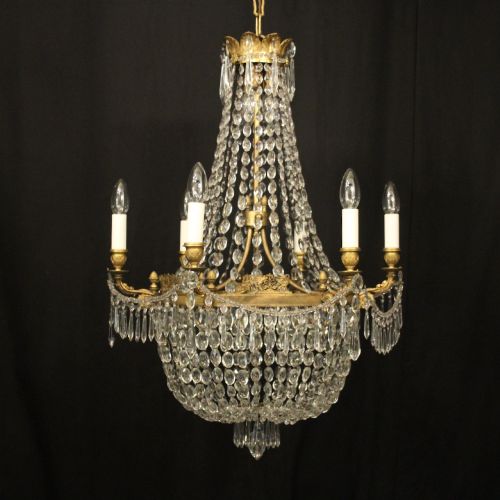
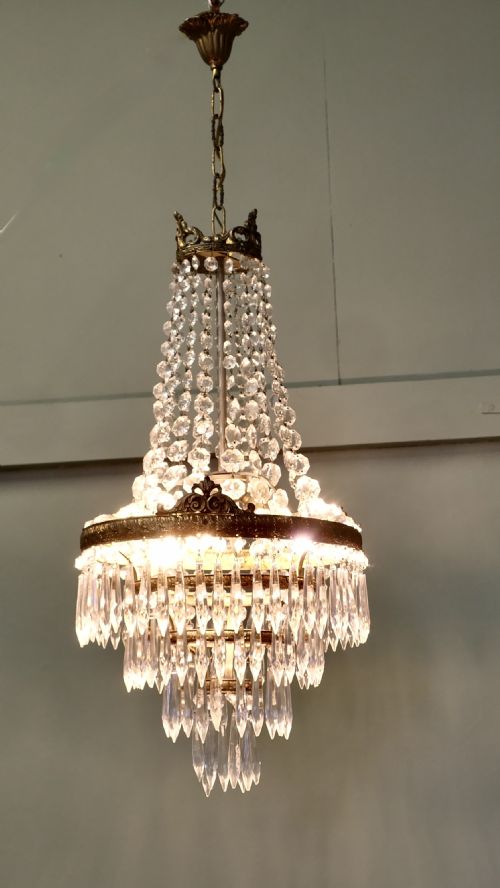
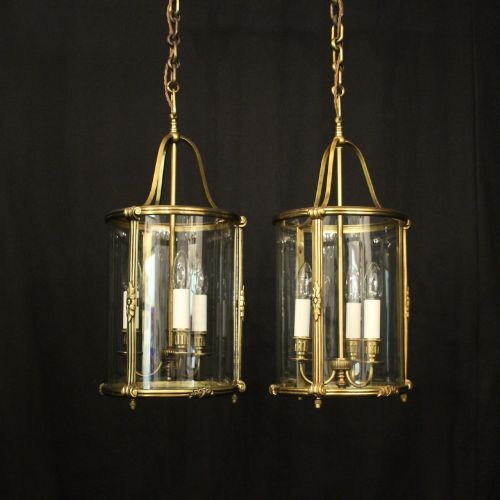
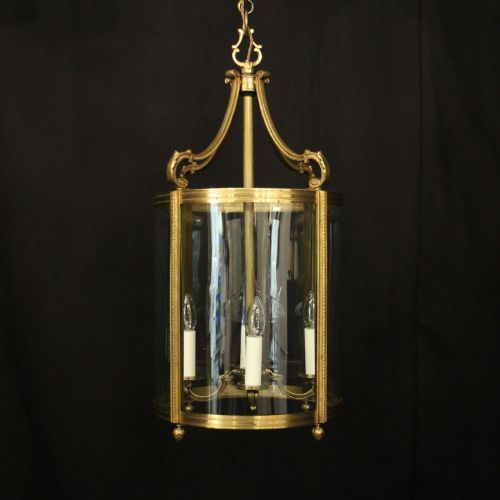
These fixtures take many structural forms, ranging from multi-armed birdcage and tent-and-waterfall designs to hexagonal hall lanterns and heavy double-tiered statement pieces. The aesthetic draws heavily on established classical design vocabularies including Louis XIV, Louis XVI, Baroque, Rococo, and Empire styles.
How these fixtures were constructed
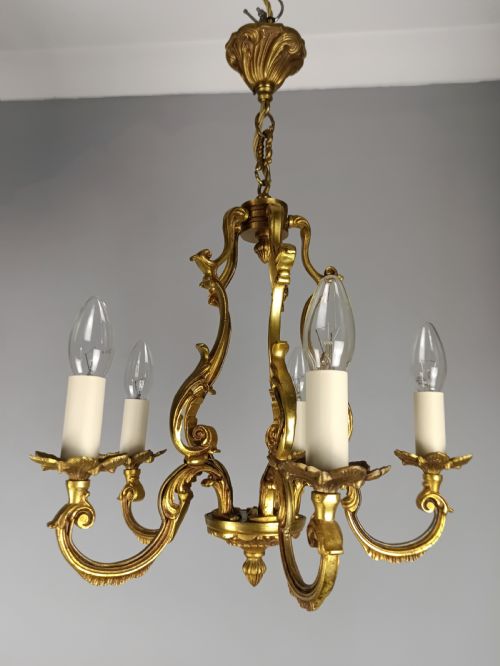
Makers utilised cast metals such as bronze, brass, and gilt-finished base metals to form the primary skeletal arms, bands, and decorative mounts. These structural metal components provide the weight and rigidity necessary to support numerous branches and heavy ornamentation.
Artisans integrated transparent elements by suspending cut glass drops, crystals, and glass panes from the metal frames to refract light. Surface finishes relied heavily on mercury gilding or modern electroplating methods to achieve the characteristic rich golden sheen.
Ormolu Style Chandelier Retail Price Guide 2026
Typical asking prices for ormolu style chandelier among the pieces listed under this phrase on Sellingantiques today, from the lower quarter to the upper quarter. They describe what is for sale here now, not the wider market.
Listings span several distinct periods including the Edwardian era, the nineteenth century, and early twentieth-century dates up to 1930.
What separates the grades
Quality rests heavily on the depth of the metal casting and the crispness of chased detailing on the mounts, where sharper foliage and figurative work denote superior craftsmanship. Lighter brass pressings and softer castings indicate a more modest workshop production.
The integration of glass and crystal components also dictates the tier of the piece, with hand-cut drops and precision-faceted crystals creating superior light refraction compared to simple pressed glass pendants.
The Ormolu Style Chandelier Glossary
- Ormolu
- A historical term describing finely cast and gilded bronze ornaments, highly valued for their rich golden surface appearance. It derives from the French term for ground gold.
- Tent and waterfall
- A specific chandelier silhouette featuring an upper conical tent of strings of beads cascading down into a wider bowl or tiered ring of lights. This configuration maximises the distribution of crystal sparkle.
- Hall lantern
- An enclosed ceiling light, often hexagonal or convex in shape, originally designed to illuminate entrance hallways and vestibules. These fixtures feature glass panels held within a decorative metal framework.
- Birdcage
- A cage-like metal armature forming the skeletal frame of a chandelier, around which glass drops and candle arms are arranged. The vertical brass or bronze bars create a distinctive open volume.
Ormolu Style Chandelier: Frequently Asked Questions
How do I clean an ormolu style chandelier?
Dust the metal frame and individual glass drops gently using a soft, dry lint-free cloth or a specialised feather duster to prevent grime buildup.
Avoid harsh chemical cleaners or abrasive scouring pads, as these substances can strip the gilded surface layer from the bronze or brass base.
Were these chandeliers electrified originally?
Most antique examples began their operational lives configured for candles or burning oil before receiving later electrical conversions during the twentieth century.
Modern wiring updates are standard practice to ensure domestic safety compliance while retaining the historic exterior appearance of the metalwork.
How do I identify French Empire style?
Empire style fittings display heavy classical symmetry, incorporating military motifs, classical urns, sphinxes, and star patterns influenced by Napoleonic design.
The metalwork tends to be robust and formal, often combining dark patinated elements with bright gilded bronze mounts.