



Ormolu Figure Statue
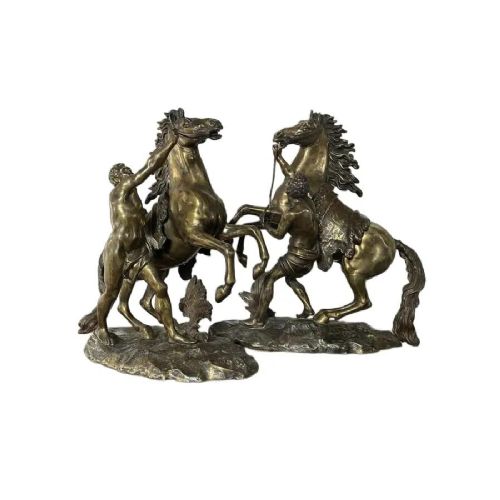
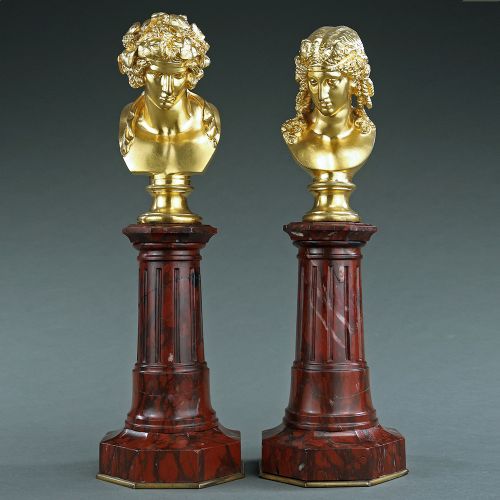
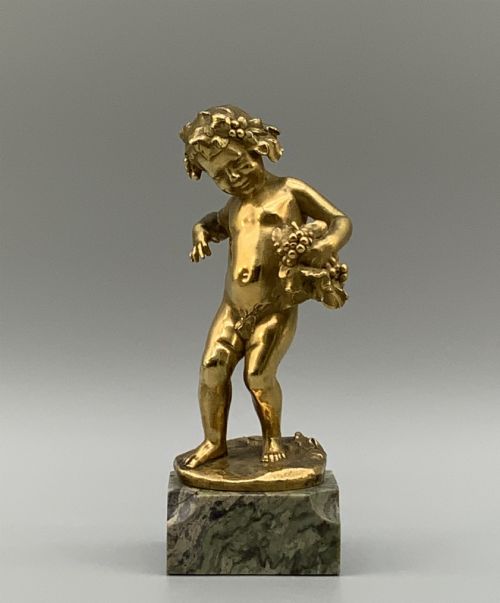
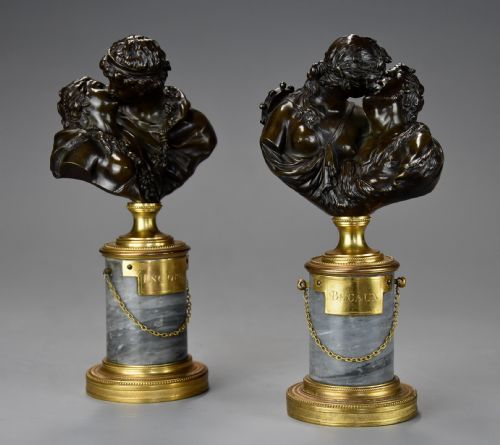
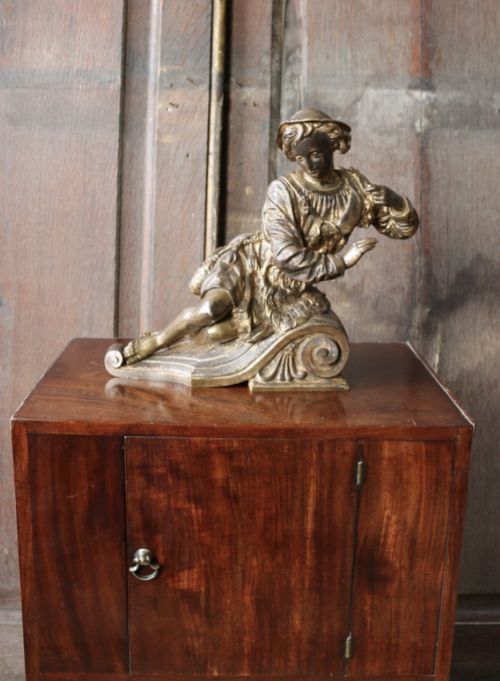
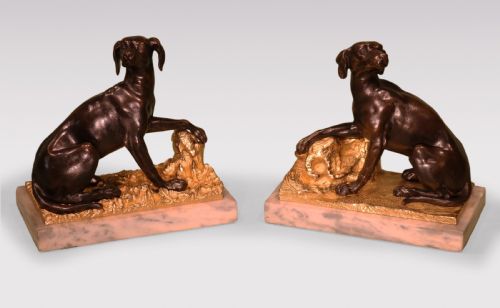
An ormolu figure statue brings gilded bronze artistry into a room, offering classical subjects, mythological figures and detailed animal studies.
Ormolu Figure Statue
When you search for an ormolu figure statue, you encounter sculptural works cast in bronze and highlighted with mercury gilding, alongside patinated bronze variants. These pieces appear primarily across the nineteenth century, including Victorian examples and earlier eighteenth-century items.
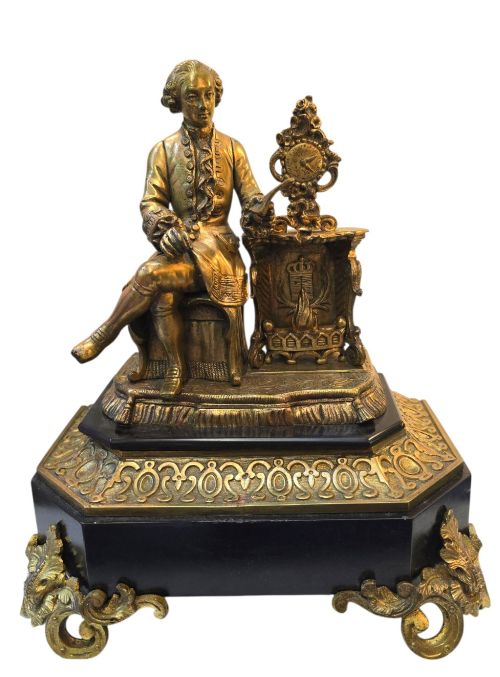
The objects take diverse forms ranging from standalone sculptures and busts to mantel clocks, lamps, and candlesticks. French workshops dominate these listings, employing neoclassical, empire, rococo, and art nouveau idioms.
The most common formats on this page are figural bronzes, animalier subjects, and mythological depictions mounted on marble or malachite plinths.
Materials and Manufacture
These pieces rely on bronze and gilt bronze, often designated as ormolu, combined with patinated bronze surfaces. Artisans frequently mounted the metal figures upon bases of white or red marble and green malachite.
Ormolu Figure Statue Retail Price Guide 2026
Typical asking prices for ormolu figure statue among the pieces listed under this phrase on Sellingantiques today, from the lower quarter to the upper quarter. They describe what is for sale here now, not the wider market.
One listed piece portrays a dentist bear, capturing a whimsical nineteenth-century zoomorphic fantasy in gilt bronze.
Assessing Quality and Execution
The refinement of the chasing separates superior statues from standard production. Crisp detailing in the hair, garments, and facial expressions indicates skilled handwork after the casting process.
The depth and preservation of the mercury gilt surface also influence the piece. Strong, even gilding paired with high-grade marble or malachite plinths marks out the more ambitious examples.
Charles Louis Malric·Susse Frères·Christophe Fratin·Jean Jacques Pradier·Victor Paillard·Charlotte Monginot
The Ormolu Figure Statue Glossary
- Ormolu
- Gilded bronze, produced by applying an amalgam of gold and mercury to a bronze base and heating it to drive off the mercury. This technique creates a durable golden finish characteristic of decorative objects from the eighteenth and nineteenth centuries.
- Patinated bronze
- Bronze treated with chemical solutions to produce a darkened or coloured surface finish rather than a gilded one. It often provides contrast against ormolu mounts.
- Neoclassical
- A style inspired by the art and architecture of ancient Greece and Rome. It emphasises proportion, symmetry, and classical mythological subjects.
- Grand Tour
- A cultural journey undertaken by wealthy young Europeans in the eighteenth and nineteenth centuries to study classical antiquities. It stimulated a market for miniature bronzes and busts.
Ormolu Figure Statue: Frequently Asked Questions
What is ormolu?
Ormolu refers to gilded bronze, created by applying a gold and mercury mixture to a bronze casting and firing it.
This historic method yields a rich, durable golden surface that resists tarnish and highlights fine sculptural details.
How should I clean an ormolu figure?
Dust the surface gently with a soft, dry brush to prevent accumulation in recessed areas.
Avoid abrasive cloths, water, and chemical cleaning agents, which can strip or damage the delicate gilt layer.
Are these figures solid bronze?
Most of these pieces are cast in bronze, though some are hollow to save weight and metal during production.
They are frequently mounted onto heavier stone plinths made of marble or malachite for stability.
What subjects do these statues depict?
The subjects range widely across classical mythology, historical figures, and portrait busts.
Animal studies, allegorical figures, and religious subjects also appear frequently in nineteenth-century French production.