
Original Victorian Oil Portrait
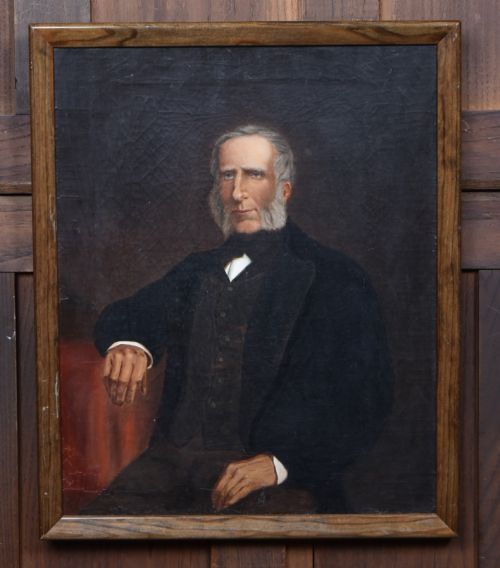
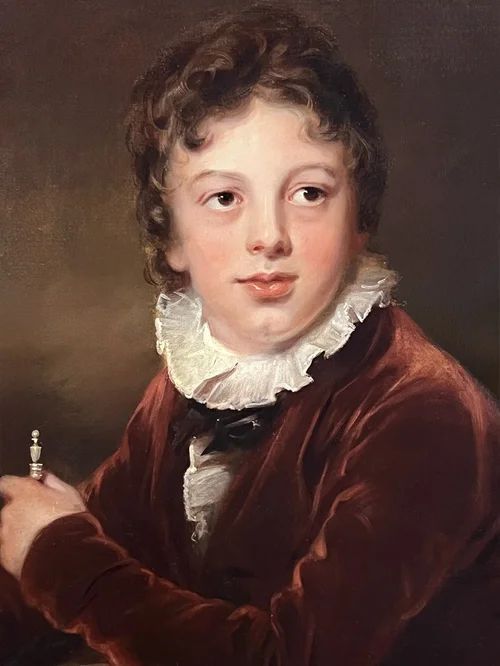
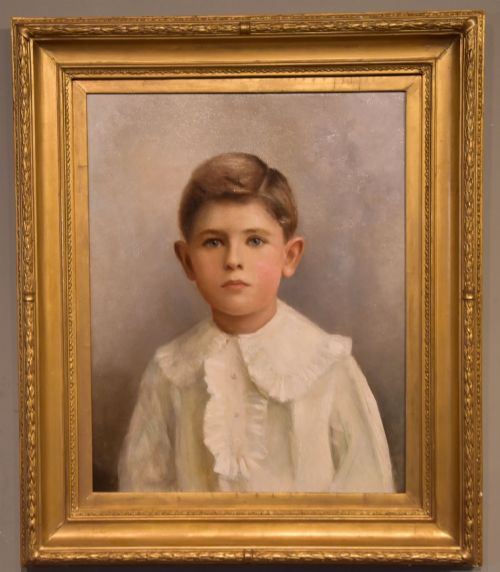
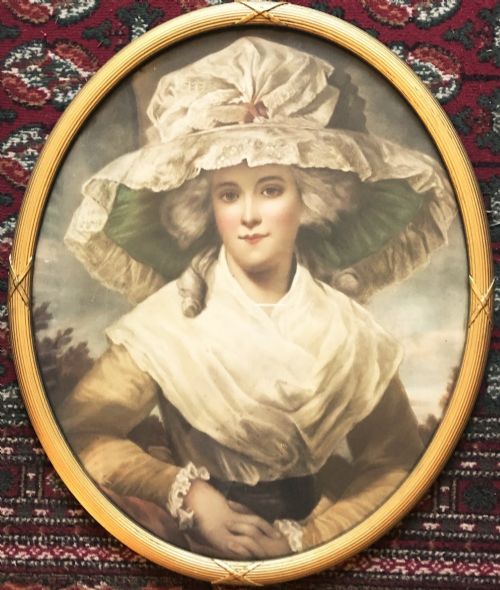
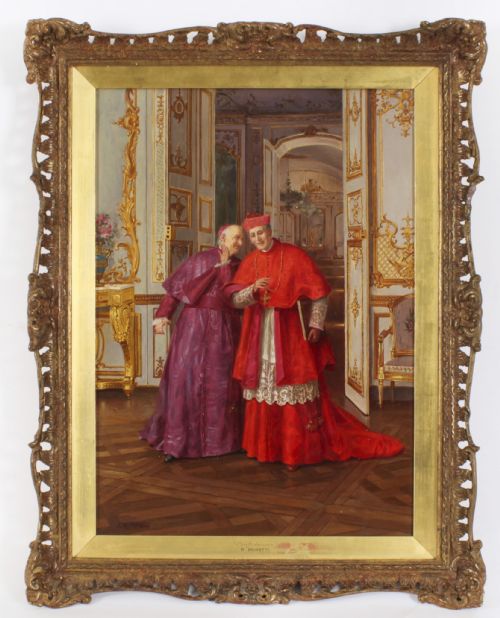
An original victorian oil portrait captures the likenesses of gentlemen, ladies, and notable figures through enduring pigment laid upon woven surfaces.
Original Victorian Oil Portrait
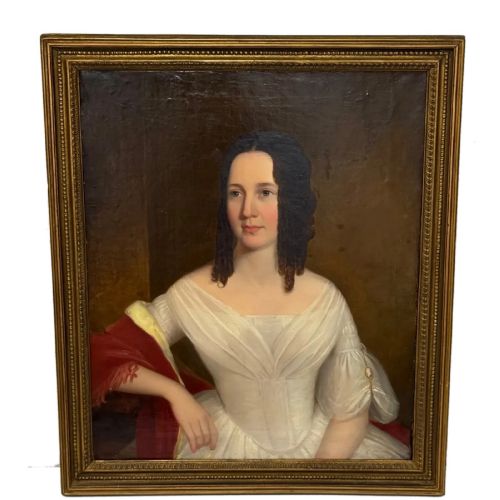
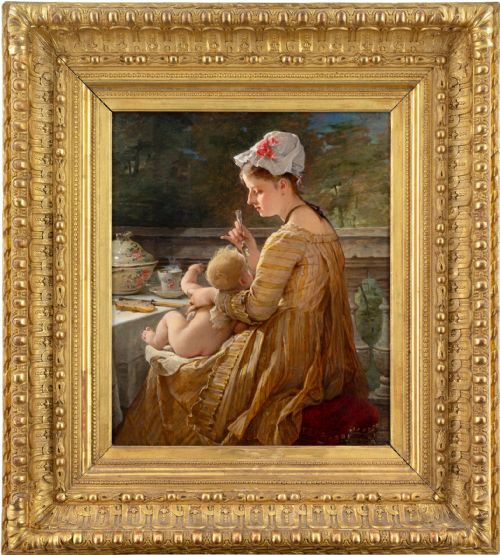
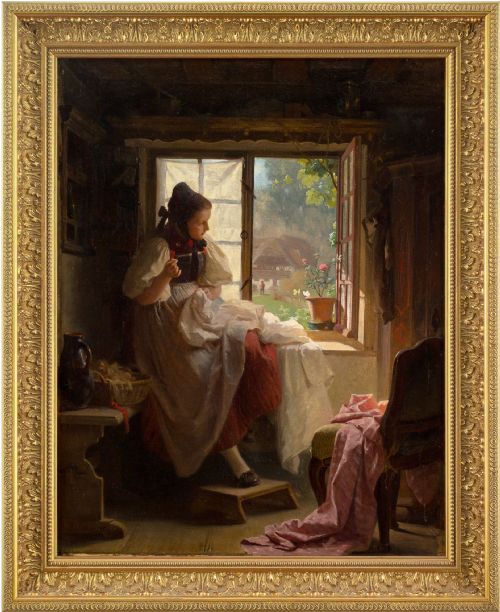
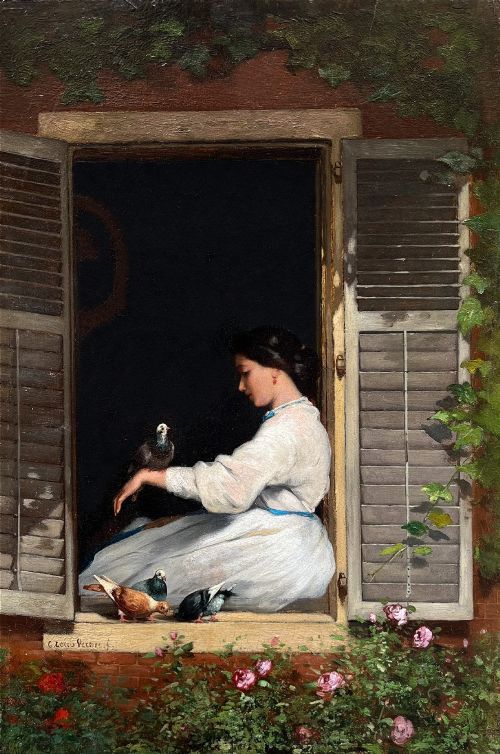
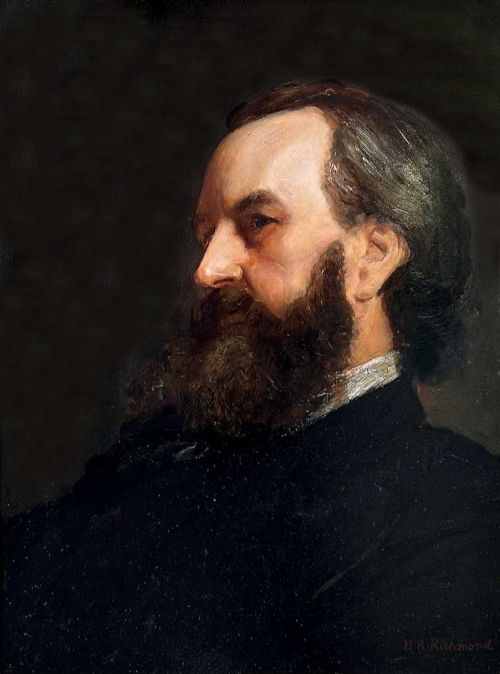
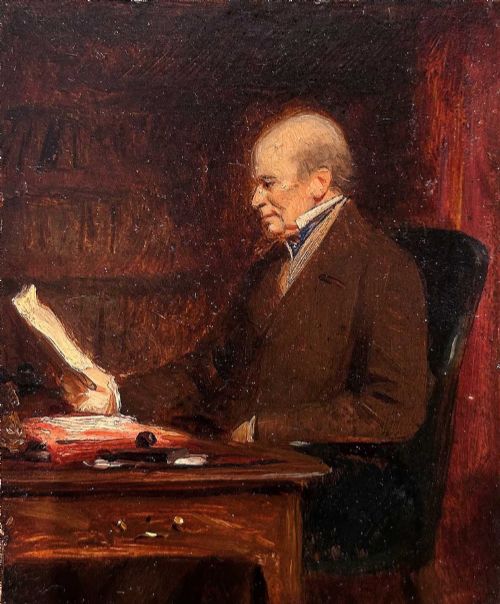
An original victorian oil portrait embodies the artistic output of the nineteenth century, capturing individual likenesses of gentlemen, ladies, and specific historical figures. Buyers evaluating these works encounter depictions ranging from single sitters at desks to formal studies of nobility and working designers.
The selections available include both signed canvases by named artists and anonymous pieces from the English and Scottish schools. Formats vary from standard rectangular paintings to oval compositions and miniature studies executed on panel or board.
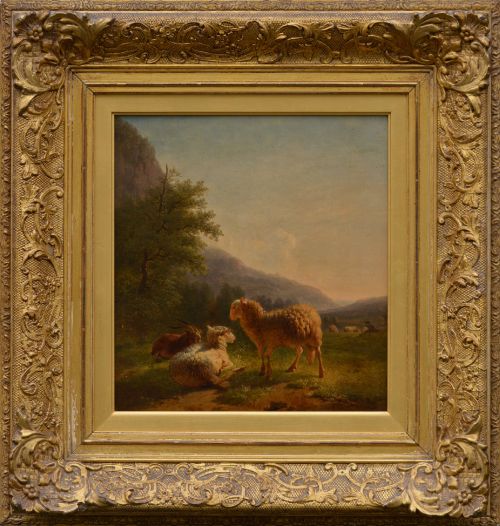
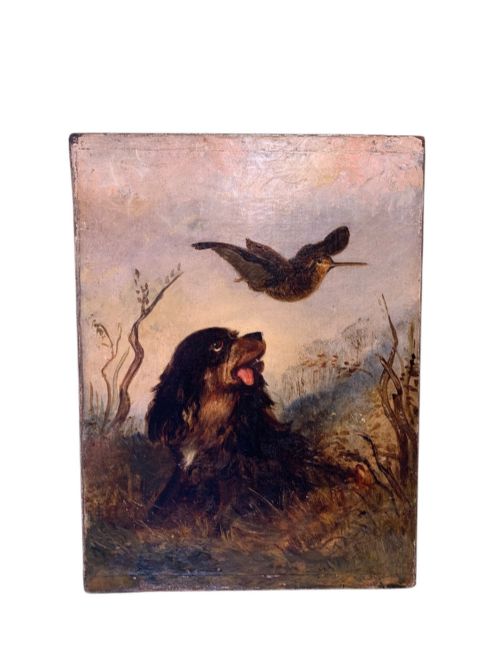
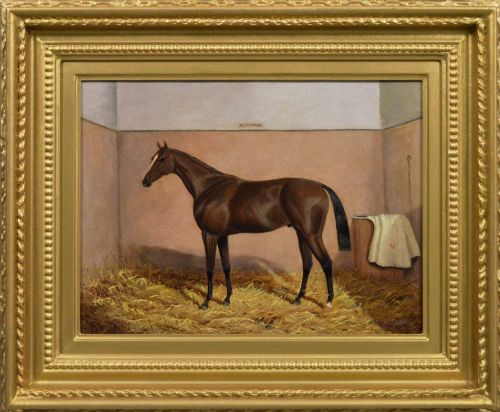
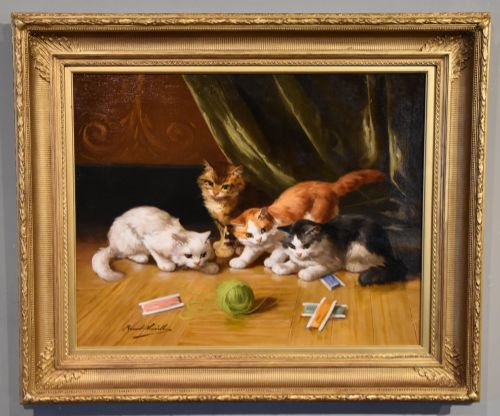
Beyond human subjects, the broader category encompasses animal portraiture representing prize horses, hunting dogs, and livestock within pastoral settings. These diverse examples reflect the Victorian appetite for both personal commemoration and genre scenes.
How They Were Made
Artists applied oil paint to prepared surfaces including canvas, wood panel, and artist boards. Canvases were frequently stretched over wooden frames, and some surviving pieces record later restorations to the original fabric or canvas laid onto board.
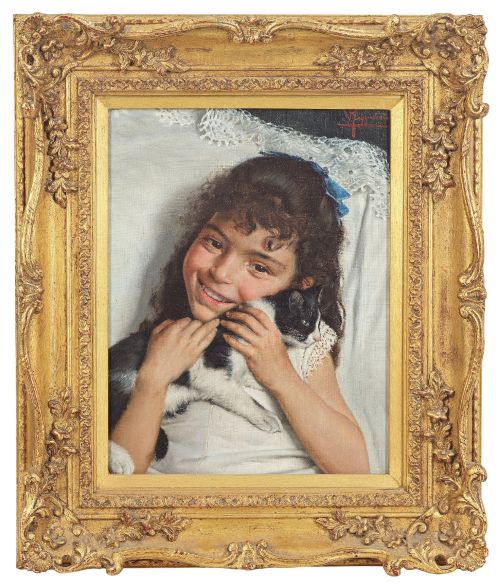
Surrounding housings utilise traditional materials such as carved gesso and gold leaf to create ornate gilt frames. Glazed compartments occasionally protect delicate works or prints executed after the original paintings.
Several portraits preserve the solemn gazes of prize bloodhounds, terriers, and racehorses rather than human family members.
What Varies In Quality
The distinction between standard works and masterpieces rests upon the precision of brushwork and the psychological depth achieved in the sitter's expression. Superior examples display subtle handling of light across fabrics like lace and velvet.
Framing contributes significantly to the overall integrity of the piece, with heavy, decorative giltwood frames original to the period elevating the status of the artwork. Documentation, including inscriptions on the reverse or known provenance, adds historical weight to individual portraits.
Albert Clark·Eugène Verboeckhoven·Vittorio Reggianini·Max Kaltenmoser·William Blake Richmond·Stephen Pearce·Alfred Arthur Brunel de Neuville·Theodore Jensen·John Ferneley Senior·Charles Burton Barber·William Henry Knight·Samuel Spode·Jules Chardigny·William Joseph Carroll·Claude Cardon·John Hunter Thompson
The Original Victorian Oil Portrait Glossary
- Canvas
- A heavy woven fabric used as a support surface for oil painting. It provides the standard flexible ground for nineteenth-century brushwork.
- Gesso
- A plaster-like mixture applied to wood or frames to create a smooth surface for gilding. It forms the base beneath layers of gold leaf.
- Giltwood
- Wood carved and coated with gold leaf or metallic powder to create an ornamental frame. These decorative surrounds often date to the same period as the artwork.
- Oil Paint
- A slow-drying medium composed of pigments suspended in drying oils such as linseed. This formulation allows for subtle blending and rich colour depth.
Original Victorian Oil Portrait: Frequently Asked Questions
How were these portraits used?
Victorian families commissioned these paintings to commemorate lineage, status, and notable personal achievements. They hung permanently in domestic drawing rooms and libraries as focal points of interior decoration.
Portraiture also documented prized horses, hunting dogs, and beloved pets alongside human subjects.
How do I live with an oil portrait?
Display these works away from direct sunlight to protect organic oil pigments and delicate gilt frames from fading. Stable indoor humidity prevents warping in wooden panels and canvas supports.
Dust surfaces gently with a dry, soft cloth without applying liquid cleaners directly to the painted canvas.
How do I identify the period?
Examine the clothing, hairstyles, and framing materials for clues matching nineteenth-century styles. Inscriptions on the reverse of the canvas or panel frequently record dates, sitter names, and artist signatures.
Construction methods on the stretcher frames and canvas weaves further support accurate dating.