

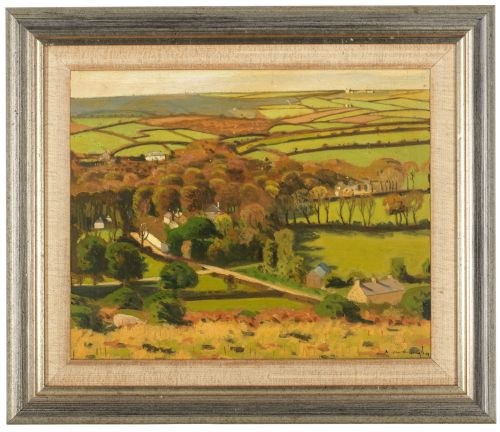
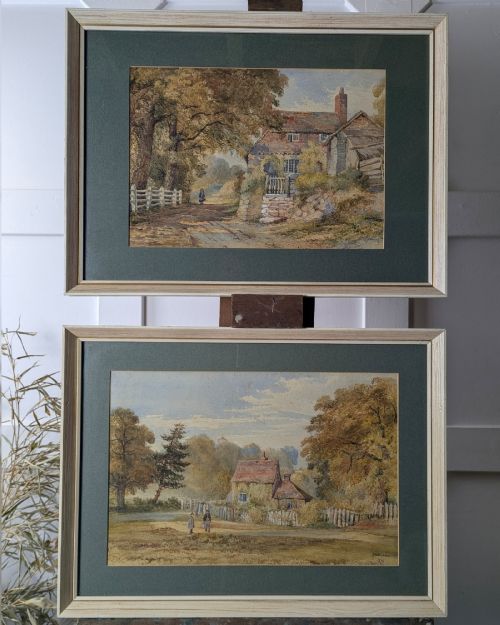

Original Rural Painting
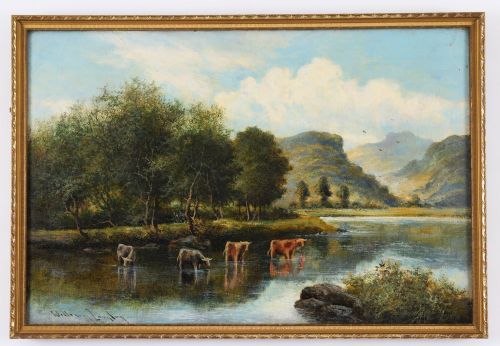
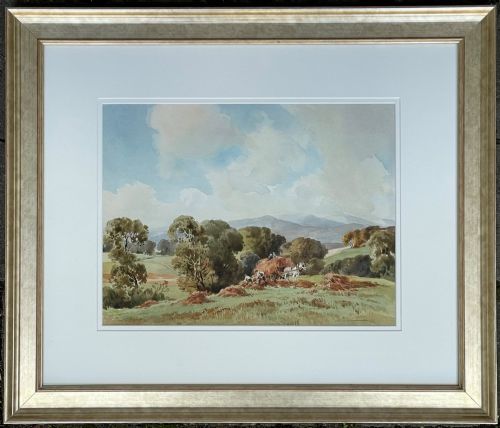
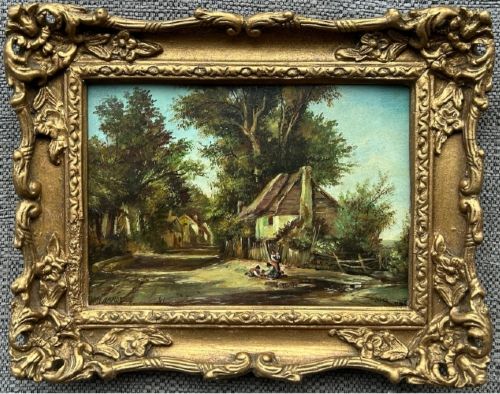
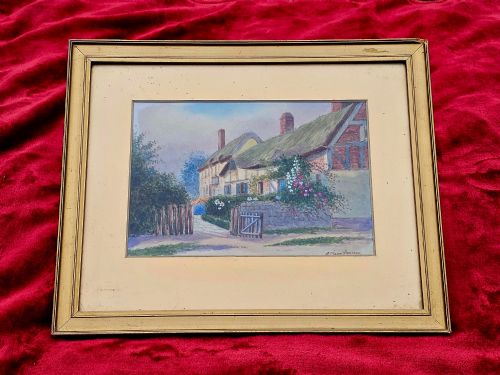
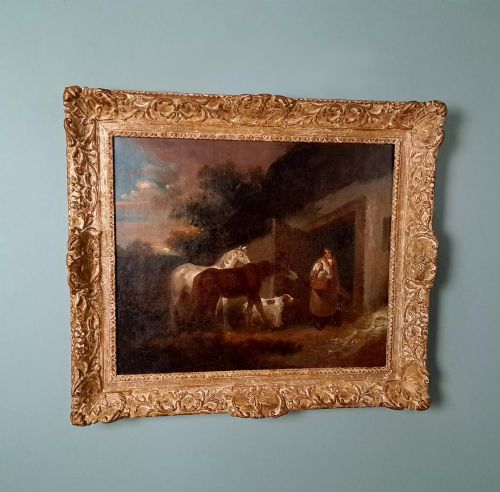
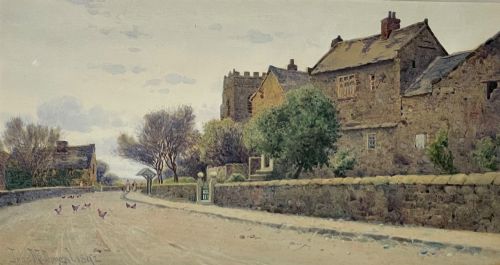
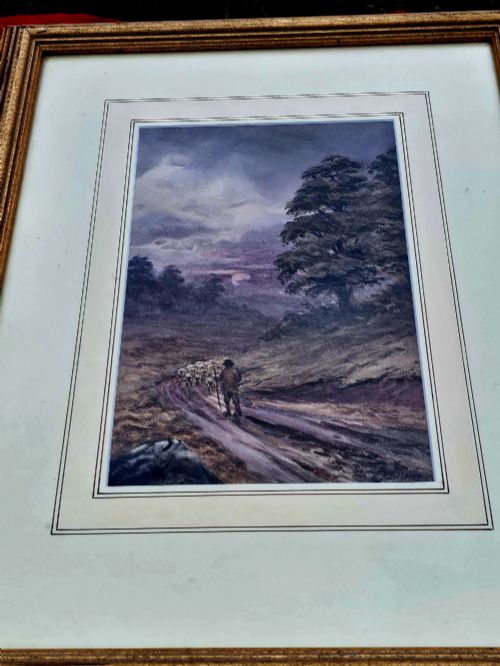
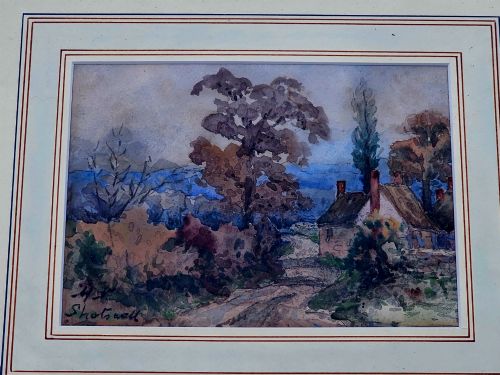
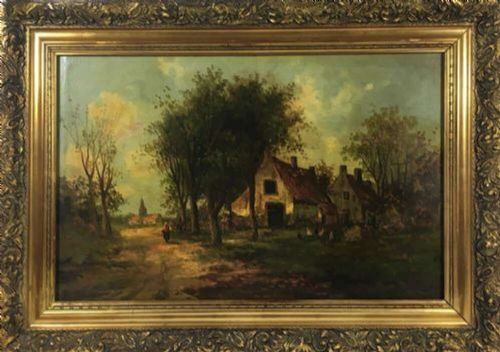
An original rural painting brings open fields, livestock and country cottages directly onto the wall through the hand of a period artist.
Original Rural Painting
An original rural painting captures landscapes, farmyards and pastoral scenes from the nineteenth and early twentieth centuries. Buyers searching this phrase meet works spanning Victorian, Edwardian and early twentieth-century periods.
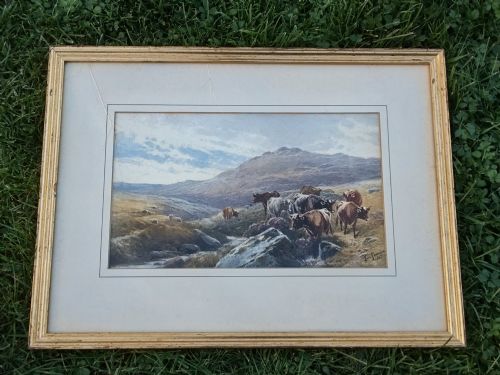
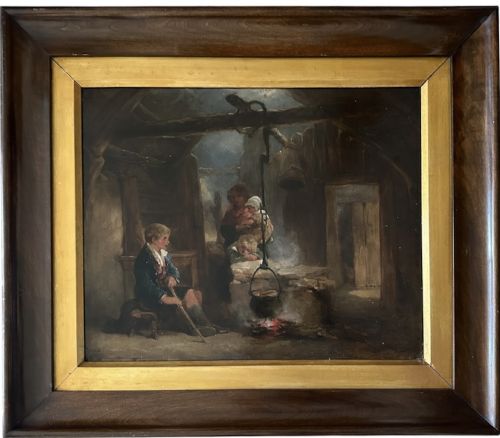
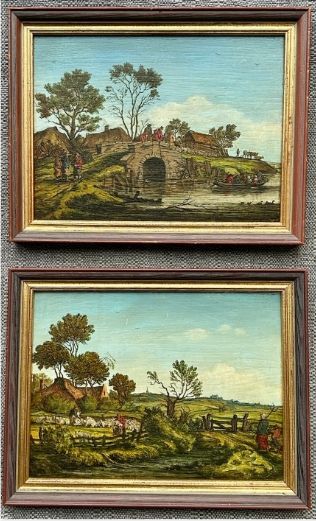
The selections on this page include oil paintings on canvas, panel or board, alongside watercolours on paper. Subjects range from cattle herding and harvest scenes to quiet village pathways.
Most examples originate from British and European schools, reflecting regional topography and local agricultural life. Formats vary from intimate watercolours to framed oils suitable for principal rooms.
How they were made
Artists painted primarily with oil or watercolour pigments applied to stretched canvas, wooden panels, card or heavy paper. Wooden supports often provide a rigid ground for detailed oil applications.
Watercolours rely on transparent washes built upon textured paper to capture daylight across fields and rivers. Oil paints permit heavier impasto and blended layers, allowing depth in skies and foliage.
Listings feature works from the nineteenth and early twentieth centuries, executed in oil and watercolour on canvas, paper and wood.
What varies in quality
Brushwork confidence and handling of natural light distinguish stronger compositions from simpler amateur efforts. Masterly command of atmospheric perspective creates convincing distance in distant hills and cloud formations.
The fidelity of animal and human anatomy within the landscape separates accomplished academic painters from lesser practitioners. Preservation of the original pigment surface and framing integrity also influence overall standing.
William Langley·Thomas Rowden·George Whitton Johnstone·George Graham·W Klombeck·Percy Lancaster·William Howard Hardy·A Marie Parsons·William Joseph Shayer Senior·John McDougal·EJ Letheren·Robert Morson Hughes·Robert A Nottingham·David Bates·Charles Houben·Th Thibault·John Horace Hooper·Raymond Booth·Eric Brown·Ernest Higgins Rigg·George Oyston·Frederick James Kerr·Edgar Hunt·Umberto Volpato·William Greaves
The Original Rural Painting Glossary
- Impasto
- Paint applied thickly to a canvas or board so that it stands proud of the surface. This technique adds tactile dimension to highlights on water or foliage.
- Provenance
- The documented history of ownership attached to a work of art. Clear records help establish authenticity and past exhibition history.
- Panel
- A rigid wooden support used by artists instead of canvas. Oak, mahogany and pine boards frequently serve this purpose in earlier works.
- Wash
- A thin, semi-transparent layer of diluted watercolour paint. Artists use broad washes to establish expansive skies and open fields.
Original Rural Painting: Frequently Asked Questions
How do I care for antique watercolours?
Keep watercolours away from direct sunlight to prevent the pigments from fading over time. Glazing with conservation glass also protects the paper from ultraviolet degradation.
Maintain stable humidity levels in the room to avoid warping the paper or encouraging mould growth behind the mount. Professional framing checks every few decades ensure the backing boards remain acid-free.
What defines the Barbizon influence?
The Barbizon approach emphasises direct observation of nature, often capturing working farmyards and unidealised countryside. Painters influenced by this school worked outdoors to record changing light directly.
Earthy palettes and loose brushwork characterise these rural compositions. They prefigure later impressionistic treatments of landscape subjects.
How do I distinguish canvas from panel?
Canvas yields slightly under gentle pressure and reveals a woven texture upon close inspection. Wooden panels offer firm, unyielding resistance.
Panels often show grain patterns or wood preparation marks on the reverse. Both supports require specific framing environments to prevent structural stress.