

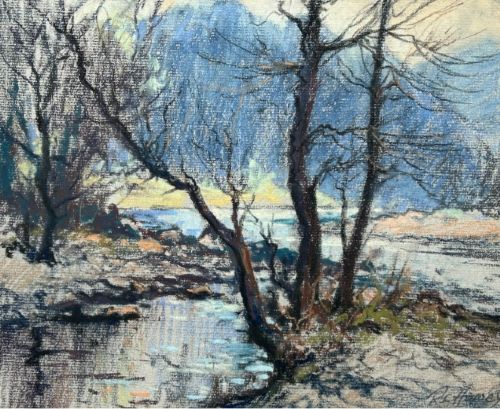
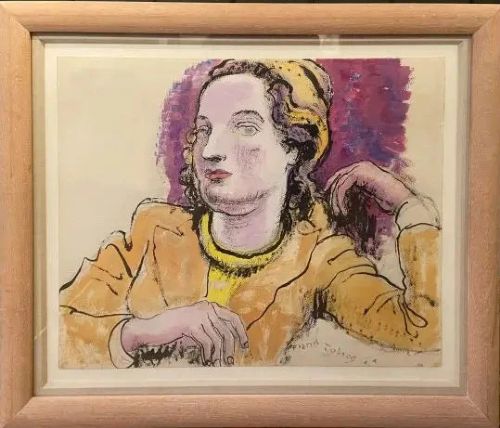
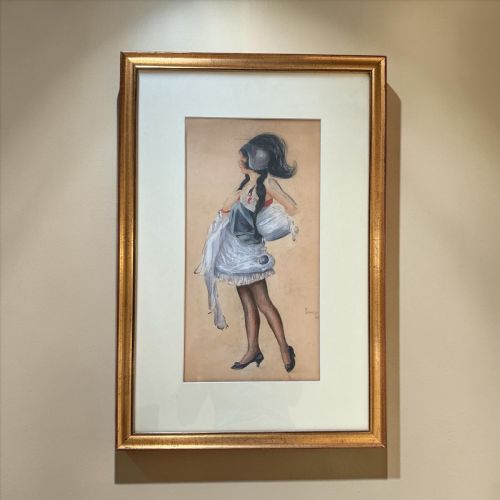
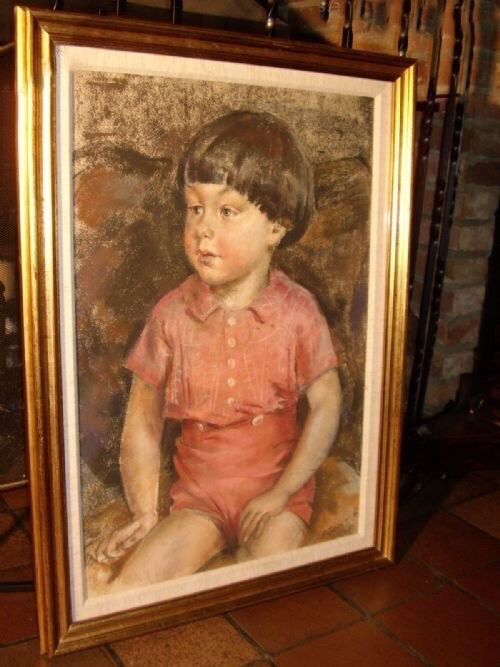
Original Pastel Art
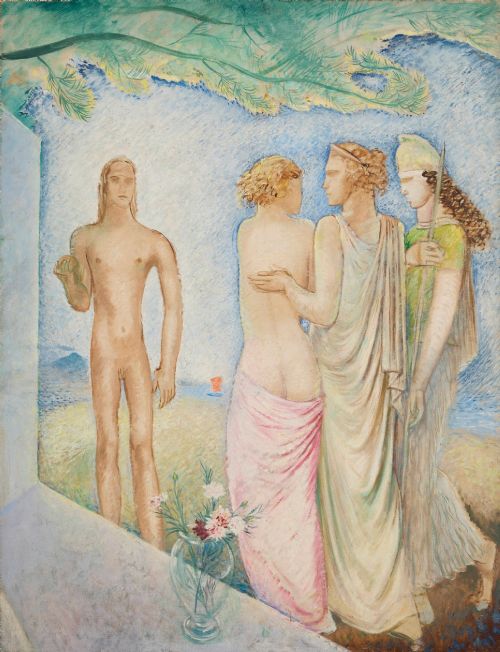
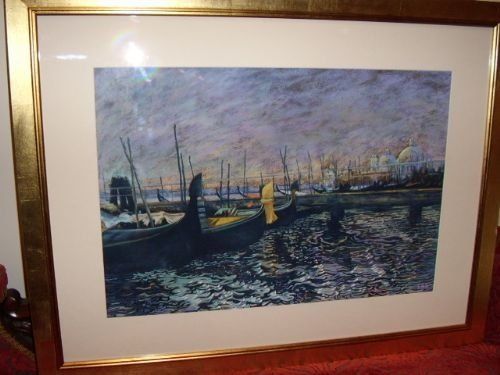
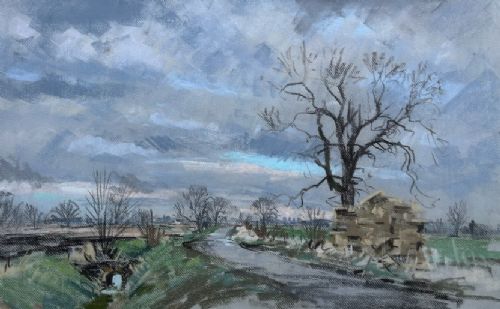
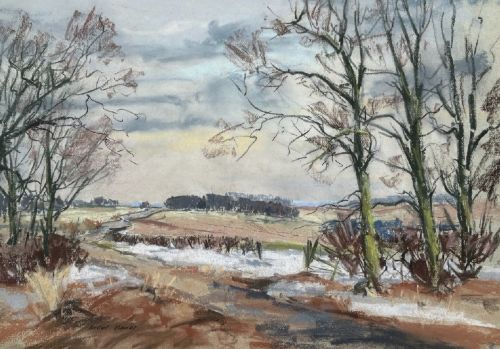
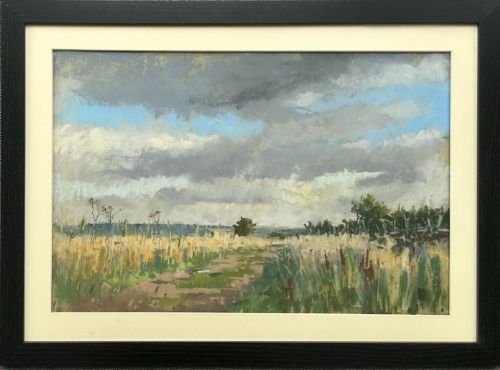
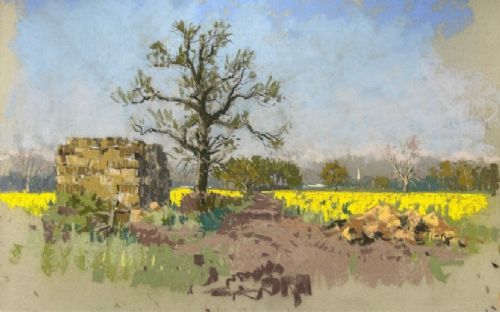
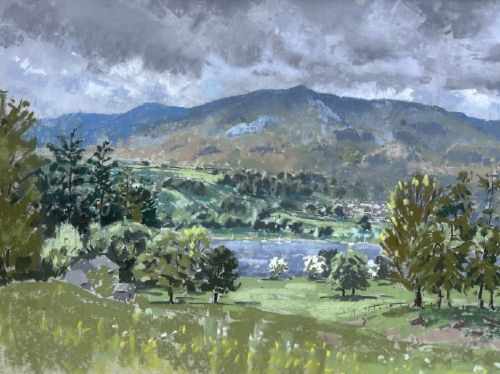
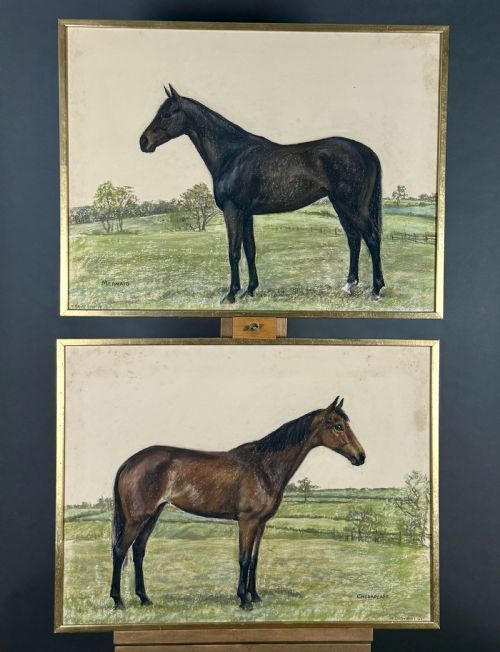
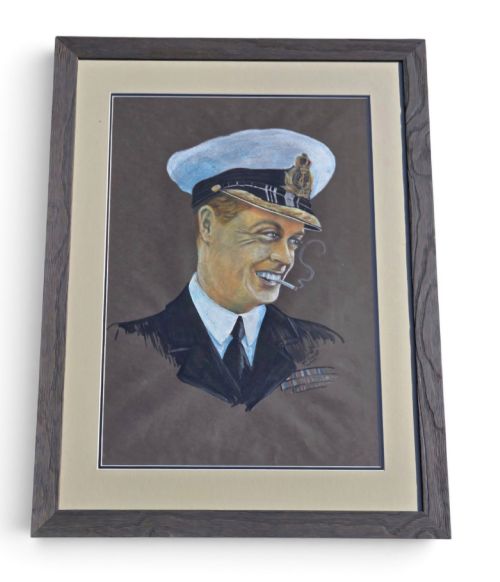
Original pastel art brings together tactile pigment and paper from the Edwardian era through the mid-twentieth century, capturing land, portraits, and animals.
Original Pastel Art
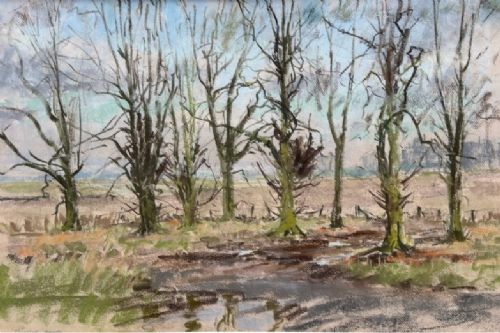
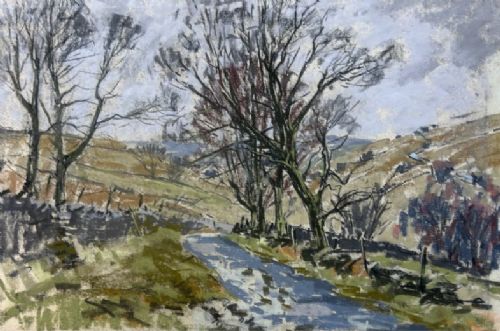
Original pastel art encompasses unique works executed on paper or coloured paper using dry or oil-based mediums, preserving the immediate hand of the artist. Buyers seeking original pastel art encounter landscapes, portraits, and animal studies spanning Victorian times to the mid-twentieth century. The selection leans heavily toward mid-century British landscapes and characterful portraiture.
Works appear in various styles including British Impressionism, Post-Impressionism, Modern British, and Art Deco. Forms range from intimate framed drawings to large statement pieces preserved under glass in wood frames.
Materials and execution
Artists executed these works primarily with pastel, chalk, and charcoal applied directly to paper supports, sometimes combining gouache, watercolour, or ink pen. The dry pigment particles sit on the surface of the paper rather than soaking deep into the fibres, which accounts for the powdery brilliance characteristic of the medium.
Framing under glass served to protect the delicate pigment layers from disturbance and moisture over the decades. Walnut and other wood mouldings commonly house these drawings, alongside backing that secures the paper.
Original Pastel Art Retail Price Guide 2026
Typical asking prices for original pastel art among the pieces listed under this phrase on Sellingantiques today, from the lower quarter to the upper quarter. They describe what is for sale here now, not the wider market.
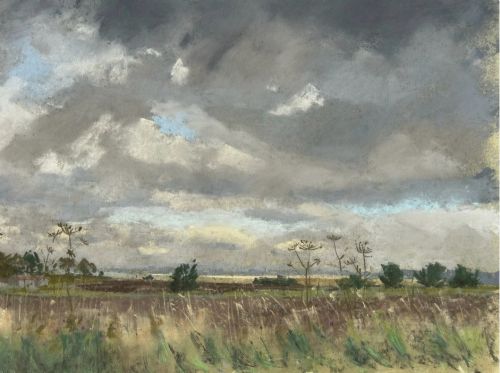
Cats, dogs, horses, and even an aristocratic portrait of Edward VIII rub shoulders with bustling city streets and stormy Yorkshire skies.
Quality and execution
Quality rests upon the sureness of the draughtsmanship and the artist's command of light and form within the composition. Stronger pieces display confident handling of tone in landscapes or expressive character in portraits, rather than laboured blending.
The preservation of the pigment layer significantly affects the standard of a piece, as undisturbed pastel retains its original vibrancy. Signed works by noted artists command greater attention from collectors.
Angus Rands·Frank Dobson·Samuel Rabin·John Rattenbury Skeaping·Cecil Charles Windsor Aldin
The Original Pastel Art Glossary
- Pastel
- A dry painting medium composed of powdered pigment and a binder, shaped into sticks. It allows for direct application of vibrant colour onto paper.
- Gouache
- An opaque water-based paint frequently used alongside pastel and watercolour to build highlights and solid areas of tone.
- Chalk
- A soft, earthy drawing material used either alone or beneath pastel layers to establish preliminary lines and structure.
- Support
- The physical surface, typically paper or coloured paper, upon which the artist applies the pastel and related mediums.
- Fixative
- A liquid sprayed onto a finished pastel drawing to bind the loose pigment particles to the paper and prevent smudging.
Original Pastel Art: Frequently Asked Questions
Where should I hang pastel drawings?
Hang these pieces away from direct sunlight to prevent the dry pigments and coloured paper supports from fading over time. Stable indoor humidity also protects the paper from warping.
Interior walls with indirect light suit these framed works best, ensuring they remain visible without suffering environmental degradation.
How do I identify the period of a pastel?
Examine the framing materials, backing papers, and any signatures or dates recorded on the front or verso. Mid-century works often feature distinct framing styles and modernist subject matter compared to Edwardian or Victorian pieces.
Researching the artist named on the work provides a reliable date range for when the piece was executed.
Can pastels be restored if damaged?
Professional paper conservators can stabilise flaking pigment or repair torn paper supports using specialist techniques. Intervention must be minimal to preserve the artist's original touch on the paper.
Consulting a specialist accredited in graphic art conservation ensures the work receives appropriate care without altering its historical character.