






Original Paint Chairs
Original paint chairs are surface-preserved seating pieces retaining their early pigment, offering buyers authentic historic character.
Original Paint Chairs
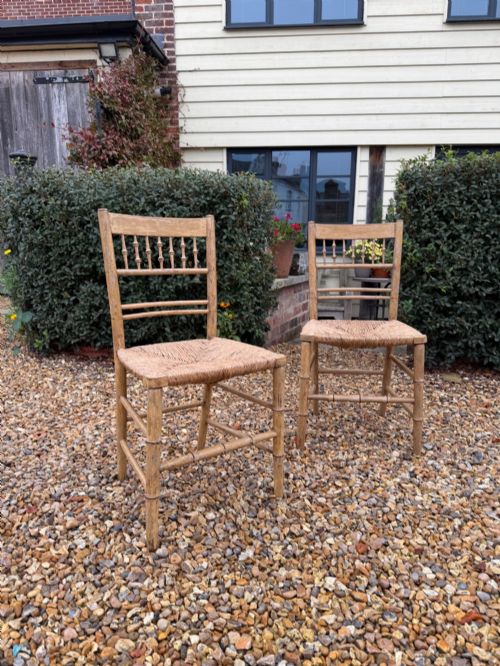
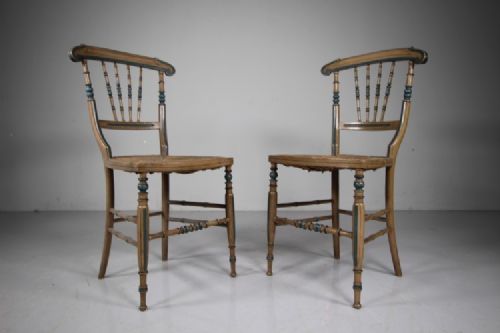
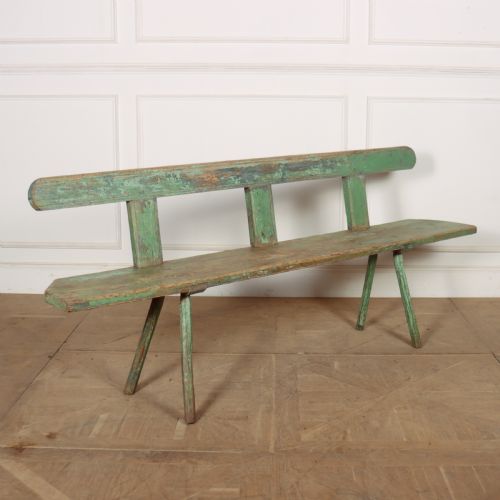
Original paint chairs span armchairs, side chairs, benches, and rocking chairs originating from periods including the eighteenth, nineteenth, and early twentieth centuries. These pieces display surface finishes applied during their initial production rather than later modern restorations.
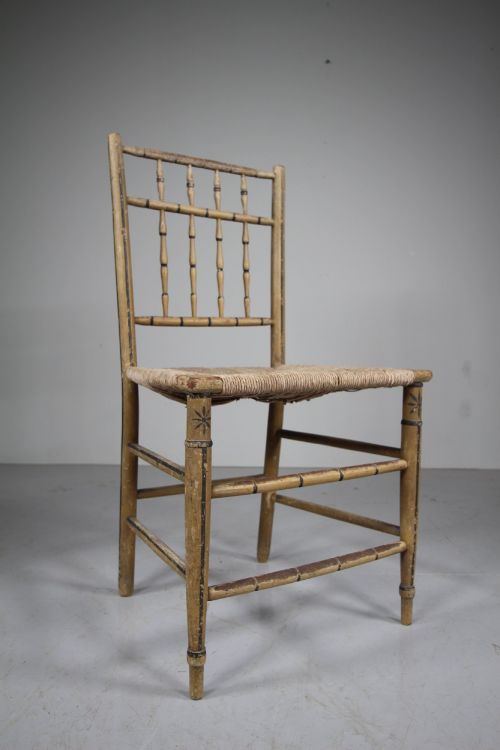
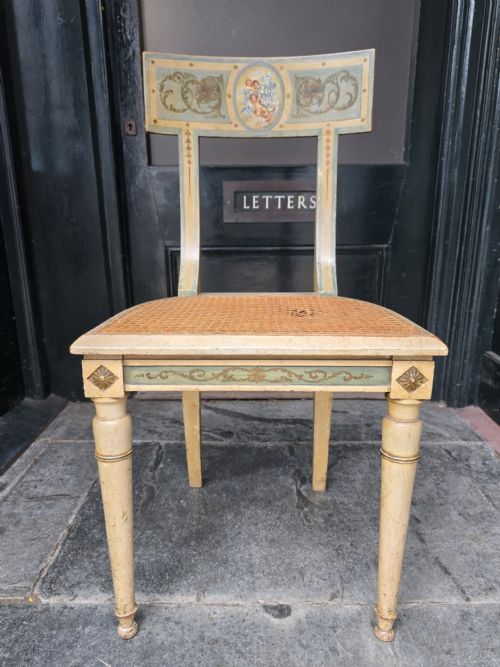
Construction materials involve woods such as beech, pine, and mahogany, often paired with cane, rush, or fabric elements. Surface decoration includes traditional schemes like scumble paint and decorated wooden frames.
How They Were Made
Maker construction relies on traditional timber framing using woods like beech and pine for structural support in chairs and benches. Artisans shaped these materials into hoop backs, tub forms, and framed upholstered seats.
Surface coatings consist of direct paint applications, sometimes featuring scumble techniques or decorative detailing over the wooden substrate. Seating areas frequently incorporate woven cane, natural rush, or textile coverings integrated into the frame.
Original Paint Chairs Retail Price Guide 2026
Typical asking prices for original paint chairs among the pieces listed under this phrase on Sellingantiques today, from the lower quarter to the upper quarter. They describe what is for sale here now, not the wider market.
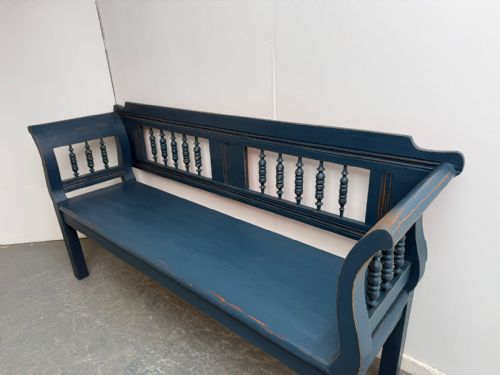
One unexpected Hungarian bench arrives clad in an amazing painted blue finish.
What Varies in Quality
Quality differences stem from the integrity of the surviving surface layer and the sophistication of the original decoration. Pieces retain varying degrees of early pigment wear that reveal the underlying wood or earlier priming layers.
The refinement of the underlying form distinguishes standard country vernacular pieces from high-style Regency or French court seating. Construction joinery and the survival of original integrated elements like rush or cane seats further separate examples across the range.
The Original Paint Chairs Glossary
- Scumble paint
- A decorative surface technique involving translucent glaze manipulated over a base coat to simulate grain or texture. This finish appears on Victorian side chairs.
- Bergere
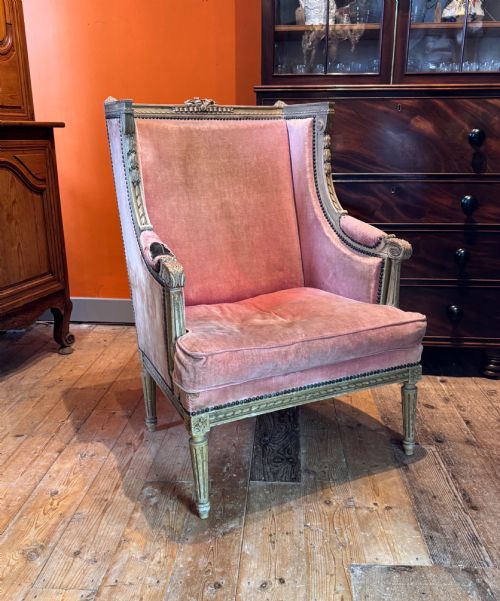
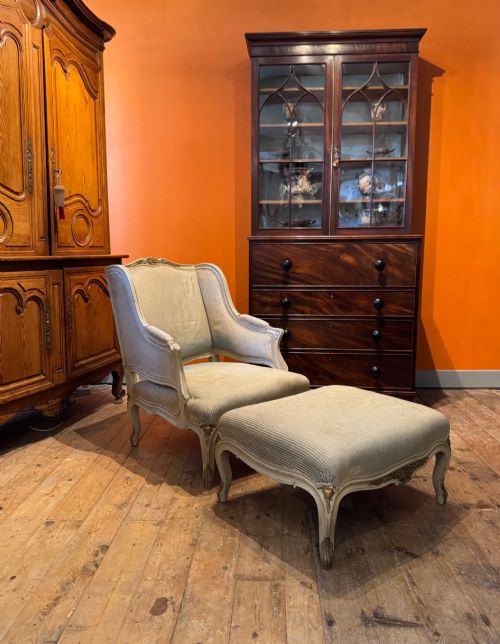
- An enclosed upholstered armchair with wooden framing exposed around the sides and back. These French seats often feature original paint finishes.
- Hoop back
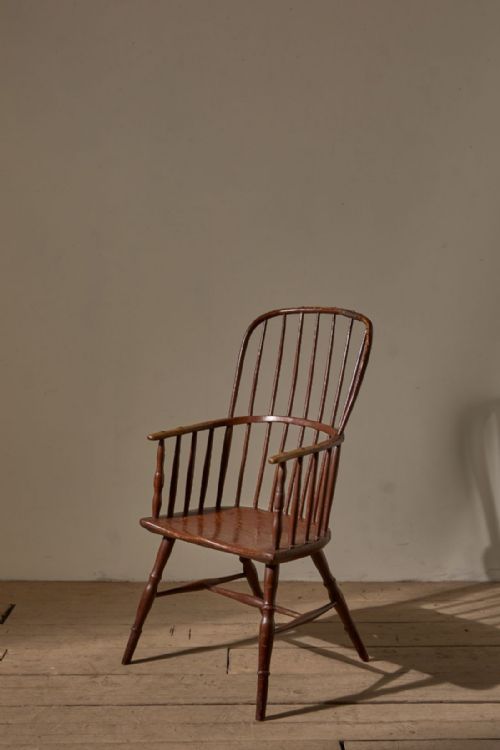
- A continuous curved wooden bow forming the backrest and arm supports of Windsor chairs. This construction supports an eighteenth-century brown painted example.
- Fauteuil
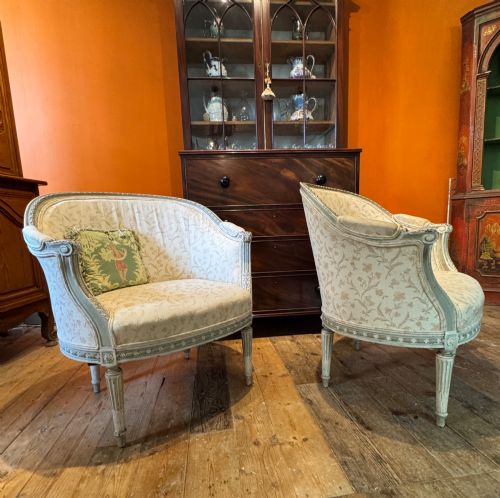
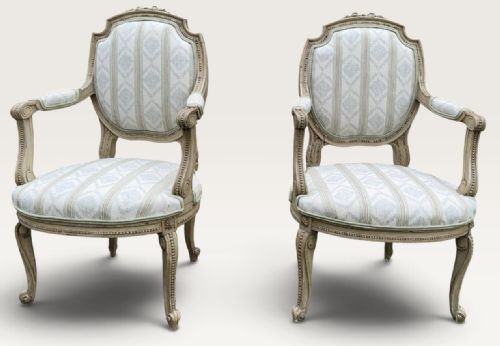
- An open-armed French armchair with an exposed wooden frame. Pairs of these chairs appear in nineteenth-century painted formats.
Original Paint Chairs: Frequently Asked Questions
What is an original paint chair?
An original paint chair retains the decorative or protective surface coating applied when it was first manufactured. These finishes have survived without being stripped or repainted in later centuries.
Such surfaces show authentic wear patterns and patination that modern refinishing cannot replicate. They provide a direct record of historic interior decoration.
How do I care for original paint?
Maintenance requires keeping painted wooden furniture away from direct sunlight and fluctuating humidity. Gentle dusting with a dry cloth prevents surface accumulation without damaging the pigment.
Avoid liquid cleaners, polishes, or abrasive materials that can lift historic paint layers. Stable environmental conditions preserve the remaining decoration.
Are painted chairs durable for daily use?
Sturdy construction from timbers like beech and pine allows these chairs to function well in everyday settings. The durability depends primarily on the structural joinery rather than the painted surface.
Careful placement helps protect fragile painted areas from knocks and friction. Many antique examples continue to serve as functional seating.
How are different periods identified?
Dating relies on stylistic markers such as the carved details of Regency frames or the vernacular forms of country pieces. Materials like pine, beech, and mahogany also offer clues to the era of production.
Paint characteristics and joinery methods help distinguish eighteenth-century items from nineteenth-century or Edwardian examples. Each period utilises distinct proportions and decorative vocabulary.