






Original Oil on Canvas Art
Original oil on canvas art offers a tangible link to centuries of painting tradition, prized for the rich texture and depth that only pigmented oils applied to woven fabric can achieve.
Original Oil on Canvas Art
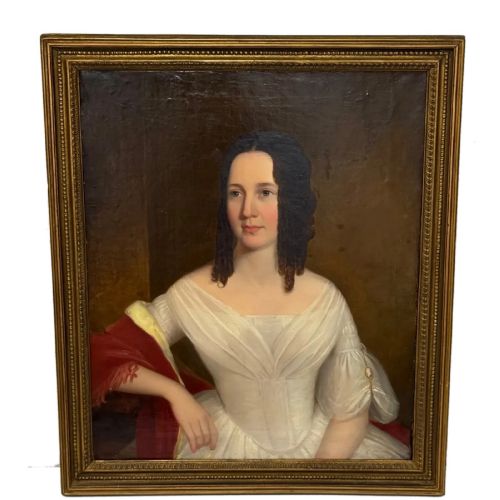
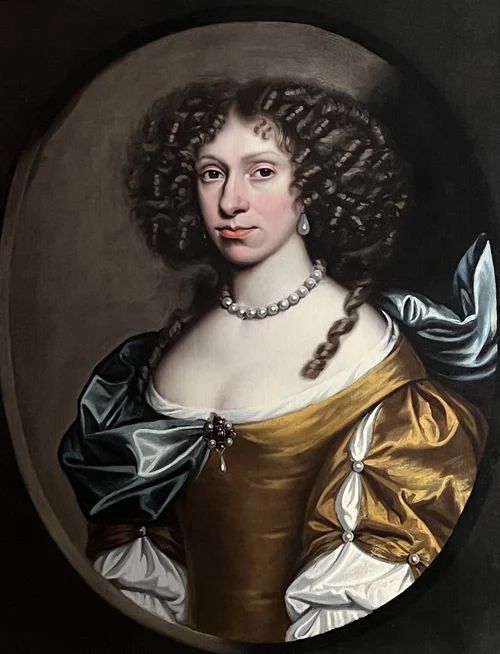
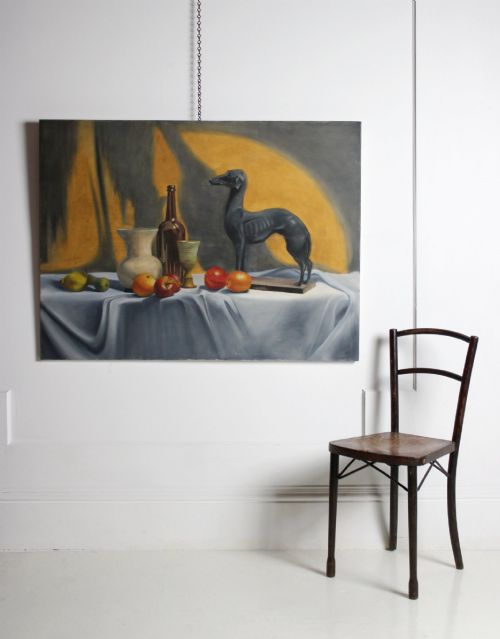
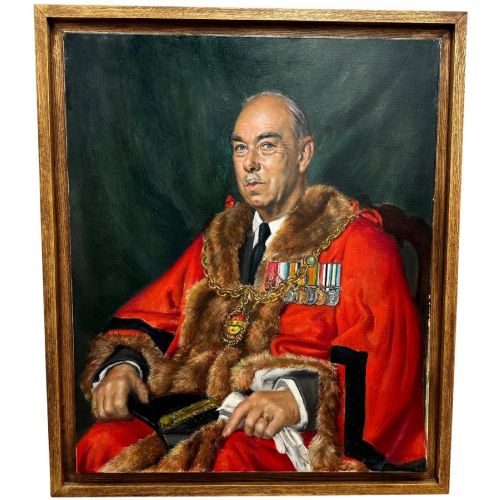
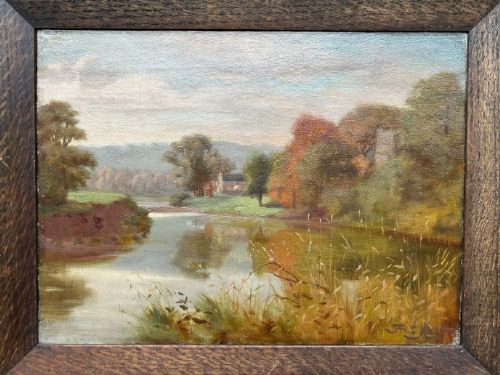
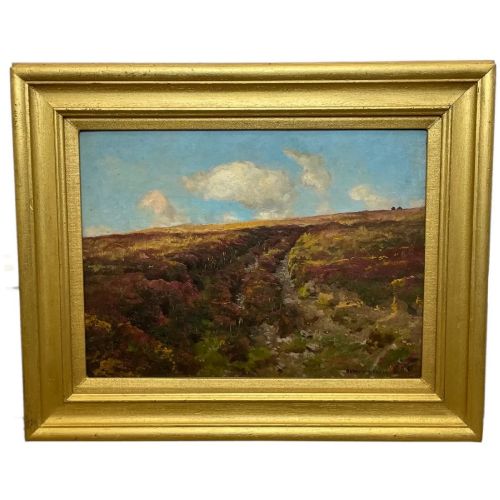
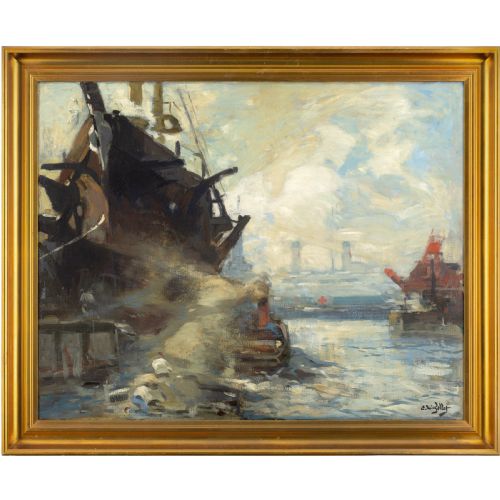
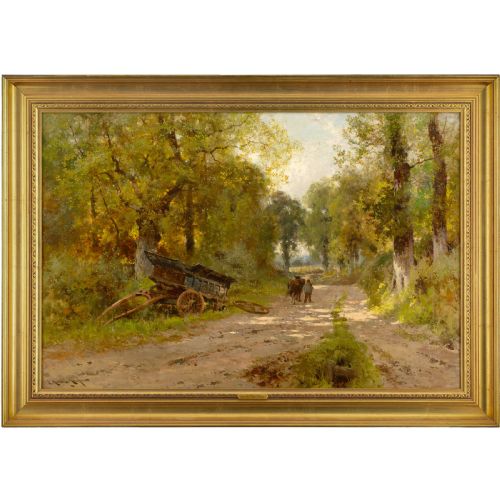
Original oil on canvas art spans centuries of creative expression, ranging from formal eighteenth-century portraiture to mid-twentieth-century maritime and domestic scenes. Buyers examining these pieces encounter varied subjects such as serene rural landscapes, floral still lifes, and detailed human portraits.
The selection includes works from recognised British and European art schools, reflecting distinct regional movements from Victorian landscapes to Post-Impressionism. Canvases arrive in various formats, from intimate oval sea views to expansive framed portraits.
How they were made
Artists built these works by applying oil paint directly onto stretched woven canvas, sometimes utilising wooden stretchers and supportive board foundations. Pigments were layered to create depth, occasionally finished with visible impasto strokes or fine glazes.
Many surviving examples retain their period enclosures, incorporating carved wood, gesso, and gilt frames that complement the painted surface.
Several canvases capture the solemn gaze of merchant captains, mayors, and noblewomen who likely sat for hours smelling fresh linseed oil.
What varies in quality
The standard of execution depends on the artist's brushwork control, anatomical precision in portraits, and the successful rendering of light and atmospheric perspective in landscapes. Superior examples demonstrate confident handling of pigment and harmonious colour relationships.
The integrity of the original support material and the craftsmanship of the accompanying giltwood or gesso frame also influence the overall standing of an artwork.
David Scougall·John Hayls·Charles Jervas·Lemuel Francis Abbott·John Nost Sartorius
The Original Oil on Canvas Art Glossary
- Impasto
- Paint applied thickly to a canvas, standing out in relief from the surface so that the brush or palette knife marks remain visible. This technique adds tactile dimension to the artwork.
- Gesso
- A plaster-like mixture applied to wood or canvas as a prepared base for painting, or used to mould decorative details on frames. It provides a smooth foundation for subsequent layers.
- Giltwood
- Wood that has been coated with thin gold leaf or a metallic substitute. It is frequently found on the ornate frames housing antique paintings.
- Provenance
- The chronological documentation showing the custody, ownership, or location of a historical artwork. Clear records help establish authenticity and history.
Original Oil on Canvas Art: Frequently Asked Questions
How do I date an oil painting?
Dating relies on stylistic clues, costume details in portraits, stretcher construction methods, and artist signatures or exhibition records. Pigment analysis and canvas types also offer chronological markers.
Comparing the handling of light and subject matter to documented works from specific periods helps narrow down the decade of creation.
Are all these paintings on canvas?
While the majority utilise woven canvas stretched over wooden frames, some historic works employ alternative supports such as wooden panels or board.
Descriptions specify the exact foundation material used by the artist, distinguishing fabric supports from rigid surfaces.
How should I care for an oil painting?
Keep paintings away from direct sunlight, extreme temperature fluctuations, and high humidity to prevent canvas slackening and paint cracking. Dust the surface gently with a soft, dry brush.
Avoid using water or chemical cleaners on the paint layer or the surrounding antique frame.
Do the frames come with the art?
Most listings include the period frame mentioned in the description, whether it is a simple wood moulding or an ornate gilt gesso design.
These enclosures are often contemporary to the painting or added during its historical lifetime, contributing to the complete object.