

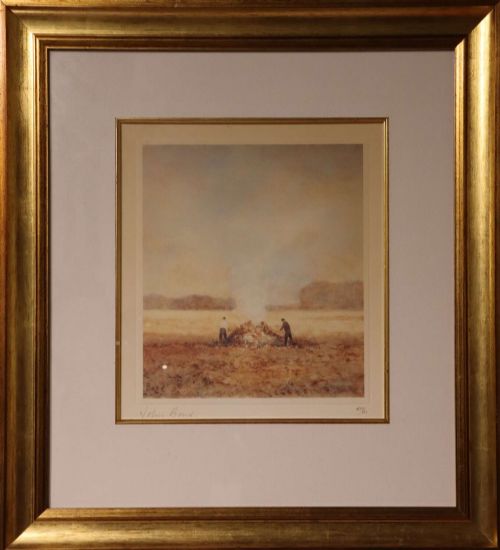
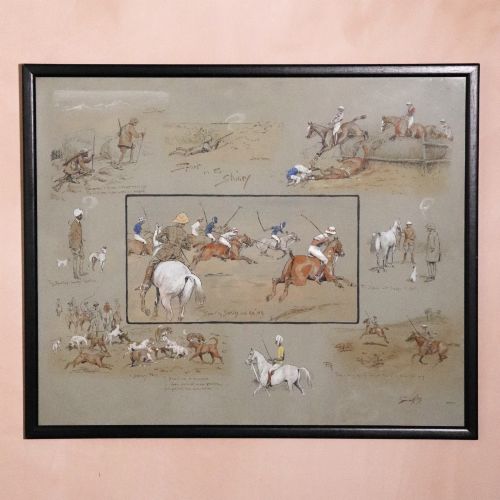
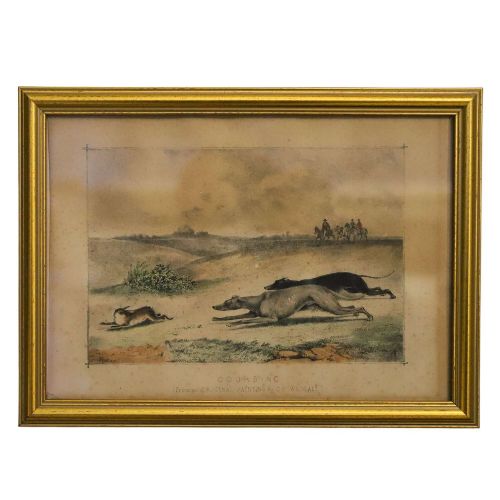
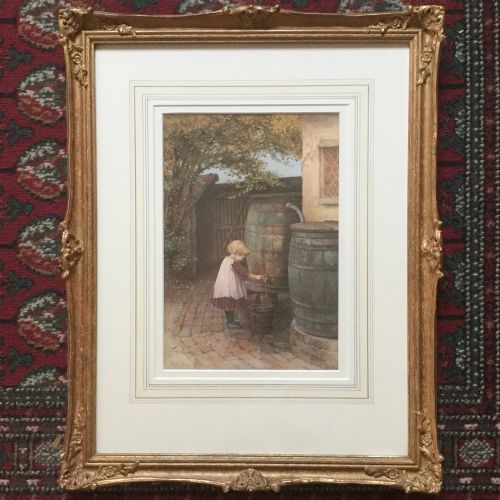



Original Lithograph Art
Original lithograph art brings together ink and paper from the nineteenth and twentieth centuries, offering a direct record of past printmaking skill.
Original Lithograph Art
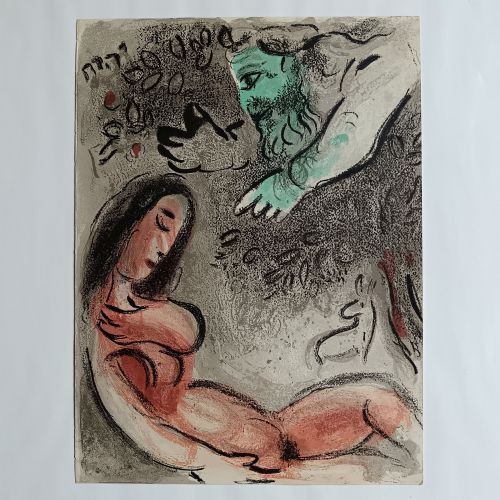
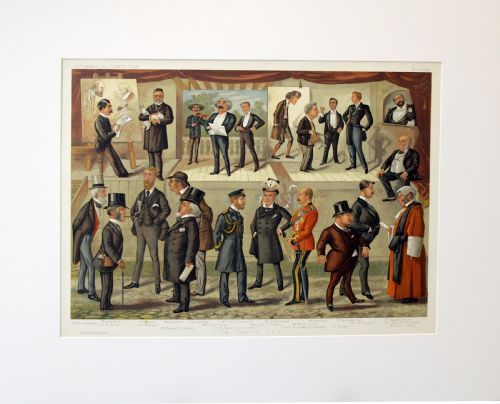
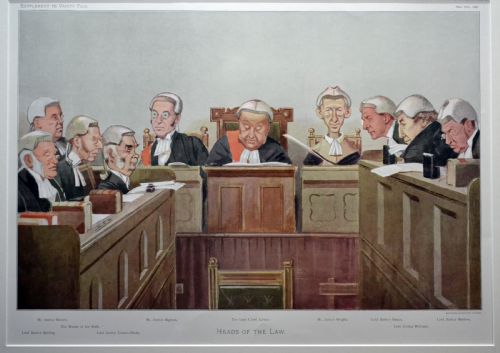
Original lithograph art encompasses printed works produced directly from stone or metal plates during the nineteenth and twentieth centuries. These pieces span periods from Victorian publications and Edwardian caricatures to mid-century modern compositions and contemporary British prints.
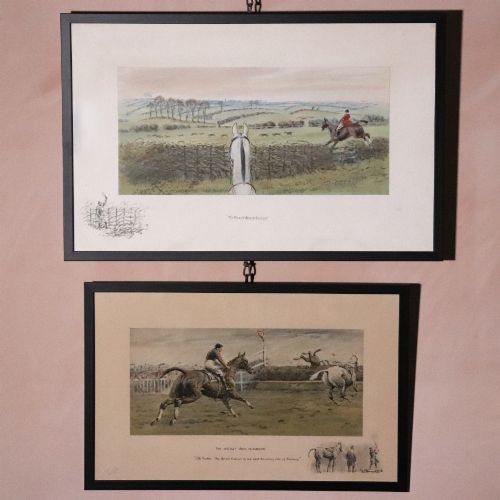
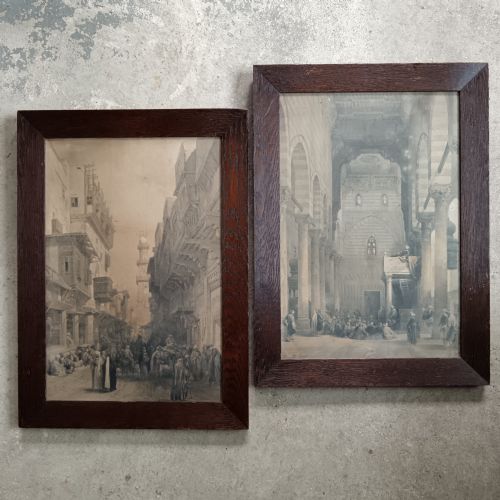
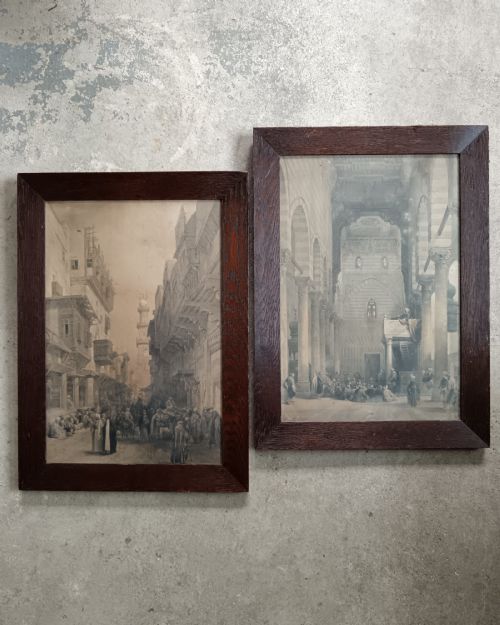
Buyers encounter diverse subjects, including British sporting scenes, theatrical portraits, architectural views of Cairo, and advertising posters. Formats range from single framed prints to double-page periodical spreads and limited editions.
Materials and production methods
The process relies upon lithographic ink applied to prepared surfaces, sometimes augmented with pastel or charcoal directly on the paper support. Printers exploited the chemical antagonism between grease and water to transfer images onto paper sheets.
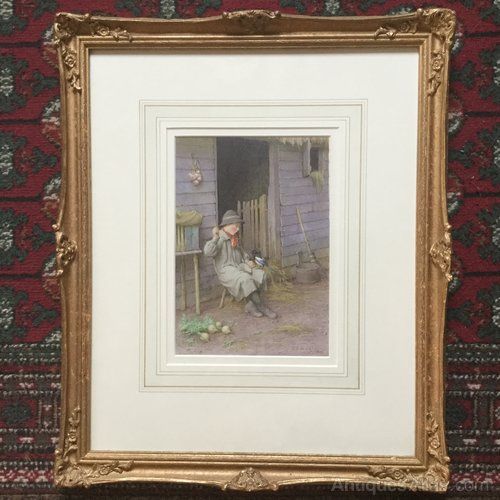
Framing materials such as oak and gilt wood protect the works, while glass provides a barrier against environmental damage. Original mountings, including those by period frame makers, maintain the historical integrity of the pieces.
Original Lithograph Art Retail Price Guide 2026
Typical asking prices for original lithograph art among the pieces listed under this phrase on Sellingantiques today, from the lower quarter to the upper quarter. They describe what is for sale here now, not the wider market.
Listings feature paper, ink, lithographic ink, gilt wood, and oak across Victorian, Edwardian, and mid-century periods.
Distinctions in quality and execution
Quality rests upon the crispness of the ink impression and the preservation of the paper sheet against toning and fading. Fine prints retain the subtle tonal gradations intended by the artist and printer.
The survival of original framing, publisher marks, and associated documentation adds historical depth. Works that retain their full margins and authentic colours stand apart from trimmed or heavily restored examples.
Marc Chagall·John Bond·C. H. Weigall·David Roberts·Louis Haghe·Charles Edward Wilson·John Merrifield·Sonia Lawson·Henri Joseph Harpignies
The Original Lithograph Art Glossary
- Chromolithograph
- A colour lithograph produced using multiple stones, one for each ink hue. This technique allowed for vibrant, multi-coloured illustrations in nineteenth-century periodicals.
- Lithographic ink
- A greasy substance used to draw upon the printing matrix. It attracts further ink during the printing process while repelling water.
- First folio
- An initial publication grouping of large-format plates. These sets often preserve plates in superior condition due to protected storage.
- Limited edition
- A restricted run of prints numbered and signed by the artist. Such works establish a defined limitation on the total impressions pulled from the plate.
Original Lithograph Art: Frequently Asked Questions
What is an original lithograph?
An original lithograph is a print pulled from a stone or plate prepared by the artist or under their direct supervision, rather than a modern photographic reproduction.
The process captures the direct touch of the draftsman through greasy ink applied to the printing surface.
How should I frame these prints?
Framing should incorporate acid-free materials and UV-filtering glass to protect the paper and ink from degradation over time.
Maintaining a space between the glass and the print prevents moisture accumulation and preserves the surface texture.
How do I identify a period print?
Period indicators include paper characteristics, plate marks, typography, and framing methods typical of nineteenth and twentieth-century workshops.
Publishing details and contemporaneous stamps often provide reliable clues to the exact era of production.
Where were these artworks displayed?
Historical lithographs hung in domestic parlours, gentlemen's clubs, and public offices, reflecting the tastes of Victorian and Edwardian society.
Period advertising posters also appeared in public thoroughfares to promote commercial goods and theatrical productions.