




Original Ink and Watercolour
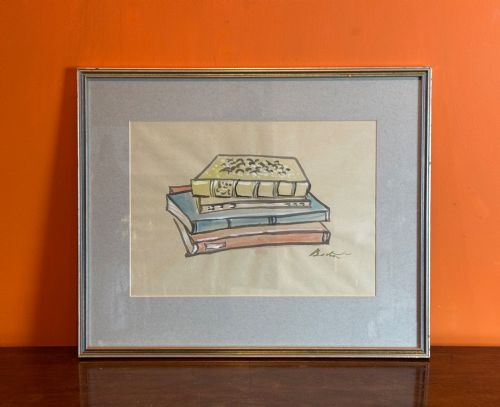
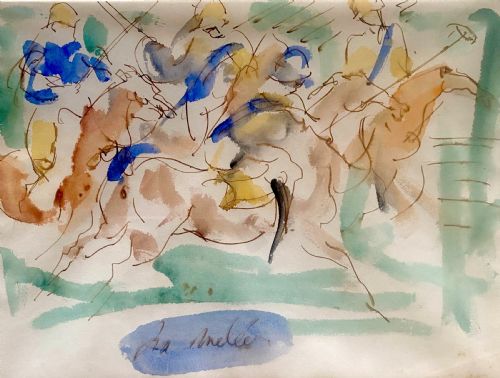
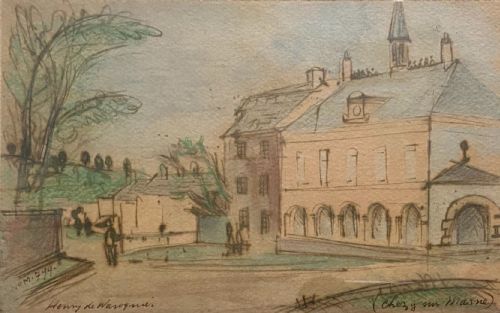
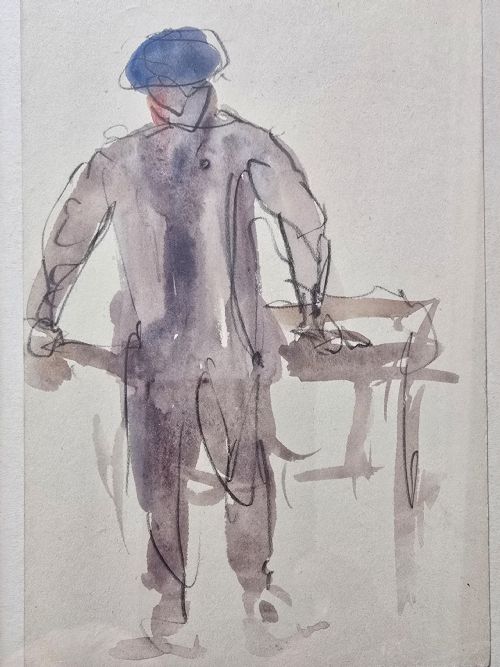
Original ink and watercolour brings together expressive graphic line and fluid washes on paper, offering an intimate window into the hand of the artist.
Original Ink and Watercolour
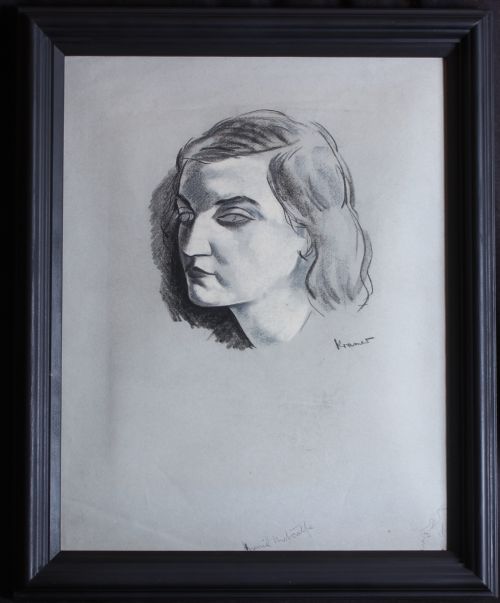
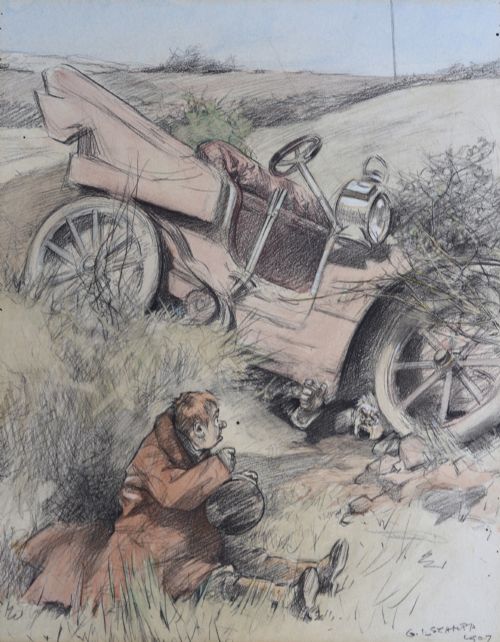
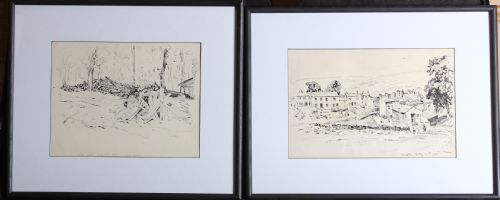
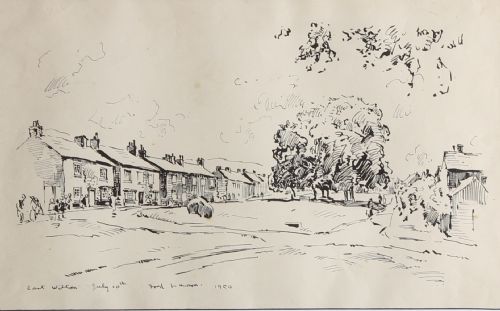
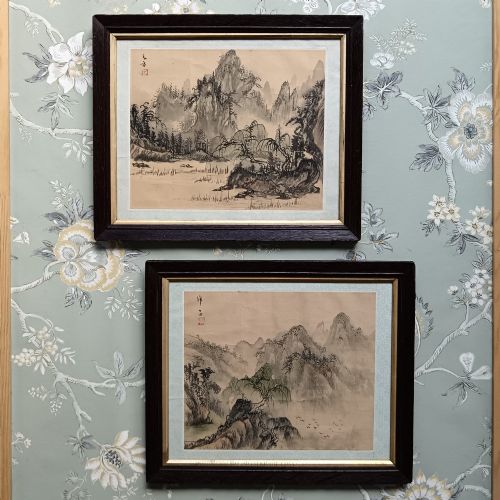
Original ink and watercolour works encompass drawings, landscape paintings, portraits and illustrations executed on paper surfaces. When searching this phrase, a buyer encounters everything from Georgian topographical sketches to mid-century British landscapes and traditional Chinese silk paintings.
The selections span centuries, featuring 18th-century equestrian scenes alongside 20th-century townscapes and coastal views. Works frequently take the form of framed artwork, offering immediate display options for collectors of works on paper.
How they were made
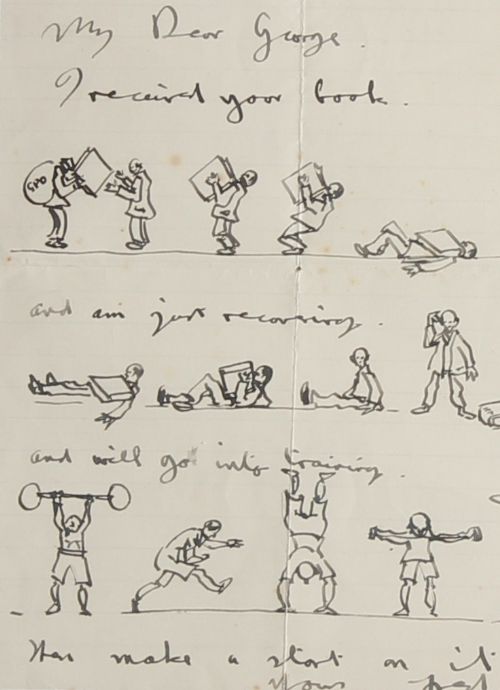
Artists built these pieces upon paper using a combination of pen and ink, sepia ink, and graphite pencil for foundational outlines. Transparent watercolour washes were then applied over dried ink lines to introduce tone and colour.
Support materials varied according to the period and region, ranging from standard paper sheets to silk and card. Frames commonly incorporate glass and wood to protect the delicate media from atmospheric moisture.
Original Ink and Watercolour Retail Price Guide 2026
Typical asking prices for original ink and watercolour among the pieces listed under this phrase on Sellingantiques today, from the lower quarter to the upper quarter. They describe what is for sale here now, not the wider market.
The listings span periods from the 18th century through to the 1960s, featuring British, French, American, and Chinese works.
What varies in quality
Quality rests upon the sureness of the draughtsmanship and the control of the pigment washes across the paper. An assured ink line combined with transparent, luminous colour demonstrates the maker's mastery.
Condition of the paper surface and preservation of the original pigments heavily influence the standing of a piece. Works retaining their initial vibrancy without heavy fading or excessive foxing represent the stronger examples.
Fred Lawson·George Lorain Stampa·Cecil Beaton·Michael Healy·Gen Paul·James Tower·Stanley Orchart·Edward Dayes·William Edward Frost·Thomas Rowlandson·YA MING·Johan Noah Bemmel·Kees van Dongen·Dame Laura Knight·Owen Bowen·Markey Robinson·Arthur E Gonne·John Thirttle·Claude Muncaster
The Original Ink and Watercolour Glossary
- Wash
- A thin, transparent layer of diluted watercolour or ink spread evenly across paper to create tone, shadow or atmospheric depth. It provides background atmosphere behind sharper pen lines.
- Sepia
- A dark brown pigment derived from the ink sac of the cuttlefish, widely used for monochrome and tonal landscape drawings. It produces warm, earthy tones distinct from standard black ink.
- Shan Shui
- A traditional Chinese style of painting featuring scenery or natural landscapes using brush and ink. These works typically focus on mountains, rivers and waterfalls.
- Work on paper
- A broad classification for fine art created on a paper substrate, including drawings, watercolours and mixed media sketches. This category groups delicate pieces requiring framing under glass.
- Pre-Raphaelite
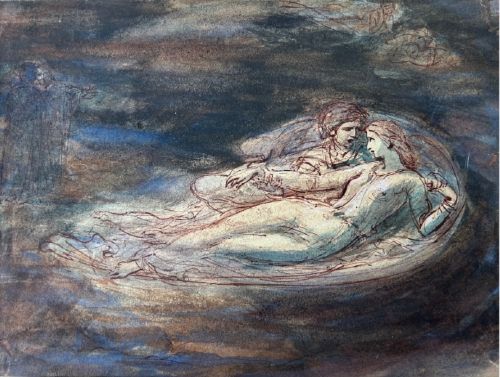
- An artistic movement associated with 19th-century British painting, noted for detailed observation, intense colours and complex literary or historical subjects.
Original Ink and Watercolour: Frequently Asked Questions
How should I frame original watercolours?
These pieces require professional framing behind glass with acid-free mounts to prevent the paper from touching the glazing. This barrier protects the delicate pigments from humidity and ultraviolet light.
Keeping works away from direct sunlight ensures the watercolour washes and ink lines retain their original tones over decades.
What is the difference between ink and wash?
An ink drawing relies entirely on pen lines or feathered marks to build form, shadow and detail without colour. Adding washes introduces diluted pigment or ink to create smooth tonal gradients.
Most pieces listed combine both techniques, using precise pen work for structure and fluid washes for atmosphere.
How do I date an antique watercolour?
Dating relies on stylistic clues, artist signatures, paper watermarks and period framing techniques. Georgian and 19th-century works often feature distinct paper weights and hand-written inscriptions.
Comparing signatures or stylistic movements like Modern British or Pre-Raphaelite provides a reliable window into the decade of creation.
Are these works always unique?
Every piece captured in these listings is a hand-drawn or hand-painted original rather than a printed reproduction. Artists created individual compositions directly onto paper, silk or card.
Even when an artist painted multiple views of the same castle or landscape, each sheet remains an independent creation.