
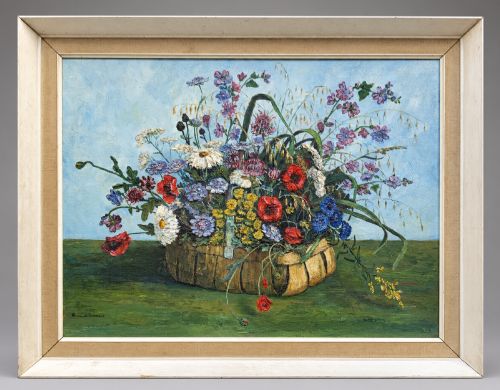
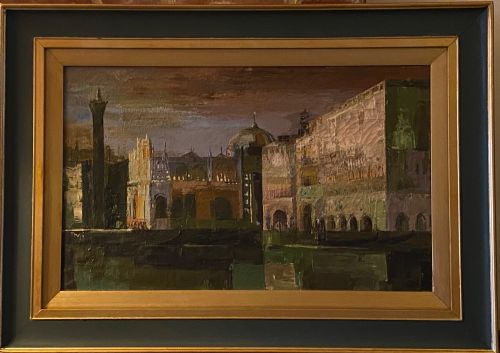
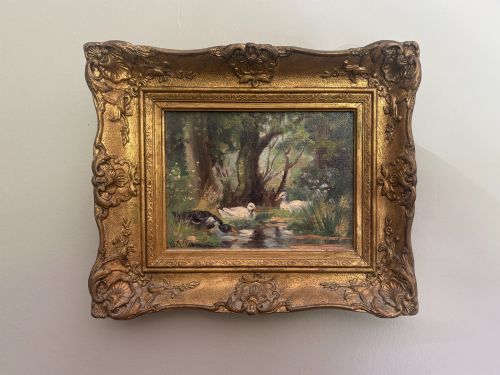
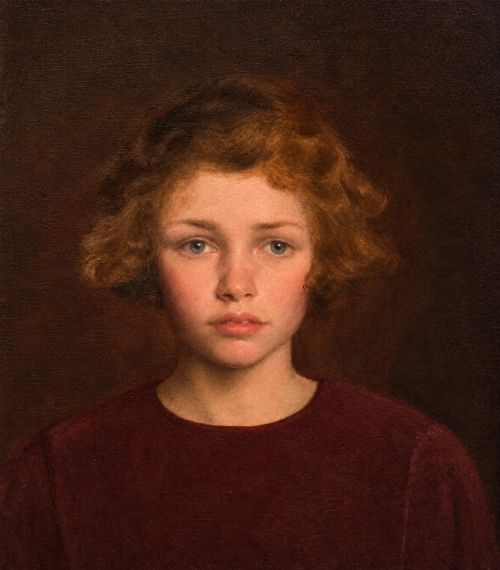

Original Impressionist Oil
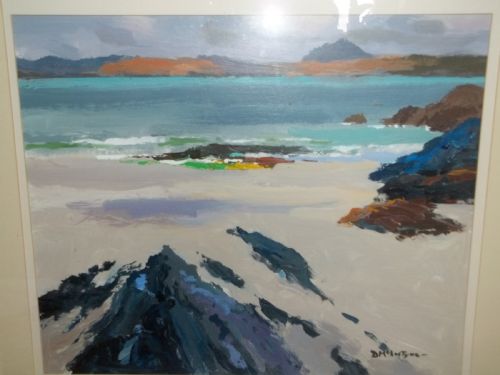
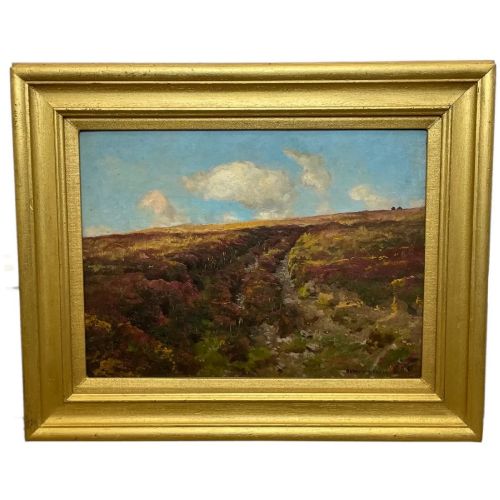
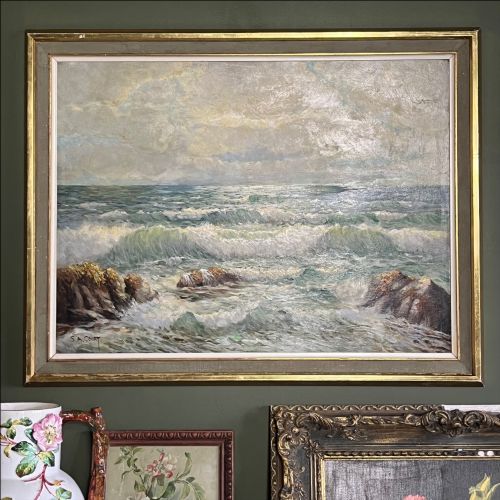
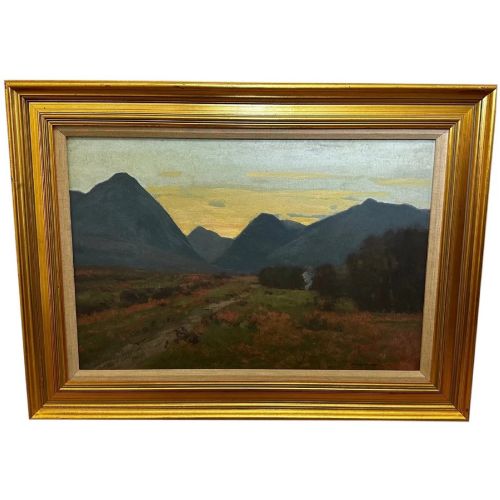
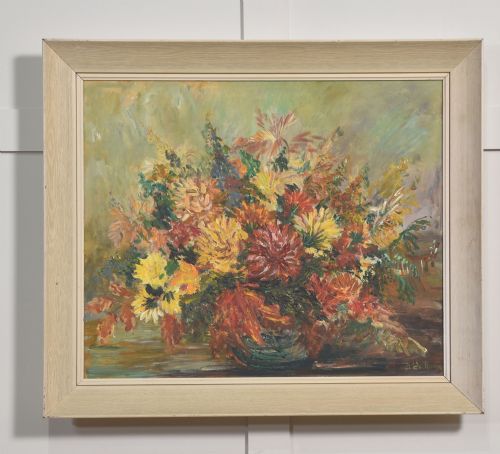
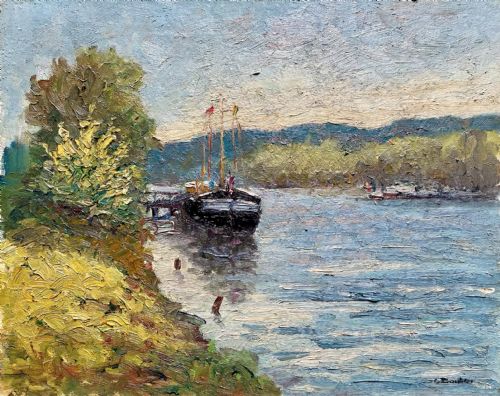
An original impressionist oil captures transient light and atmosphere through textured brushwork on canvas or board.
Original Impressionist Oil
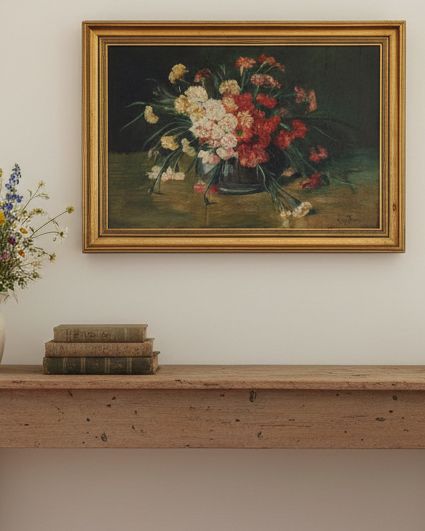
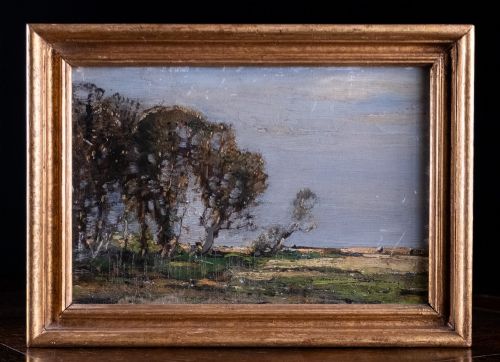
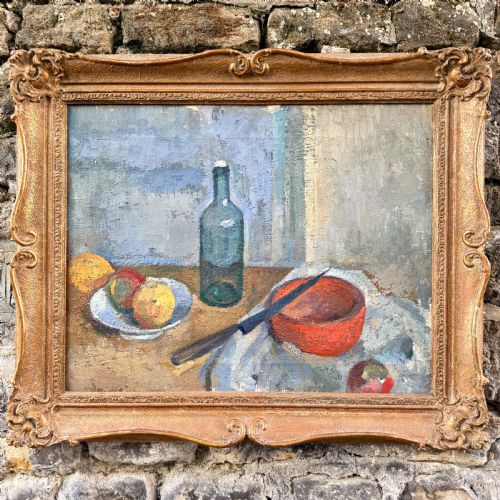
When searching for an original impressionist oil, buyers encounter works spanning from the nineteenth century through the mid-twentieth century, including British, French, Belgian, and Italian schools. These paintings depict landscapes, marine scenes, still lifes, portraits, and urban views created during periods such as the Edwardian era and the mid-century decades.
How They Were Made
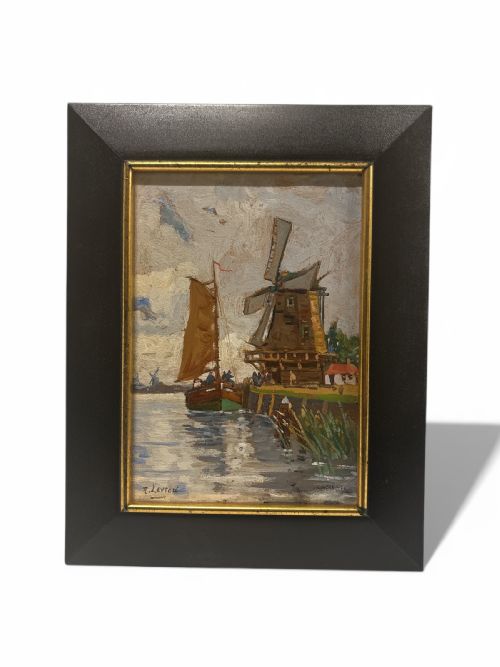
Artists applied oil paint using brushes or palette knives to build up impasto textures and layered colour upon supports like stretched canvas, wooden panels, and sturdy boards. This medium allowed painters to work en plein air to capture immediate atmospheric effects, natural light, and fluid brushstrokes.
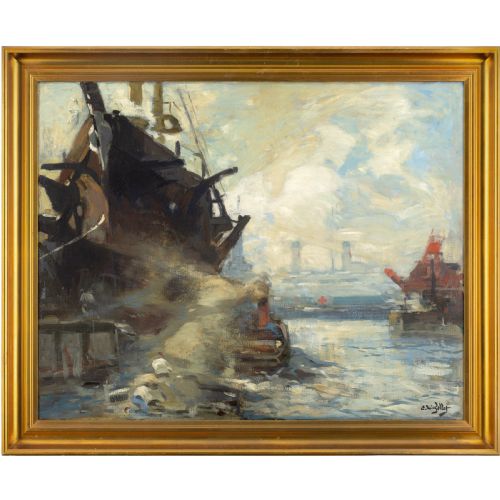
Finished works were frequently housed in decorative gilt frames that complemented the visual depth and palette of the individual oil painting.
A self-portrait by Gladys Marguerite Baker captures the artist holding her paint palette in 1920.
What Varies in Quality
The strength of an original impressionist oil rests upon the confidence of the brushwork and the artist's ability to render light and space effectively within the composition. Works by established or documented painters demonstrate a superior command of colour harmony and atmospheric perspective compared to anonymous school pieces.
Condition also distinguishes examples, as original surfaces retain their pigment vibrancy and texture without heavy overpainting, while period frames add integrity to the presentation.
George Graham·Clifford Hanney·Arthur Wardle·Eugène-Louis Gillot·Kershaw Schofield·George Houston·Robert Morson Hughes·Arthur Gué·Charles Houben·Antonio DeVity·Konstantin Stoitzner·Herbert Ashwin Budd·Ernest Higgins Rigg
The Original Impressionist Oil Glossary
- Impasto
- Thick application of oil paint that stands out from the surface, creating a textured three-dimensional effect. This technique allows brush or palette knife marks to remain visible to the viewer.
- En plein air
- The practice of painting outdoors to directly observe and capture the effects of natural light and weather on a subject. It became central to impressionist and post-impressionist working methods.
- Post-Impressionism
- An artistic movement developing from impressionism that extended its use of vivid colours and thick application while emphasising geometric forms or expressive content. Artists in this tradition pushed beyond direct visual observation.
- Gilt frame
- A protective wooden border coated with gold leaf or metallic paint, frequently original to the artwork. These frames enhance the visual presentation of nineteenth and twentieth-century paintings.
Original Impressionist Oil: Frequently Asked Questions
What subjects appear in these paintings?
The available artworks feature a wide variety of subjects including pastoral landscapes, coastal marine views, floral still lifes, and urban street scenes. Artists recorded rural life, rivers, harbours, and gardens across different European regions.
Many pieces document specific locations such as Cornwall, the Seine near Giverny, Venetian canals, and Dutch waterways, painted from direct observation.
How do I identify the date of a painting?
Dates are often established through artist biography records, exhibition labels on the reverse, or stylistic markers characteristic of specific decades from the nineteenth century onwards. Signatures and inscriptions by the artist provide primary clues for dating.
Materials such as board types and canvas preparations also offer physical evidence that aligns with known periods of production.
Where were these artists working?
The painters represented across the collection worked within various European and British art communities, participating in regional schools and exhibitions. Many travelled extensively to paint en plein air in coastal villages, rural farmyards, and urban centres.
Their works reflect the artistic networks and stylistic exchanges operating in Britain, France, Belgium, Italy, and Austria during the impressionist and post-impressionist periods.
How should I display an oil painting?
Display oil paintings away from direct sunlight and fluctuating heat sources to protect both the canvas support and the oil pigments from deterioration. Maintaining stable indoor humidity prevents warping in wooden panels and stretcher frames.
Matching the painting with an appropriate period frame helps preserve the structural edge of the canvas while complementing its visual style.