


Original Impressionist Fine Art
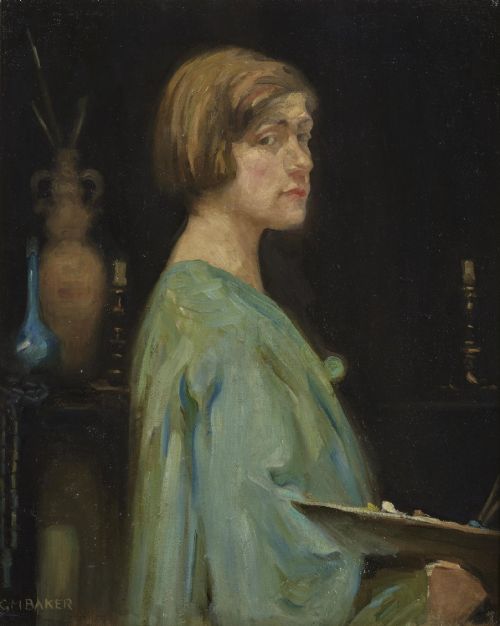
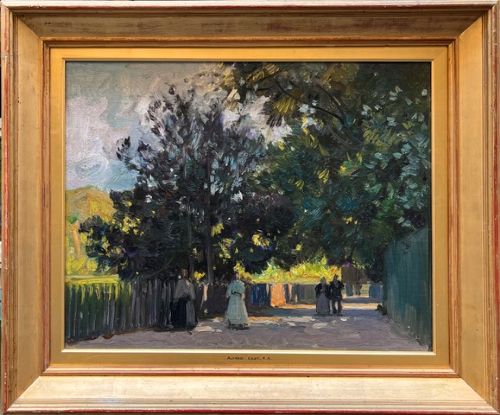
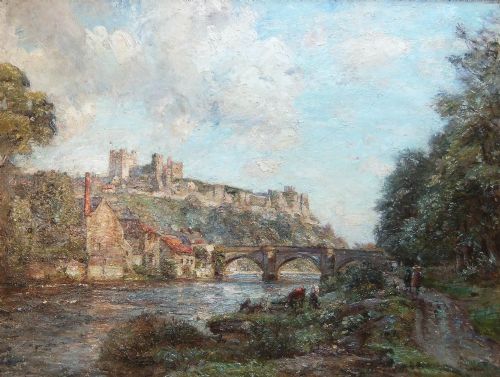
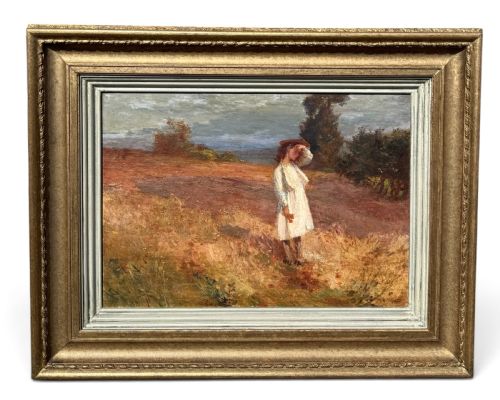
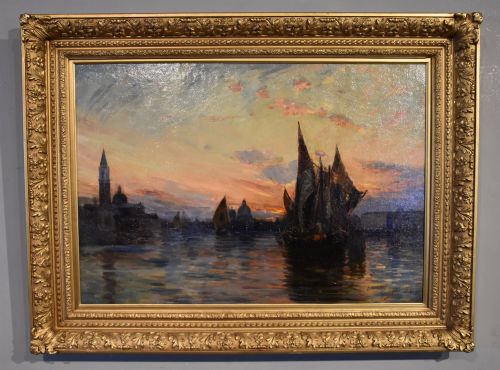
Original impressionist fine art captures fleeting light and everyday scenes through textured brushwork on canvas and wood panel.
Original Impressionist Fine Art
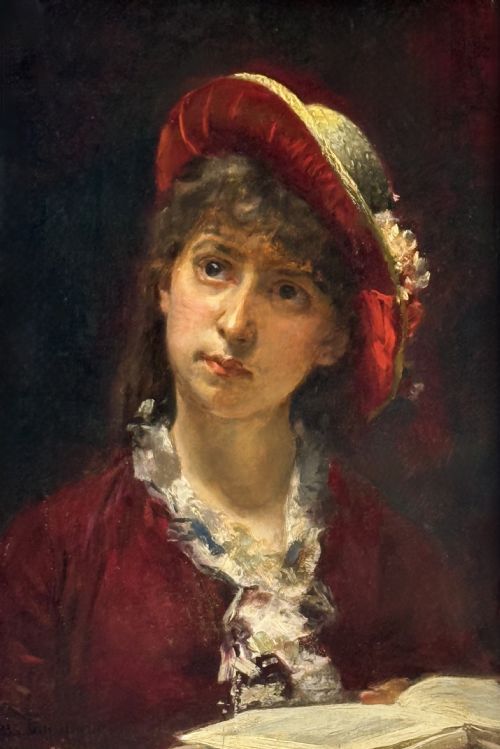
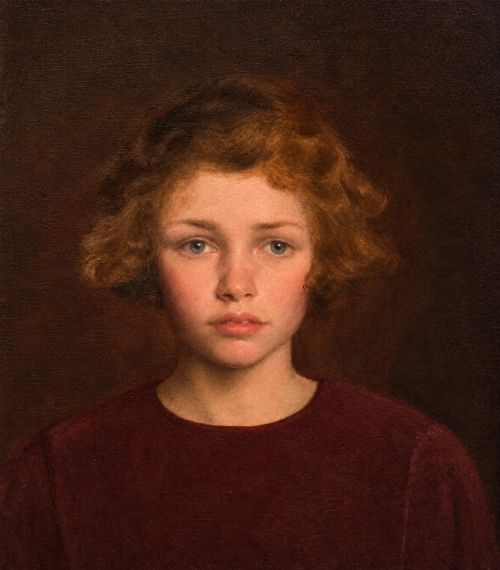
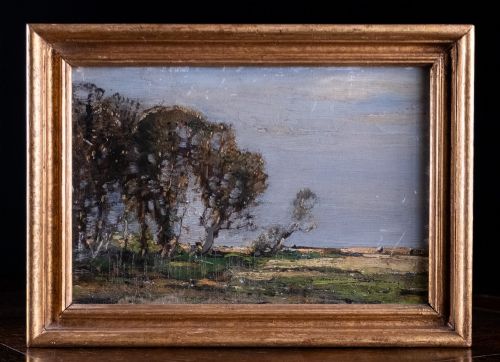
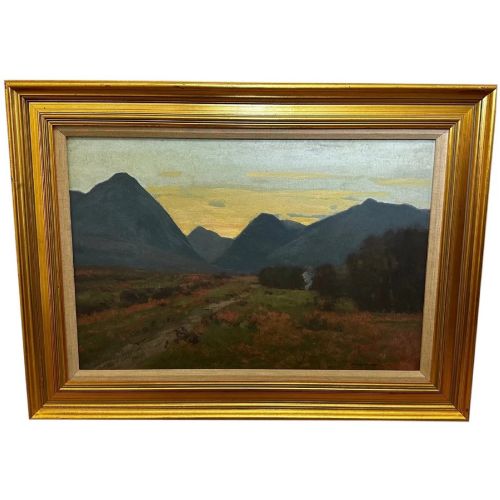
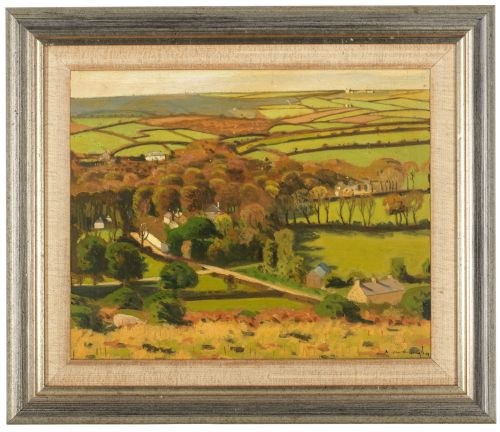
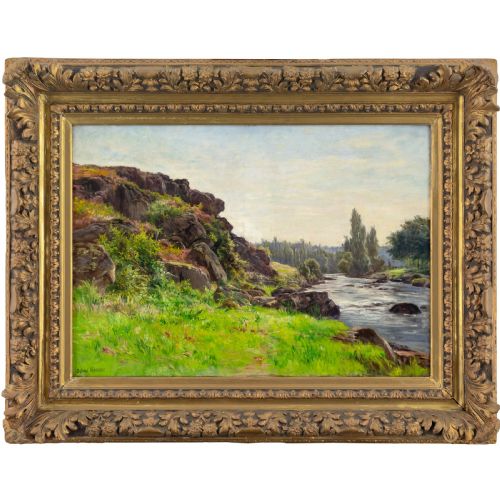
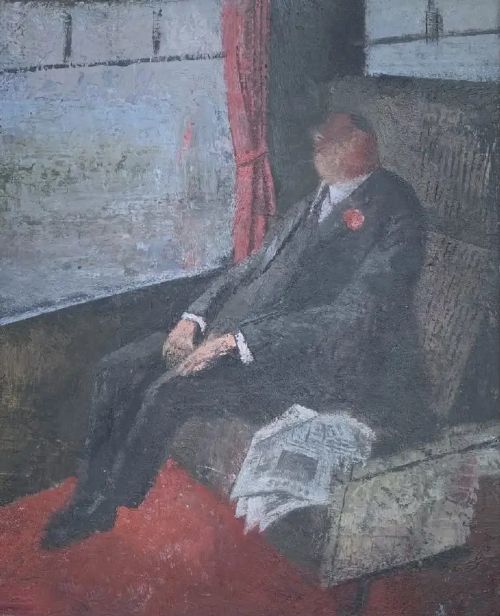
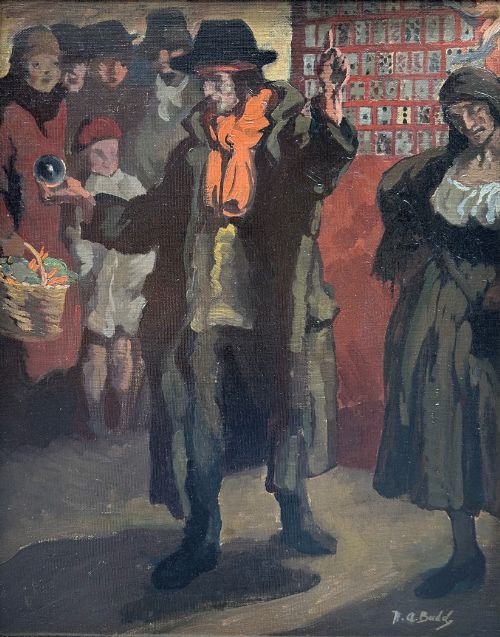
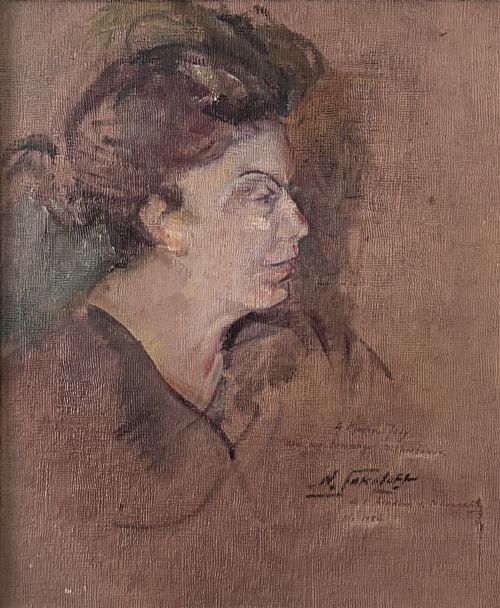
Original impressionist fine art encompasses oil paintings and watercolour works created across the nineteenth and twentieth centuries, spanning British, French, Belgian, and Italian schools. These works document coastal views, river paths, street scenes, and intimate portraits executed in plein air traditions or studio settings.
Buyers encounter landscape studies from Yorkshire, Cornwall, and Venice alongside figure compositions, still life arrangements, and nudes. The selection bridges formal academic techniques with modern movements including Post-Impressionism, the Barbizon School, and Modern British painting.
How they were made
Artists applied oil paint and watercolour onto primed canvas, wood panels, and board using varied brushwork and palette knife techniques to capture atmospheric effects. Canvases frequently sit within period gilt wood and gesso frames that complement the surface texture of the paint.
The materials rely on traditional binders and pigments laid down in rapid, visible strokes rather than blended glazes, prioritizing the sensation of natural light over meticulous finish.
The listings span works produced from the 1880s through the 1960s, executed in oil and watercolour on canvas, wood, and board.
What varies in quality
Quality rests on the confidence of the mark-making and the artist's ability to command light and space within a composition. Stronger works demonstrate purposeful handling of pigment where every stroke builds form and atmosphere.
Condition of the paint surface and the presence of the original gilt frame influence the integrity of the piece. Superior examples maintain uncompromised impasto and balanced colour harmonies without heavy restoration.
George Graham·Kershaw Schofield·George Houston·Robert Morson Hughes·Gabriel Mathieu·Herbert Ashwin Budd·Gladys Marguerite Baker·Alfred East·Herbert Royle·Paul Desire Trouillebert·Umberto Volpato·Thomas Hodgson Liddell·Percy Lancaster·Philip Naviasky·William Watt Milne·Ronald Ossory Dunlop·Laura Knight·Victor Simonin·Archibald Kay·Edgar Woollatt·Gaston Cornil·Raymond Moritz·Henri Vincent Anglade·Frans Gailliard·Harry Freckleton
The Original Impressionist Fine Art Glossary
- Impasto
- Thick application of paint that stands out from the surface. This technique allows brush or palette knife marks to retain their physical dimension and catch physical light.
- Barbizon School
- Mid-nineteenth-century French movement focused on naturalistic landscape painting. Artists painted outdoors to observe real weather and light conditions directly.
- Gesso
- Plaster-based mixture applied to wood panels or canvases as a preparation layer. It provides a smooth, stable surface for oil painting.
- Provenance
- The documented history of ownership of a work of art. Clear records help establish authenticity and past exhibition history.
Original Impressionist Fine Art: Frequently Asked Questions
Are these works painted outdoors?
Many impressionist works began as plein air sketches created directly in front of the subject. Artists captured changing light and weather conditions before returning to the studio.
Larger compositions were often finished indoors using these initial oil studies and watercolours for reference. Both methods share the same spontaneous brushwork.
How do I date an antique painting?
Dating relies on stylistic evidence, signatures, artist biography, and framing materials. Exhibition labels and written inscriptions on the reverse provide direct chronological clues.
Examination of the canvas weave, stretcher bars, and ground layers offers further technical verification of the period. Comparative works by the same hand help confirm the timeline.
How should I frame original fine art?
Period frames matching the era of the painting enhance historical context and visual balance. Gilt wood and gesso moulding should complement the tones within the artwork.
Ensure the rebate accommodates the canvas depth without putting pressure on the stretcher. Proper backing boards protect the canvas from dust and environmental shifts.