

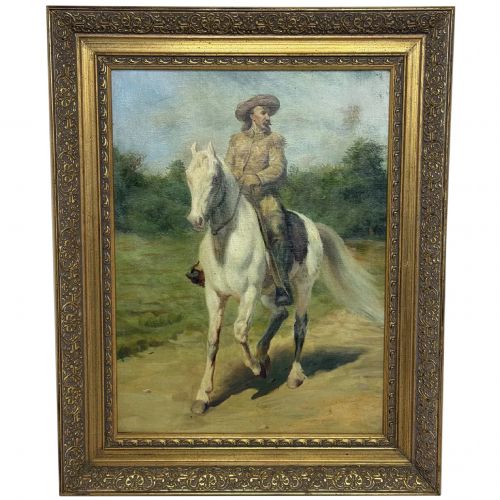

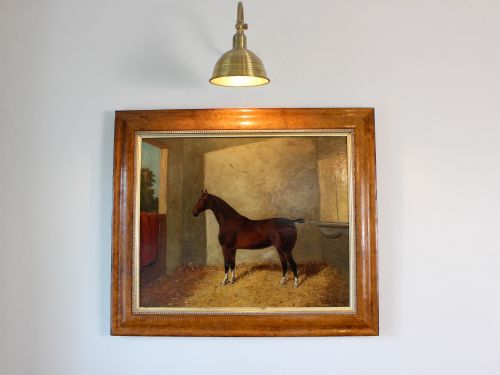


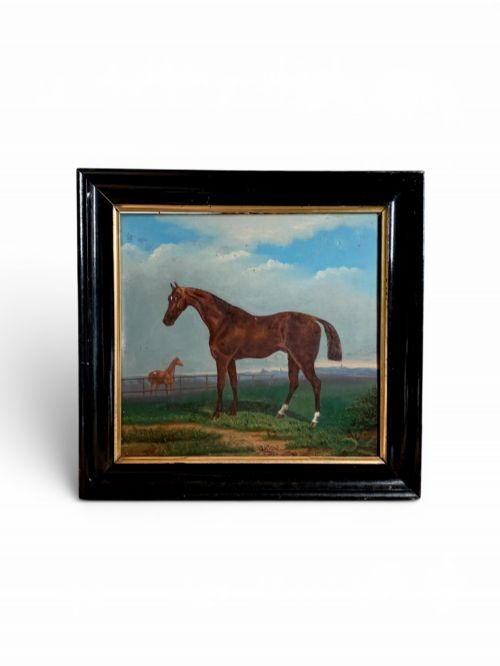


Original Horse Portrait
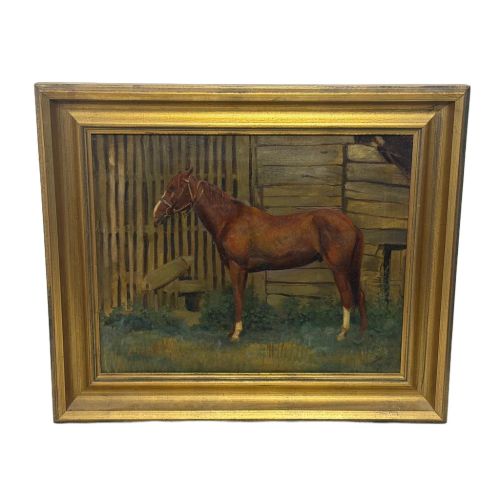
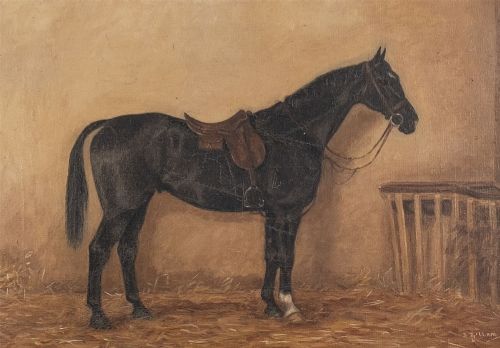
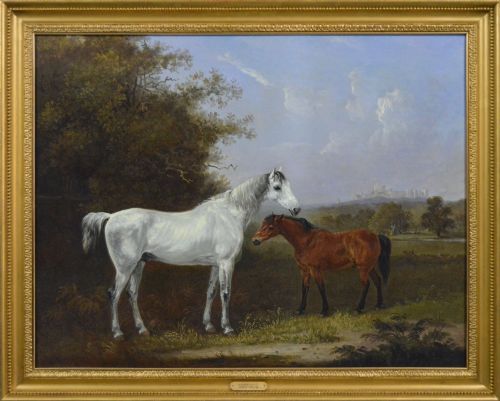
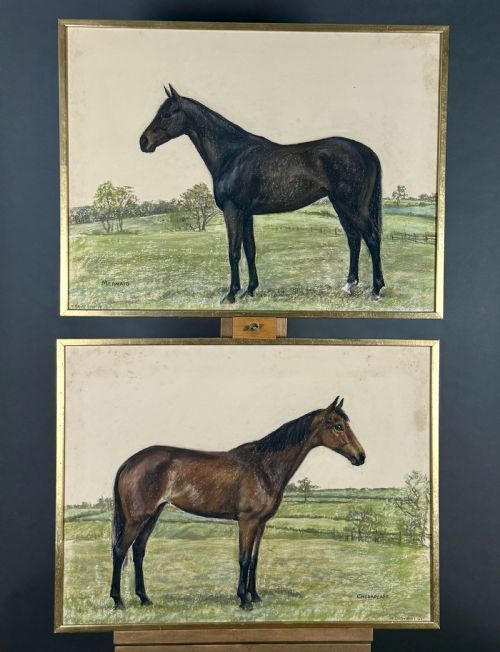
An original horse portrait captures the character and physique of an individual equine subject, treasured by collectors of sporting art.
Original Horse Portrait
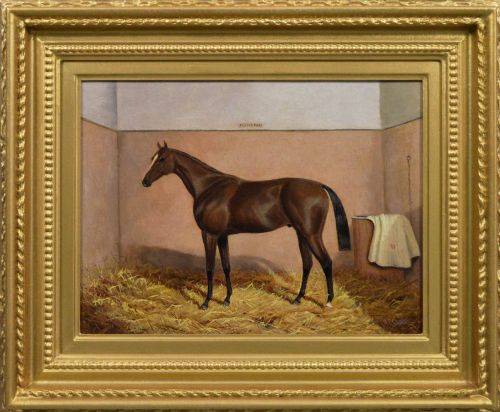
An original horse portrait presents a focused study of an equine subject, ranging from named racehorses and champions to working hunters and stable companions. When you examine an original horse portrait on this page, you encounter works spanning the Georgian era through the mid-twentieth century.
The selection encompasses diverse compositions, including stable interiors, river landscapes, and formal head studies. British sporting art dominates the offerings, alongside examples from the French and English schools.
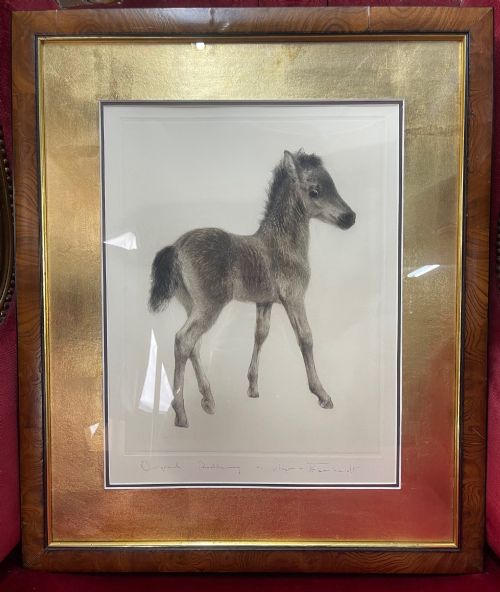
Mediums vary from traditional oils on canvas and panel to delicate watercolours, pastels, and drypoint prints. Each piece records the distinct physical traits and conformation valued by breeders, owners, and equestrian enthusiasts of its specific period.
Materials and Techniques
Artists relied primarily on oil paint applied to canvas or wood panels, allowing for rich layering and deep tonal control in rendering muscle structure and glossy coats. Watercolour and pastel on paper offered a lighter touch, frequently employed for rapid studies and detailed character captures.
Support materials range from heavy woven canvas stretched over wooden frames to sturdy wooden panels and heavy art paper. Framing often incorporates gold leaf accents, reflecting the high status afforded to prized animals and successful racing subjects.
Original Horse Portrait Retail Price Guide 2026
Typical asking prices for original horse portrait among the pieces listed under this phrase on Sellingantiques today, from the lower quarter to the upper quarter. They describe what is for sale here now, not the wider market.
Listings feature works executed in oil on canvas, watercolour, pastel, and drypoint, spanning the Georgian period to mid-century modernism.
Assessing Artistic Merit
Quality rests upon the artist's anatomical precision and ability to convey the individual temperament of the horse rather than a generic template. Superior works demonstrate a sophisticated understanding of equine movement, light interaction on the coat, and harmonious background integration.
The distinction between standard works and master creations lies in the subtlety of brushwork and the psychological presence of the animal. Pieces that successfully capture specific bone structure, muscle definition, and alert expression achieve lasting distinction.
Edmund Bristow·Kurt Meyer-Eberhardt·Albert Clark·John Ferneley Senior·Samuel Spode·Johan Noah Bemmel
The Original Horse Portrait Glossary
- Sporting Art
- Genre of painting and drawing dedicated to equestrian subjects, hunting, racing, and field sports. It reached a peak of popularity during the eighteenth and nineteenth centuries.
- Drypoint
- Intaglio printmaking technique where the artist scratches directly into a metal plate with a sharp needle. This process creates a distinctive velvety burr along the printed lines.
- Gouache
- Water-based paint mixed with a fine preparation of chalk, producing an opaque finish. Artists often combined it with watercolour for added density and highlight detail.
- Conformation
- The physical form of a horse resulting from its body composition and bone structure. Accurate depiction of conformation marks a skilled equestrian artist.
Original Horse Portrait: Frequently Asked Questions
How do I date an antique horse portrait?
Dating relies heavily on the stretcher construction, canvas type, and framing style accompanying the artwork. Signatures, inscriptions on the reverse, and stylistic markers specific to periods like the Victorian era also provide reliable chronological clues.
Fashion in equine breeding and human attire within the painting further narrows the timeframe. Comparing the technique to known works by documented artists helps confirm the production decade.
What subjects appear in these portraits?
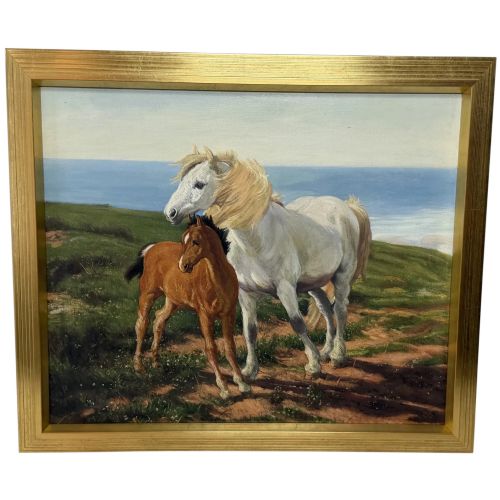
Portraits frequently feature named racehorses, champion stallions, broodmares with foals, and working hunters. Many compositions place the animal within a stable interior or a specific landscape context.
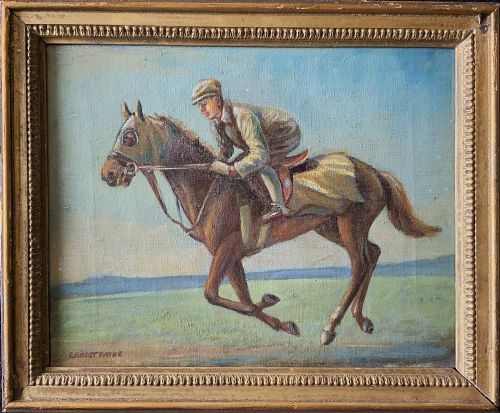
Some pieces include grooms, jockeys, or military officers alongside the horse. This reflects the deep social and economic importance of horses in transport, sport, and agriculture.
How should I care for a paper equestrian study?
Works on paper, including watercolours and pastels, require protection from direct sunlight to prevent fading and pigment degradation. Framing with acid-free mounts and UV-filtering glass ensures the longevity of delicate mediums.
Maintain stable humidity levels in the display room to avoid warping the paper or encouraging mould growth. Professional conservation framing is recommended for older pastel works.
Are oil paintings on canvas difficult to maintain?
Oil paintings on canvas are robust when kept away from extreme temperature fluctuations and damp environments. Periodic gentle dusting with a soft, dry brush removes surface particles without harming the paint layer.
Avoid using liquid cleaners or household products on the painted surface. Professional cleaning and varnish removal should only be undertaken by a qualified art restorer.