
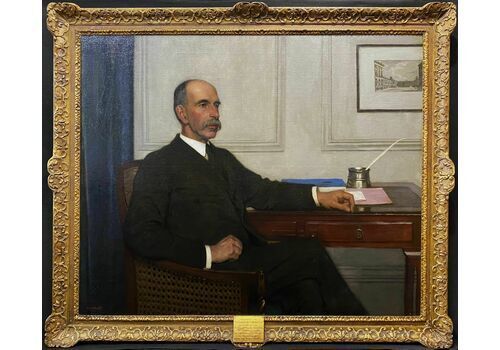

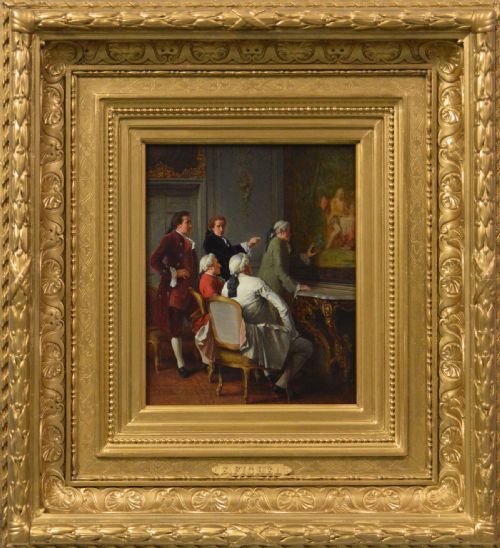


Original Historical Oil Portrait
An original historical oil portrait brings centuries of character into a room through oil paint applied to canvas, panel, and wood.
Original Historical Oil Portrait
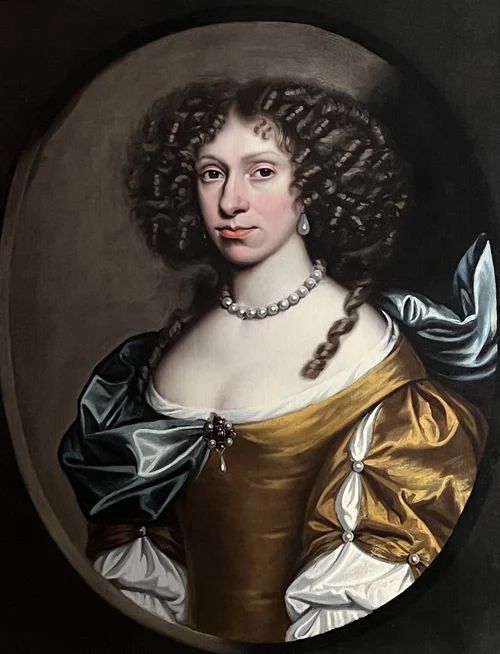
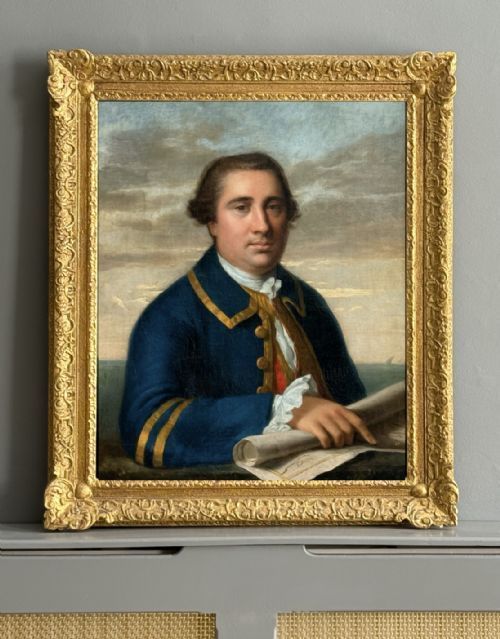
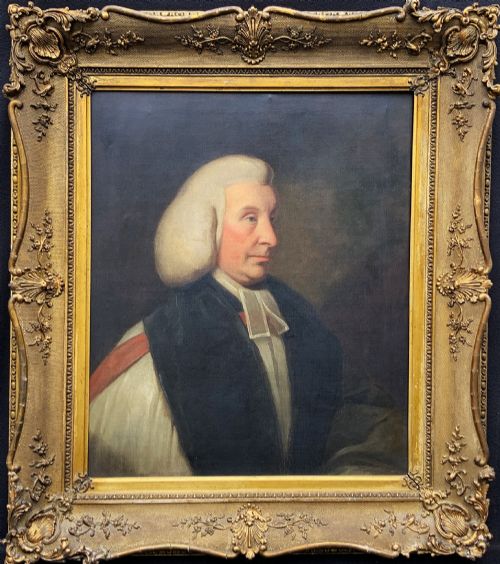
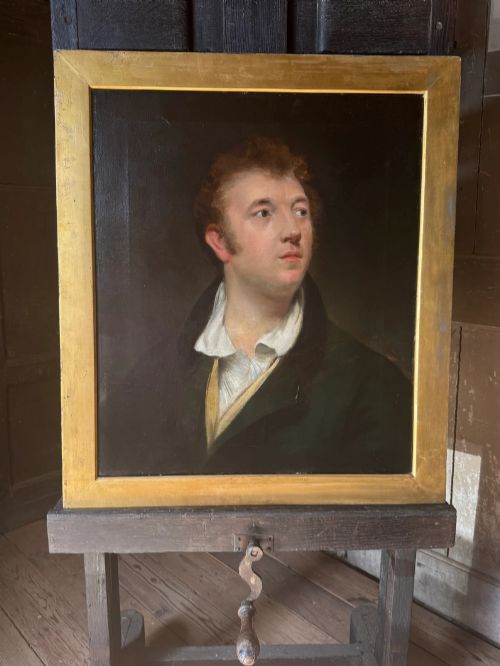
An original historical oil portrait captures a specific sitter from earlier centuries, ranging from seventeenth century merchants and seventeenth century bishops to nineteenth century naval officers and twentieth century figures. These works span the seventeenth century, eighteenth century, nineteenth century, and twentieth century, reflecting distinct periods including the Dutch Golden Age, Regency, and Victorian eras. The subjects include clergy, physicians, captains, and monarchs rendered in oil paint.
The versions most commonly met on this page are oil on canvas paintings set within period giltwood or gilt wood frames. Sitters are depicted individually or in pairs, often identified by name and dates such as the Reverend Paul White or John Ayrton Paris. The physical scale varies from intimate panels to large format canvases measuring thirty by twenty five inches and beyond.
How they were made
These works rely on oil paint applied to prepared canvas or wooden panels by artists working within specific stylistic traditions such as Baroque, Dutch Golden Age realism, and twentieth century realism. Pigments suspended in oil allowed painters to build deep tones, subtle flesh variations, and detailed clothing over extended drying times. Canvases were stretched across wooden frames and frequently housed in carved giltwood frames.
Makers utilised brushwork ranging from tight, precise academic rendering to looser impressionistic strokes seen in works by Newlyn School painters. Inscriptions, signatures, and dates were occasionally added directly to the canvas or panel by the artist to record the sitter's age and the year of creation.
Several sitters share space here with their dogs, naval commissions, and full Garter robes.
What varies in quality
The integrity of the original surface and the appropriateness of the framing also influence the standing of a piece. Original gilt wood frames that complement the period of the painting add historical cohesion, while extensive overpainting or crude retouching diminishes the direct connection to the original hand of the artist.
David Scougall·Lemuel Francis Abbott·James Howe·Harold Knight·Thomas Hicks·Benjamin Eugene Fichel·Paul Schier·George Hayter·Christoffel Bisschop·James Bertrand·Geoffrey Robert Russell·Joseph Clover·Arthur Royce Bradbury·Bartholomeus Van der Helst·Edward Bainbridge Copnall·Richard Hall
The Original Historical Oil Portrait Glossary
- Oil on canvas
- Pigment ground in oil medium and spread across a woven fabric support. This combination offers flexibility and allows artists to work on a large scale.
- Giltwood
- Carved wood coated with gold leaf or gold paint. Frames built from this material provide a reflective border that isolates and enhances the dark tones of an oil painting.
- Panel
- A rigid wooden support used instead of canvas. Artists during the Dutch Golden Age frequently utilised oak boards for stability and a smooth working surface.
- Baroque
- An artistic style originating around the seventeenth century characterised by dramatic lighting, deep shadows, and intense emotional expression. Portraits from this movement use strong chiaroscuro to model the sitter's face.
- Regency
- A British design period spanning the early nineteenth century. Portraiture from this era often shows sitters in restrained, elegant attire with clear neoclassical influences.
Original Historical Oil Portrait: Frequently Asked Questions
How do I identify the sitter?
Many historical portraits carry contemporary inscriptions, painted labels, or archival documentation on the reverse of the canvas or frame that record the individual's name, titles, and dates.
Biographical details, coats of arms, or specific uniform markings also provide vital clues for cross referencing historical records and parish registers.
What is a Dutch Golden Age portrait?
This classification refers to paintings produced in the Netherlands during the seventeenth century, a period marked by extraordinary mercantile wealth and artistic output.
These works are distinguished by sober black garments, crisp white ruffs or collars, and masterful control of light against dark backgrounds.
Why do some portraits have painted ovals?
The painted trompe l'oeil oval border was a popular convention in seventeenth and eighteenth century portraiture to create the illusion that the subject was viewed through a stone or wooden aperture.
This framing device focused the viewer's attention entirely on the head and shoulders of the sitter.