

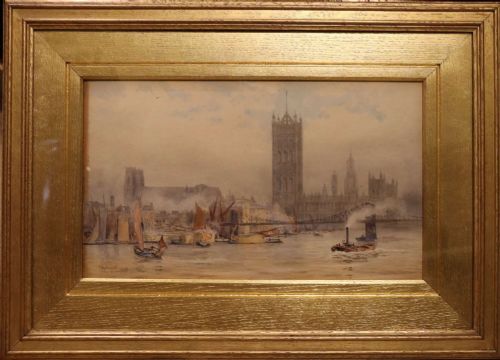



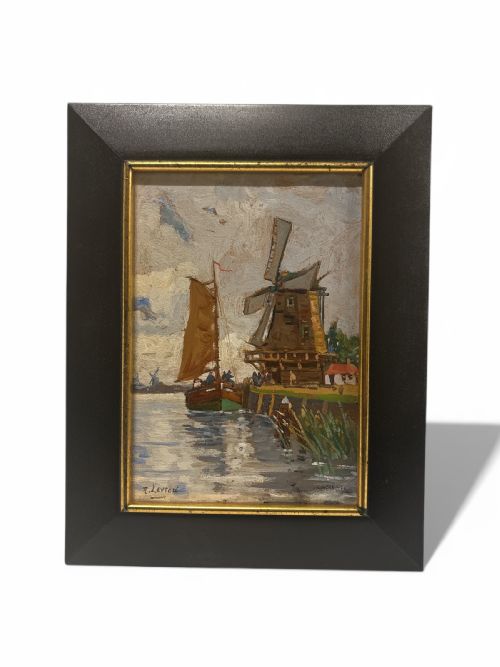



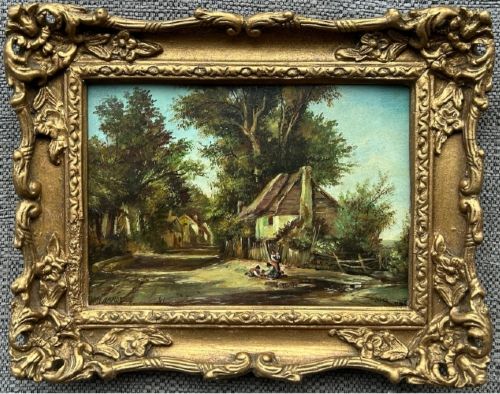
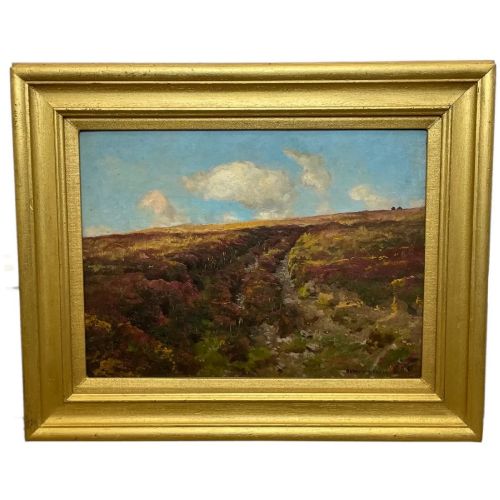
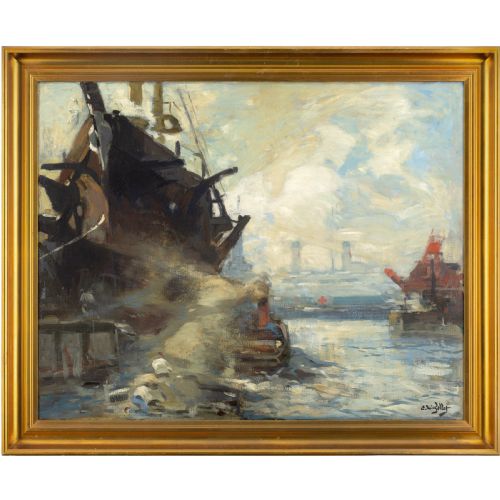
Original Gilt Frame Painting
When acquiring an original gilt frame painting, you secure centuries of artistic heritage preserved within metallic lustre and finely worked wooden mouldings.
Original Gilt Frame Painting
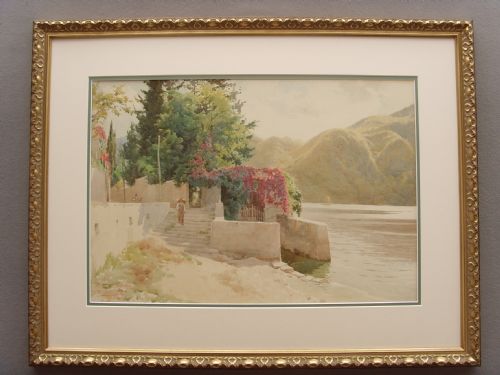
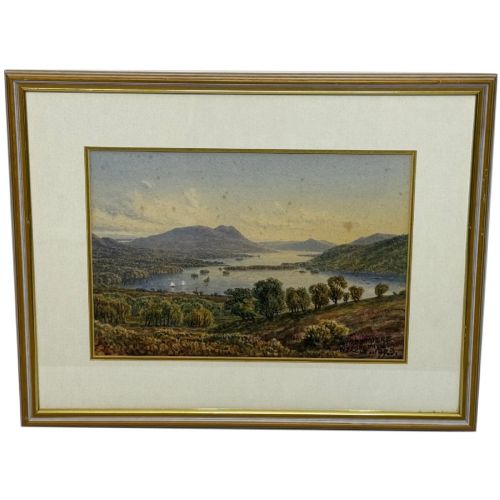
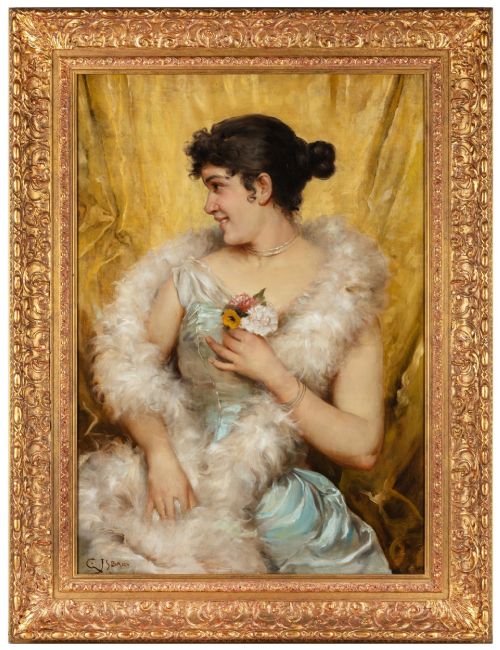
An original gilt frame painting unites historical fine art with period metallic surrounds, spanning eras from the seventeenth century through to the mid twentieth century. Collectors encounter diverse subjects including pastoral landscapes, intimate coastal scenes, botanical still lifes, and formal portraiture.
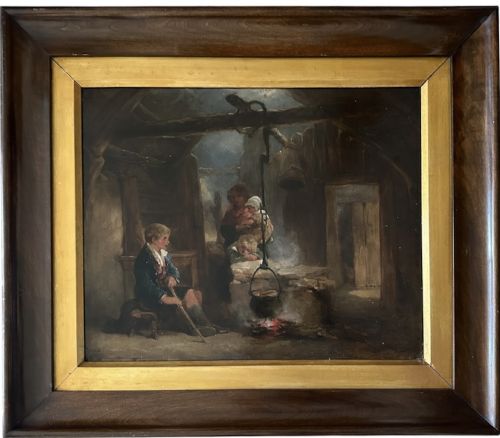
The encompassing surrounds vary from deep moulded wooden profiles to ornate gilded gesso designs. These decorative housings elevate the visual weight of the central canvas, reflecting light and defining the perimeter of the composition.
Materials and Construction
Makers constructed the primary supports using timber panels, stretched canvas, or heavy paper boards. Artists applied oil paints or watercolour pigments directly to these prepared grounds, building rich textures and subtle tonal gradations.
The surrounding frames consist of wooden carcases built from pine, oak, or composition materials. Craftsmen applied layers of gesso to the timber base before laying fine sheets of metallic leaf across the moulded surfaces.
Sanded, burnished, and occasionally antiqued finishes completed the process, ensuring the metallic surface caught ambient light in specific ways. Ornate motifs were often cast separately and applied to the corners and centres of the moulding.
Several canvases capture domestic animals sharing the scene, including watchful cats, faithful dogs guarding interiors, and ducks congregating near thatched cottages.
Distinctions in Quality
The technical proficiency of the brushwork and the anatomical or spatial accuracy of the composition distinguish finer examples. Superior works demonstrate confident handling of light, shadow, and perspective by trained practitioners.
The integrity and craftsmanship of the enclosure dictate overall merit. Hand-carved wooden mouldings and deeply reliefed gesso ornamentations represent higher standards of decorative arts than mass-produced composition substitutes.
The harmonious relationship between the artwork and its mounting influences the piece's success. Original pairings where the framing matches the exact period and aesthetic of the canvas command greater interest among collectors.
Joseph Clover RA·George Fotherly Hargitt·Eugène-Louis Gillot·John Horace Hooper·Alfred Fontville de Breanski Jr
The Original Gilt Frame Painting Glossary
- Gesso
- A plaster-like mixture applied to wooden frame bases to create a smooth surface for gilding. This compound allowed craftsmen to carve intricate relief patterns before applying metallic leaf.
- Gilt Wood
- Timber that has been coated with a thin layer of gold leaf or metallic powder. It provides a luminous border that enhances the colours within the artwork.
- Oil on Canvas
- Pigments bound in a drying oil medium applied to a woven fabric support. This combination allowed artists to achieve rich colours and subtle blending.
- Pastel
- A medium consisting of powdered pigment combined with a binder and rolled into sticks. Works created in this medium require protective glass enclosures.
- Provenance
- The documented history of ownership associated with an artwork. This record helps establish authenticity and historical context for the piece.
Original Gilt Frame Painting: Frequently Asked Questions
How do I clean a gilt frame?
Dust the moulded surfaces gently with a soft, dry brush to remove settled particles. Avoid using liquid cleaners or abrasive cloths, which can strip away the delicate metallic leaf.
Test any maintenance technique on a hidden corner first. Professional conservators should handle deeper cleaning or repairs to the gesso ornamentation.
Can I change the frame?
Separating an artwork from its historical surround often diminishes the object's unified character. Many pieces were created specifically to complement their original decorative housings.
Retaining the current mount preserves the historical context of the piece. Consider the aesthetic balance before making any alterations to the presentation.
How should I hang these paintings?
Select a wall space away from direct sunlight and excessive moisture fluctuations. Stable environmental conditions protect both the canvas support and the wooden frame structure.
Utilise secure wall fixings suited to the weight of the timber and gesso construction. Ensure the hanging wire or brackets are properly rated for the piece.
How do I identify the period?
Examine the construction techniques of the wooden stretcher bars and the profile of the moulding. Earlier frames often feature hand-carved elements rather than cast composition ornament.
Look for signatures, dates, or labels attached to the reverse of the canvas or panel. Stylistic cues within the painting's subject matter also offer clues to its creation date.