
Original Figure Painting
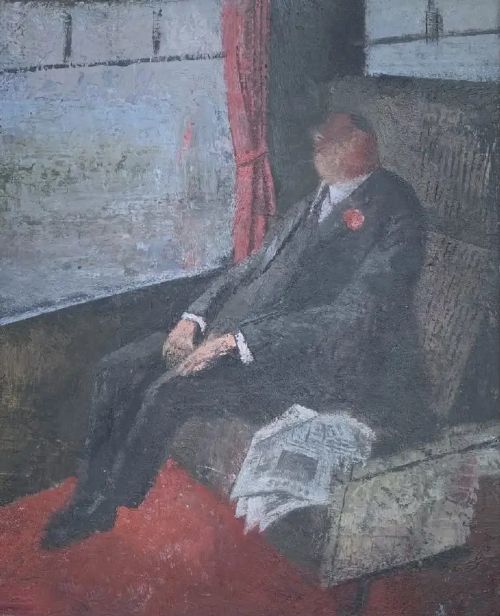
Selecting an original figure painting introduces human narrative directly into your room through centuries of hand-rendered observation.
Original Figure Painting
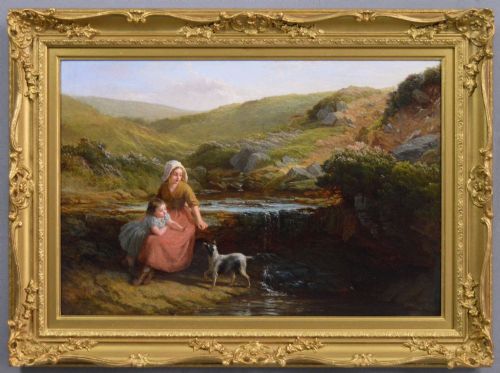
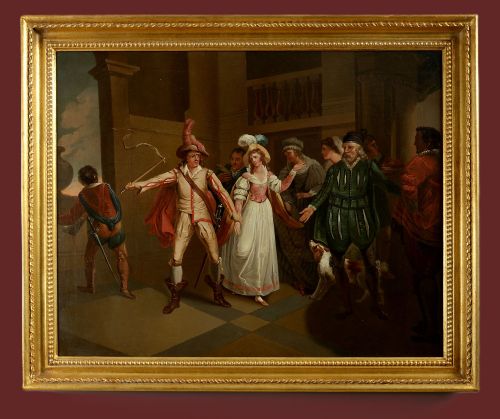
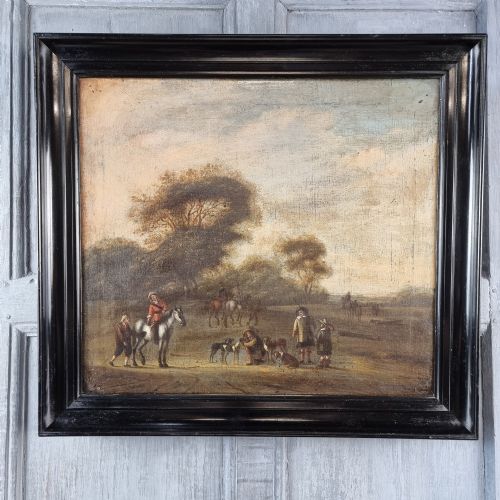
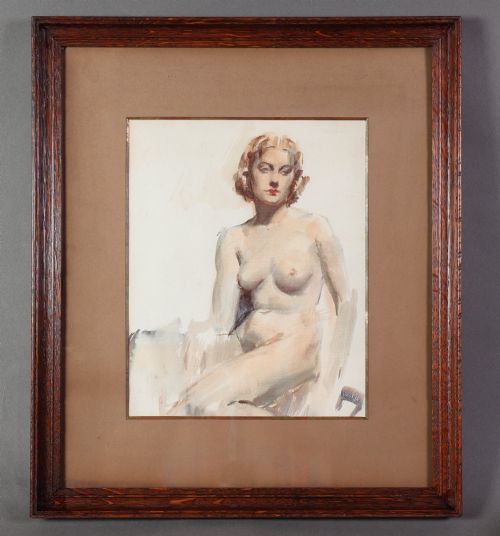
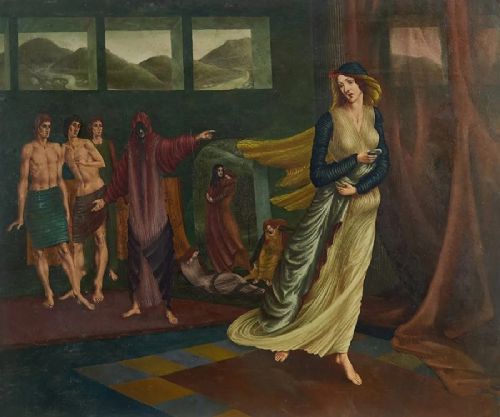
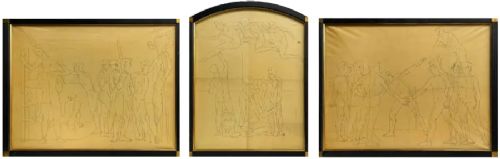
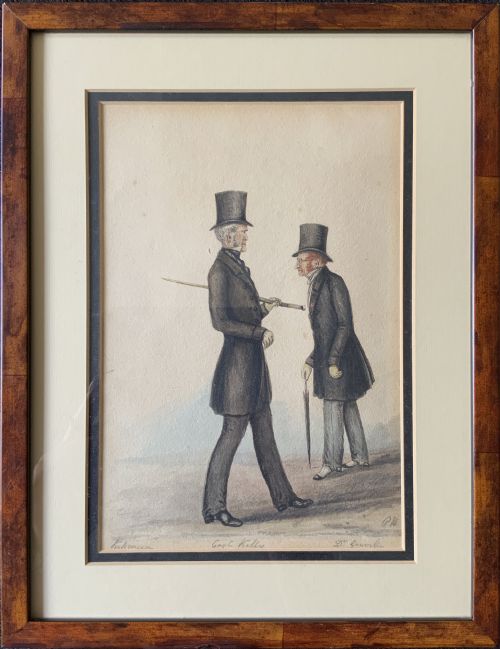
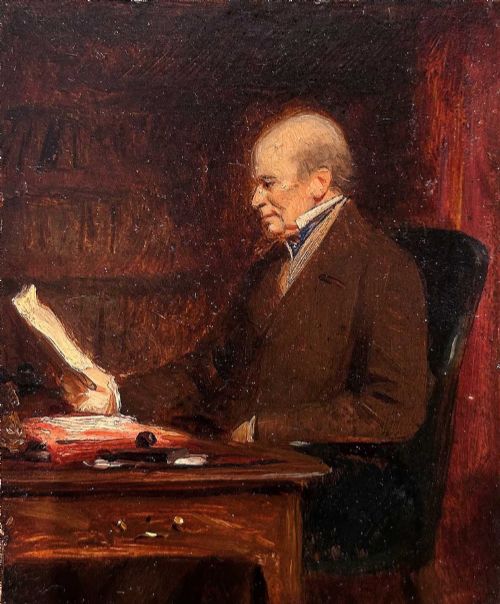
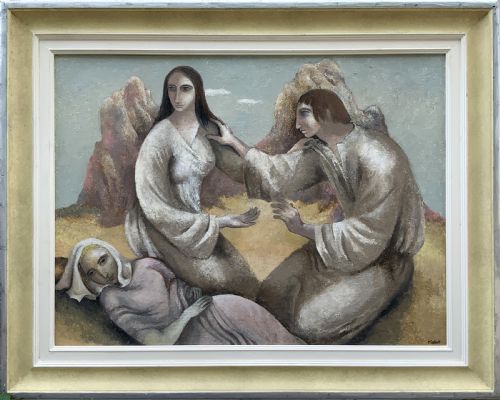
When searching for an original figure painting, buyers encounter works where human subjects form the primary focus of the composition rather than acting as mere background staffage. The pieces gathered here span from seventeenth-century Dutch scenes and eighteenth-century theatrical canvases through nineteenth-century coastal watercolours and academic portraits up to mid-twentieth-century modernist interpretations.
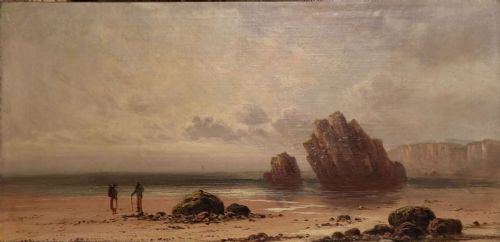
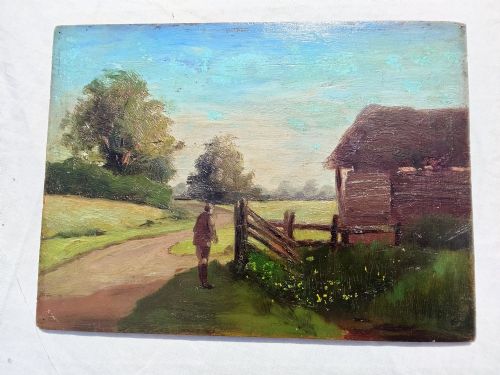
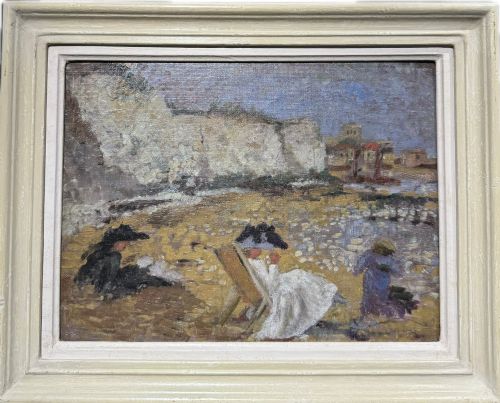
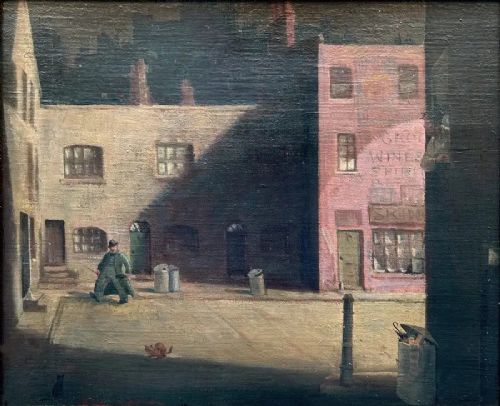
The most common formats on this page are nineteenth-century watercolours and oil paintings on canvas or wood panel, frequently depicting rural labourers, coastal beachgoers, or formal portrait sitters. British and European schools dominate the selection, offering everything from intimate genre sketches to finished street scenes and expressive character studies.
Materials and methods
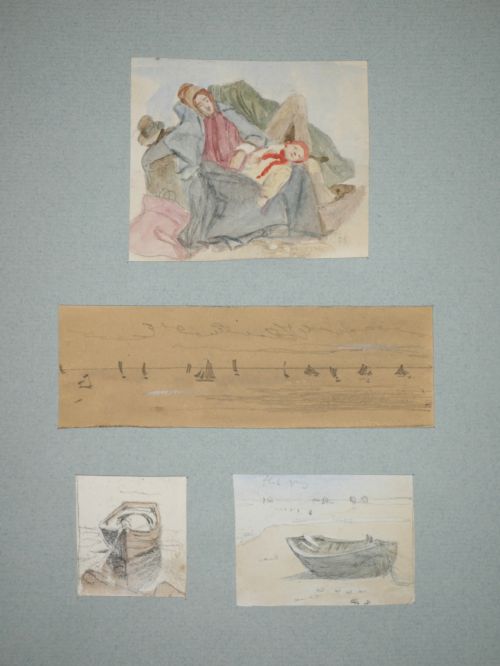
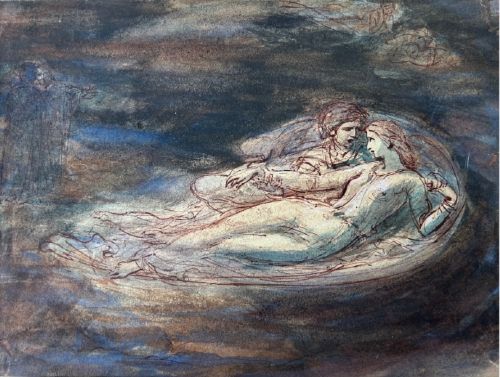
Artists relied primarily on oil paint applied to stretched canvas, wooden panels, or heavy boards, allowing for rich colour blending and textured impasto build-up. Watercolours and mixed media on paper or card represent the other major stream of production, often executed with ink and wash for rapid preparatory studies or finished marine sketches.
Supports varied according to period and artist preference, with seventeenth- and eighteenth-century works typically utilising prepared wooden panels before canvas became the dominant support in the Victorian era. Gilt frames, sometimes carved and ornate, frequently house these works, protecting the edges of the canvas and complementing the palette within.
The listings span from the seventeenth century through the mid-twentieth century, utilising oil, watercolour, ink, gouache, and talc mica.
Differentiating quality across the range
Quality in these works rests upon the surety of the draughtsmanship and the artist's ability to render gesture and anatomy convincingly within a defined space. Superior examples display confident brushwork or delicate wash control that captures light and expression without stiffness, whereas lesser pieces can rely on formulaic postures and rigid compositions.
The handling of surrounding atmosphere and integration of the figure into its environment further distinguish finer paintings from routine workshop output. Depth is achieved through nuanced tonal contrast rather than heavy outlines, ensuring the subject commands the viewer's attention naturally.
Thomas W Lascelles·Benjamin Barker of Bath·Francis Plummer·James Stroudley·Francisco Sancha·Ronald Ossory Dunlop·Henry H Parker·Theodore Jensen·Charles Henry Slater·Michael Healy·Honore Cavaroc·Thomas Hicks·Cornelis Van Poelenburgh·Cornelis Christian Dommersen
The Original Figure Painting Glossary
- Genre painting
- Depictions of everyday life and ordinary people engaged in non-ceremonial activities. These scenes offer valuable social history alongside artistic merit.
- Impasto
- Paint applied thickly to a canvas or panel so that it stands proud of the surface. This technique creates a tactile, three-dimensional quality that catches natural light.
- Staffage
- Human or animal figures included within a landscape or architectural painting primarily to provide scale or animate the composition. They are secondary to the main subject of the view.
- Chiaroscuro
- The strong contrast between light and dark tones to create dramatic volume and sculptural depth in a figure. It was widely utilised by seventeenth-century masters.
- Provenance
- The documented history of ownership of an artwork from its creation to the present day. Clear records help establish authenticity and past exhibition history.
Original Figure Painting: Frequently Asked Questions
How do I care for an antique oil painting?
Keep the canvas away from direct sunlight and dramatic fluctuations in household temperature to prevent the paint layer from cracking or warping the wooden stretcher behind it.
Dust the surface gently with a soft, dry brush without applying moisture or modern cleaning solutions, and consult a professional conservator if the varnish requires cleaning.
What is the difference between a study and a finished painting?
A study is usually an exploratory work executed quickly to capture gesture, lighting, or composition before embarking on a larger canvas. These pieces often exhibit looser brushwork and a greater sense of immediacy than fully rendered gallery pictures.
Finished works carry more meticulous detail and resolved background elements, though many collectors prize the raw energy found in preliminary sketches.
How can I tell the century of a work?
Dating relies on examining the physical materials of the support, such as the weave of the canvas, the cut of the wooden panel, or the type of paper used for watercolours. Stylistic clues in the clothing, hairstyles, and framing techniques also provide a reliable window into the period of creation.
Where should I hang a figure painting?
Select an interior wall with stable ambient conditions away from dampness, radiators, and direct sunlight to protect the pigments over time. Eye-level placement works best for intimate portraits and genre scenes, allowing viewers to engage directly with the gaze and expression of the subject.