
Original Figure Painting Oil
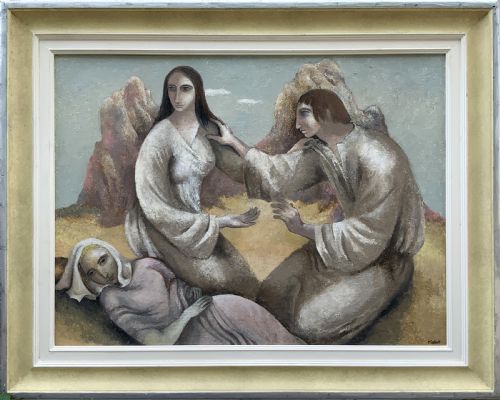
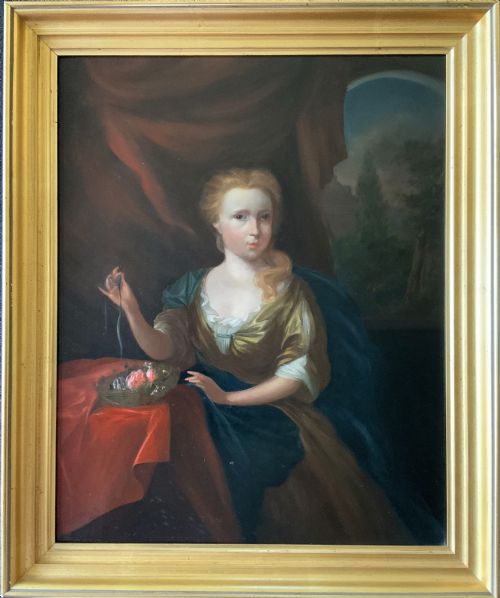
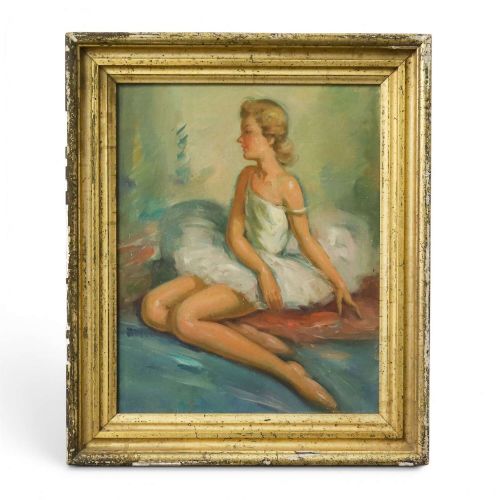
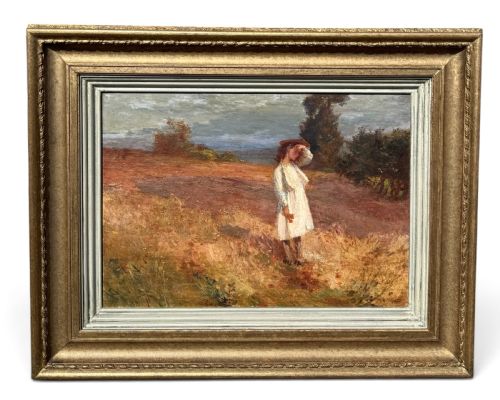
Selecting an original figure painting oil brings historical narrative and human presence into a room through rich brushwork.
Original Figure Painting Oil
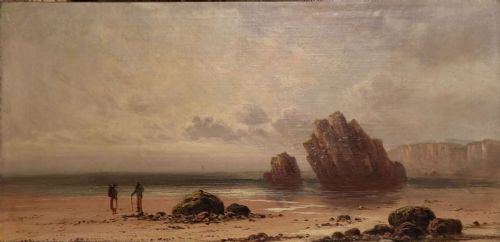
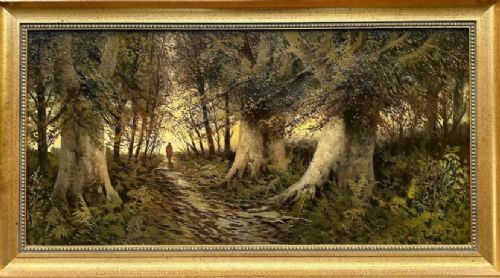
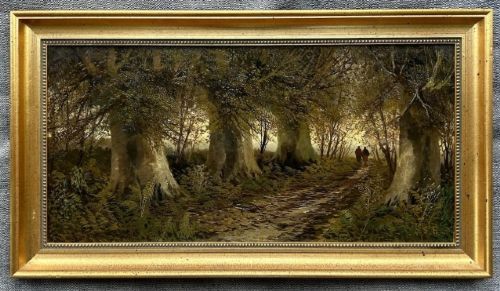
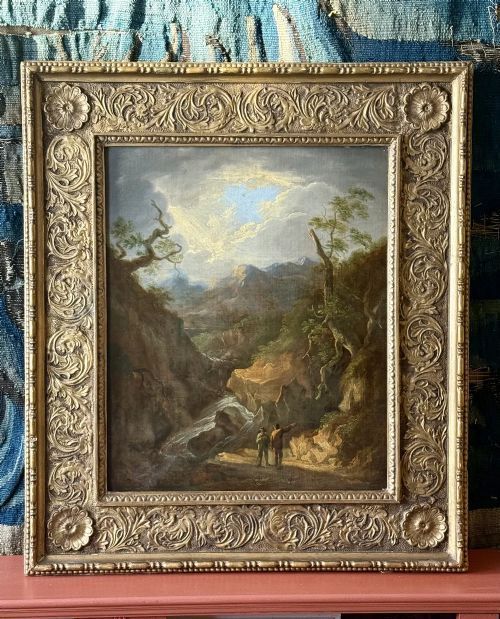
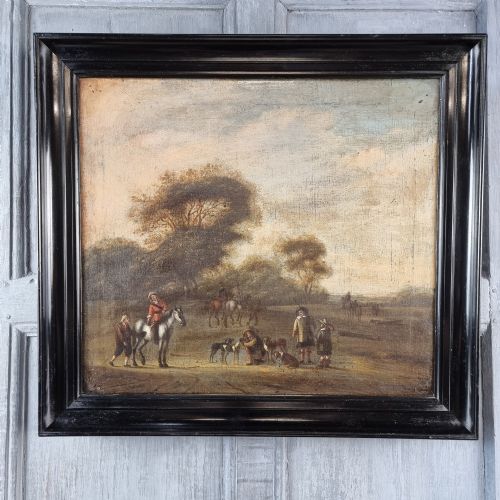
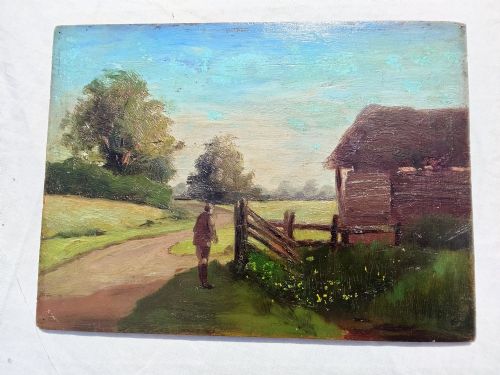
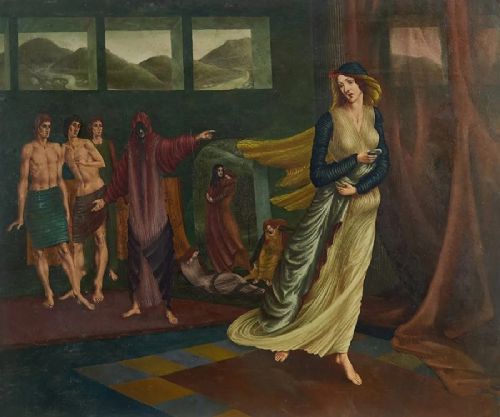
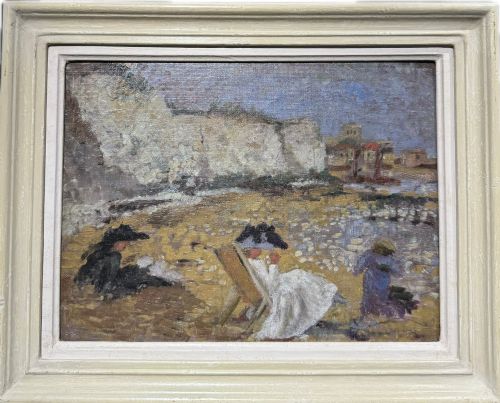
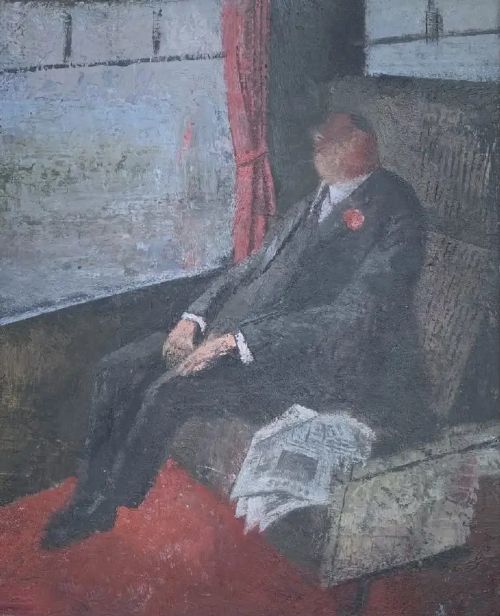
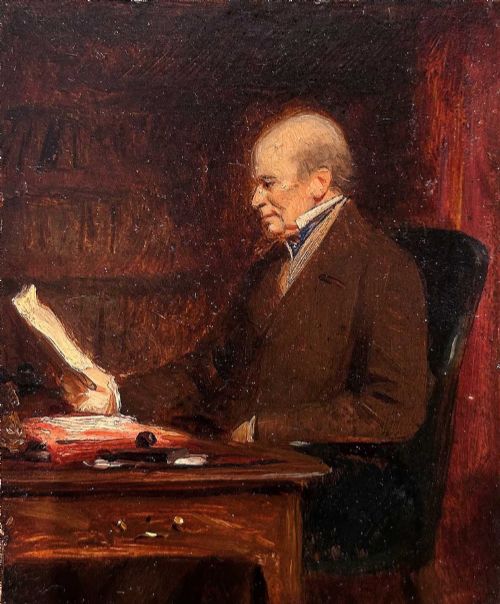
Buyers exploring an original figure painting oil encounter works ranging from seventeenth-century Dutch scenes to mid-twentieth-century modernist studies. The selection spans pastoral landscapes populated by travellers, intimate indoor portraits, and plein-air coastal gatherings.
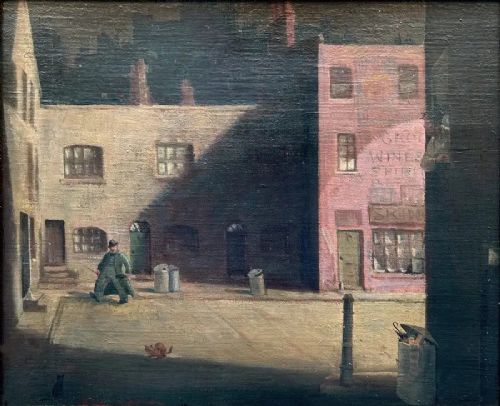
Most pieces met on this page originate in the nineteenth century or the early decades of the twentieth century. These embrace British and continental European schools, capturing everything from quiet domestic moments to bustling continental street scenes.
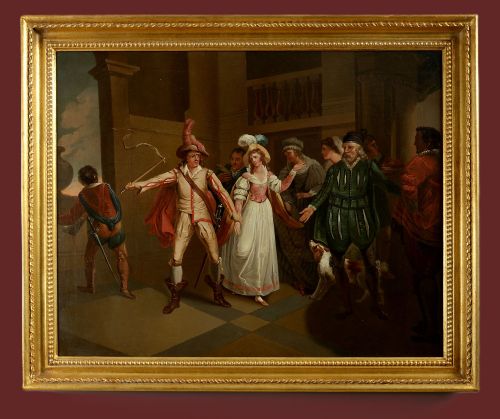
Whether depicting historical literature, mythical bathers, or anonymous workers by a river, these works place human activity at the centre of the composition. The human element provides immediate scale, narrative tension, and emotional resonance.
Materials and Construction
Painters applied slow-drying oil paint onto various prepared supports including stretched canvas, wooden panels, thick card, and solid board. This medium allowed artists to build luminous layers, subtle glazes, and thick textured impasto.
Wooden panels and boards provided a rigid ground favoured by landscape and genre painters for crisp detail. Canvases offered flexibility and greater scale, accommodating sweeping brushstrokes used by impressionist and expressionist hands.
A solitary dog waits patiently beside a greyhound and several ducks near quiet rural lanes.
Quality and Execution
Quality rests upon the artist's command of anatomy, light, and proportion within the painted figures. Superior examples reveal confident brushwork that defines posture and expression without relying on rigid outlines.
The relationship between the figures and their surrounding landscape or interior architecture dictates the depth of the composition. Masterful hands integrate human subjects naturally into the light source and atmosphere of the scene.
Thomas W Lascelles·Benjamin Barker of Bath·Francis Plummer·Ethel Sands·Francisco Sancha·Stephen Pearce·Christine Nesbit·Umberto Volpato·Florence Adelina Hess·Ronald Ossory Dunlop·Henry H Parker·Theodore Jensen·Honore Cavaroc·Thomas Hicks·Gaetan Dumas·Allan Douglas Davidson·Cornelis Van Poelenburgh·Cornelis Christian Dommersen·E A Minardo·Peter Jackson·Jean Hippolyte Marchand·Ferdinand E Gröne·John Constable·James Arthur O’Connor·William Ashton
The Original Figure Painting Oil Glossary
- Impasto
- Paint applied thickly to a canvas or panel, leaving visible brush or palette knife marks that catch the light. This technique adds tactile dimension and energetic texture to garments or highlights.
- Genre Painting
- Artwork depicting scenes from everyday life, ordinary people, and public spaces rather than grand historical or mythological subjects. These compositions offer intimate glimpses into past social habits and rural routines.
- Chiaroscuro
- The strong contrast between light and dark areas within a composition to create dramatic depth and volumetric form. Artists utilise this method to draw the viewer's eye directly towards the central figures.
- Panel Painting
- An artwork executed on a flat piece of wood rather than stretched fabric. These sturdy supports frequently survive from earlier centuries with minimal structural distortion.
- Provenance
- The documented history of ownership surrounding an artwork, establishing its authenticity and lineage. Clear records connect a painting to past exhibitions, collections, or the artist's studio.
Original Figure Painting Oil: Frequently Asked Questions
What defines a genre painting?
Genre paintings portray ordinary people engaged in daily activities, leisure, or work rather than formal portraiture or heroic historical events. These works capture authentic social interactions set within rural cottages, bustling city streets, or quiet landscapes.
Collectors prize these domestic and pastoral scenes for the social history they preserve. They reveal how past generations dressed, laboured, and gathered together.
How are periods identified?
Dating relies upon stylistic hallmarks, costume details, framing methods, and stretcher construction found on the reverse of the piece. Brushwork techniques and colour palettes often align directly with established artistic movements like British Impressionism or the Dutch Golden Age.
Signatures, dates inscribed on the canvas or board, and old exhibition labels provide further chronological anchors. Comparing an unknown work against documented pieces by the same school clarifies its historical window.
Why choose panel over canvas?
Wooden panels provide a completely rigid surface that prevents the cracking and sagging sometimes found on aged textile supports. This stability allowed nineteenth-century and earlier artists to work with minute detail and smooth blends.
Panels also suit smaller cabinet paintings designed for intimate viewing spaces. Their solid nature makes them durable survivors of domestic rearrangement across multiple centuries.