


Original Female Portrait Art
Original female portrait art brings centuries of individual character, quiet presence and skilled brushwork directly into a room.
Original Female Portrait Art
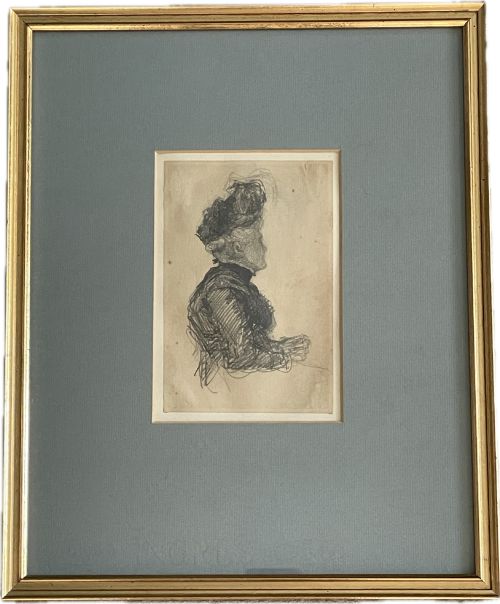
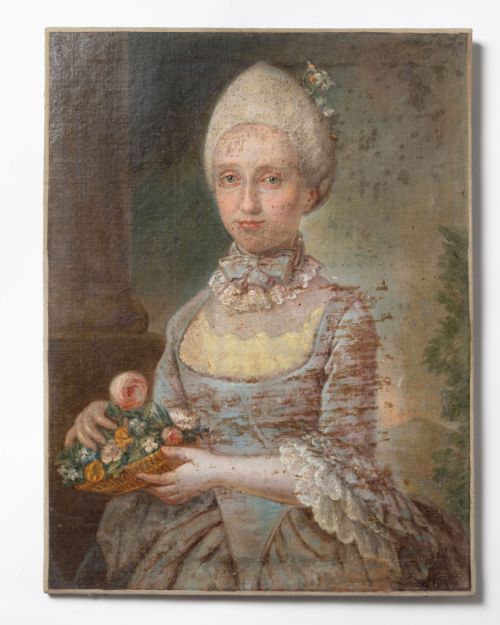
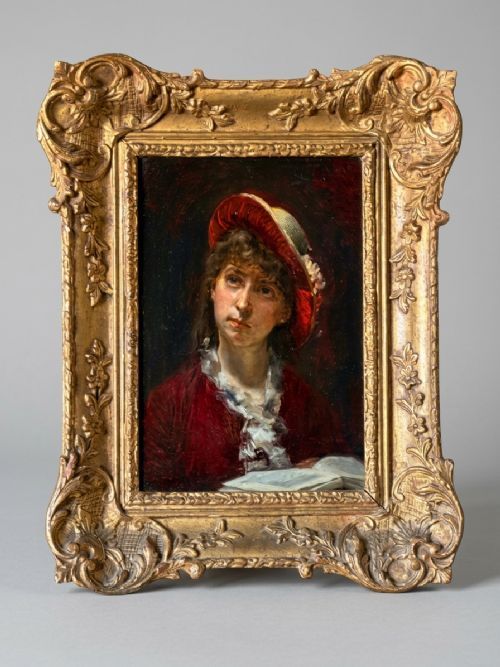
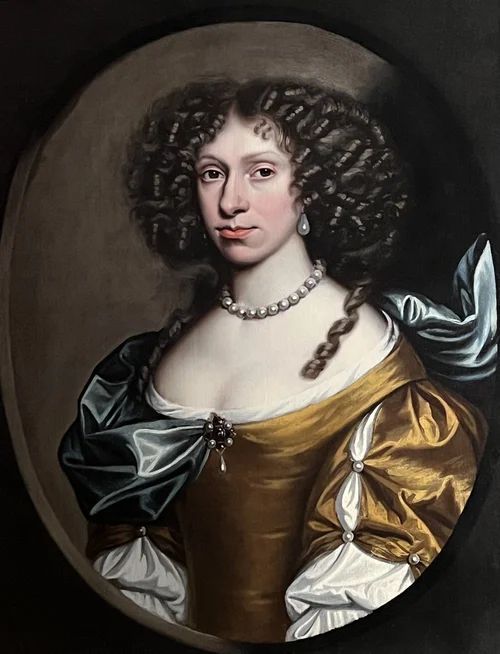
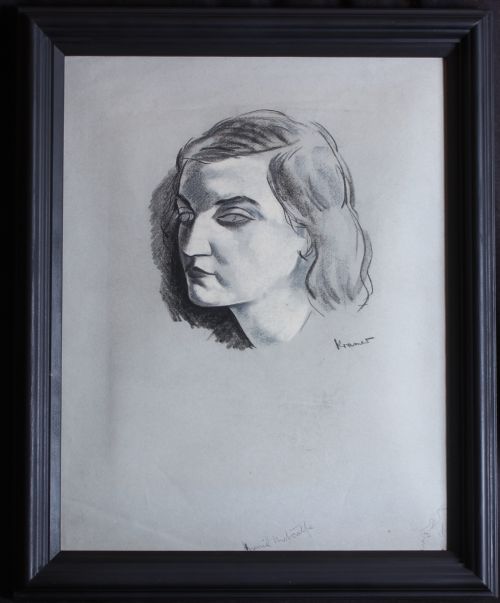
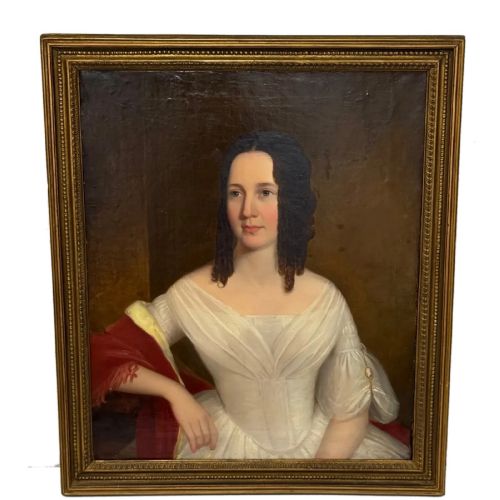
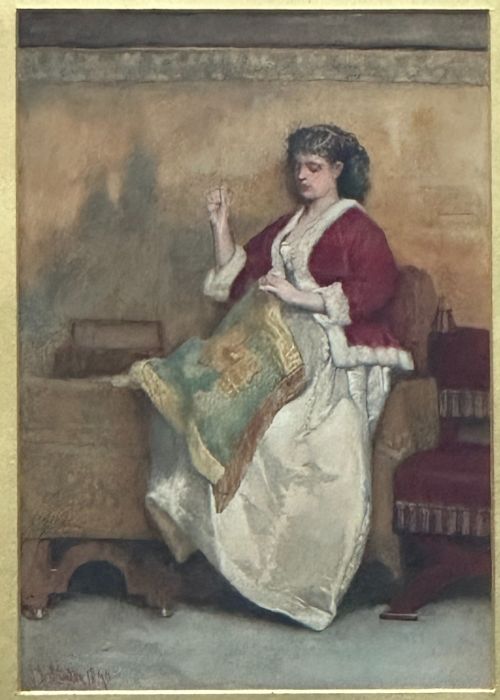
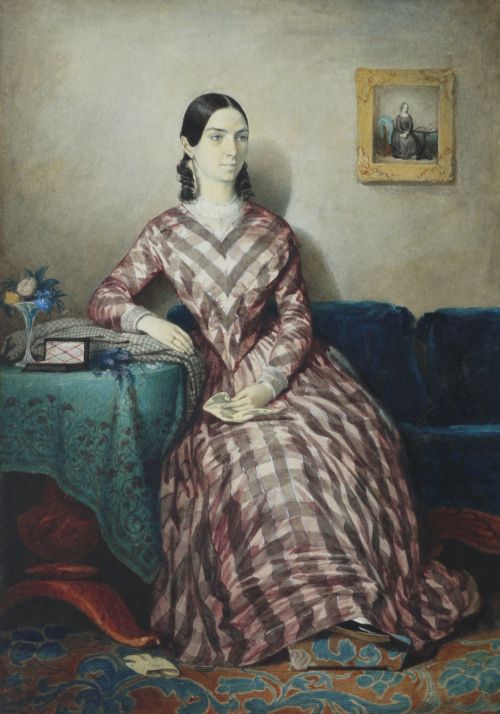
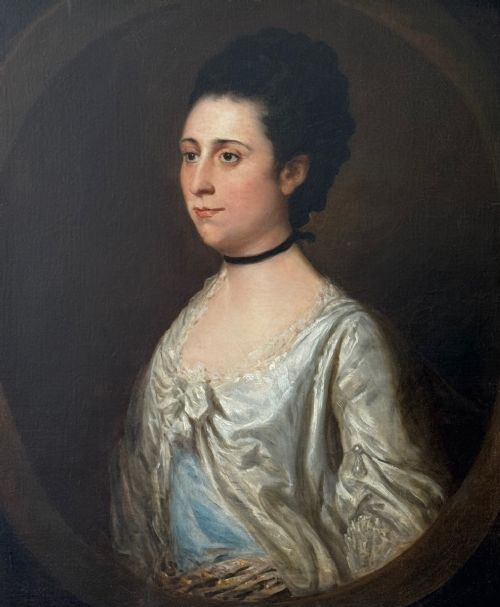
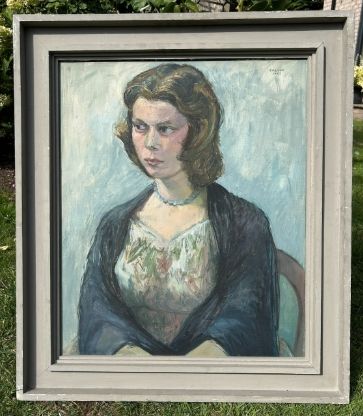
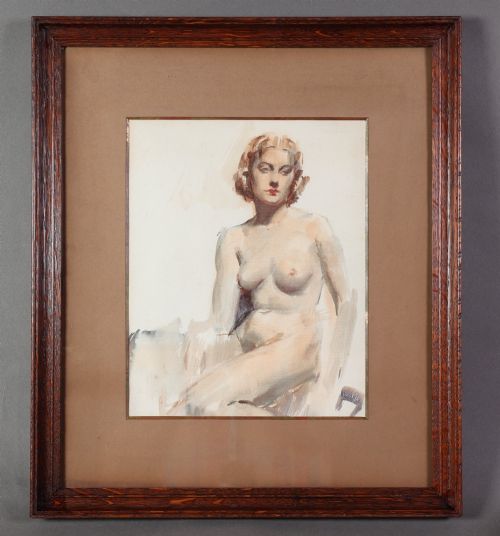
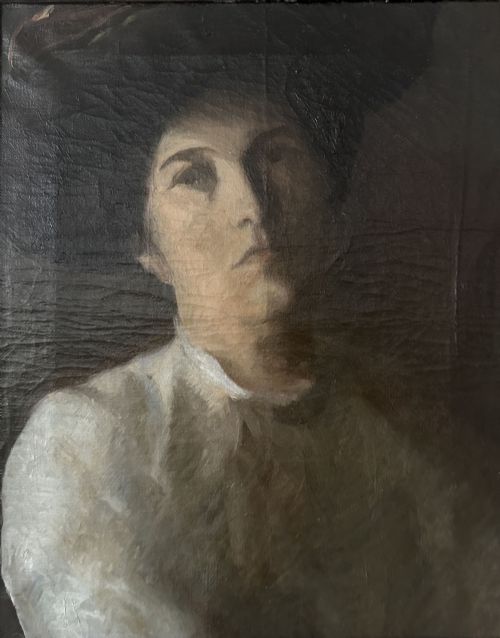
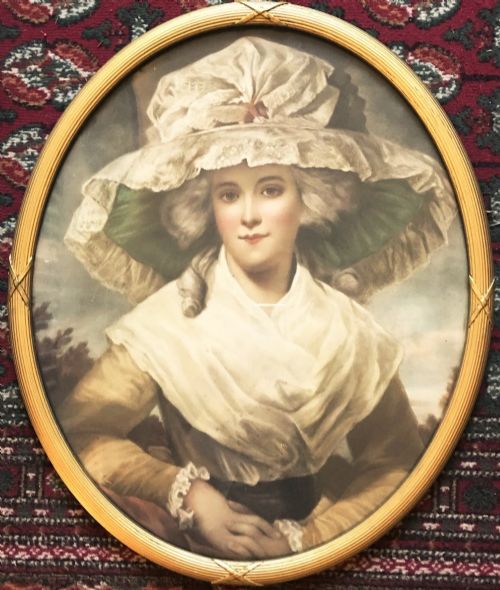
When you search for original female portrait art, you encounter everything from seventeenth-century oil paintings of noblewomen to mid-century impressionist watercolours and modernist studies. The pieces span multiple centuries, capturing sitters in diverse formats such as framed canvas, oval glazed prints and delicate pastels.
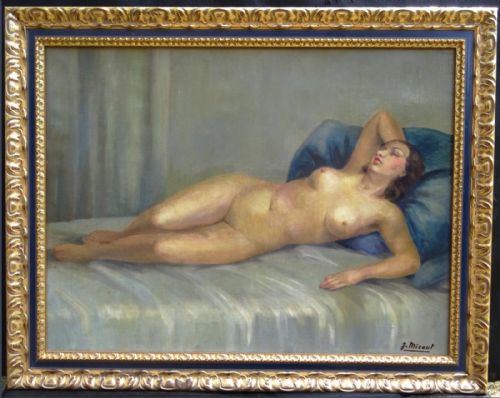
On this page, the most common pieces you meet range from nineteenth-century Victorian oil paintings to 1920s and 1930s works reflecting Edwardian, Art Deco and Post-Impressionist sensibilities. These depictions include formal commissioned portraits, informal domestic moments like sewing or writing, and candid self-portraits.
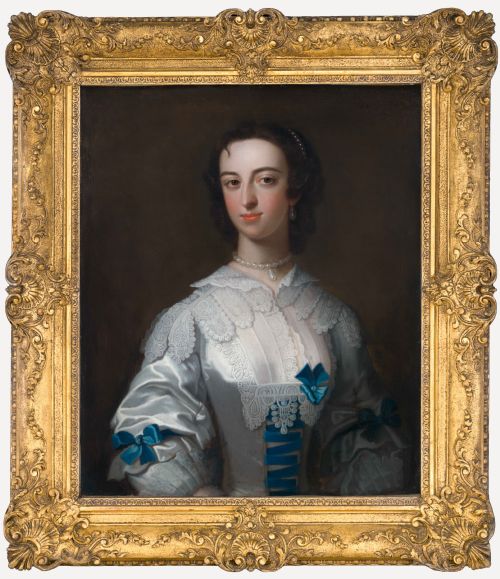
Subjects appear in varied attire, from white satin dresses and blue necklaces to sunbathing scenes and artist studio settings. They originate from British, French and Italian schools, providing a broad geographical spread of historic portraiture.
Materials and Construction
Artists relied primarily on oil paint applied to canvas or wood boards, a technique that built rich texture and depth over the centuries. Watercolours and pastels on paper also appear frequently, offering lighter, more immediate tones often protected behind glass.
Supporting these works, original frames frequently incorporate wood and gold leaf, matching the aesthetic standards of periods from the Georgian era through to the mid-twentieth century.
Original Female Portrait Art Retail Price Guide 2026
Typical asking prices for original female portrait art among the pieces listed under this phrase on Sellingantiques today, from the lower quarter to the upper quarter. They describe what is for sale here now, not the wider market.
Markers of Quality
Quality rests in the precision of the brushwork and the psychological depth captured in the sitter's expression. Masterful handling of light upon fabric, such as satin or wool, distinguishes superior works from more formulaic studio output.
The integrity of the original canvas, the preservation of the pigment without extensive overpainting, and the authenticity of the period frame all contribute to the standing of an individual piece.
G. J. S. Bary·DAVID SCOUGALL·Sir James Dromgole Linton·JOHN HAYLS·CHARLES JERVAS·Kenneth Cozens·John Opie RA·Frank Dobson·Gladys Marguerite Baker·Achille-Fould·Louis Icart·Augustus John·Nicolaes Maes·Howard Barron·Raymond Moritz·Henri Vincent-Anglade·Gaetan Dumas·Attilio Toro·Allan Douglas Davidson·Henry E Hobson·William Henry Knight RA·Philip Naviasky·Walter Goodin
The Original Female Portrait Art Glossary
- Canvas
- A heavy woven fabric stretched across a wooden frame to serve as a sturdy surface for oil painting. It remains the most common substrate for historic portraits.
- Oil Paint
- Pigment mixed with drying oils that allows for smooth blending and rich, luminous colours. This medium dominates the historic portrait selection.
- Pastel
- A dry drawing medium made of powdered pigment and a binder, creating velvety colour on paper. These works require glazing and framing to protect the fragile surface.
- Post-Impressionism
- An art movement extending beyond impressionism that focused on symbolic content and expressive use of paint. Works in this style show bolder colour choices and personal interpretation.
- Provenance
- The documented history of ownership of an artwork that helps confirm its authenticity and origin. Detailed provenance often reveals the identity of the sitter and the commissioner.
Original Female Portrait Art: Frequently Asked Questions
How do I date an old portrait?
Dating relies heavily on the sitter's costume, hairstyle, and any inscriptions left on the reverse of the canvas or frame. Stylistic clues within the brushwork and pigments also help narrow down the decade.
Comparison with documented works by the same school or artist provides further confirmation of the period.
Are these portraits of real people?
Many depict named historical individuals, family members, or studio assistants whose identities were recorded on the back of the frame or within gallery archives. Others represent anonymous sitters or models from specific regional schools.
In some cases, such as self-portraits, the artist painted themselves directly from a mirror.
How should I hang original art?
Portraits require stable wall space away from direct sunlight and damp conditions to protect the canvas, paper, and historic frames. Proper picture-hanging wire secured to wall studs ensures the weight is safely distributed.
Keep pieces clear of direct heat sources to prevent the wood and canvas from warping over time.
What is the difference between oil and watercolour?
Oil paintings utilise slow-drying paint on canvas or board, allowing for deep layers, rich textures, and reworkings by the artist. Watercolours use water-soluble pigments on paper, creating translucent, luminous images that require glass protection.
Oils generally offer greater durability, whereas watercolours present a lighter, more intimate aesthetic.