



Original English Countryside Art
Original English countryside art captures rural Britain through traditional paintings, offering a direct view into pastoral heritage.
Original English Countryside Art
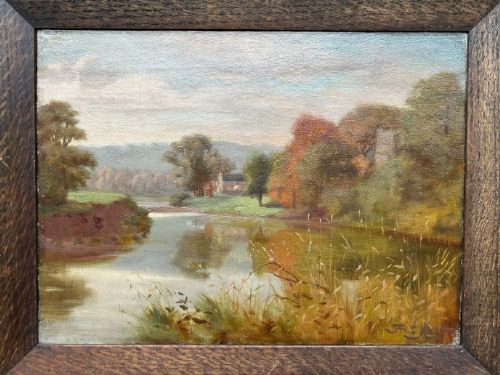
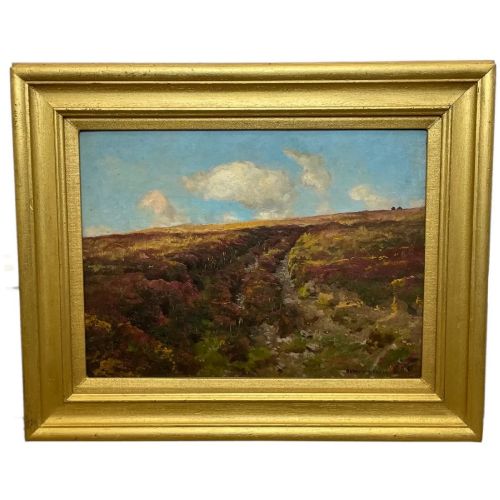
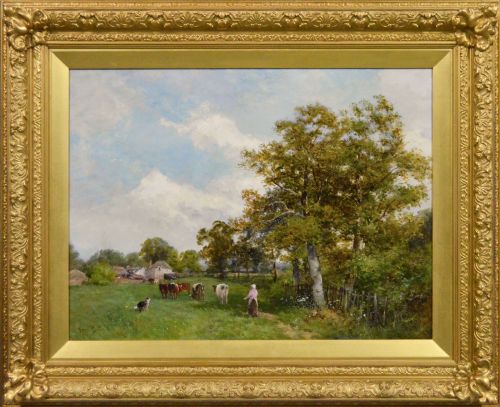
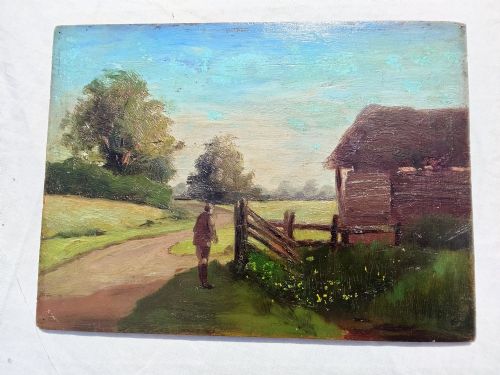
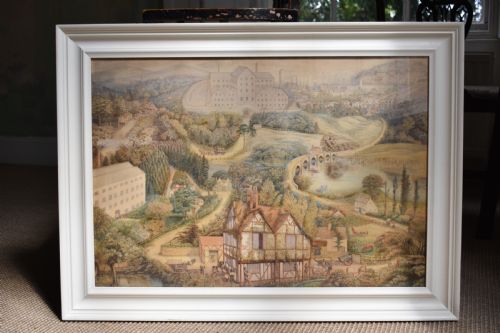
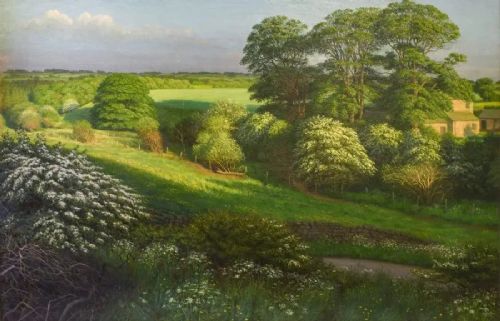
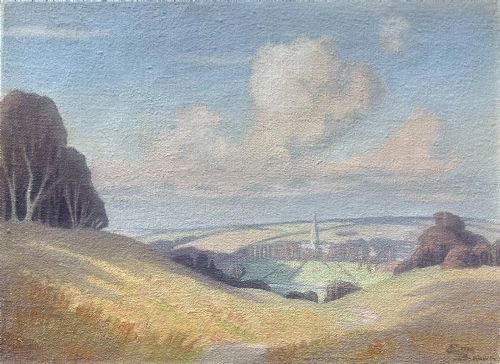
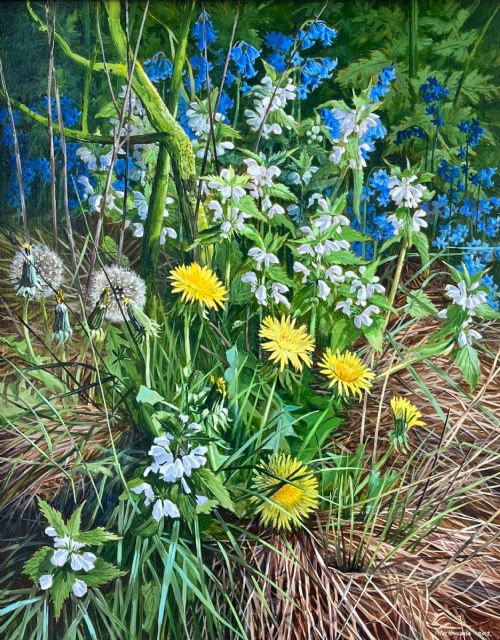
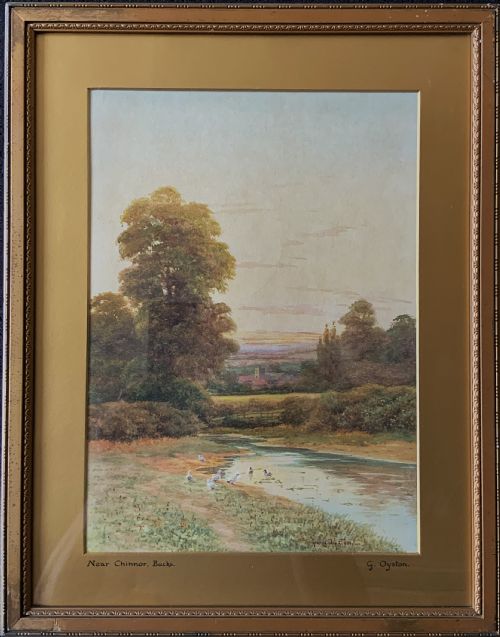
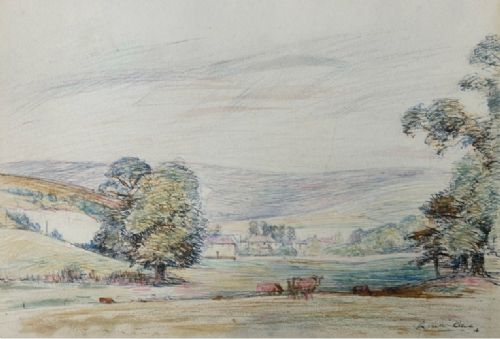
Original English countryside art encompasses framed paintings and watercolours depicting rural landscapes, rivers, villages, and farm life across Britain. These works record local topography, from Yorkshire valleys and Dorset coasts to Sussex hills and Kentish lanes.
The selections here are predominantly nineteenth and twentieth-century pieces, spanning the Victorian and Edwardian eras through to mid-century modern British movements. Buyers regularly encounter river scenes, cottage views, and pastoral studies involving livestock or figures within open fields.
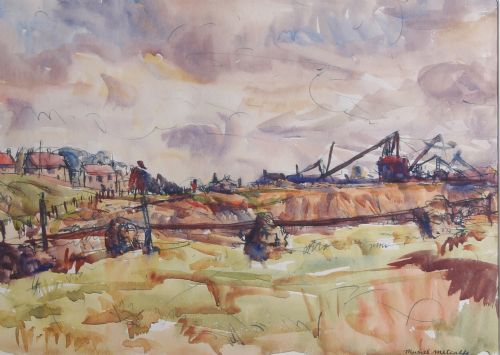
Works typically arrive framed, using mediums such as oil on canvas, oil on panel, wooden board, or delicate watercolour on paper. Each piece presents a distinct regional view created by British artists observing local scenery.
Materials and methods of production
Artists painted these rural scenes using oil paints or watercolours applied to canvas, wooden panels, or heavy paper. Oil mediums allowed for rich textures and deep colour layering, particularly visible in impasto landscape applications.
Watercolour works relied on fluid washes and precise brushwork to capture natural light across skies and waterways. Canvases and panels were mounted in period wooden frames, often preserving the original presentation of the era.
Several canvases quietly record forgotten Gypsy caravans resting in nineteenth-century lanes.
Elements that determine quality
Quality in these rural paintings rests upon the artist's handling of natural light, atmospheric depth, and spatial composition. Superior works demonstrate confident brushwork and accurate tonal balance that bring movement and life to the landscape.
The relationship between the subject matter and the support medium influences the overall impact. Skillful execution in capturing specific regional topography and architectural or botanical detail elevates the piece above standard topographical records.
George Graham·Frederick Marriott·Arthur Wardle·David Bates·Muriel Metcalfe·Lucy Pratt·Raymond Booth·Eric Brown·Peter Newcombe·George Oyston·Russell Sidney Reeves·Florence Adelina Hess·John Horace Hooper·Hubert Wellington·Alfred George Morgan·Edgar Woollatt·Joseph Edward Hennah·Charles Gregory·Helen Layfield Bradley·Henry Charles Fox·Herbert Royle·Cuthbert Crossley·John Sanderson Wells·Reginald Grange Brundrit·Fred Lawson
The Original English Countryside Art Glossary
- Impasto
- A technique where paint is laid onto a canvas in thick areas, making brush or palette-knife strokes visible. This method adds tactile three-dimensional quality to surfaces.
- Watercolour
- A painting method in which the paints are made of pigments suspended in a water-based solution. It produces translucent washes of colour on paper supports.
- Oil on canvas
- Pigments bound in a drying oil applied to a stretched fabric surface. This combination offers durability and rich colour saturation.
- British Impressionism
- A late nineteenth and early twentieth-century movement focused on natural light and everyday subjects. Painters worked outdoors to capture fleeting atmospheric effects.
Original English Countryside Art: Frequently Asked Questions
What periods do these paintings cover?
The available artworks span from the nineteenth century through the Victorian and Edwardian periods into the mid-twentieth century. This timeline covers shifting artistic styles across British landscape painting.
Most pieces reflect regional British schools operating between eighteen-ninety and nineteen-fifty, capturing rural life before modern suburban expansion.
How should I care for a watercolour painting?
Watercolours require protection from direct sunlight to prevent fading of the pigments on paper. Displaying them away from moisture sources preserves both the paper support and the surrounding mount.
Glazing with appropriate framing glass helps shield the delicate pigments from atmospheric pollutants and humidity fluctuations.
Are these paintings supplied with frames?
Many listings include original or period-appropriate frames that complement the date and style of the artwork. These enclosures help protect the edges of canvases and watercolours.
Buyers should examine listing details to confirm whether a specific piece retains its contemporary frame or historical housing.
What subjects are most common?
Rural river views, wooded landscapes, and coastal settings dominate the selections. Scenes often incorporate agricultural elements such as sheep, cows, cottages, and farm workers.
Artists frequently documented specific local landmarks, including Yorkshire castles, Dorset beaches, and Sussex hills.