
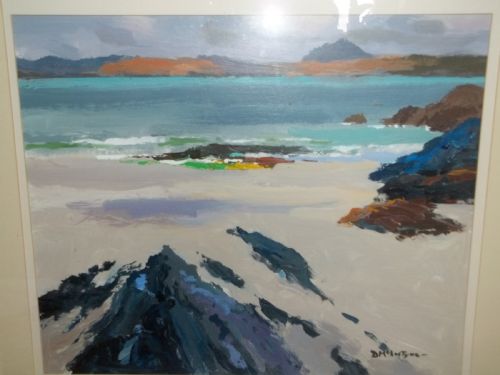
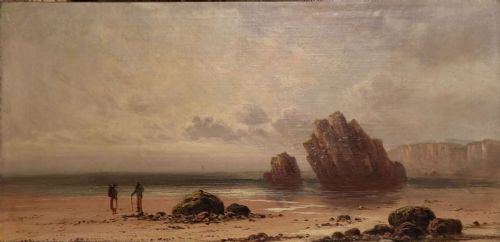

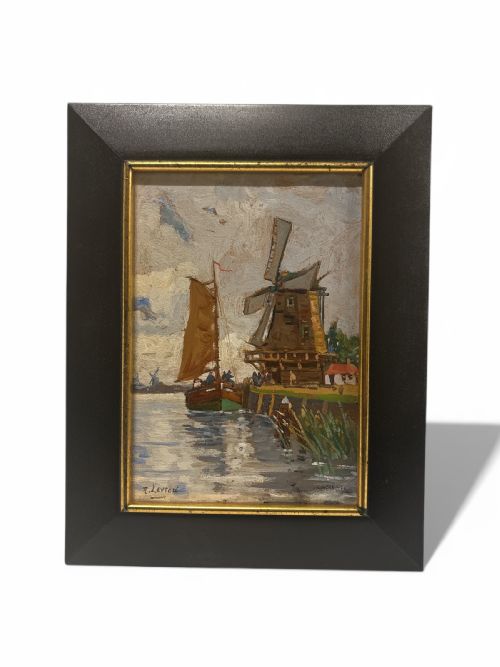

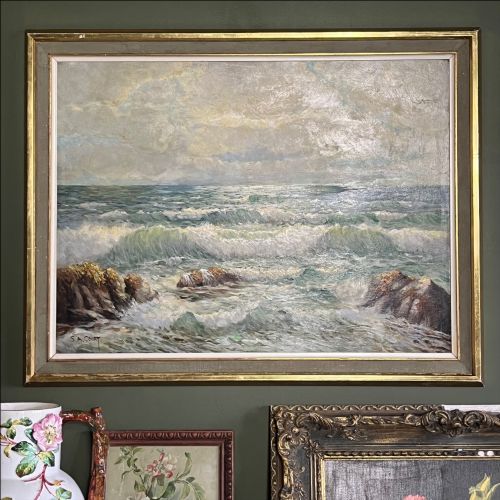
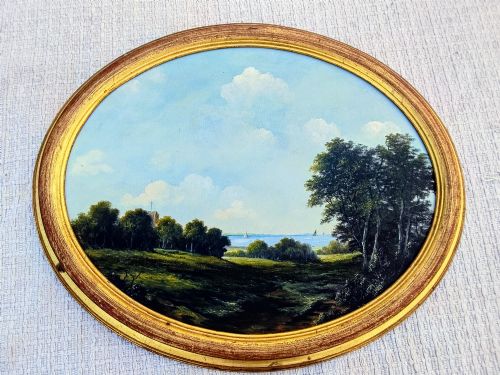
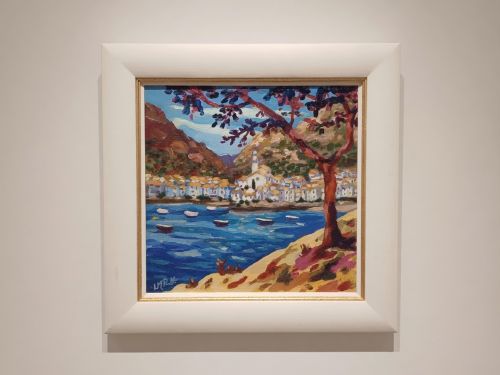
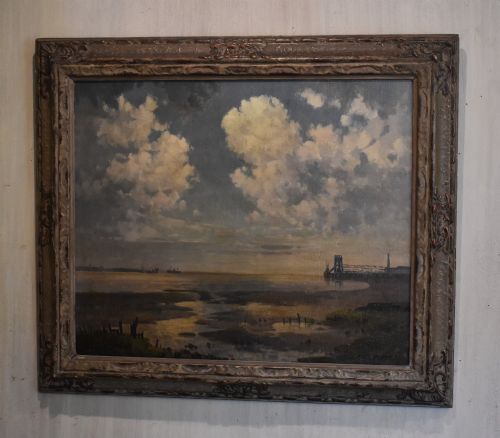
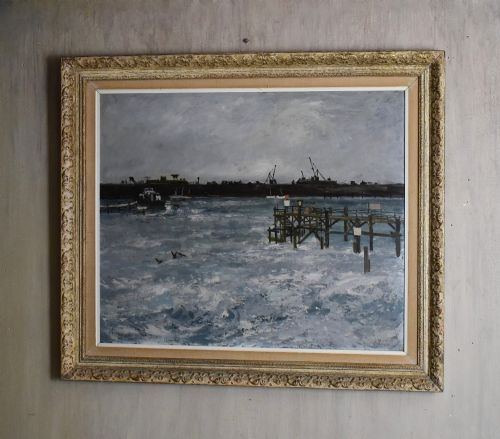
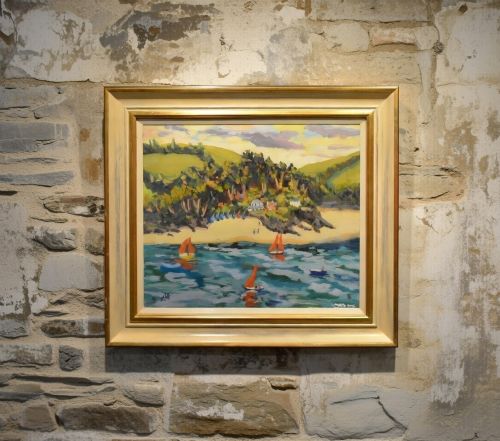
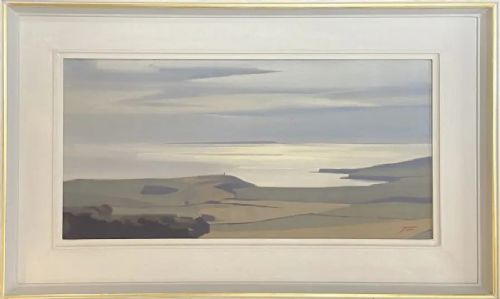
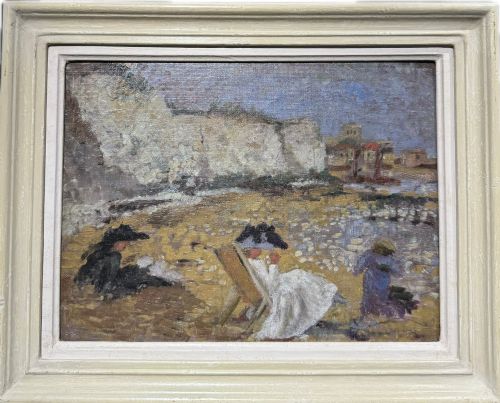
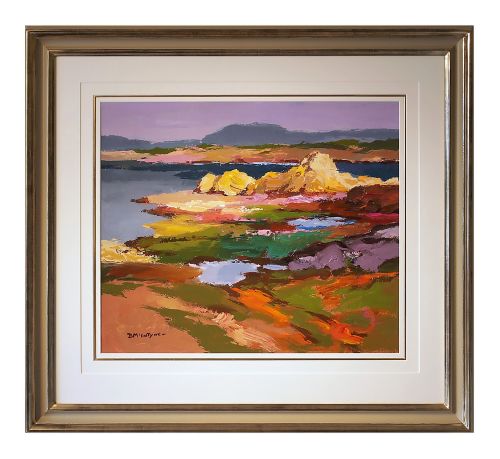
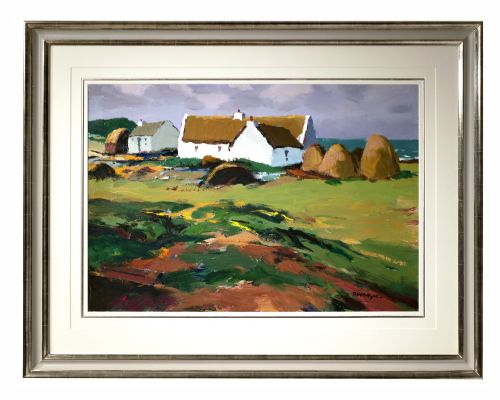
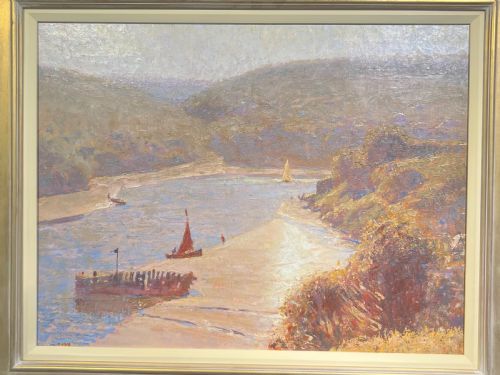
Original Coastal Oil Painting
An original coastal oil painting captures the changing light of the shore using pigments applied to canvas, wood, or board across various periods.
Original Coastal Oil Painting
An original coastal oil painting depicts harbours, cliffs, and maritime scenes through the medium of oil paint. These works span from the nineteenth century through the mid twentieth century, showing British and European coastlines.
Buyers encounter subjects ranging from quiet estuaries and fishing boats to dramatic sea stacks and bustling harbours. The pieces appear on canvas, wood panels, or boards, frequently housed in period gilt frames.
Artisans and painters of various regional schools recorded these shorelines en plein air or within studios. The selections reflect shifts from nineteenth century realism toward impressionist and mid century modern approaches.
How They Were Made
Painters utilised oil paint, valued for its slow drying time and rich pigment load, allowing for subtle blending and thick impasto application. Brushes and palette knives applied the medium directly onto prepared wood panels, stretched canvases, or thick boards.
Support structures typically involved woven canvas stretched across wooden frames or sturdy wooden boards and panels. Many of these artworks retain their original gilt or wooden frames, which protect the edges of the substrate.
Listings feature works executed on canvas, wood, and board across the nineteenth and twentieth centuries.
What Varies in Quality
The strength of composition and the handling of light separate works of high merit from standard examples. Skilled painters captured the atmospheric weight of sea mist and tidal movement with assured brushwork.
The condition of the paint layer and its underlying support dictates the integrity of the piece. Works retaining stable pigments on original canvas or panel without significant retouching represent the upper tier of surviving maritime art.
Kenneth Cozens·Clifford Hanney·Sidney A Court·Clive Browne·Peter Brannan·Lucy Pratt·James Fry·Donald McIntyre·Cecil Allan Mould·Joseph Farquharson·Bernard Benedict Hemy·Walter Goodin·Abraham Hulk I·Raymond Moritz·Joseph Edward Hennah·Edward Matthew Elliott·Charles Napier Hemy·Louis Suire·Helen Layfield Bradley·Gustave Vidal·Gyrth Russell·Jean Baptiste Olive·George Turland Goosey·William Burns·F Legge
The Original Coastal Oil Painting Glossary
- Impasto
- Paint applied thickly to a canvas or board, standing out in relief from the surface. This technique creates a tangible texture that catches the light.
- En plein air
- The act of painting outdoors to capture direct natural light and weather conditions. Artists taking boards outside recorded immediate coastal atmosphere.
- Gilt wood
- Wood coated with a thin layer of gold leaf or gold paint. Frames constructed in this manner frequently accompany period marine paintings.
- Canvas
- A heavy woven fabric stretched tightly across a wooden frame to act as a painting surface. It serves as a primary support for oil mediums.
- Board
- A rigid flat sheet of wood or compressed material utilised as a support for paintings. Many mid century coastal works utilise this substrate.
Original Coastal Oil Painting: Frequently Asked Questions
How do I date an oil painting?
Dating relies on stylistic evidence, stretcher construction, and framing materials recorded by the artist or dealer. Signatures and exhibition labels on the reverse also offer chronological markers.
Changes in subject matter and painting technique across the nineteenth and twentieth centuries help narrow the period of creation. Comparative examples from known working dates of artists provide further confirmation.
What is the difference between canvas and board?
Canvas consists of woven fabric stretched over a wooden frame, offering slight flexibility and texture. Board provides a rigid, solid support made from wood or compressed material.
Both supports accommodated oil paint across various periods, though boards became particularly common for plein air sketches and mid century works.
How should I care for an oil painting?
Keep the artwork away from direct sunlight and fluctuating humidity to protect the oil paint and wood supports. Gentle dusting with a soft, dry brush maintains the surface.
Avoid using water or chemical cleaners on the paint layer or the gilt frame. Professional conservators should handle deeper cleaning or repairs.
Are these paintings signed by the artist?
Many pieces feature visible signatures, monograms, or inscriptions left by the painter on the front or reverse. Some works remain indistinctly signed or attributed to specific schools based on style.
Exhibition labels and titles written on stretcher bars often provide additional provenance regarding the origin of the coastal scene.