
Original British Watercolour Art
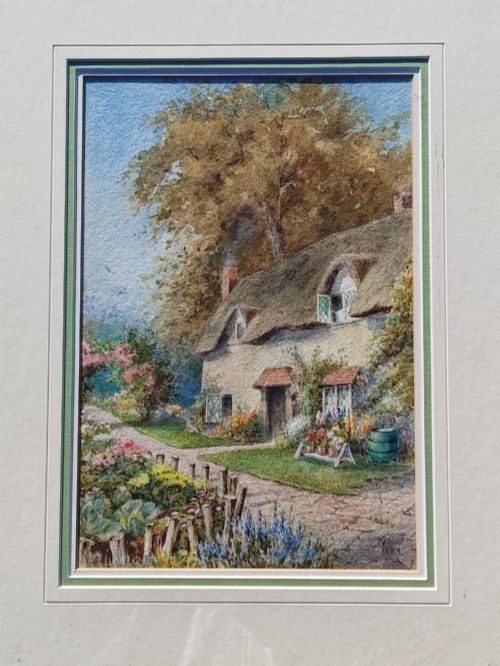
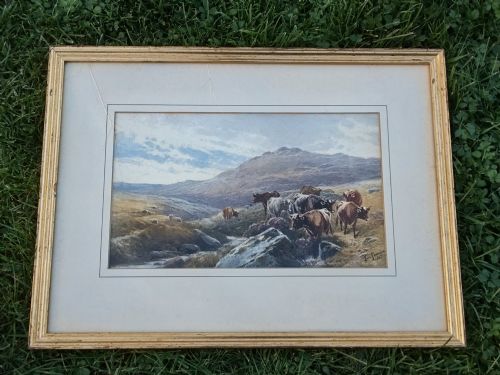
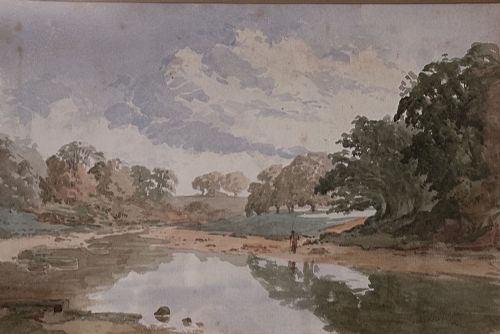
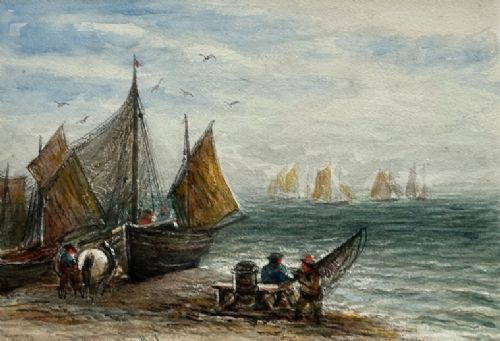
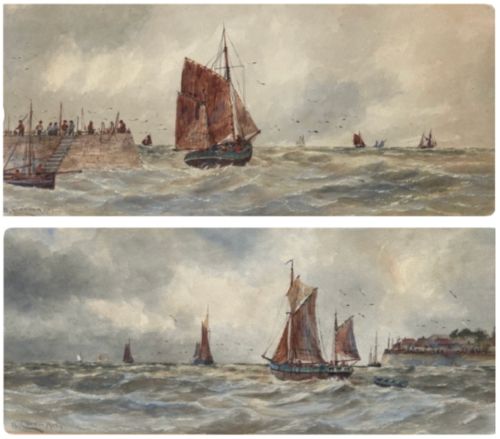
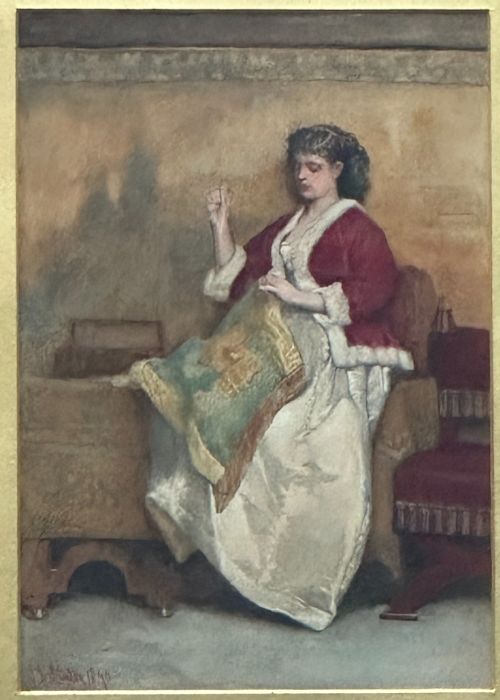
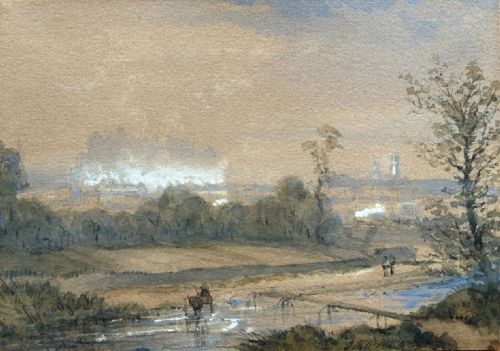
Original british watercolour art captures landscapes, coastal scenes and townscapes on paper through the hands of painters working across the nineteenth and twentieth centuries.
Original British Watercolour Art
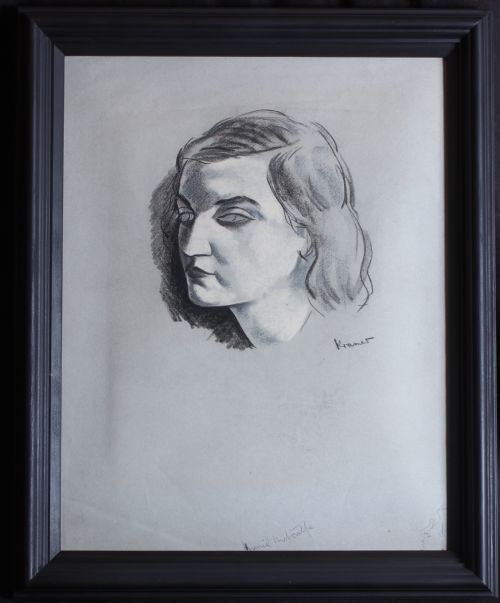
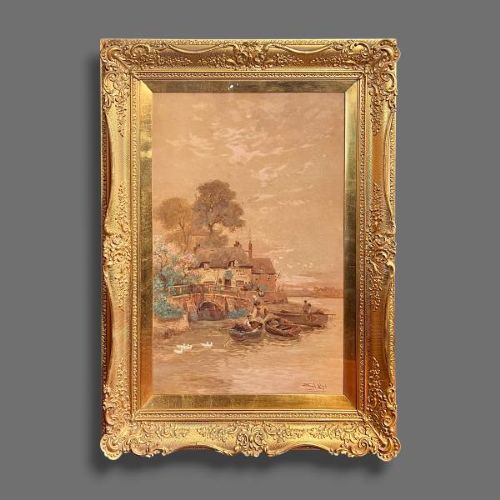
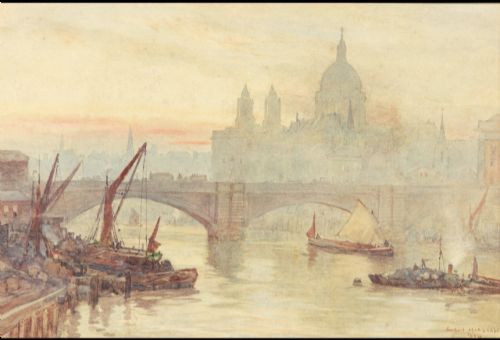
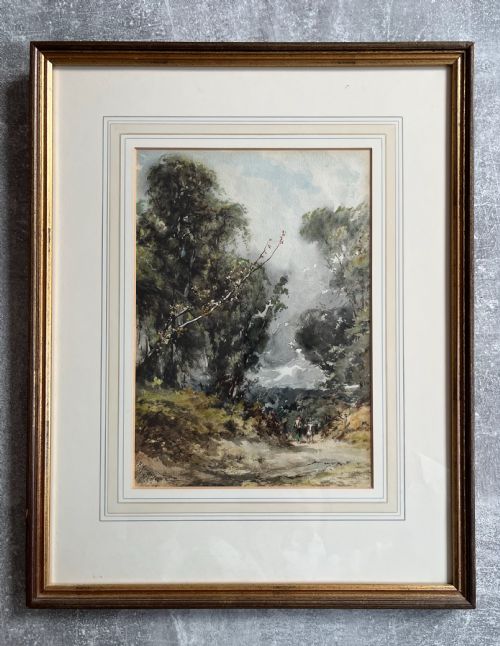
Original british watercolour art comprises framed paintings on paper executed in water-based pigments, ink, wash and graphite. These works document coastal havens, rural farming scenes and urban streetscapes across Britain.
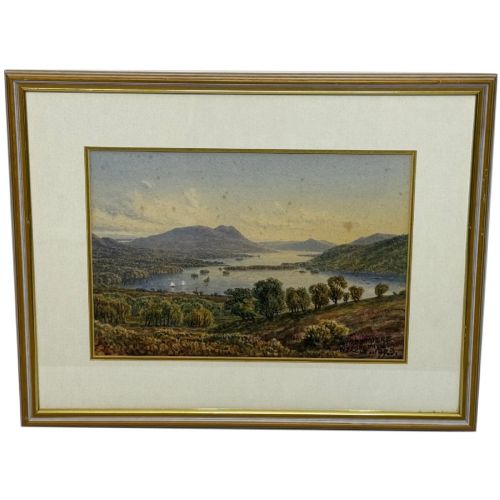
The selections span the Victorian and Edwardian eras, moving through the 1920s and 1930s into mid-twentieth century expressions. Landscapes from Cumbria, Yorkshire, Wales and Scotland frequently anchor the available forms.
Buyers encounter both intimate sketches and detailed signed paintings created by academy members and regional artists alike. These pieces preserve historical views of harbours, rivers and villages through shifting stylistic lenses.
How original british watercolour art was made
Artists applied watercolour pigment and wash onto heavy paper sheets, often laying down initial outlines in graphite or ink. Some compositions incorporate gouache to build opaque highlights and denser colour areas against transparent washes.
Framed behind glass, these delicate paper works relied on stable mounting techniques to protect the water-soluble pigments from moisture and light degradation over decades.
Listings span nineteenth century works through the nineteen-sixties, incorporating Victorian and Edwardian coastal views alongside mid-century British landscapes on paper.
What varies in quality
Quality rests upon the artist's command of light, tone and atmospheric perspective within the medium. Superior examples demonstrate confident brushwork and precise compositional balance that capture movement in water or light on stone.
The condition of the paper surface and the retention of vibrant pigment strength also distinguish finer pieces. Works that maintain their original tonal depth without excessive fading or paper discolouration represent the upper tier.
George Lorain Stampa·George Fotherly Hargitt·James Orrock·William Cannon·Sir James Dromgole Linton·John R Prentice·Thomas Ellison·Alfred Young Nutt·Percy Lancaster·James Smetham·John McDougal·EJ Letheren·Robert Leslie Howey·James E Aitken·Charles Edward Dixon·William Banks Fortescue·Henry Silkstone Hopwood·Muriel Metcalfe·Thomas William Morley·Fred Lawson·Robert Thorne Waite·John Smith Atherton·Hector Caffieri·Richard Henry Wright·Thomas Maidment
The Original British Watercolour Art Glossary
- Watercolour pigment
- Finely ground colour particles mixed with a water-soluble binder for application on paper. This medium allows for transparent washes that build luminous tones.
- Wash
- A thin, fluid layer of diluted watercolour paint spread evenly across paper. Painters utilise washes to create expansive skies and water surfaces.
- Gouache
- An opaque water-based paint containing pigment and a binding agent, often mixed with white. Artists apply it alongside transparent watercolour to add solid highlights.
- Graphite
- A form of carbon used to draw initial preparatory lines beneath the paint. Traces often remain visible beneath transparent pigment layers.
- Framed artwork
- A piece enclosed within a protective wooden structure and glass cover. This presentation preserves delicate paper supports from environmental damage.
Original British Watercolour Art: Frequently Asked Questions
How should I hang watercolour art?
Position paintings away from direct sunlight to prevent the pigments from fading across the paper surface. Stable indoor humidity levels protect both the paper and the wooden frames from warping.
Ensure secure wall fixings support the glass and wood weight safely. Proper placement maintains the integrity of nineteenth and twentieth century works.
What subjects appear most often?
Coastal scenes, fishing boats and harbour views recur frequently across nineteenth and twentieth century British portfolios. Rural landscapes featuring rivers, farms and Welsh or Scottish hills also dominate the regional selections.
Townscapes and architectural studies provide alternative views into historical British environments. These subjects reflect the prevailing topographical interests of period artists.
How do I identify the period?
Signatures, dates inscribed on the front or notes left on the reverse offer the most reliable chronological markers. Stylistic shifts from Victorian detail toward mid-century British abstraction further clarify the era.
Framing materials and paper watermarks occasionally provide additional corroborating evidence. Comparing signatures with known artist working dates confirms the decade of creation.
Are these works always unique?
Paintings executed directly on paper with water-based pigments represent singular hand-drawn and hand-painted creations. Artists produced each composition individually on location or within the studio.
Pairs or series by the same hand share stylistic traits but remain distinct physical objects. Every piece carries the unique touch of the painter's brush.