

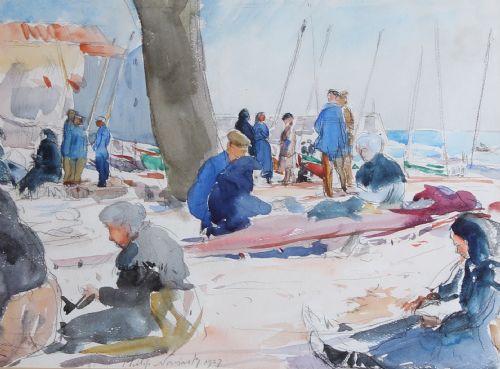
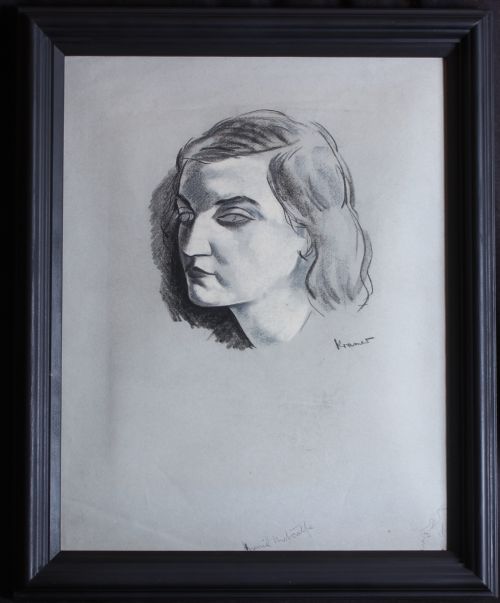
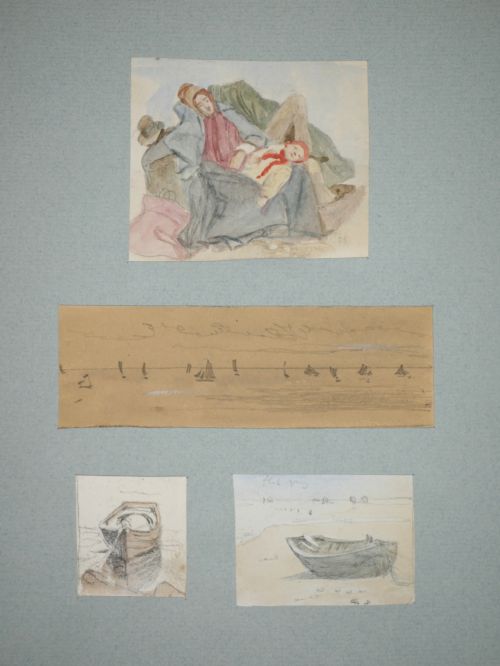
Original Art Sketch
When you search for an original art sketch, you are looking at direct, unmediated handwork on paper that catches an artist's immediate observation.
Original Art Sketch
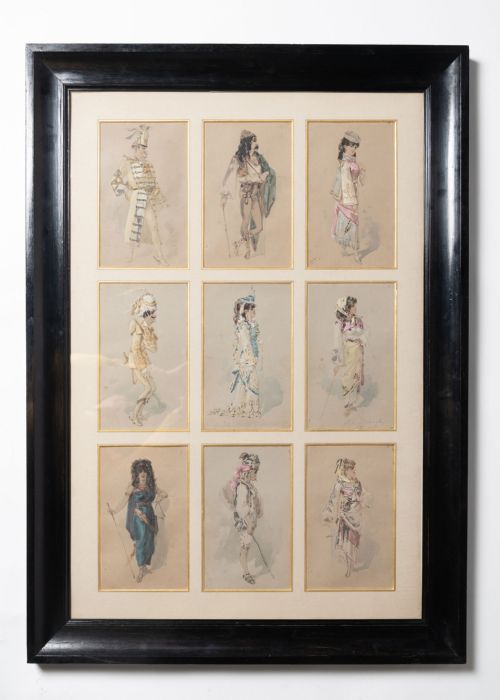
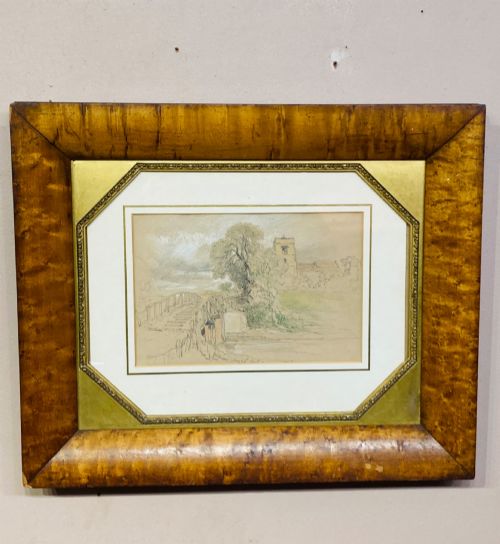
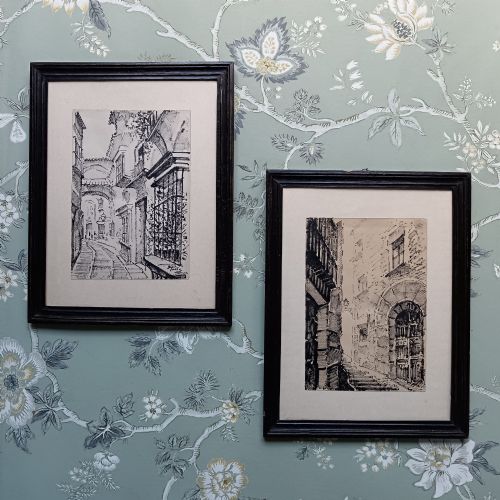
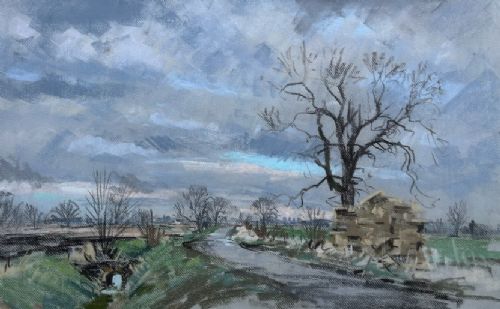
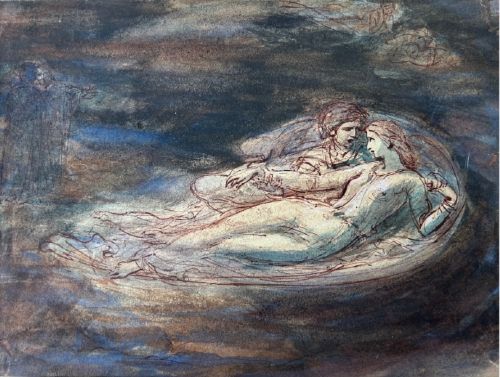
An original art sketch encompasses unique works on paper executed in mediums like pencil, ink, charcoal, and watercolour. These pieces range from rapid compositional notes and preparatory studies to finished portraits and landscapes spanning multiple periods from the eighteenth century to the mid-twentieth century.
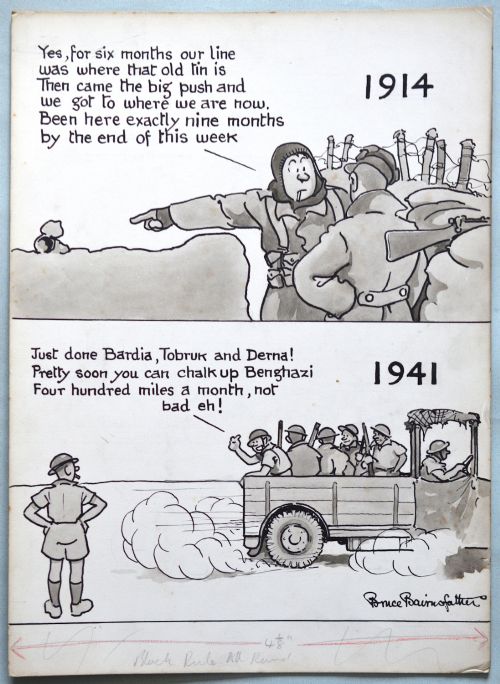
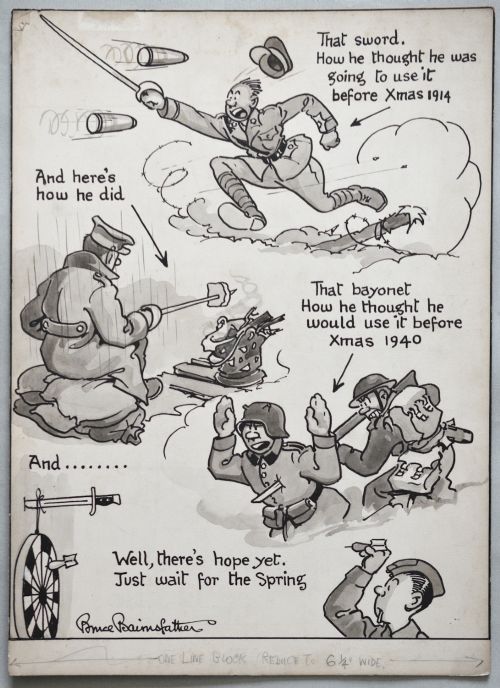
The versions most frequently met on this page include early twentieth-century British landscapes, portrait drawings, and wartime studies rendered in ink, charcoal, and watercolour. Works from this era often display distinct regional connections or modernist influences while retaining the immediacy of a hand-drawn sheet.
The inventory extends across various stylistic movements, incorporating Victorian, Georgian, and Art Deco examples alongside mid-century British and French school compositions. Buyers encounter everything from academic figure studies to caricatures and animal illustrations executed on paper or buff support sheets.
Materials and methods
Artists utilised paper as the primary support, frequently applying graphite, charcoal, or ink to capture rapid contours and tonal shadows. Many works combine media, layering watercolour washes or gouache over pen and ink lines to build depth and colour.
Support sheets vary from standard drawing paper to specialised surfaces like buff paper or paper attached to canvas stretchers for added stability. Pigments and binders were selected for their handling properties, allowing rapid application during outdoor sketching or studio sessions.
Original Art Sketch Retail Price Guide 2026
Typical asking prices for original art sketch among the pieces listed under this phrase on Sellingantiques today, from the lower quarter to the upper quarter. They describe what is for sale here now, not the wider market.
Listings span periods from the Georgian era through the Victorian period and into the twentieth century, utilising materials including charcoal, watercolour, and gouache.
Assessing quality
Quality rests on the confidence of the line and the economy of the mark-making, distinguishing a lively, purposeful study from a hesitant exercise. The finest works demonstrate a sure hand that captures form, expression, or atmosphere with minimal hesitation.
Condition and preservation also define the upper tier of the range, specifically the stability of the paper support, the absence of excessive discolouration, and the retention of vibrant pigment strength in watercolours and gouaches.
Jacob Kramer·Fred Lawson·Cecil Keeling·Henry Percy Huggill·James Smetham·John Hassall·Bruce Bairnsfather·William Marshall Craig·Maurice Brianchon·James Stroudley·Herbert Johnson Harvey·Samuel Rabin·Henri Charles Angéniol·Ludwig van Beethoven·R.S.M. Tucker·Henry de Waroquier·Snaffles·Dame Laura Knight·Cecil Beaton·Michael Healy·Gen Paul·Olga Choumansky
The Original Art Sketch Glossary
- Gouache
- An opaque watercolour medium containing pigment mixed with a water-binding agent and a white inert material. It provides solid, flat areas of colour with a matte finish.
- Wash
- A thin, transparent layer of diluted ink or watercolour applied across paper. Artists employ it to establish broad tonal values and shadows behind linear work.
- Buff paper
- A pale yellowish-brown or tan paper stock often utilised by draftsmen. It provides a neutral mid-tone background that allows highlights in white gouache or chalk to stand out.
- Study
- A preparatory drawing or painting executed to explore a subject or composition before undertaking a larger finished work. These pieces retain raw, unpolished investigative energy.
- Canvas stretcher
- A wooden frame upon which fabric is stretched to tension. In certain instances, paper containing a charcoal drawing is attached directly to this support for display.
Original Art Sketch: Frequently Asked Questions
What is an original art sketch?
An original art sketch is a unique, hand-drawn or hand-painted work created directly by an artist on a paper support. Unlike mass-produced prints, each line and pigment application is singular and made by hand.
These pieces capture the immediate intent of the creator, functioning either as quick observational notes or as fully resolved compositions.
How should I frame works on paper?
Works on paper require careful framing to protect the delicate surface from environmental damage. Utilising conservation-grade, acid-free mats prevents the paper from touching the glass directly.
Keeping the framed artwork away from direct sunlight preserves fugitive watercolours, inks, and pastels from fading over time.
Are these drawings signed by the artist?
Many of the drawings feature signatures, initials, or inscriptions left by the artist, while others are attributed based on stylistic evidence or period documentation. Inscriptions often provide helpful context regarding the subject, location, or date of creation.
Unsigned works are frequently attributed to specific schools or periods when stylistic traits align closely with known hands.
What mediums were used in these sketches?
Artists utilised a variety of drawing and painting mediums, most commonly graphite pencil, ink, charcoal, and watercolour. Combinations of pen and wash or gouache over pencil are also frequently encountered across the selection.
The choice of medium often reflects the period style and whether the work was executed rapidly outdoors or deliberately in a studio.