


Original Art Drawing
An original art drawing brings direct, unrepeated marks of the hand into a room, recording a specific moment from centuries past.
Original Art Drawing
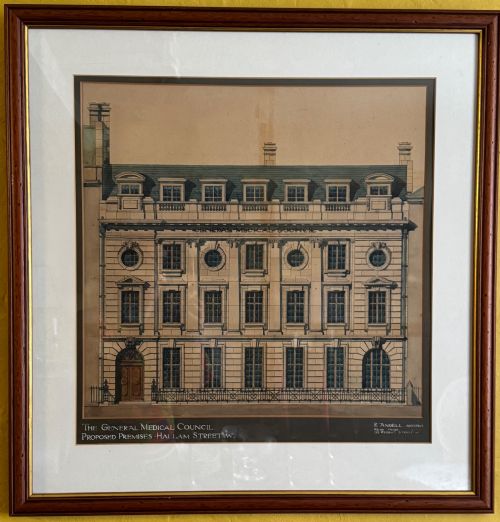
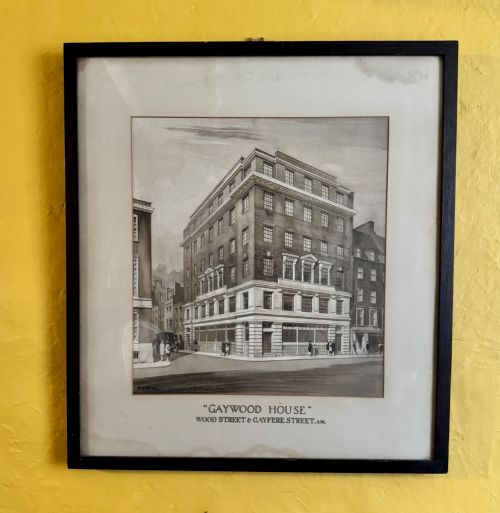
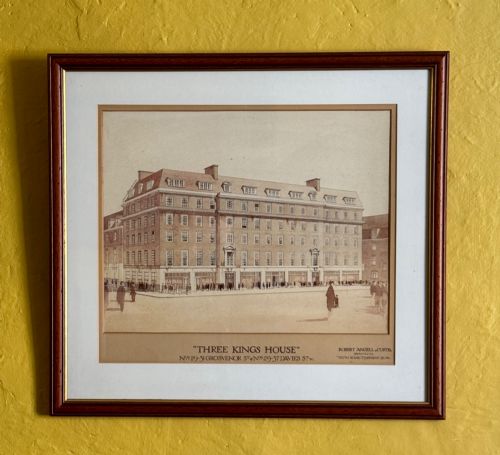
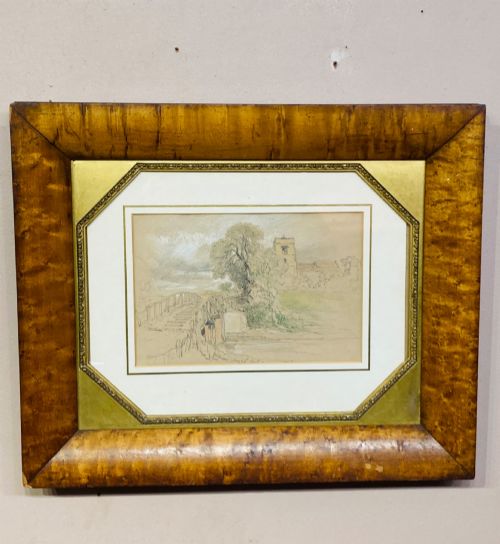
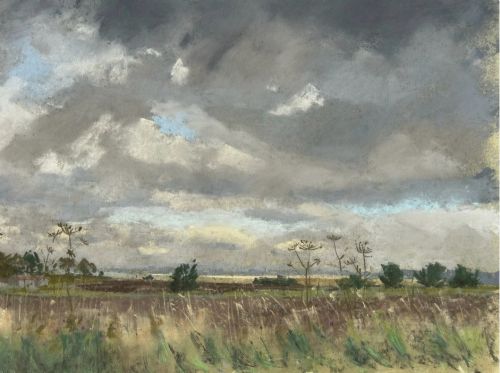
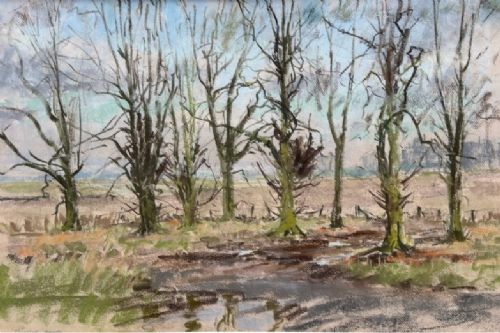
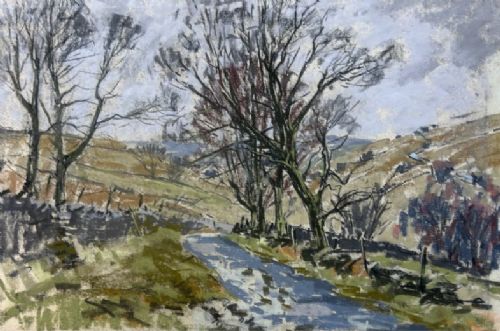
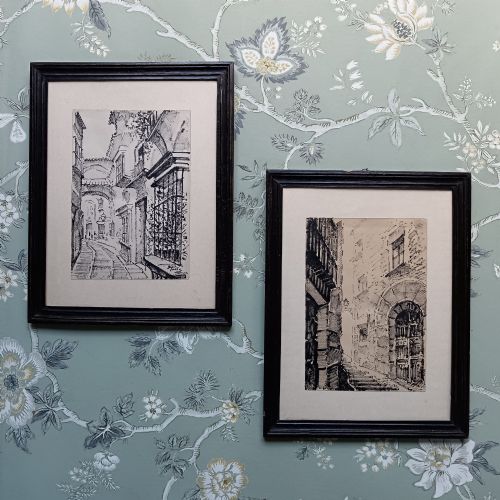
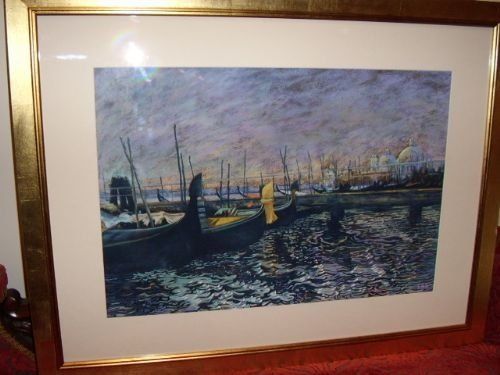
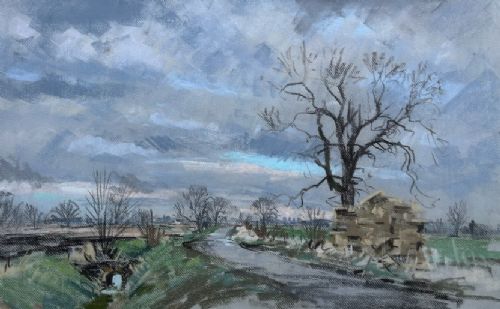
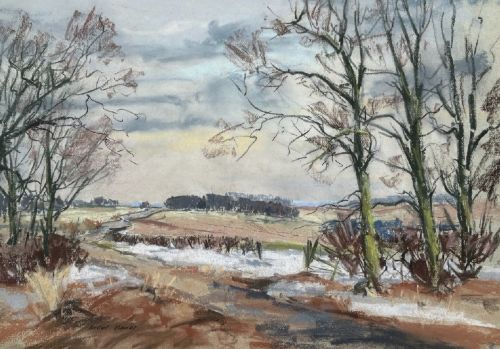
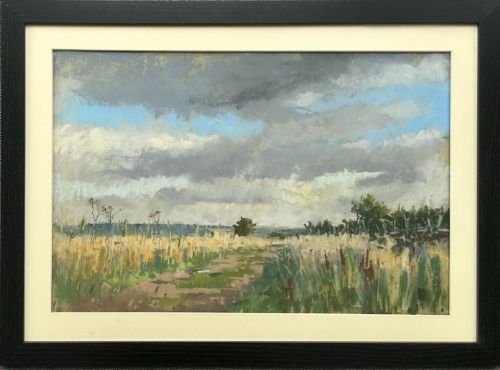
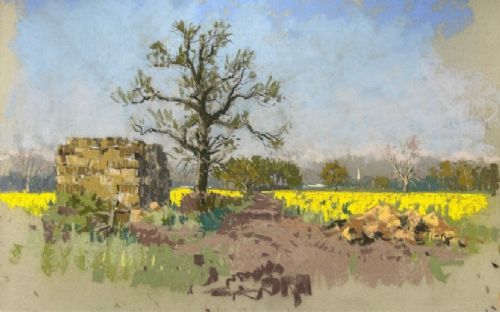
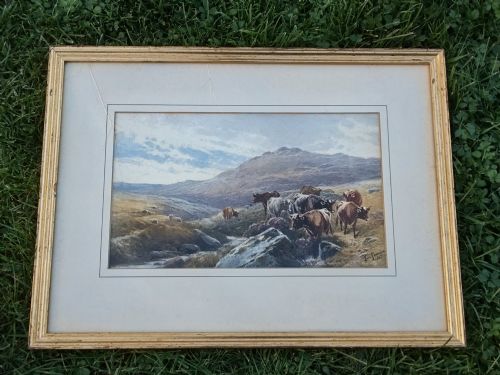
An original art drawing captures a distinct creative vision on paper, executed through direct manual application rather than mechanical reproduction. These works take many forms, from topographical watercolours and swift ink sketches to layered pastel landscapes and precise architectural studies.
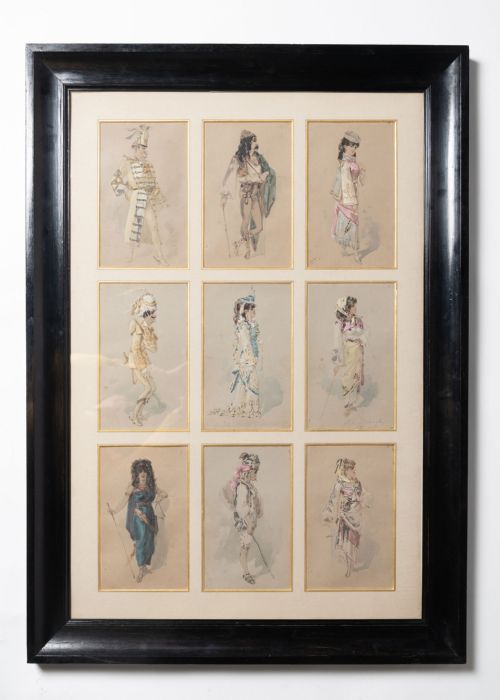
The selections span multiple eras, notably the nineteenth century, Edwardian period, and mid-twentieth century British modernism. Buyers encounter everything from intimate portraiture and wartime illustrations to expansive rural views created by regional artists and named draftsmen alike.
Works on paper often arrive framed, preserving delicate media behind glass to guard against atmospheric damage. Each piece functions as a singular historical artefact, carrying the immediate touch of the maker's pencil, charcoal, or brush.
Materials and technique
Artists relied primarily on paper supports, sometimes utilising buff-coloured stock or mounting sheets directly onto canvas stretchers for added stability. Application methods combined fluid watercolours and gouache with dry media like graphite, charcoal, and pastel.
Ink played a central role, applied with pens or brushes to create sharp outlines, expressive washes, and detailed architectural perspectives. Layering techniques allowed creators to blend pastel pigments or combine ink lines with subtle watercolours on a single sheet.
Original Art Drawing Retail Price Guide 2026
Typical asking prices for original art drawing among the pieces listed under this phrase on Sellingantiques today, from the lower quarter to the upper quarter. They describe what is for sale here now, not the wider market.
Even military men sketched their surroundings; Bruce Bairnsfather recorded life with a pen while navigating the realities of active service.
Qualities that distinguish the works
Quality rests upon the sureness of the hand and the vitality of the mark, distinguishing confident compositional structures from hesitant sketches. Superior examples demonstrate a mastery of tone and line that captures atmosphere, texture, or human likeness with economy and precision.
Context and provenance elevate certain pieces, particularly when a drawing connects to a known artist's wider studio portfolio, a published book, or an important historical portrait subject. The integrity of the preservation, including the survival of original pigments and minimal surface disruption, further defines the standing of each work.
Henry Lines·Angus Rands·Marjorie L Davies·Thomas Rowden·Jacob Kramer·Fred Lawson·Cecil Keeling·Bruce Bairnsfather·George Lorain Stampa·Henry Percy Huggill·Alfred Young Nutt·James Smetham·William Marshall Craig·Maurice Brianchon·Frank Dobson
The Original Art Drawing Glossary
- Gouache
- An opaque watercolour paint that uses a binding agent and added white pigment to create solid, flat fields of colour. It allows artists to build highlights over darker washes.
- Pastel
- A dry art medium consisting of powdered pigment and a binder, shaped into sticks for direct application to paper. It produces rich, velvety surfaces with high colour luminosity.
- Provenance
- The documented history of ownership surrounding a work of art. It establishes authenticity and traces the path of the piece from the artist's studio onward.
- Wash
- A thin, transparent layer of diluted watercolour or ink spread evenly across paper with a brush. This technique establishes atmospheric backgrounds and shadows.
Original Art Drawing: Frequently Asked Questions
What is the difference between an ink drawing and a watercolour?
An ink drawing relies primarily on lines and hatched marks made with a pen or fine brush, focusing on contour and tonal contrast. Watercolour employs pigmented washes suspended in water, prioritizing colour and fluid transitions of light.
Many historic sheets combine both techniques, utilising ink for the initial framework and watercolour to tint the composition.
How do I care for works on paper?
Keep drawings away from direct sunlight and high humidity, both of which accelerate paper yellowing and pigment breakdown. Stable indoor temperatures prevent the paper expansion and contraction that causes buckling within the frame.
Inspect sealed frames periodically for signs of insect activity or moisture ingress. Professional conservators can address minor mounting failures without altering the historic paper.
Why are some drawings mounted on canvas?
Artists and early restorers occasionally attached paper drawings to canvas stretchers to provide structural support for fragile or oversized sheets. This method prevented warping and made handling easier before modern framing standards developed.
Such historic mounting techniques form part of an artwork's physical history and should be preserved rather than reversed.