




Orientalist Bronze Art
Orientalist bronze art captures nineteenth and early twentieth-century foreign subjects through detailed figures, bringing dramatic narratives and historical characters into the room.
Orientalist Bronze Art
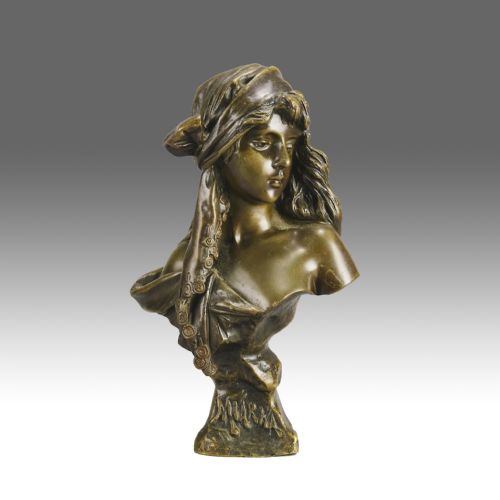
Orientalist bronze art covers sculptures, busts, table lamps, and wall art produced across the nineteenth century and into the nineteen-twenties. These pieces draw heavily on subjects from North Africa, the Middle East, and South Asia, translating figures like merchants, dancers, and falconers into metal.
The selections available here range from austere classical figures mounted on marble bases to elaborate cold-painted lamps. Buyers encounter specific character studies such as slave girls and Arab traders alongside large decorative plaques.
Originating largely from European foundries and studios during distinct periods like Art Nouveau and Art Deco, these works merge traditional sculptural methods with exotic narrative themes.
How orientalist bronze art was made
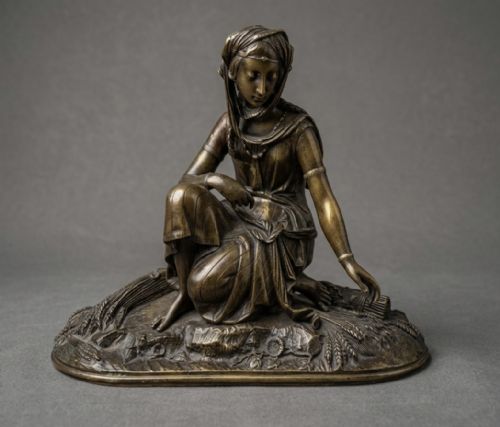
Foundries utilised traditional casting methods to form these sculptures, often employing the lost-wax technique to capture intricate details in the clothing, hair, and facial expressions of the subjects. Bronze was frequently combined with marble bases or earthenware components to add weight and structural contrast.
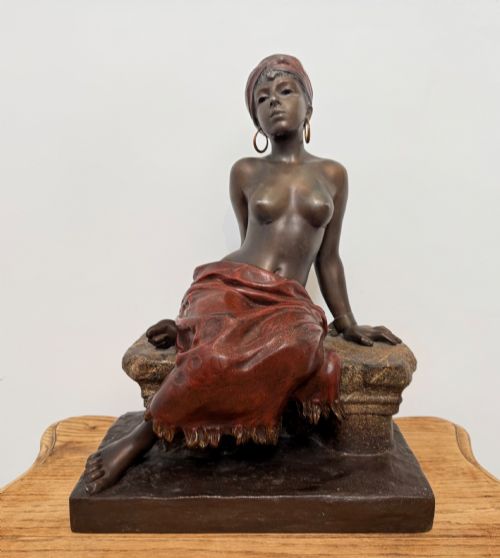
Many works received a patinated finish to enhance depth in the metal surfaces, while others incorporated cold-painted finishes to apply vibrant colours directly to the bronze. These varied treatments allowed makers to highlight specific textures in garments, skin, and surrounding objects.
Orientalist Bronze Art Retail Price Guide 2026
Typical asking prices for orientalist bronze art among the pieces listed under this phrase on Sellingantiques today, from the lower quarter to the upper quarter. They describe what is for sale here now, not the wider market.
Several ladies hiding inside Egyptian sarcophagi demonstrate that nineteenth-century sculptors occasionally combined dramatic history with theatrical surprises.
What varies in quality
The integration of materials also determines standard, particularly where bronze meets marble or where cold-painted pigments are applied. Master founders achieved a harmonious balance between the metalwork and the secondary materials, ensuring the piece holds visual presence from every angle.
Emmanuel Villanis·Georges-Charles Coudray·Arthur Waagen·Charles Arthur Bourgeois·Franz Bergman·Claire Colinet·Bruno Zach·Demetre Chiparus·Pierre Jules Mène
The Orientalist Bronze Art Glossary
- Patinated bronze
- Bronze that has been treated with chemical solutions to produce a specific surface colour or tone. This process protects the metal and accentuates sculptural details.
- Cold-painted bronze
- Metal sculpture painted with oil or enamel paints after casting, rather than fired in a kiln. This technique allows for bright, multi-coloured decorative finishes.
- Lost-wax casting
- A method of metal casting where a molten metal is poured into a mould that has been created by means of a wax model. The wax is melted and drained away to leave the cavity for the bronze.
- Art Deco
- A design style emerging in the nineteen-twenties characterised by sleek lines, geometric shapes, and stylised representations of the human form. It influenced numerous bronze figures and lamps of the era.
- Art Nouveau
- An international style of art and architecture popular around nineteen hundred characterised by undulating asymmetrical lines inspired by natural forms. Sculptors applied this aesthetic to flowing hair and draped garments.
Orientalist Bronze Art: Frequently Asked Questions
What is orientalist bronze art?
Orientalist bronze art comprises sculptures and decorative objects created in Europe during the nineteenth and early twentieth centuries that depict non-Western subjects, particularly from the Middle East and North Africa.
These pieces range from small table figures and busts to lamps and wall plaques, reflecting European artistic interest in foreign cultures and historical narratives.
How do I identify periods?
Period identification relies on observing the stylistic markers of the design, such as the flowing organic lines typical of Art Nouveau around nineteen hundred or the geometric austerity of Art Deco from the nineteen-twenties.
Signatures, foundry marks, and the choice of accompanying materials like marble bases also help anchor a piece to a specific decade or movement.
Where should I place these sculptures?
These sculptures suit stable, level surfaces away from direct heat sources and excessive moisture to protect the bronze patina and any applied cold-painted finishes.
Larger floor or table pieces require sturdy furniture that can safely support the combined weight of the metal and its stone base.
How do I clean cold-painted bronze?
Cleaning requires a soft, dry cloth to gently remove dust from the surface without disturbing the delicate paint layers.
Water, solvents, and abrasive cleaners must be avoided entirely, as they strip the cold-painted pigments and damage the underlying bronze.