


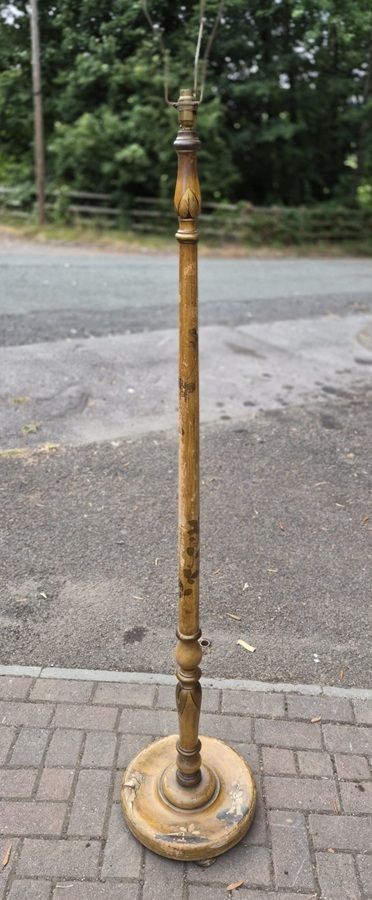
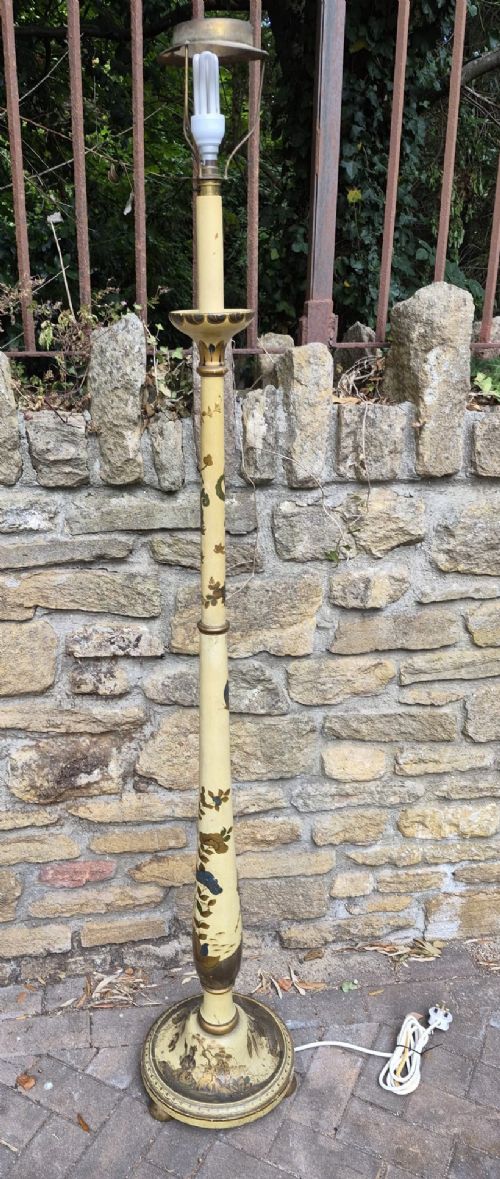
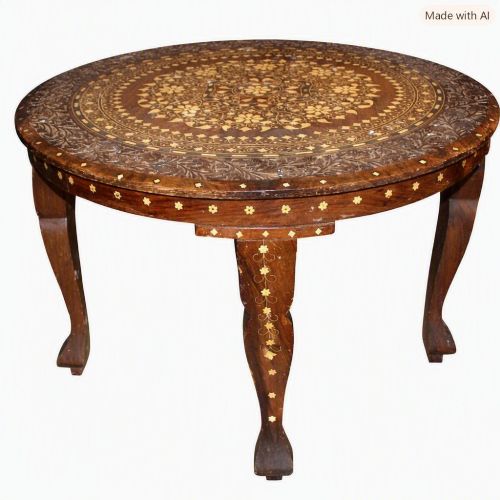
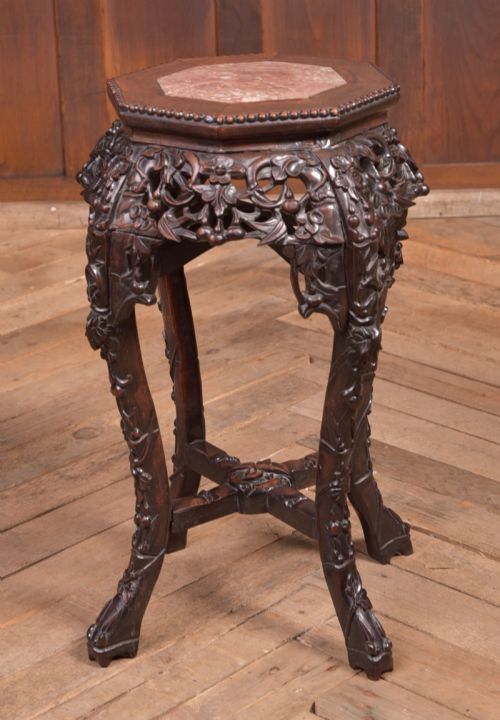
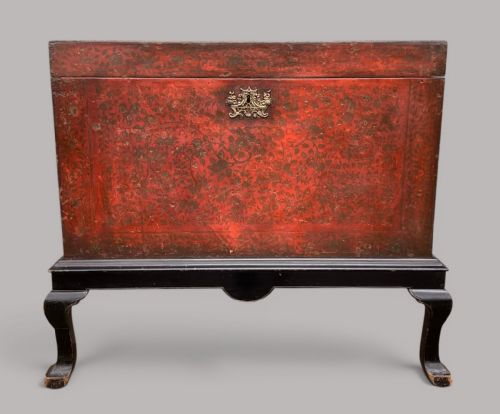
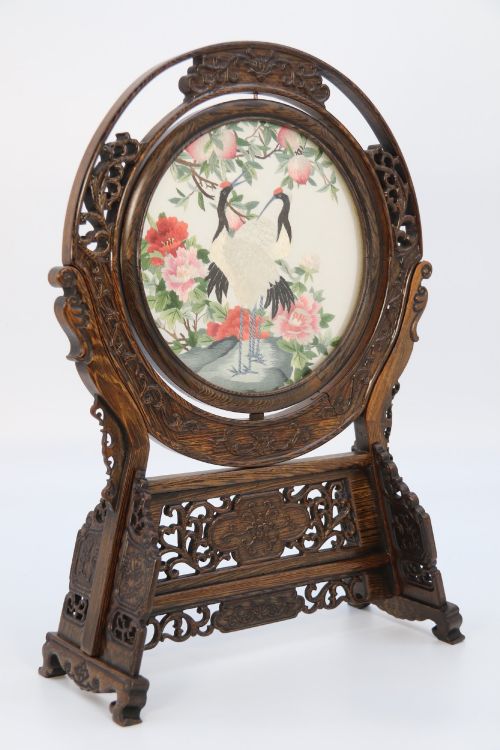
Oriental Wood Stand
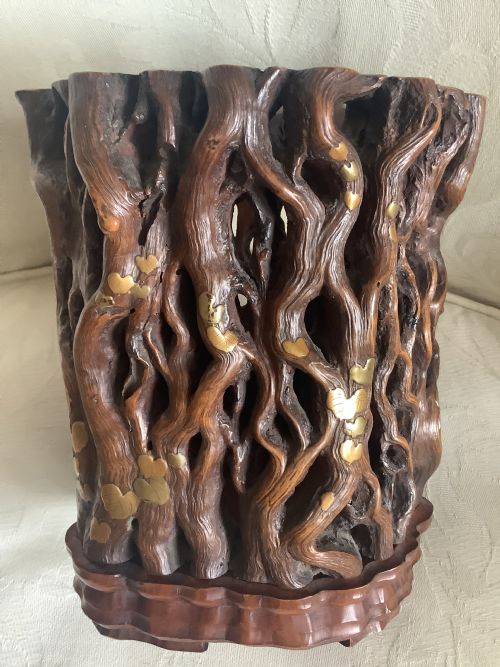
An oriental wood stand holds ceramics, plants, and art objects, bringing dense carving and rich timber into a room.
Oriental Wood Stand
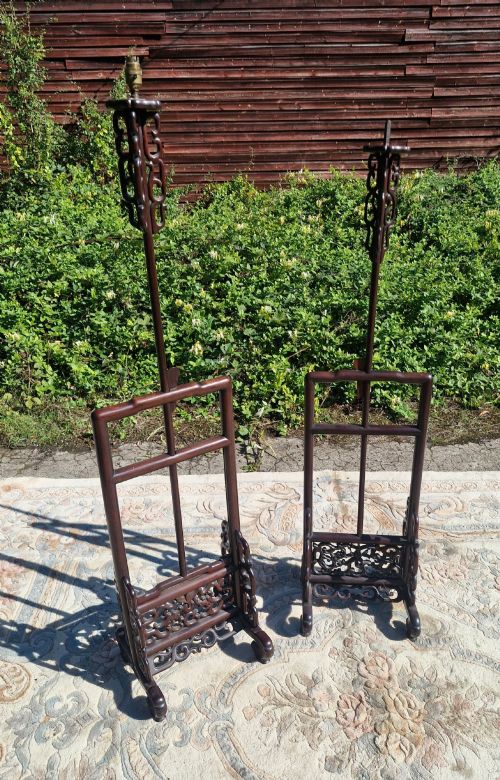
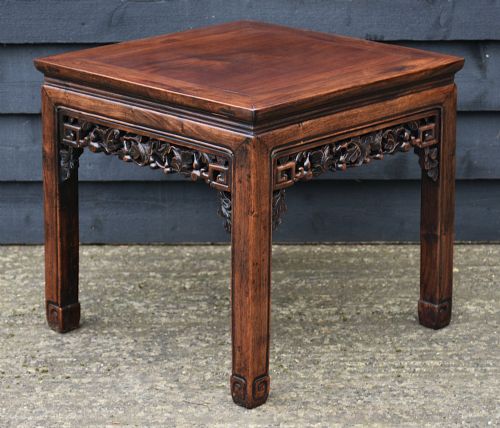
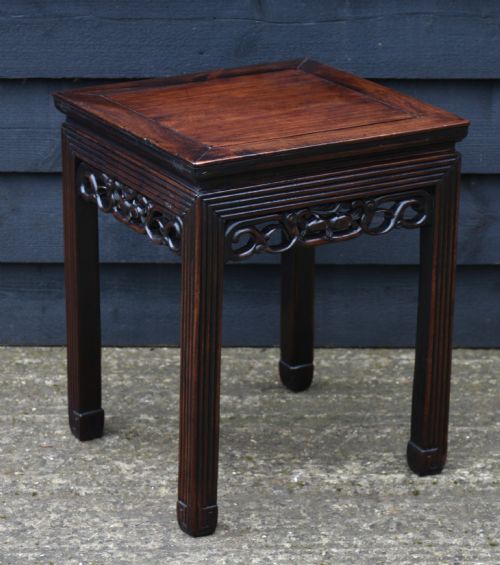
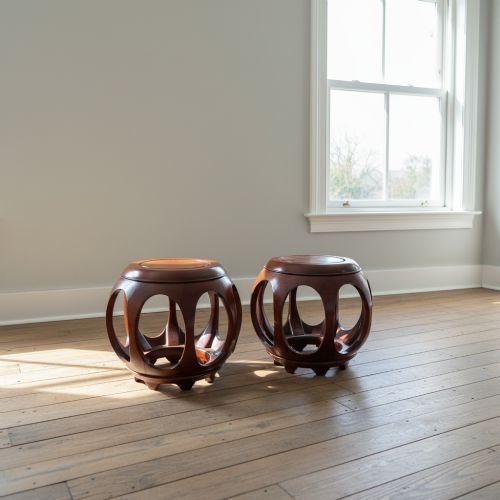
An oriental wood stand serves primarily to elevate decorative objects, plants, and porcelain within an interior space. These pieces range from low square plant tables to taller pedestal stands designed for display.
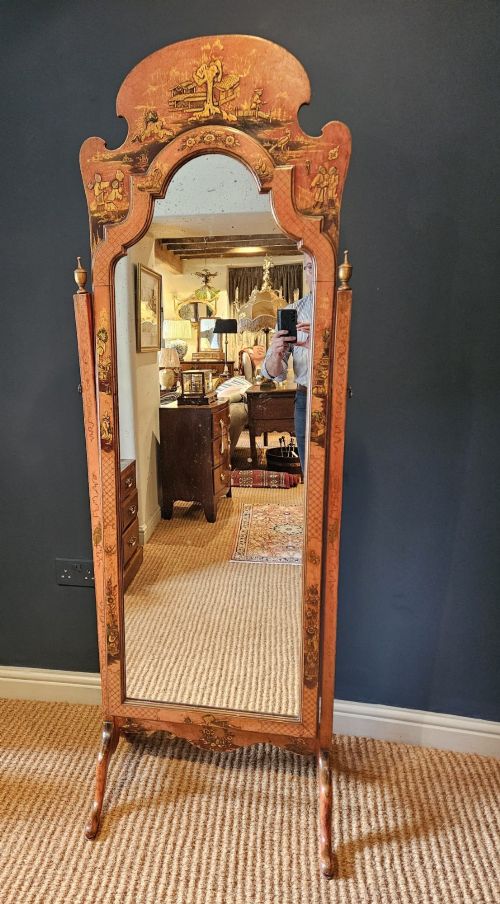
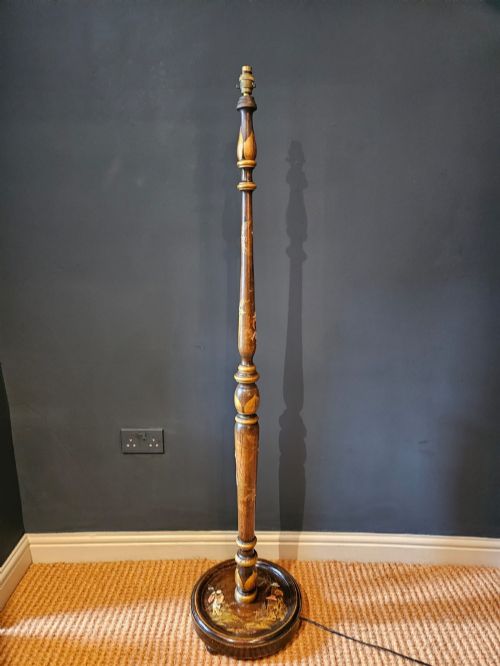
The selections encountered most frequently on this page date from the nineteenth century through the nineteen-twenties, incorporating Chinese hardwood forms alongside British interpretations in the Chinoiserie and Anglo-Indian styles.
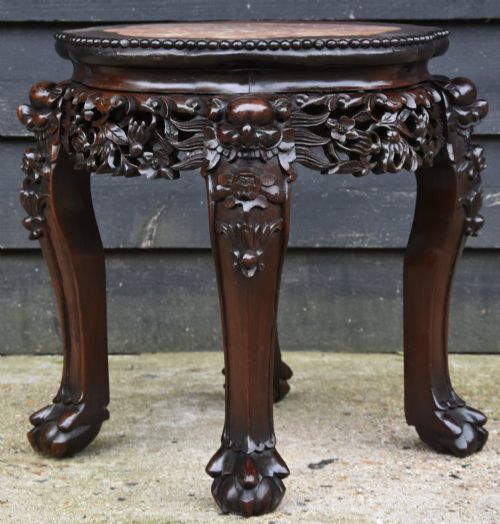
Makers utilised dense timbers to create supports that accommodated marble inserts, stone plaques, and carved aprons beneath the platform surface.
Materials and construction methods
Workshops relied heavily on dense exotic timbers such as rosewood and padouk, which tolerated deep relief carving without splintering. These heavy woods provided the structural stability required for supporting inset marble tops and heavy bronze or ceramic vessels.
Joinery techniques often incorporated intricate mortise and tenon framing to support heavy loads without metal fasteners. Artisans combined this structural joinery with surface treatments including red lacquer, bone inlay, and polychrome detailing.
Several stands double as resting places for intricately carved wooden elephants and turtles.
Judging execution and material selection
Quality separates ordinary utility frames from superior examples through the depth and crispness of the hand carving. Finer pieces display undercut foliage and animal motifs that retain sharp contours rather than soft, mechanical rounding.
The selection of the primary timber dictates the grade of the piece, with heavily grained rosewood and padouk marking the higher tier. Additionally, the precise fitting of inset marble tops or stone panels demonstrates superior cabinet-making standards.
Gabriel Viardot·Liberty and Co·Liberty of London
The Oriental Wood Stand Glossary
- Rosewood
- A dense, heavy tropical timber prized for its dark grain and ability to hold fine detail in carving. It forms the primary structure of many nineteenth-century display supports.
- Chinoiserie
- European artistic style reflecting Chinese motifs and decorative techniques, popular during the Edwardian and Victorian periods. Interpreted locally through lacquered finishes and painted panels.
- Jardiniere stand
- A tall piece of furniture specifically designed to hold a plant container or flower pot. These items feature sturdy tops reinforced to bear the weight of damp soil and ceramics.
- Padouk
- A durable reddish-brown tropical hardwood utilised in traditional Chinese furniture construction. This timber resists warping and provides a stable base for intricate joinery.
- Marble top
- A polished stone slab inserted into the surface of a table or stand to protect the wood from moisture. This feature commonly accommodates heavy porcelain vases and planters.
Oriental Wood Stand: Frequently Asked Questions
What were oriental wood stands used for originally?
These supports served to elevate prized porcelain, bronze vessels, and decorative plants above the floor to protect them from dust and dampness. Wealthy households positioned them in principal rooms to highlight individual pieces of art.
They also functioned as low tables for serving tea or displaying small scholarly objects. The varied heights accommodated different viewing angles within traditional interiors.
How do I care for a rosewood plant stand?
Maintain the timber by dusting regularly with a dry cloth and avoiding direct sunlight that can fade the grain. Apply a suitable wax polish sparingly to nourish the polished surface.
Protect the wood from moisture by placing waterproof mats beneath plant pots resting on the platform. Sudden changes in room temperature should also be avoided to prevent timber movement.
How can I tell nineteenth century pieces apart?
Nineteenth century examples generally exhibit heavier timber construction, deeper hand carving, and traditional mortise joinery without modern adhesives. The patination on rosewood and padouk develops a deep, mellow sheen through decades of handling.
Later interpretations from the twentieth century often incorporate lighter woods or British Chinoiserie paintwork rather than carved hardwood. Examining the underside and joint construction reveals the manufacturing period.
Where should I place a stand in my home?
Position these stands in hallways or living spaces where they can support lamps, sculpture, or ceramics without obstructing walkways. Their compact footprints make them suitable for corners and empty wall spaces.
Ensure the floor surface is level so that heavier marble-topped variants remain stable. Pairing the timber tone with existing furniture helps integrate the piece into contemporary schemes.