




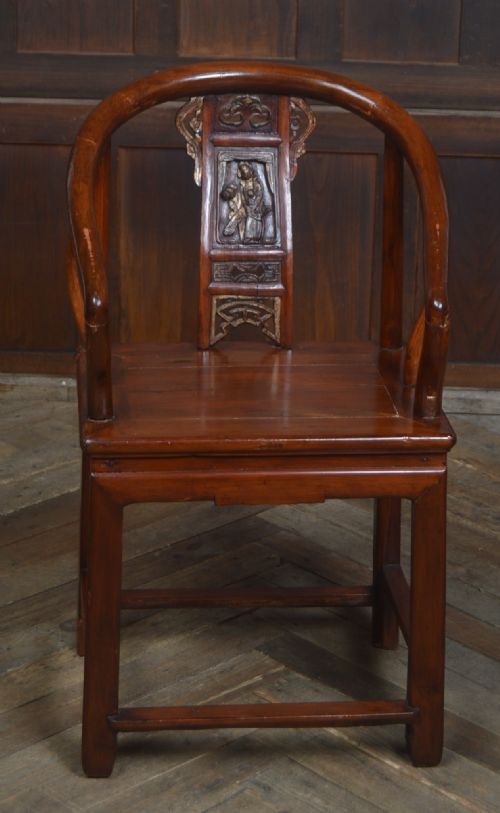
Oriental Style Dining Chairs
Oriental style dining chairs bring distinct regional forms and rich surface finishes into the dining room.
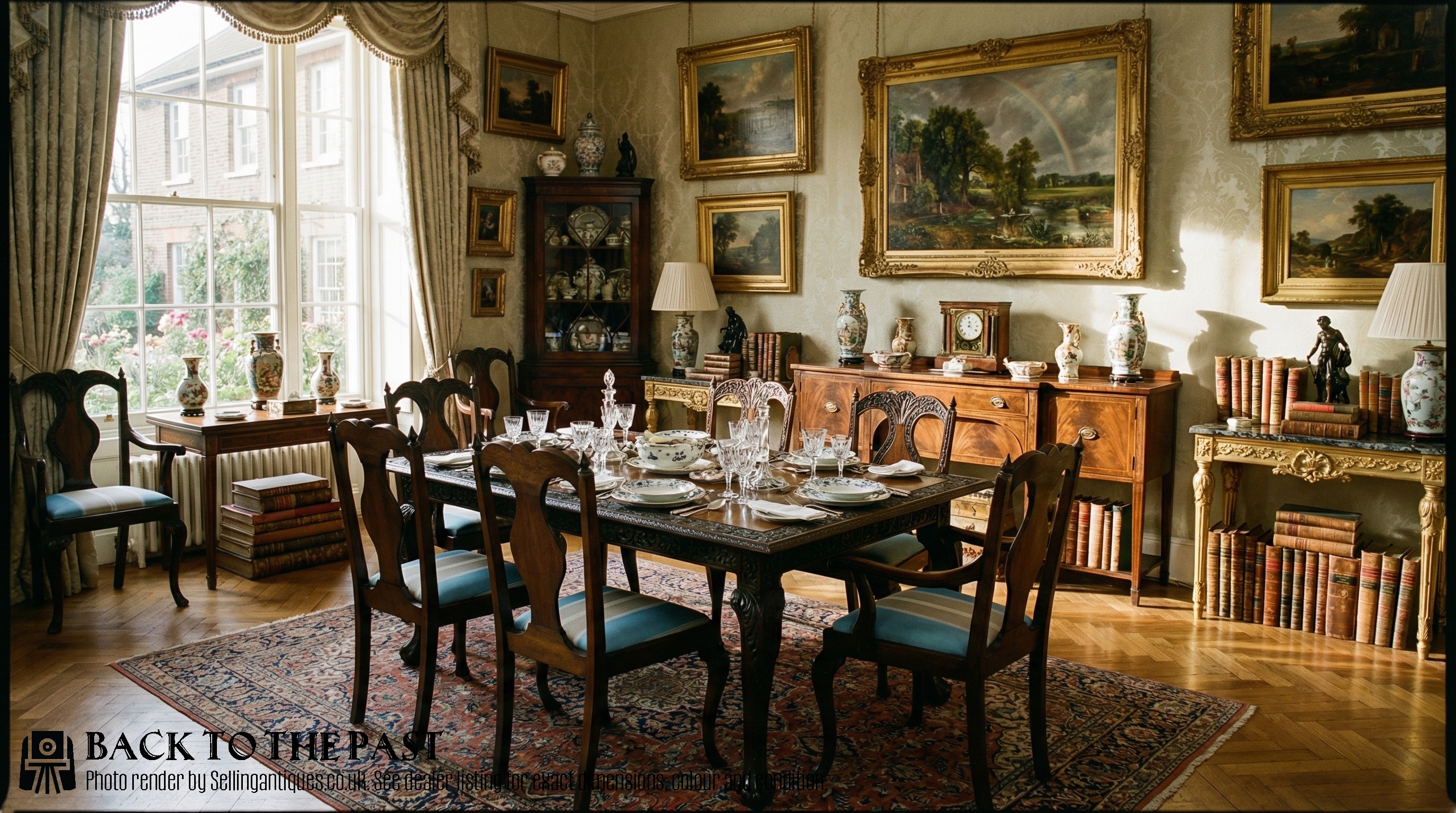
Oriental Style Dining Chairs
Oriental style dining chairs encompass a range of seating from the eighteenth century to the early twentieth century, including pieces influenced by Chinese forms and European chinoiserie. Buyers searching this phrase encounter side chairs, armchairs, and hall chairs made in various historical periods.
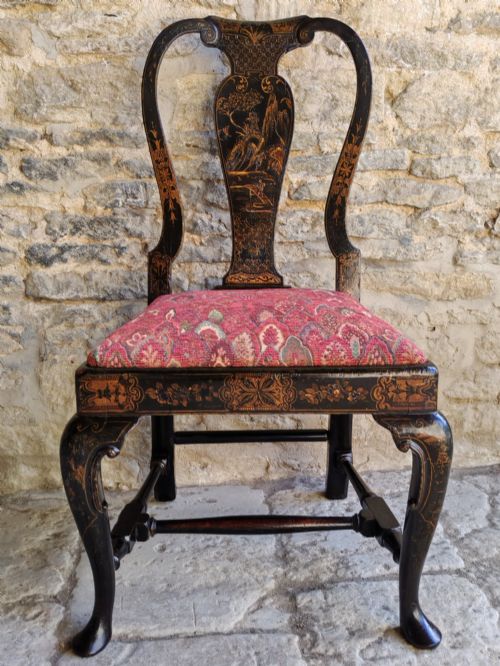
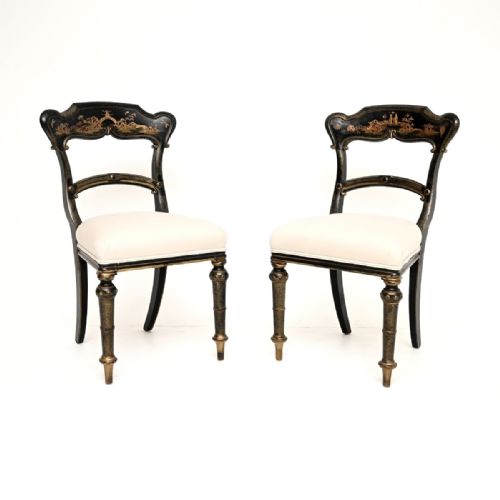
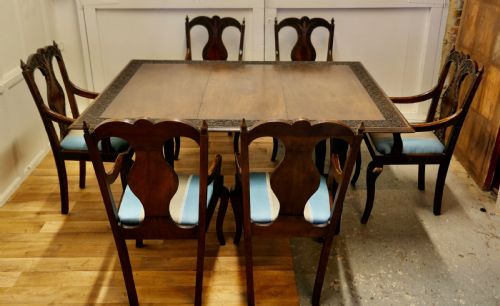
The selections span from Chinese Ming and Qing dynasty inspired hardwood and elm armchairs to Victorian and Edwardian lacquered side chairs. Pairs and dining sets appear alongside individual hall chairs and horseshoe armchairs.
English interpretations like japanned and bamboo chairs also emerge within this group alongside pieces originating from Chinese workshops. These items reflect both direct imports and domestic European adaptations of eastern aesthetic traditions.
Materials and construction methods
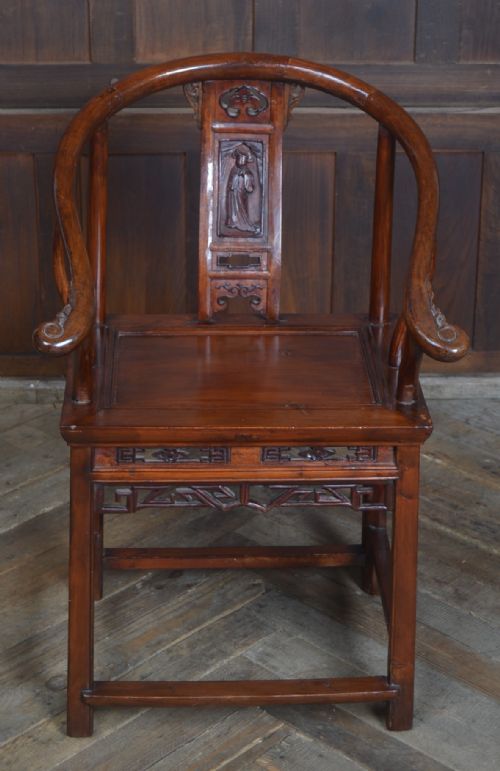
Construction relies heavily on hardwoods such as elm and huanghuali, utilised to build durable frames for armchairs and side chairs. Joinery techniques support the distinctive curved profiles of horseshoe arms and high backs.
Surface decoration frequently involves lacquer and gilt applied over wood, creating glossy finishes characteristic of chinoiserie pieces. Caning and fabric also appear as seating materials across the various periods represented.
Oriental Style Dining Chairs Retail Price Guide 2026
Typical asking prices for oriental style dining chairs among the pieces listed under this phrase on Sellingantiques today, from the lower quarter to the upper quarter. They describe what is for sale here now, not the wider market.
Materials across these listings include elm, hardwood, lacquer, gilt, cane, and fabric, spanning the eighteenth century to the 1920s.
Assessing quality and craftsmanship
Quality differentiates itself through the depth and precision of carved details on the woodwork and the preservation of original lacquer surfaces. Superior examples demonstrate expert joinery in complex forms like horseshoe armchairs.
The integrity of applied gilt and the condition of integrated cane or fabric elements further distinguish finer pieces from simpler or later interpretations.
The Oriental Style Dining Chairs Glossary
- Chinoiserie
- European decorative style reflecting Chinese artistic influences. This aesthetic appears on eighteenth-century and Victorian lacquered furniture.
- Huanghuali
- A prized hardwood native to China. Artisans utilised this timber for high-status seating during the eighteenth century.
- Japanned
- European imitation of Japanese and Chinese lacquerwork. Craftsmen applied layered varnishes and metallic finishes to wooden frames.
- Horseshoe armchair
- A traditional Chinese chair style featuring a curved backrest rail that sweeps down into armrests. These pieces provide distinct ergonomic seating.
- Hall chair
- A rigid wooden seat traditionally placed in entrance halls. These items often display prominent carvings or crests.
Oriental Style Dining Chairs: Frequently Asked Questions
What periods do these chairs come from?
The pieces span from the eighteenth century through the Victorian and Edwardian eras up to the 1920s.
This broad timeline includes both authentic Chinese workshop items and European adaptations from the nineteenth century.
Are these chairs sold as matching sets?
Listings include individual armchairs, pairs of side chairs, and occasionally larger dining sets comprising a table and multiple chairs.
Pairs and full sets are particularly sought after for unified dining room arrangements.
What is the difference between side chairs and armchairs?
Side chairs are built without armrests, making them compact enough to fit neatly around a dining table.
Armchairs feature structural supports for the arms, such as the curved rails found on horseshoe chair designs.
How do I care for lacquered wood?
Lacquered surfaces require gentle dusting with a soft, dry cloth to protect the glossy finish from scratches.
Keep these pieces away from direct sunlight and extreme temperature fluctuations to prevent the wood and lacquer from drying out.