



Oriental Silver Metalwork
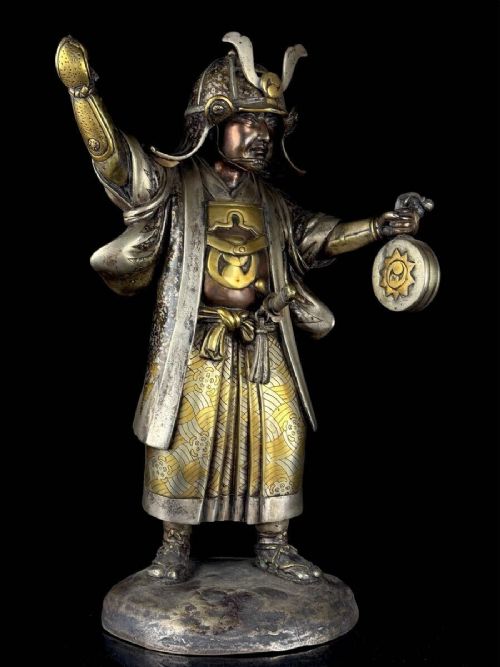
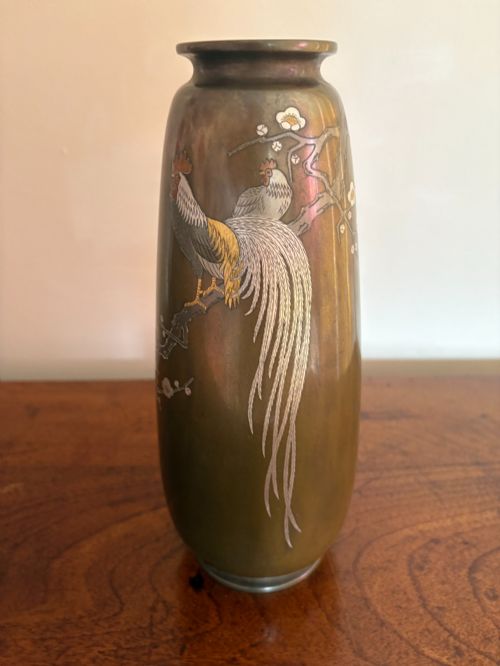
Oriental silver metalwork brings together intricate Japanese bronze, Chinese white metal and inlaid iron pieces created across the nineteenth and early twentieth centuries.
Oriental Silver Metalwork
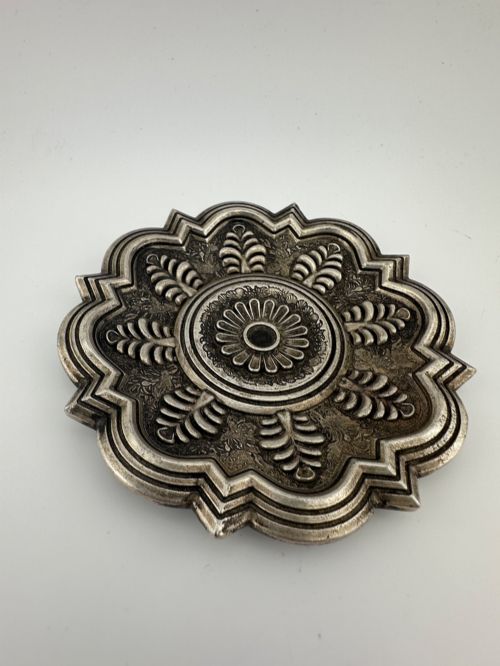
Oriental silver metalwork encompasses a diverse range of objects such as vases, sculptures, decorative dishes, bowls, plaques and incense burners originating from Japan and China. When exploring oriental silver metalwork, buyers frequently encounter pieces dating from the nineteenth century through to the nineteen-twenties.
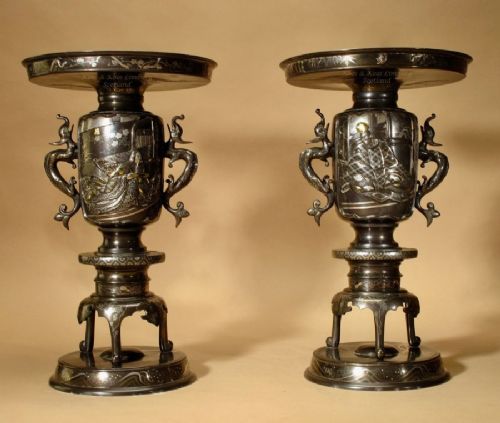
The selections on this page highlight distinct cultural traditions, including Japanese Meiji and Taisho periods alongside Chinese export and late Qing Dynasty works. Vases and decorative vessels appear frequently among these offerings, often paired with matching or complementary companion pieces.
Materials and Techniques
The makers of these items utilised a variety of metallic bases including bronze, iron, white metal and silver, often combining them within a single object. Patination techniques altered the surface colour of the metal to achieve darker tones that contrasted sharply with applied decorations.
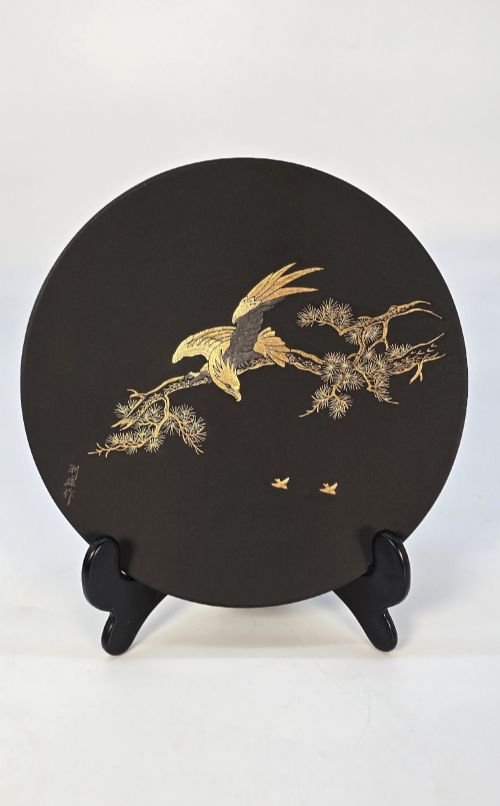
Inlaid ornamentation forms a defining characteristic of many pieces, employing gold, silver and other metals embedded directly into the iron or bronze substrate. Artisans also applied surface silvering and gold inlay to enhance the visual depth of figurative scenes and floral motifs.
Oriental Silver Metalwork Retail Price Guide 2026
Typical asking prices for oriental silver metalwork among the pieces listed under this phrase on Sellingantiques today, from the lower quarter to the upper quarter. They describe what is for sale here now, not the wider market.
A metal goshawk stares out from the nineteenth century, reminding us that skilled artisans could capture the fierce glare of a raptor in solid bronze.
Assessing Quality
Quality in these metal objects rests upon the precision of the metalwork and the complexity of the inlaid designs. Superior examples demonstrate meticulous hand-finishing where disparate metals sit flush within the primary substrate and patination remains uniform across the surface.
The sculptural definition of figures, animals and botanical elements distinguishes finer items from more utilitarian productions. Attention to detail in secondary areas, such as the interior finish of a bowl or the underside of a plaque, often indicates the original maker's skill level.
KANASAWA
The Oriental Silver Metalwork Glossary
- White metal
- An alloy resembling silver used in various export dishes and bowls. It provides a bright metallic surface without the higher cost of sterling silver.
- Koro
- A traditional Japanese incense burner featuring a perforated lid to allow scented smoke to escape. These vessels frequently rest upon three legs and incorporate detailed metal casting.
- Patination
- The chemical or thermal treatment applied to metal surfaces to alter their colour and texture. This process protects the underlying material while adding aesthetic depth.
- Meiji Period
- The era of Japanese history lasting from eighteen sixty-eight to nineteen twelve characterised by a surge in decorative arts created for international export.
- Qing Dynasty
- The final imperial dynasty of China, during the late phase of which various export metalwares and censers were produced.
Oriental Silver Metalwork: Frequently Asked Questions
What is oriental silver metalwork?
It refers to decorative and functional metal items created in East Asia, primarily Japan and China, during the nineteenth and early twentieth centuries.
These objects include bronze vases, white metal dishes, iron plaques and incense burners decorated with gold and silver inlay.
How were incense burners used?
Incense burners, or koros, served to perfume domestic interiors by burning aromatic woods or resins within a controlled vessel.
The perforated lids allowed the fragrant smoke to disperse evenly through the room while containing the ash.
How do I identify a Meiji period piece?
Meiji period items date between eighteen sixty-eight and nineteen twelve, aligning with the reign of the Japanese emperor of that name.
They often display refined bronze casting, intricate metal inlays and naturalistic subjects designed to appeal to Western collectors.
What distinguishes white metal from silver?
White metal is an umbrella term for various non-precious or low-silver alloy compositions used in Asian export wares.
It offers a similar appearance to sterling silver whilst utilising different metallic proportions.
How should I care for patinated bronze?
Patinated bronze requires gentle dusting with a dry, soft cloth to prevent the accumulation of abrasive particles on the surface.
Moisture and chemical polishes should be avoided to preserve the original chemical finish applied by the maker.