

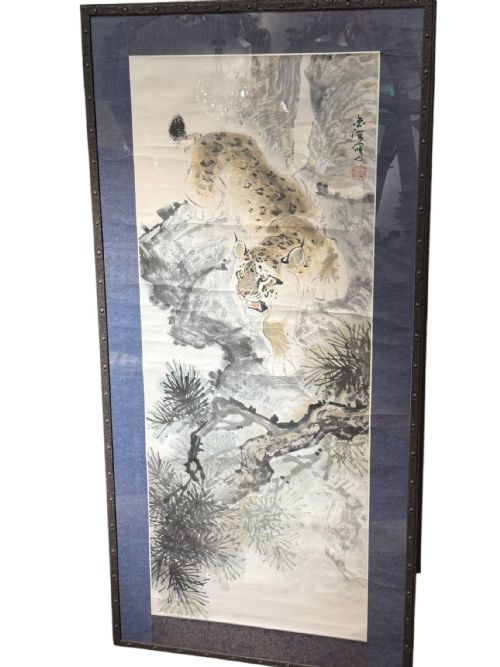


Oriental Scroll Painting
These oriental scroll painting pieces bring the delicate artistry of past centuries into modern rooms through painted silk, paper and pigment.
Oriental Scroll Painting
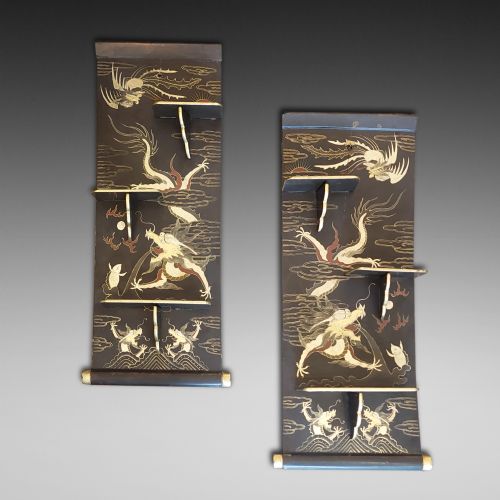
An oriental scroll painting represents a traditional form of Asian artwork executed on flexible media like silk or paper designed for hanging display. These works capture historical subjects ranging from deities and immortals to wildlife and botanical scenes.
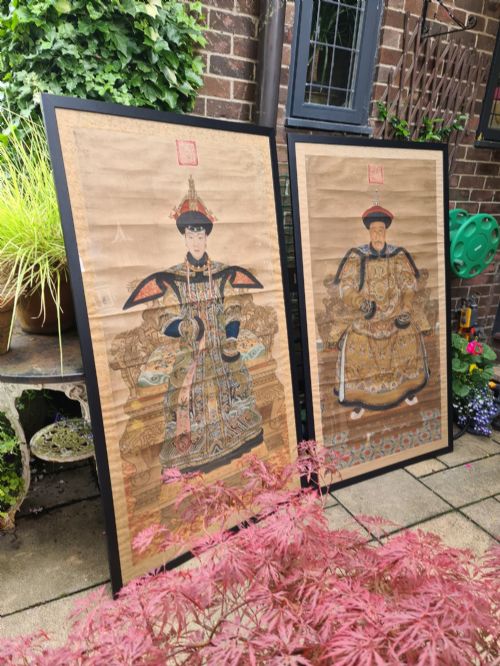
The selection here encompasses items originating from the nineteenth century up to nineteen hundred, including Qing Dynasty pieces and Tibetan Buddhist art. Alongside traditional hanging formats, buyers encounter framed variations and related decorative items from the same stylistic traditions.
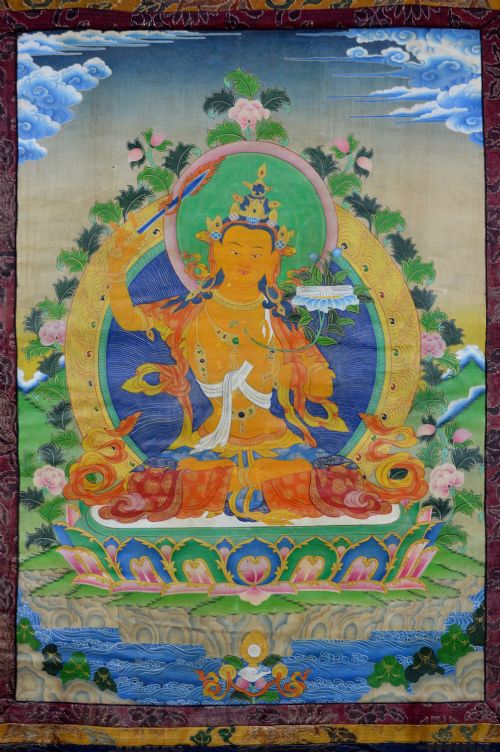
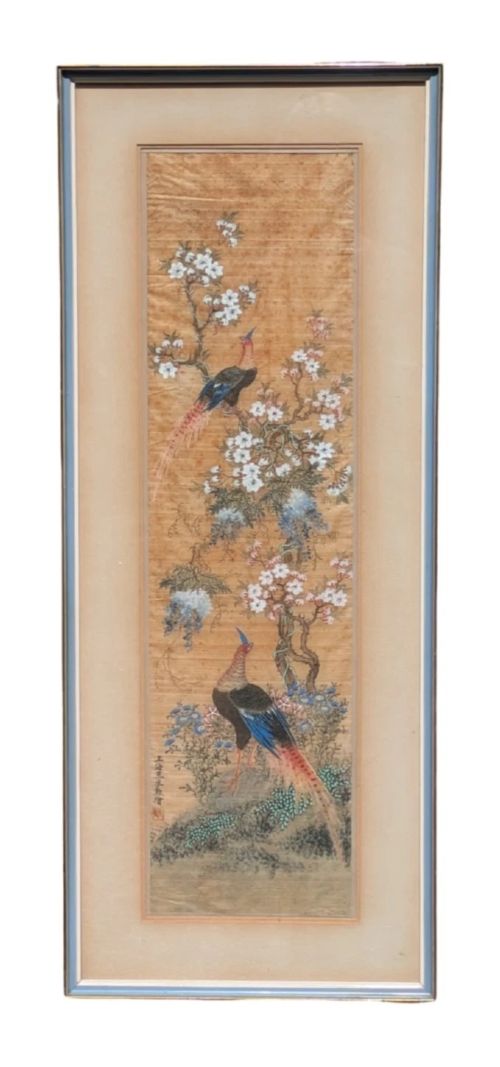
Subjects include the Buddhist deity Manjushri, Daoist immortals, snow leopards, and phoenix motifs rendered in watercolour and mineral pigments. Each piece reflects the aesthetic priorities of traditional Chinese and Japanese craftsmanship from the nineteenth and early twentieth centuries.
How they were made
Artisans applied ink and mineral pigments onto surfaces of silk, paper, or cotton, often mounting the finished artwork with silk brocade borders. Wood provided the structural rollers and frames necessary for the hanging format.
Techniques relied on precise brushwork and the skillful layering of natural pigments to achieve vibrant colours that endured across generations. The integration of delicate fabrics with painted panels required specialised mounting methods practiced within Asian workshops.
Oriental Scroll Painting Retail Price Guide 2026
Typical asking prices for oriental scroll painting among the pieces listed under this phrase on Sellingantiques today, from the lower quarter to the upper quarter. They describe what is for sale here now, not the wider market.
Snow leopards make unexpected appearances on nineteenth century scrolls, proving historical artists enjoyed fierce felines just as much as modern internet users.
What varies in quality
Quality rests in the fineness of the brushwork and the preservation of the original pigments across silk and paper surfaces. Superior examples display clear detail in subjects such as plumage, facial expressions, and textual elements.
The integrity of the mounting materials, including silk brocade and wooden components, distinguishes standard decorative items from finer surviving works of historical importance. Original framing and the vibrancy of the ink contribute significantly to the standing of each piece.
The Oriental Scroll Painting Glossary
- Silk brocade
- A patterned fabric woven with rich threads, frequently used to border and frame traditional Asian paintings. It provides both structural support and decorative contrast to the central artwork.
- Mineral pigment
- Colour derived from naturally occurring rocks and minerals, ground into fine powders for painting. These substances offer lasting stability and distinct tonal depth.
- Qing Dynasty
- The final imperial dynasty of China, spanning from sixteen forty-four to nineteen twelve. Items from this period reflect specific courtly and scholarly aesthetic standards.
- Edo Period
- A historical division of Japanese history lasting from sixteen hundred and three to eighteen sixty-eight. Art from this era is noted for refined craftsmanship and distinct cultural movements.
- Daoist immortal
- A mythological figure associated with Daoism who achieved spiritual transcendence and eternal life. These figures frequently appear as subjects in traditional scroll paintings.
Oriental Scroll Painting: Frequently Asked Questions
What is an oriental scroll painting?
An oriental scroll painting is a traditional work of art created on silk or paper, designed to be rolled for storage or hung for display. These pieces utilise ink and pigments to portray subjects from Asian history, mythology, and nature.
Such artworks reflect the cultural and philosophical traditions of periods like the Qing Dynasty and the Edo Period. They serve as both devotional objects and decorative statements.
How should I hang my scroll painting?
Scroll paintings require careful placement away from direct sunlight and excessive humidity to protect delicate silk and paper media. Using appropriate hanging hardware ensures the weight distributes evenly along the wooden rollers.
Allowing adequate space around the artwork highlights its traditional vertical format within a modern interior. Environmental stability remains the primary concern for long-term display.
How do I identify a nineteenth century piece?
Nineteenth century pieces often show specific stylistic traits associated with the Qing Dynasty or traditional Japanese art. Materials such as aged silk, hand-ground mineral pigments, and traditional wooden rollers provide clues to their age.
Signatures, seals, and the specific depiction of subjects like deities or animals also help contextualize the creation period. Comparing the mounting style with known historical examples aids verification.
What subjects appear on these scrolls?
Common subjects include Buddhist and Daoist deities such as Manjushri and the Jade Emperor. Animals and birds, including snow leopards and phoenixes, also feature prominently in the artwork.
Other works capture seasonal landscapes, such as depictions of the first snow in traditional Japanese styles. Each subject carries specific symbolic meanings rooted in Asian philosophy and folklore.