







Oriental Porcelain Art
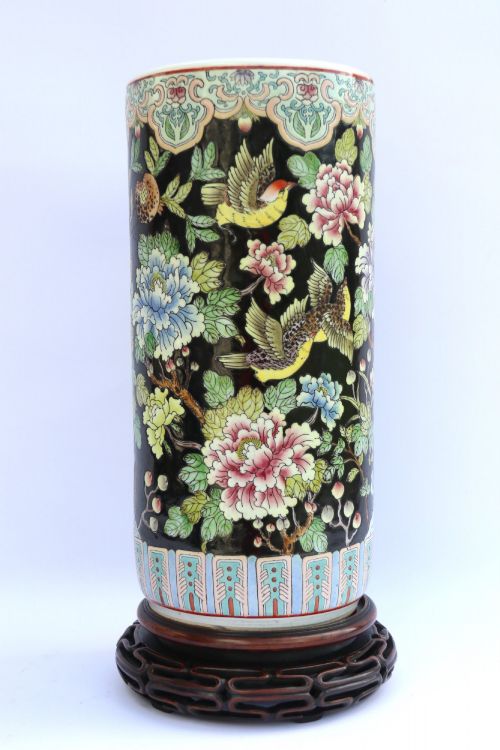
Oriental porcelain art brings together centuries of ceramic tradition, taking the form of vases, bowls, plates, and figures that enrich any interior.
Oriental Porcelain Art
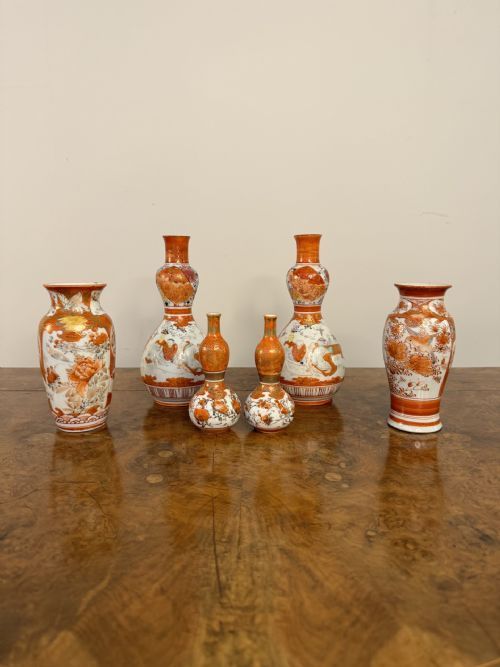
Oriental porcelain art encompasses a diverse range of historic ceramic pieces, with Japanese Imari plates, Satsuma vases, and Kutani figures dominating the selection.
Buyers encounter items originating from various periods, stretching from the 18th century through to the Art Deco and Showa eras, reflecting shifting tastes in glaze and form.
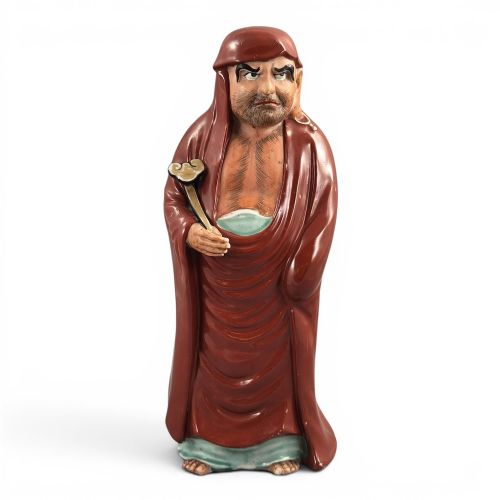
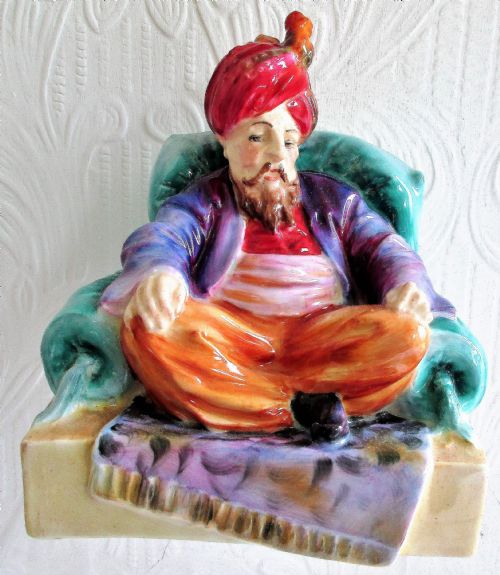
The category spans functional vessels like brush washers and chargers alongside purely decorative items such as okimono figures depicting deities and animals.
Materials and production methods
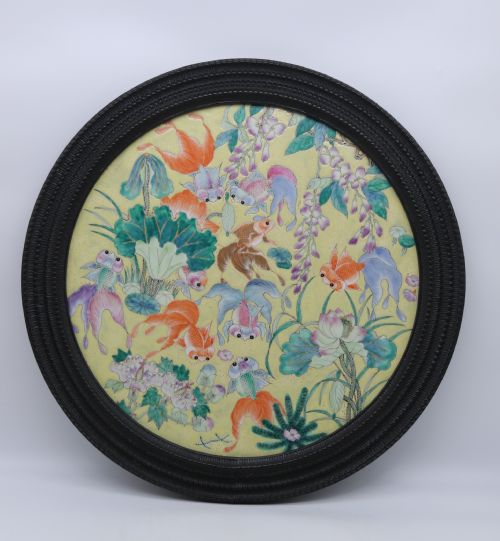
Potters shaped fine porcelain, ceramic, and earthenware bodies before applying intricate hand-painted designs using coloured enamels and underglaze blue pigments.
Many pieces incorporate gold leaf, gilt, or gold gilt highlights to accentuate detailed pictorial scenes and geometric borders.
Specialised techniques include thick glaze applications, lacquer over black paint, and specialised lustre finishes developed during the early 20th century.
Oriental Porcelain Art Retail Price Guide 2026
Typical asking prices for oriental porcelain art among the pieces listed under this phrase on Sellingantiques today, from the lower quarter to the upper quarter. They describe what is for sale here now, not the wider market.
Listings span the Meiji period, Edwardian era, and the 1930s, uniting Chinese and Japanese ceramic traditions with British art pottery.
Distinctions in quality
The standard of painting determines much of the distinction, separating stiffly executed patterns from fluid, highly detailed brushwork executed by skilled artists.
Complexity of form and ambition in the subject matter, such as multi-figure mythological scenes or complex moulding, elevate certain examples above standard production pieces.
The crispness of the porcelain body and the controlled application of gilding and enamel indicate the care taken in the workshop.
Manpei·Hotoda·Makuzu Kozan·Kōko·Kinkozan·Hododa·Daisy Makeig-Jones
The Oriental Porcelain Art Glossary
- Imari
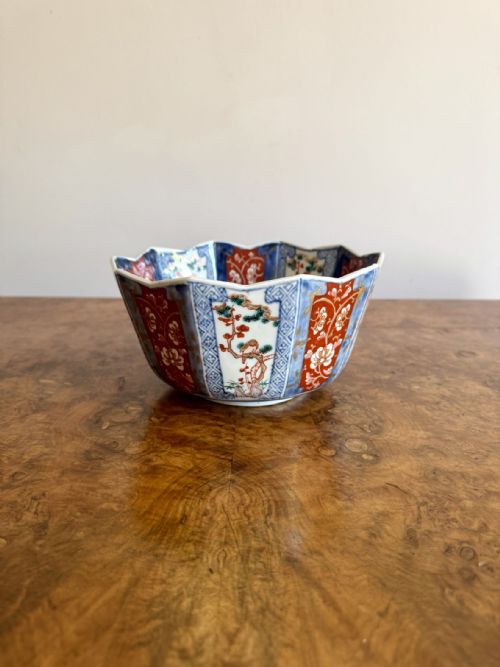
- A style of Japanese porcelain featuring a palette of underglaze blue, iron red, and gold, named after the port from which it was shipped.
- Satsuma
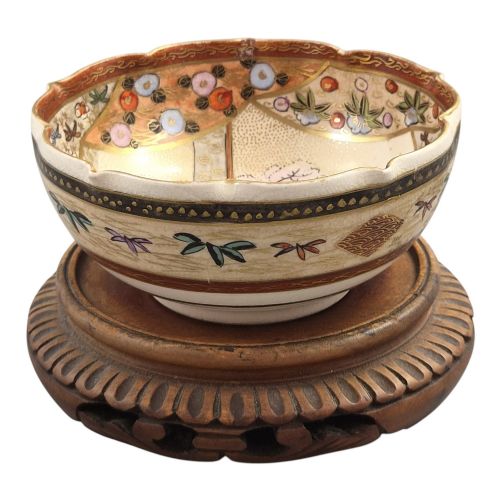
- A type of Japanese earthenware or porcelain with a finely crackled ivory glaze, typically decorated with polychrome enamels and gilt.
- Kutani
- Japanese pottery and porcelain known for its bold colour schemes, frequently dominated by greens, reds, yellows, and purples.
- Okimono
- A Japanese freestanding ornamental figure designed for display on a shelf or in a tokonoma alcove.
- Charger
- A large decorative plate intended for display rather than for dining use.
- Lustre
- A type of ceramic glaze that imparts a metallic or iridiscent sheen through the reduction of metallic oxides during firing.
Oriental Porcelain Art: Frequently Asked Questions
How do I identify Satsuma ware?
Satsuma ware is generally recognised by its distinctively warm, ivory-coloured crackle glaze which serves as a canvas for intricate enamel and gilt painting.
Most pieces depict traditional figures, landscapes, or floral motifs, often bearing artist or workshop signatures on the base.
What is the difference between Imari and Kutani?
Imari pieces traditionally utilise a striking palette of cobalt blue and iron red enhanced with gold, focusing on symmetrical and brocade-like patterns.
Kutani ceramics lean towards pictorial representations using a broader spectrum of vibrant colours, particularly deep greens and golds.
How were okimono figures used?
Okimono were created purely as decorative display objects rather than items for ritual or daily use.
Households placed them in prominent interior spaces such as reception rooms to demonstrate refinement and appreciation for craftsmanship.
Can I display these porcelain items safely?
Most pieces are robust enough for display on stable shelves, mantelpieces, or inside glass cabinets away from direct foot traffic.
It is advisable to use proper plate stands for chargers and ensure heavier figures have a secure, level surface.