



Oriental Picture Frame
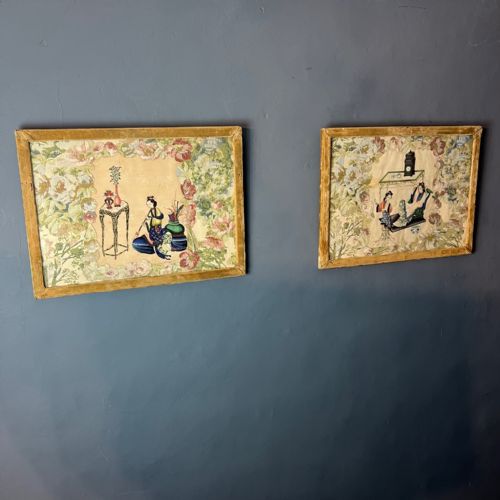
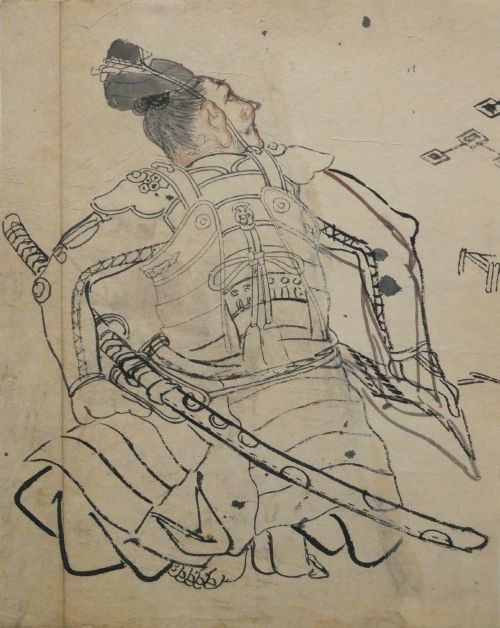
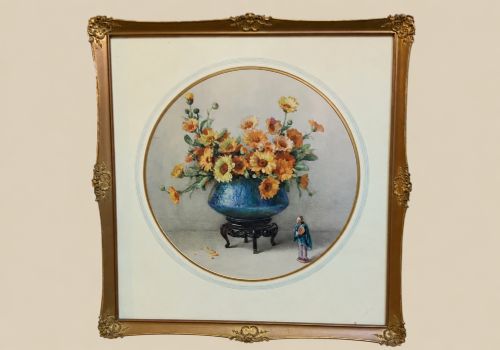
These oriental picture frame pieces bring together delicate silk paintings, woodblock prints and carved frames across various periods.
Oriental Picture Frame
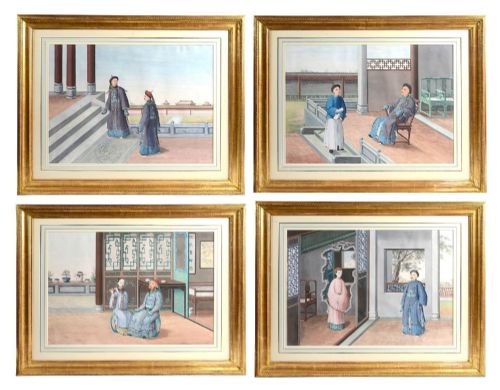
An oriental picture frame encompasses a diverse selection of framed artworks, textiles and mirrors originating from Chinese, Japanese and Indian traditions. Buyers searching for an oriental picture frame encounter items spanning the nineteenth century through to the mid-twentieth century, including Meiji period works and Chinese export pieces.
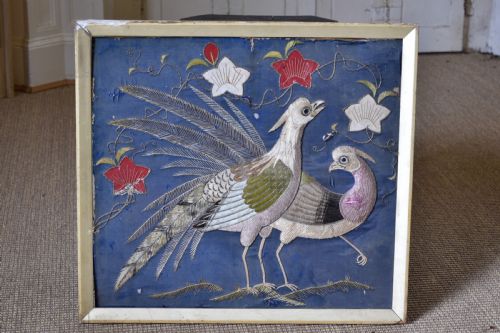
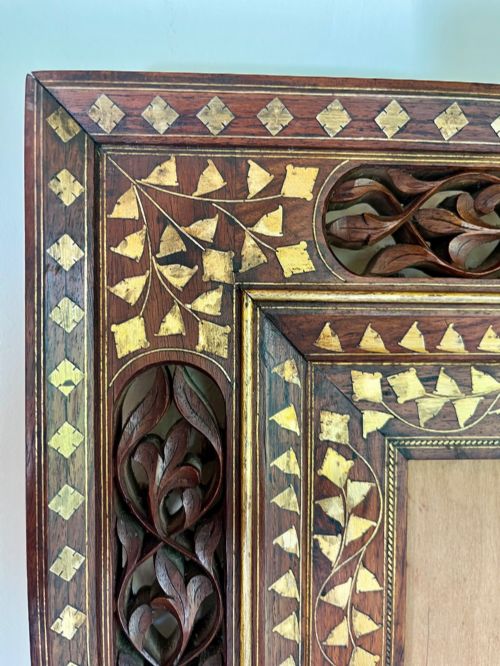
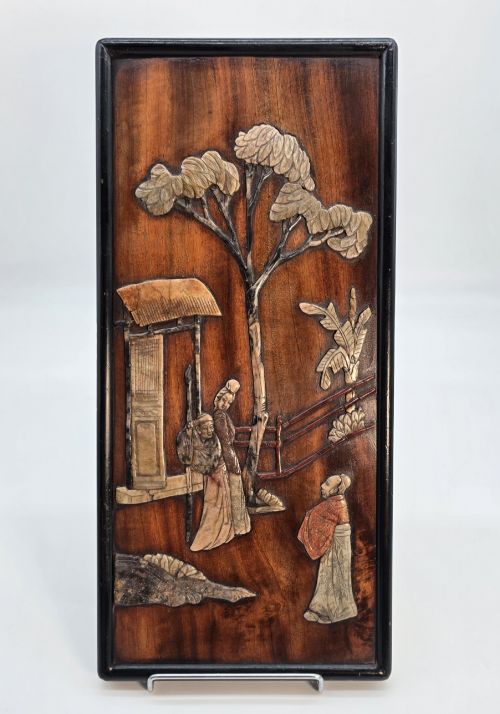
The objects take many forms, from watercolours on silk and Canton watercolours to woodblock prints and embroidered textiles depicting birds, figures and scenes. Framed examples utilise carved wood, red lacquer and inlaid mother of pearl or abalone to enclose the imagery.
Materials and construction
Makers utilised traditional natural materials such as silk, paper, hardwood, glass and pigment to create the pictorial works. Pigments, inks and gold leaf were applied to silk, paper and reverse-painted mirror-glass.
Frames and stands incorporate carved stone, red lacquer, mother of pearl, abalone and specialist woods. Textile pieces involve detailed hand embroidery depicting garden birds, geese and figures.
Oriental Picture Frame Retail Price Guide 2026
Typical asking prices for oriental picture frame among the pieces listed under this phrase on Sellingantiques today, from the lower quarter to the upper quarter. They describe what is for sale here now, not the wider market.
Materials recorded on this site include silk, glass, hardwood, gold leaf, pigment, ink, paper, mother of pearl and abalone.
Judging quality in these pieces
Quality rests upon the fineness of the execution, whether in the brushwork of a silk painting, the intricacy of wood carving or the precision of embroidery stitches. Works bearing artist signatures, stamps or precise historical attribution hold distinct visual interest.
The integrity of the framing materials, such as well-preserved red lacquer, polished hardwood and intact mother of pearl inlay, elevates the physical presence of the piece.
Takabatake Kasho·Kunisada·R.A Bartlett·Iida Takashimaya Company·Otto Pilny
The Oriental Picture Frame Glossary
- Meiji Period
- The era in Japanese history spanning from 1868 to 1912, known for significant artistic output and export. Pieces from this period frequently display refined craftsmanship in silk and metal.
- Ukiyo-e
- A genre of Japanese art encompassing woodblock prints and paintings depicting scenes of daily life and landscapes. These prints often feature bold outlines and flat areas of colour.
- Chinese Export
- Goods manufactured in China specifically for Western markets from the eighteenth to the early twentieth centuries. These items combine traditional Eastern motifs with forms suited to European interiors.
- Reverse painted mirror-glass
- A technique where the artist paints directly onto the rear surface of the glass, viewed from the front to create a reflective and luminous finish. This method requires steady skill as any errors cannot be corrected.
Oriental Picture Frame: Frequently Asked Questions
What periods do these framed pieces date from?
The selection spans the nineteenth century through to the mid-twentieth century, capturing Victorian pieces, Meiji period works and later vintage items.
Dating relies on stylistic conventions, material use and framing techniques characteristic of each era.
How do I care for silk and paper artwork?
Keep framed silk and paper pieces away from direct sunlight to prevent the fading of delicate pigments and natural fibres. Maintaining stable indoor humidity protects both the textiles and the wooden or lacquered frames.
Professional framing with conservation glass offers additional protection against environmental damage over time.
What is Chinese export art?
Chinese export art refers to items created in China during the nineteenth and early twentieth centuries expressly for international buyers. These works frequently adapt traditional aesthetics to appeal to Western interior tastes.
Examples include reverse-painted mirror-glass pictures and Canton watercolours produced for export markets.
How are woodblock prints identified?
Woodblock prints display crisp ink lines and flat colour fields transferred from carved blocks onto paper. Many examples bear artist signatures, studio stamps or seals within the composition.
They reflect the traditional techniques utilised by Japanese printmakers during periods such as the Edo era and Victorian times.