



Oriental Pattern Platter
An oriental pattern platter brings deep cobalt blues and intricate eastern motifs straight to the dining table.
Oriental Pattern Platter
An oriental pattern platter unites large serving vessels and display chargers decorated with distant stylistic influences, ranging from Japanese Imari and Chinese Ming Dynasty designs to English interpretations of eastern motifs. These heavy serving dishes and decorative plates appear in forms designed for both grand dining tables and wall display.
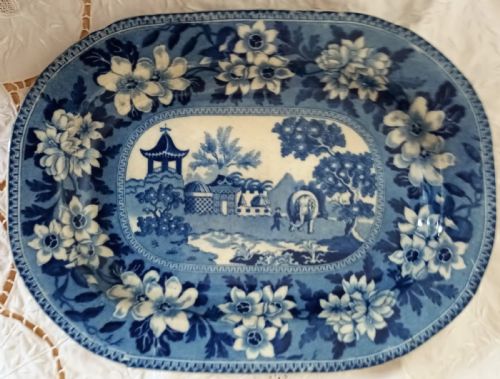
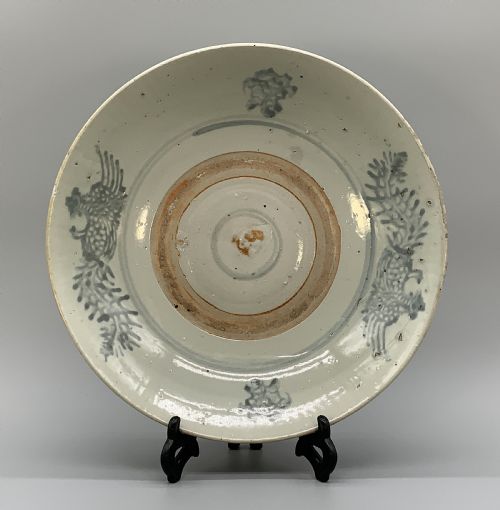
The pieces on this page span several centuries and manufacturing traditions, including seventeenth-century Chinese Swatow ware, nineteenth-century English transferware featuring named subjects like the elephant pattern, and early twentieth-century Japanese Imari. Buyers encounter both robust earthenware platters made for domestic service and delicate porcelain chargers intended purely for visual appreciation.
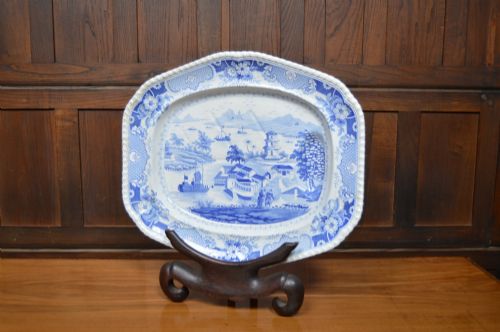
English potters captured the aesthetic of imported wares using transfer-printing techniques, creating familiar shapes with exotic landscape themes. Alongside these local interpretations, genuine exports from Chinese Kangxi and Ming periods represent the direct eastern origins that inspired generations of European craftsmen.
Materials and construction methods
Potters shaped these vessels from ceramic bodies such as fine porcelain, durable earthenware, and heavy pottery, applying cobalt glaze and enamel decoration to achieve high-contrast blue and white designs. Chinese and Japanese workshops utilised high-fired porcelain clay, whereas English makers relied on refined earthenware bodies suited to transfer printing.
Metalwork pieces within this group demonstrate alternative techniques, utilising beaten copper and brass as foundations for detailed Japanese cloisonne work. Artisans fused glass enamels within wire partitions on metal surfaces to create intricate pictorial representations of birds and foliage.
Oriental Pattern Platter Retail Price Guide 2026
Typical asking prices for oriental pattern platter among the pieces listed under this phrase on Sellingantiques today, from the lower quarter to the upper quarter. They describe what is for sale here now, not the wider market.
Early Victorian Staffordshire transferware designers occasionally added exotic oriental elephants to domestic English river landscapes simply because buyers loved distant wonders.
Assessing quality and craftsmanship
The distinction between standard domestic wares and exceptional examples rests upon the crispness of the transfer print or the precision of the hand-painted brushwork. Cobalt decoration that remains deep and uniform without blurring indicates superior kiln control and skilled application.
Age and origin significantly influence the standing of each piece, with seventeenth-century Ming and Kangxi porcelain commanding attention for its historical importance. The delicacy of the potting and the complexity of the polychrome Imari palettes further distinguish high-grade decorative chargers from ordinary production.
John Rogers and Son·J.W.R.
The Oriental Pattern Platter Glossary
- Transferware
- Earthenware or porcelain decorated by applying a printed design from an engraved copper plate onto the ceramic surface. This technique allowed potteries to produce complex pictorial scenes consistently across multiple plates and platters.
- Charger
- A large decorative plate or platter used traditionally for ceremonial service or as a base beneath other courses. These substantial dishes often hang on walls or stand on sideboards to display intricate patterns.
- Imari
- A style of Japanese export porcelain characterised by a palette of underglaze blue, iron red, and gilt highlights. The aesthetic was widely copied by European factories during the eighteenth and nineteenth centuries.
- Cloisonne
- A metalwork technique where fine wires form raised barriers on a copper or brass base to contain compartments of coloured enamel paste. These surfaces are fired and polished to a smooth finish.
- Swatow Ware
- A general term for Chinese export ceramics produced along the southern coast during the late Ming dynasty, typically featuring bold freely painted brushwork in cobalt blue.
Oriental Pattern Platter: Frequently Asked Questions
What is an oriental pattern platter?
An oriental pattern platter is a large serving dish or decorative charger featuring design motifs inspired by or imported from East Asian traditions. These pieces often showcase intricate blue and white landscapes or vibrant Imari colour palettes.
Such vessels range from seventeenth-century Chinese export porcelain to nineteenth-century English earthenware interpretations. They serve both practical dining functions and decorative display roles.
How do I care for antique ceramic platters?
Antique ceramics require gentle hand washing in warm water using mild soap, avoiding harsh scrubbing or modern dishwashers entirely. Sudden temperature changes should be prevented to protect the historic glaze from cracking.
Displaying heavy chargers securely on stable wall brackets or proper plate stands prevents accidental slips. Metal-rimmed or cloisonne pieces benefit from dry dusting rather than immersion.
How can I tell the age of a platter?
Dating relies on examining the ceramic paste, glaze characteristics, and the style of the painted or transfer-printed decoration. Earlier pieces often exhibit potting irregularities and foot rim characteristics specific to periods like the Ming dynasty or Georgian era.
Maker marks, where present, help narrow down the specific decade and pottery of origin. Comparing the cobalt blue tone and the sharpness of the transfer print against known examples provides further clues.
Were these platters used for dining?
Many large nineteenth-century earthenware platters were produced specifically for serving heavy joints of meat or multi-course meals at the dining table. Their deep wells and sturdy bodies accommodated practical household service.
Conversely, delicate porcelain chargers and cloisonne plates served primarily as decorative table centerpieces or wall adornments. Their survival in good condition often reflects a history of careful preservation rather than daily kitchen use.