


Oriental Metal Decorative Vase
These oriental metal decorative vase pieces bring rich casting and intricate enamel work from Japanese and Chinese workshops into any room.
Oriental Metal Decorative Vase
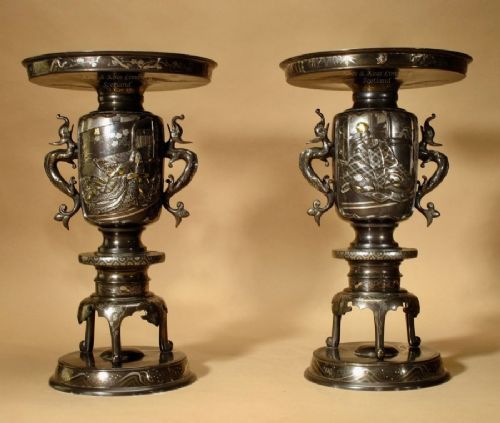
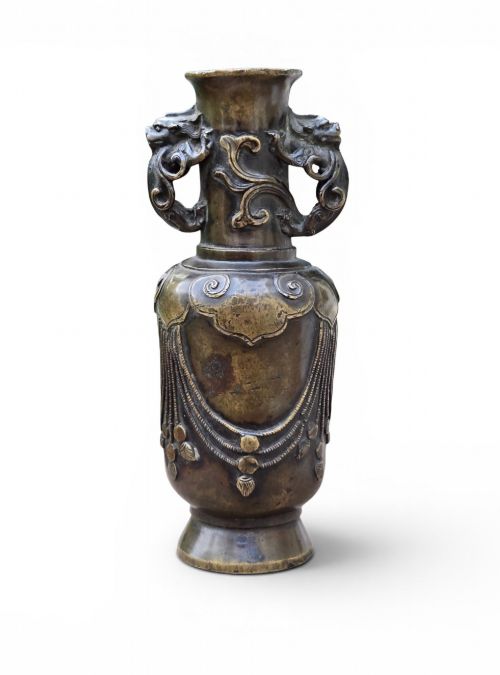
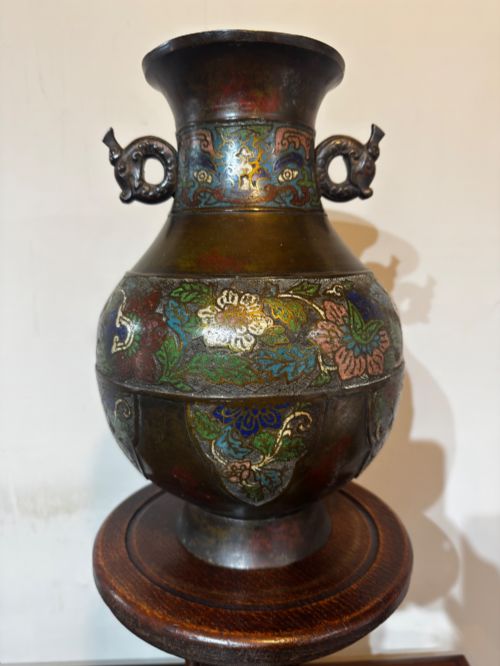
When you search for an oriental metal decorative vase, you encounter heavy bronze vessels, delicate cloisonné enamel pots and brass jardinieres originating from Japanese Meiji and Chinese Qing periods. The pieces appearing most frequently take the form of baluster vases, twin-handled urns and altar vessels cast or hammered in the nineteenth and early twentieth centuries.
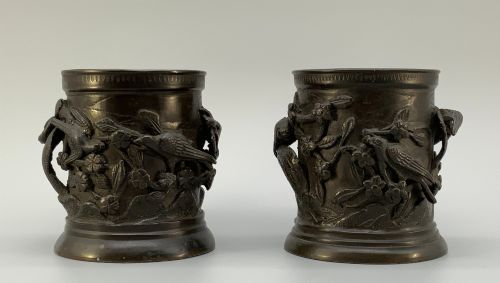
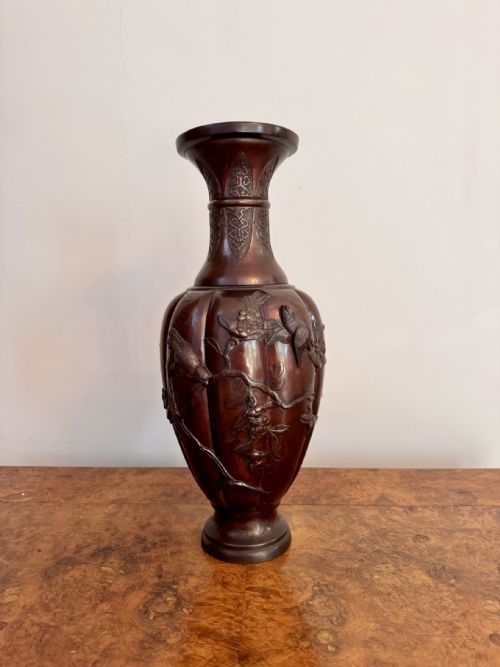
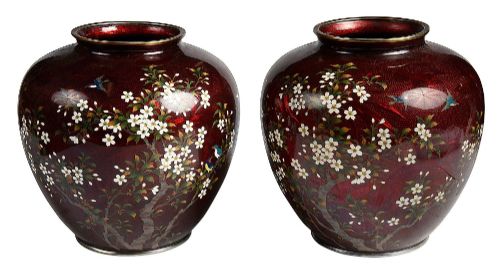
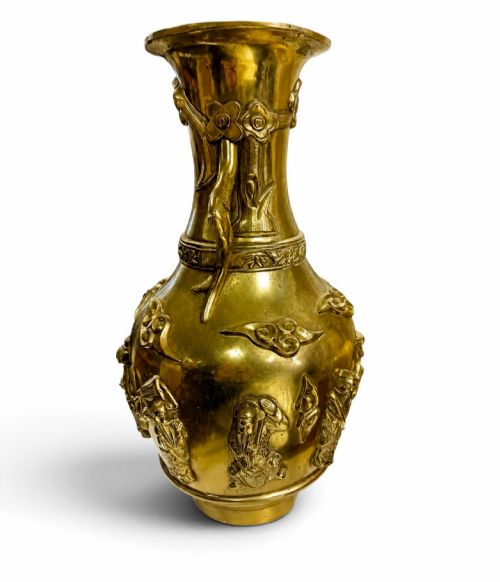
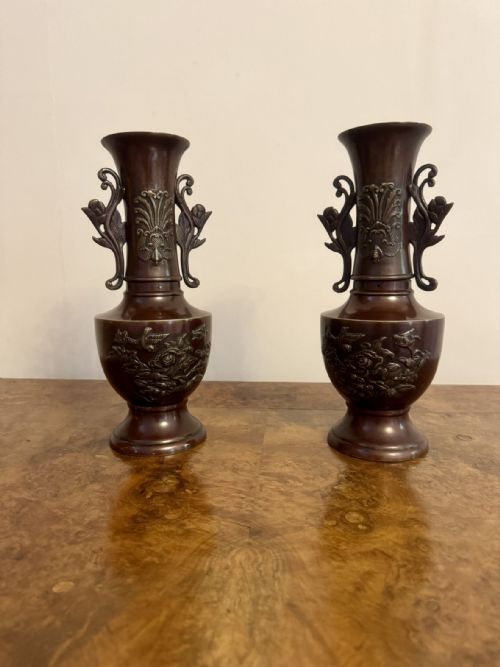
Japanese examples often display high-relief birds and blossoms or fine silver wire cloisonné work, whilst Chinese pieces frequently feature dragons, Daoist immortals and champlevé enamel. Makers ranged from individual metalworkers to celebrated firms producing both miniature cabinet pieces and large palace urns standing nearly a metre tall.
Materials and construction methods
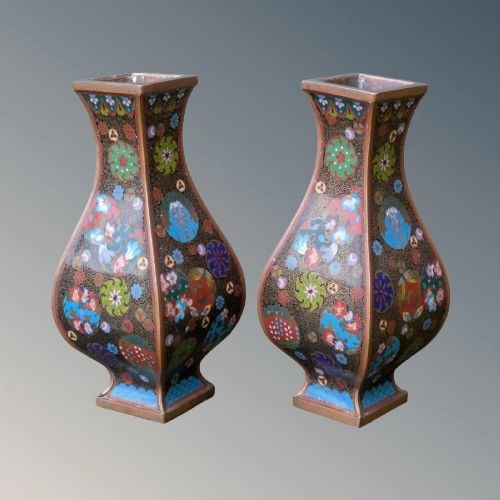
Craftsmen shaped these items primarily from bronze, copper-alloy and brass, utilising casting techniques that allowed for high-relief decoration and substantial weight in larger baluster forms. Surface enrichment relied on champlevé and cloisonné enamel, where metal wires or hollowed troughs held coloured vitreous pastes fired to a hard finish.
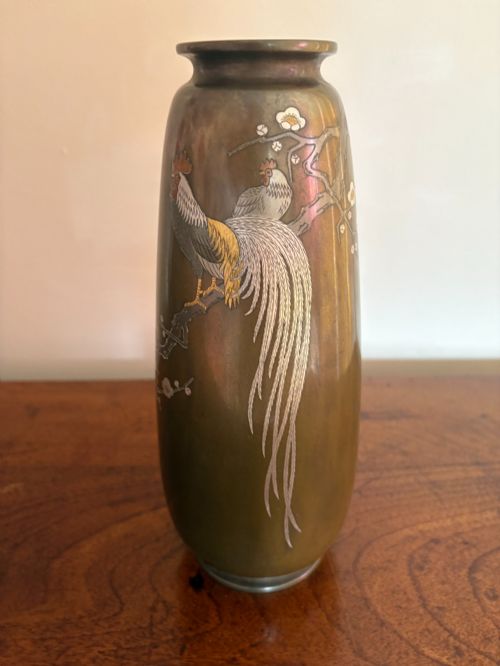
Advanced Japanese works incorporated ginbari techniques and silver wire over red enamel grounds, complemented by patinated bronze finishes achieved through chemical treatment of the metal surface.
Listings feature bronze, brass, copper and cloisonné enamel across nineteenth-century and early twentieth-century Japanese and Chinese examples.
Distinctions in craftsmanship
Quality rests in the precision of the metal casting and the crispness of the chased or inlaid details, where superior workshops achieved seamless wirework and deeply articulated motifs without surface pitting. The weight of the bronze and the subtlety of the chemical patination distinguish ambitious studio pieces from standard commercial export ware.
KANASAWA·Ando Jubei·Ando
The Oriental Metal Decorative Vase Glossary
- Cloisonne Enamel
- A decorative technique where thin metal wires are soldered to a metal base to create compartments filled with enamel paste and fired.
- Champleve
- A method where troughs or cells are carved directly into the thick bronze body of the vessel to hold coloured enamel before firing.
- Baluster
- A tall vase form with a rounded lower body tapering to a narrower neck and flared rim.
- Meiji Period
- The era of Japanese history spanning from 1868 to 1912, noted for exceptional metalwork and international export.
- Ginbari
- A Japanese enamelling method featuring patterned foil laid beneath translucent coloured enamel.
- Patinated Bronze
- Metal treated with chemical solutions to produce a controlled aged surface colour.
Oriental Metal Decorative Vase: Frequently Asked Questions
What distinguishes Japanese Meiji metalwork?
Japanese Meiji metalwork is defined by intricate bronze casting, detailed inlay, and refined silver wire cloisonné production.
Workshops during this period frequently combined patinated bronze surfaces with high-relief depictions of birds, flowers and natural subjects.
How do bronze and cloisonne pieces differ?
Bronze pieces rely on the sculptural qualities of cast metal, often featuring chased or inlaid geometric and figurative designs.
Cloisonné works use metal wires and coloured vitreous enamel pastes to create vibrant, patterned surfaces across the entire vessel body.
Where were these metal vases displayed?
These vessels were placed on altars, mantelpieces and display tables within nineteenth-century drawing rooms and reception spaces.
Larger palace urns and jardinieres stood directly on the floor or on dedicated wooden stands to anchor a room's decorative scheme.
How can one identify Chinese Qing period items?
Chinese Qing pieces frequently incorporate archaic vessel shapes such as the hu form alongside dragon motifs and Xuande base marks.
These items often utilise heavy bronze or copper-alloy casting combined with champlevé enamel detailing.