


Oriental Lacquered Table Cabinet
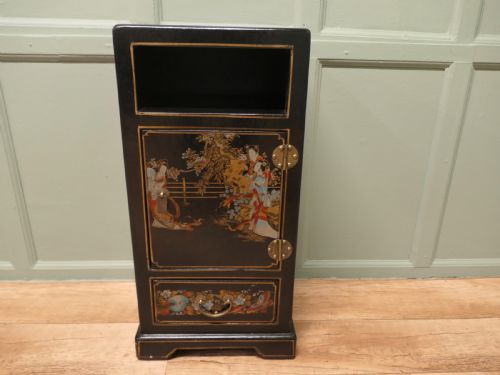
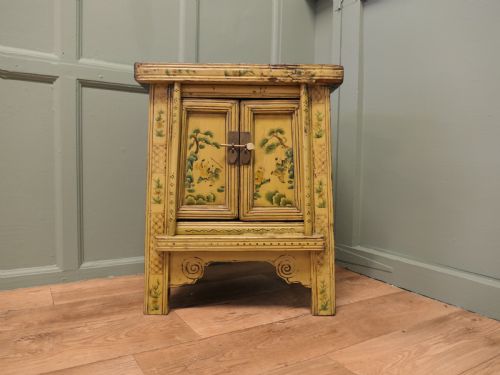
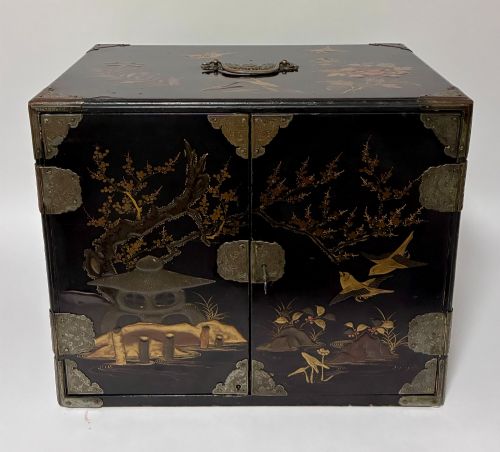
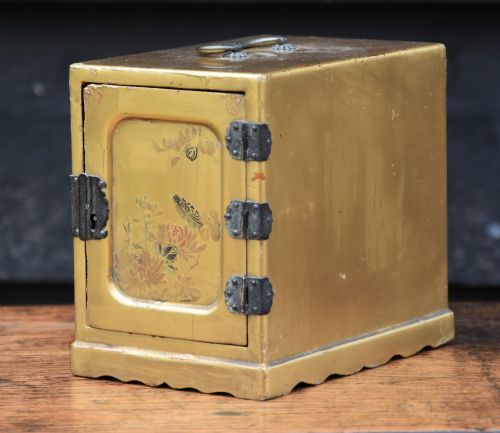
These oriental lacquered table cabinet examples bring striking surface decoration and compact storage to any interior.
Oriental Lacquered Table Cabinet
An oriental lacquered table cabinet provides compact storage whilst displaying intricate surface artistry across various forms. Pieces matching this search phrase encompass table cabinets, jewellery boxes, and small cupboards.
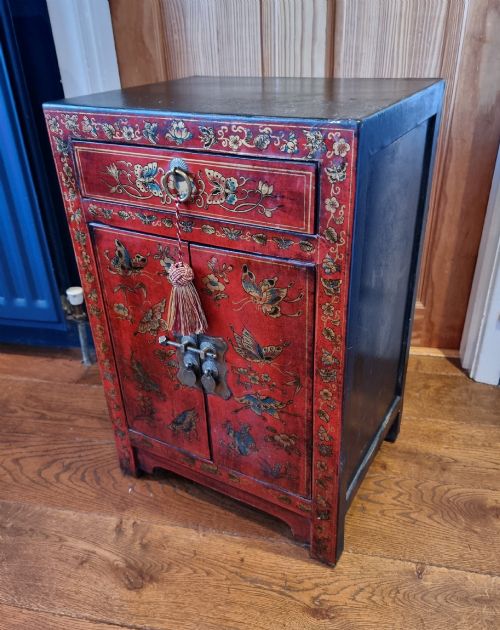
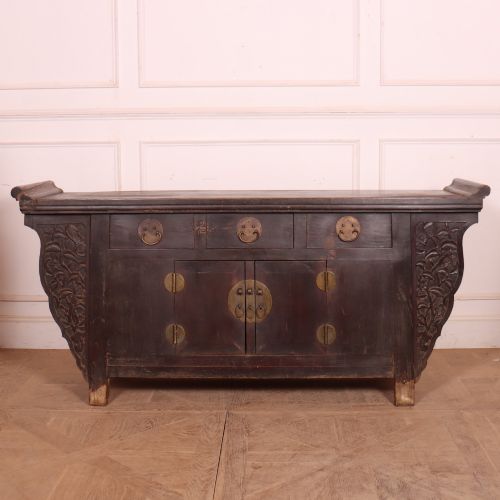
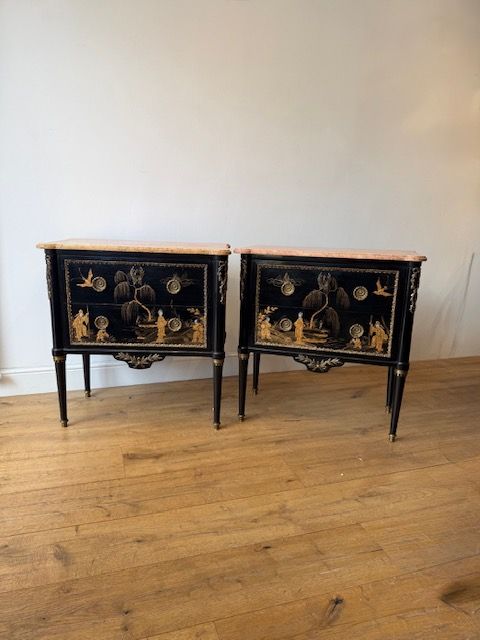
Originating from diverse traditions including Chinese Export and Japanese craftsmanship, these cabinets range from black and red lacquer finishes to elm and bamboo constructions.
How They Were Made
Wood serves as the foundational substrate, utilising elm, bamboo, and general timber frameworks to build the structural carcass of each cabinet. Lacquer is applied in successive layers to create a durable, glossy protective coating.
Decoration relies on gold leaf, gilt work, and detailed painting to render traditional motifs across the lacquered surfaces. Metal elements such as brass fixtures and handles provide structural reinforcement and functional closure.
Tiger bamboo framing meets glossy black lacquer, proving that Victorian makers truly embraced botanical eclecticism.
What Varies in Quality
The depth and preservation of the lacquer finish distinguish different tiers of execution, alongside the precision of the gilt or gold leaf detailing. Intricate pictorial scenes demonstrate higher levels of artisan investment compared to simpler decorative treatments.
Hardware selection and internal compartment arrangement influence the overall character of the piece, with heavier brass mounts and elaborate drawer configurations indicating superior workshop output.
The Oriental Lacquered Table Cabinet Glossary
- Lacquer
- A durable resin finish applied to wooden objects, drying to form a hard, smooth surface that resists moisture. It forms the primary protective and decorative medium for these cabinets.
- Chinoiserie
- European artistic styles reflecting Chinese motifs and decorative techniques, popular across various periods. This aesthetic heavily influences many of the listed cupboards and cabinets.
- Kodansu
- A traditional Japanese small cabinet or chest with multiple internal drawers, often used for storing valuables. These items frequently display fine lacquer work and gilt highlights.
- Cinnabar
- A bright scarlet mineral used to create carved red lacquer surfaces in certain oriental pieces. The technique involves building up thick layers of red lacquer before carving intricate patterns.
Oriental Lacquered Table Cabinet: Frequently Asked Questions
What is an oriental lacquered table cabinet?
An oriental lacquered table cabinet is a small storage piece finished with decorative lacquer, designed to sit on a desk, table, or larger surface.
These items range from Japanese kodansu jewellery boxes to Chinese export cupboards and penwork collectors cabinets.
How were these cabinets used historically?
Historically, these small cabinets served to store precious items, documents, writing materials, or jewellery.
Their compact size allowed them to be placed within private chambers, reception rooms, or studies for accessible storage.
How do I care for lacquered wood furniture?
Lacquered surfaces require gentle maintenance using a soft, dry cloth to remove dust without scratching the finish.
Keep these cabinets away from direct sunlight and extreme temperature fluctuations to prevent the lacquer from cracking.
How can I tell different periods apart?
Differentiating periods relies on observing stylistic markers, construction methods, and materials such as bamboo or elm.
Nineteenth-century examples often display traditional Japanese Meiji or Chinese Qing motifs, while early twentieth-century pieces incorporate Chinoiserie revivals from the nineteen-twenties and thirties.