




Oriental Export Lighting
Oriental export lighting brings imported ceramic forms into domestic interiors through converted vases, ginger jars, and tea canisters mounted for electricity.
Oriental Export Lighting
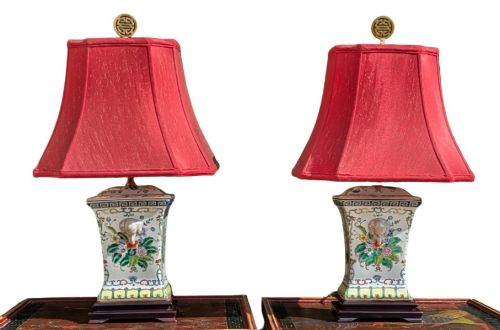
When buyers search for oriental export lighting, they encounter decorative vessels transformed into illumination across various historical periods. The selection relies heavily on table lamps fashioned from nineteenth-century porcelain vessels, including Famille Rose, Rose Medallion, and Canton examples.
Beyond standard table lamps, the category encompasses converted vases, ginger jars, and candlesticks originating from Chinese export workshops. These objects integrate traditional ceramic bodies with functional wiring, brass mounts, and fabric or silk shades suited for domestic placement.
Materials and construction methods
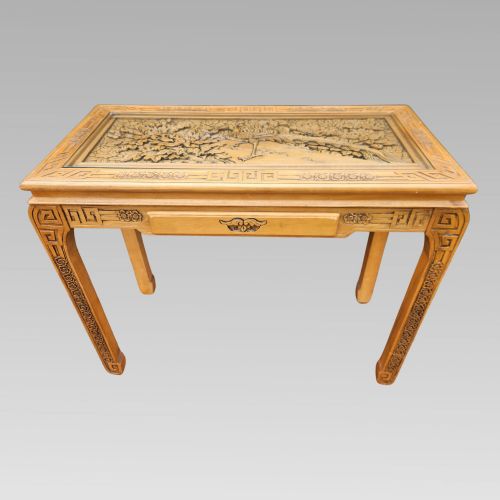
The foundation of these pieces rests on hard-paste porcelain, celadon, and cloisonné, often paired with brass or gilt bronze mounts. Artisans utilised carved hardwood for lantern stands and console tables, while fabric and silk completed the shade construction.
Conversion methods involved drilling ceramic bodies or securing mounts around existing vase necks to accommodate electrical fittings. Metal components like ormolu and brass provide structural stability to the porcelain columns.
Oriental Export Lighting Retail Price Guide 2026
Typical asking prices for oriental export lighting among the pieces listed under this phrase on Sellingantiques today, from the lower quarter to the upper quarter. They describe what is for sale here now, not the wider market.
Listings feature items spanning from seventeen-fifty through the nineteenth century, Victorian, Edwardian, and nineteen-thirties periods.
What determines quality in these pieces
Quality rests upon the crispness of the hand-painted enamel decoration and the harmony between the ceramic body and its metal mounts. Pieces featuring detailed Famille Verte, Famille Rose, or intricate cloisonné work command greater attention than simpler monochrome variations.
The integrity of the porcelain vessel prior to conversion dictates the overall standard of the piece. Well-matched pairs with balanced proportions and original or period-appropriate brass fittings represent the finer end of the available selection.
The Oriental Export Lighting Glossary
- Famille Rose
- A major palette of Chinese porcelain enamels introduced in the eighteenth century, distinguished by opaque pink or rose colours.
- Cloisonné
- An ancient metalwork technique employing enamel filled within wire compartments soldered to a bronze or copper base.
- Celadon
- A term for pottery denoting both wares glazed in jade green and the distinctive green glaze itself.
- Ormolu
- Gilt bronze mounts applied to furniture, clocks, and ceramic bases, originating from French decorative traditions.
- Ginger Jar
- A wide-mouthed storage jar of Chinese origin, frequently adapted into lamp bases during later periods.
Oriental Export Lighting: Frequently Asked Questions
What is oriental export lighting?
Oriental export lighting consists of decorative objects, primarily ceramic vases and ginger jars, which have been wired and adapted to serve as table lamps.
These pieces combine Eastern manufacturing traditions with Western functional requirements, utilising porcelain, cloisonné, and bronze mounts.
What periods do these lamps come from?
The available lighting predominantly dates from the nineteenth century, with specific examples reaching back to earlier production dates like seventeen-fifty.
Later Victorian, Edwardian, and nineteen-thirties adaptations also appear, reflecting continuous domestic demand for converted oriental ceramics.
How should I place them in a room?
These lamps function well on console tables, sideboards, or chests where their decorated ceramic bodies contribute colour and height. Pairing symmetrical vases creates a balanced arrangement on larger pieces of furniture.
Careful consideration of shade materials, such as silk or fabric, ensures the light complements the painted enamel details.