





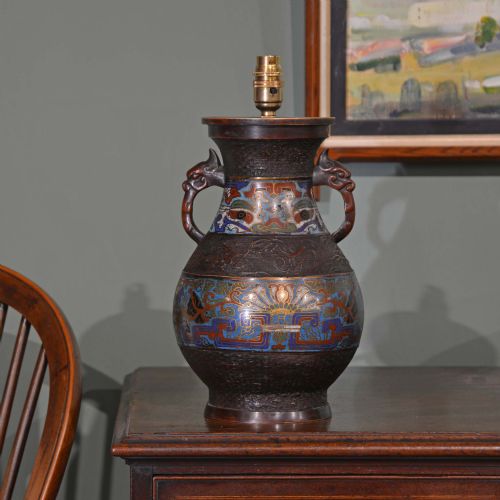
Oriental Dragon Lamp
An oriental dragon lamp brings unmistakable sculptural power to a room, cast in bronze or carved from dense hardwood.
Oriental Dragon Lamp
When you search for an oriental dragon lamp, you are looking at items that bridge decorative arts and practical lighting, spanning the nineteenth century up to the early twentieth century. The selections on this page unite lighting fixtures with carved furniture and converted vessels, bringing together forms like table lamps, lantern stands, and floor lamps.
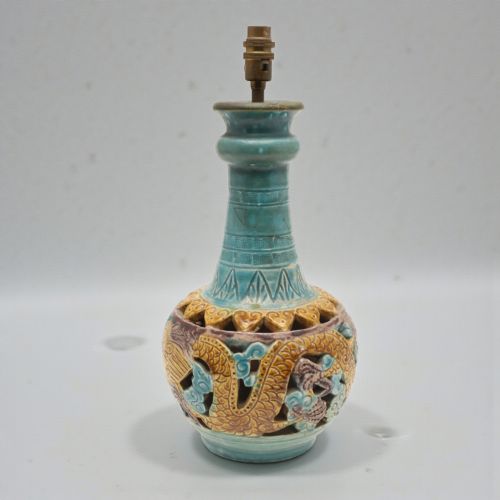
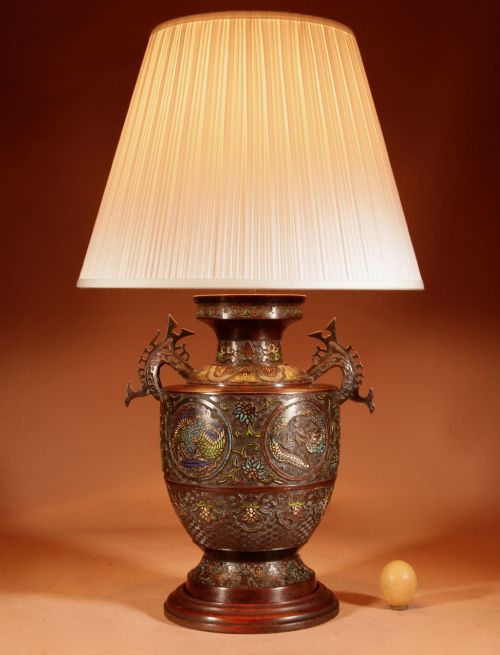
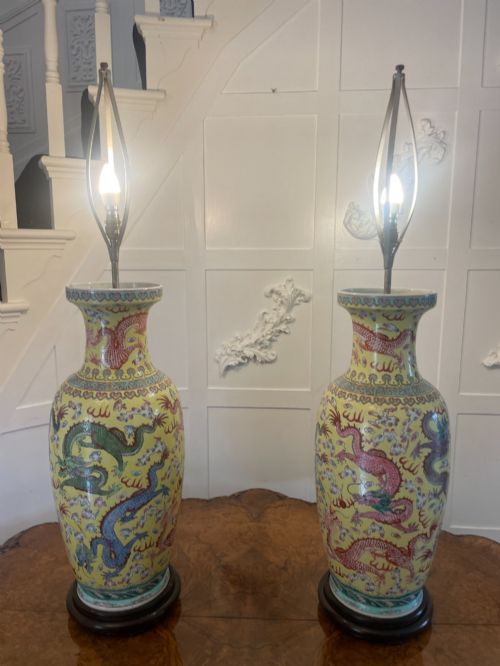
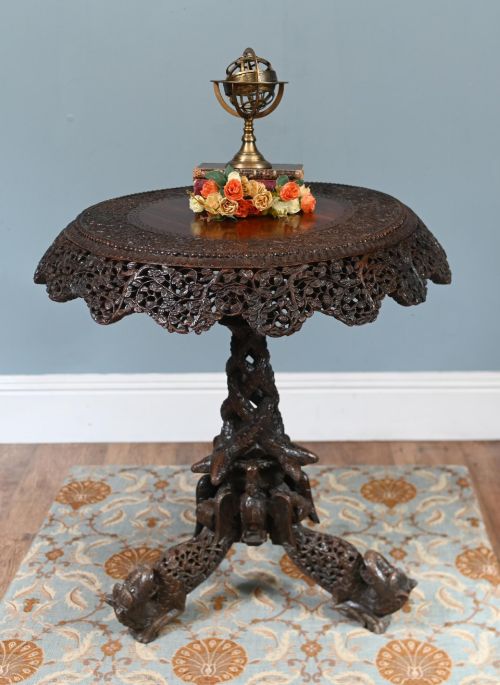
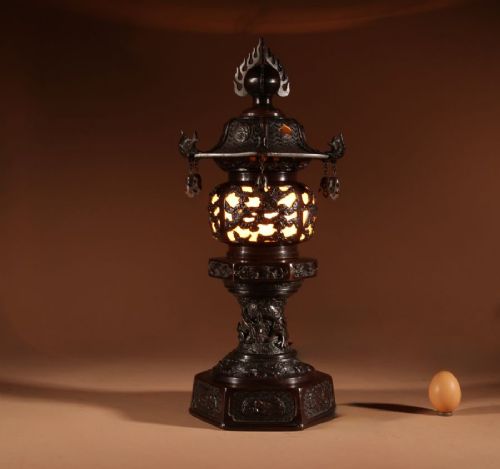
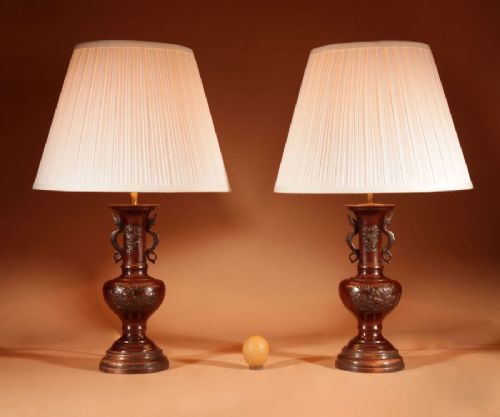
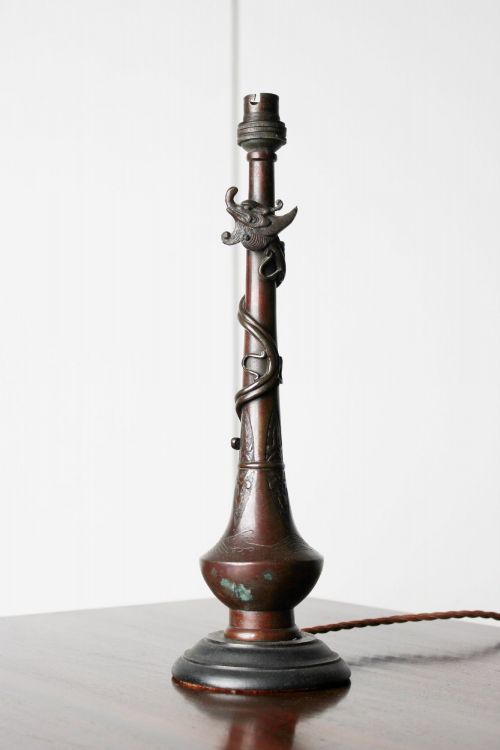
The pieces you are most likely to encounter here take the form of Japanese bronze table lamps from the Meiji period or Chinese carved hardwood lamp stands and converted porcelain vases. These items range from slender occasional tables and torchieres to imposing pairs of bronze table lamps bearing dragon motifs.
How they were made
Makers shaped these objects using traditional foundry and woodworking techniques, casting bronze and brass alongside carving hardwood and timber. Surface decoration often incorporates enamel work, champlevé, and gilding to accentuate the detailed relief of dragon motifs.
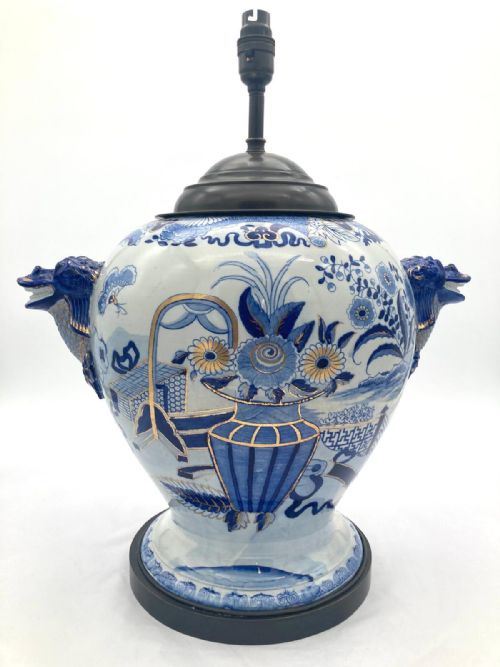
Ceramic forms utilise porcelain bodies decorated in palettes such as famille rose or cloisonné before later conversion into lamps. Furniture pieces employ carved hardwood, marble tops, and joinery characteristic of Chinese export and Anglo-Burmese workshop traditions.
Oriental Dragon Lamp Retail Price Guide 2026
Typical asking prices for oriental dragon lamp among the pieces listed under this phrase on Sellingantiques today, from the lower quarter to the upper quarter. They describe what is for sale here now, not the wider market.
Materials recorded across the available pieces include bronze, brass, hardwood, porcelain, enamel, and marble.
What varies in quality
The distinction between standard and superior examples lies in the crispness and depth of the casting or hand carving. A finer Japanese bronze or Chinese carved hardwood piece displays intricate scales, distinct claws, and fluid muscle structure rather than softened or mass-produced contours.
Material selection and decorative finishing further divide the range, from simple turned timber to complex champlevé enamel work and carefully matched pairs of porcelain vases. Integrity of form, whether in a converted oil lamp or a structural lantern stand, governs the overall merit of the object.
The Oriental Dragon Lamp Glossary
- Meiji Period
- The era in Japanese history spanning from 1868 to 1912, noted for detailed metalwork and bronze casting. Pieces from this time frequently feature naturalistic dragon motifs.
- Champlevé
- An enamelling technique where troughs are dug into a bronze or metal surface and filled with vitreous enamel before firing. This method creates colourful decorative patterns on lamp bodies.
- Cloisonné
- A technique of creating designs on metal vessels by soldering wire onto the surface and filling the compartments with enamel paste. Fine examples show precise wirework framing floral and dragon designs.
- Torchiere
- A tall stand or floor lamp designed to direct light upward. In these listings, they appear as large carved wooden supports.
- Famille Rose
- A palette of opaque Chinese ceramic glazes dominated by pink or rose enamel, seen on porcelain vases converted into lamps.
Oriental Dragon Lamp: Frequently Asked Questions
What is an oriental dragon lamp?
An oriental dragon lamp is a decorative lighting fixture or converted antique vessel featuring sculptural dragon motifs from Asian traditions. These pieces include cast bronze figures from the Meiji period as well as carved hardwood stands and porcelain vases adapted for electricity.
They serve both as functional illumination and as statement decorative objects, often displaying detailed craftsmanship in metal, ceramic, or timber.
How do I date a bronze dragon lamp?
Dating typically relies on stylistic indicators, foundry marks, and the specific characteristics of periods such as the nineteenth century or the Meiji era. Japanese bronzes from the Meiji period often exhibit high-relief casting and patination particular to late nineteenth-century workshops.
Examining the construction methods of the base, wiring access points, and any associated furniture fittings helps establish the age of the piece.
Were these always lamps?
Many items listed as lamps began their lives as something else entirely, such as bronze vases, ginger jars, porcelain vessels, or architectural lantern stands. Artisans later converted these decorative objects into lighting fixtures by adding electrical fittings while preserving the original body.
Items like carved hardwood torchieres and side tables similarly incorporate lighting elements or serve as stands for lamps.
How do I style a dragon lamp at home?
These lamps function well as focal points on side tables, pedestals, or large desks where their sculptural forms can be appreciated. Pairing a bronze or hardwood dragon lamp with simple surrounding decor allows the detailed carving and patination to stand out.
Consider the scale of the room and the height of the lamp, particularly with floor-standing torchieres or large paired vase lamps.