





Oriental Dragon Figure
These oriental dragon figure examples bring mythical beasts into your rooms through centuries of metalwork, stone carving and textile art.
Oriental Dragon Figure
An oriental dragon figure encompasses carved stone scholar's objects, heavy garden bronzes and hardwood sculptures rooted in Asian artistic traditions. When searching for an oriental dragon figure, collectors encounter both Chinese and Japanese works ranging from the nineteenth century into the twentieth.
The materials vary widely across the selection, appearing in bronze, brass, hardstone, earthenware and silk embroidery. These pieces take forms such as okimono, roof ornaments, vases and detailed panel art.
Nineteenth century examples dominate the available selection, reflecting Meiji period craftsmanship and Qing dynasty influences. Buyers frequently meet works paired as sets or integrated into complex mythological scenes involving deities and pearls.
Materials and construction methods
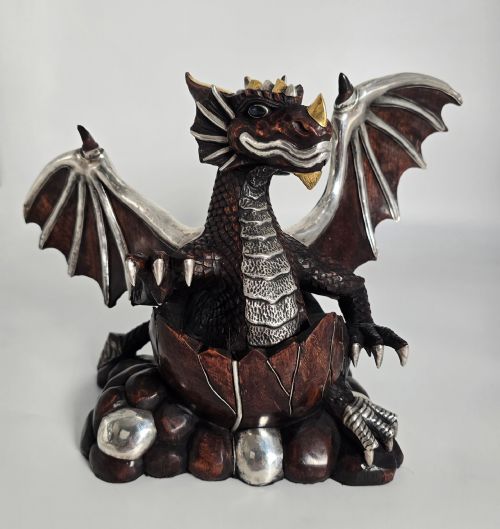
Sculptures and okimono take shape through cast bronze and brass or hand-carved hardwoods, often accented with mixed metals. Artisans shape heavy garden bronzes and smaller scholar's carvings with immense attention to scale and muscular detail.
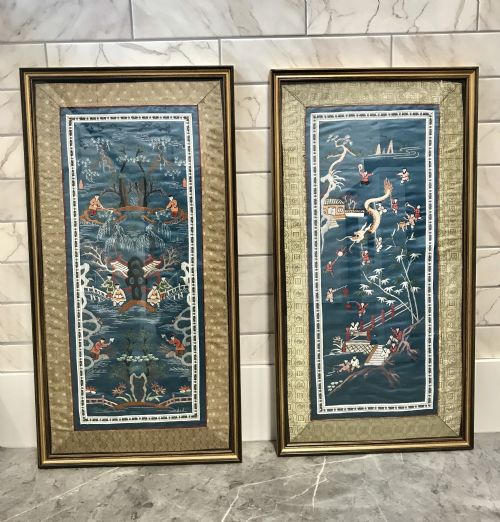
Stone pieces utilise materials like Shoushan stone and jade, shaped into intricate figural groups and pearl carvings. Textile works employ hand-sewn silk embroidery under glass, capturing creatures alongside trees and floral motifs.
Oriental Dragon Figure Retail Price Guide 2026
Typical asking prices for oriental dragon figure among the pieces listed under this phrase on Sellingantiques today, from the lower quarter to the upper quarter. They describe what is for sale here now, not the wider market.
Some dragons guard pearls while others perch on roofs to ward off fire.
Judging quality in dragon figures
The finesse of the carving dictates the distinction between standard items and exceptional works. Master carvers render scales, claws and facial expressions with sharp relief and dynamic movement, whereas lesser examples show softer, shallower detailing.
Material selection plays a primary role in overall desirability, particularly in jade, fine hardwoods and patinated bronzes. The depth of the casting and the crispness of mixed metal mounts further separate regional workshop output from fine sculptural pieces.
The Oriental Dragon Figure Glossary
- Okimono
- A Japanese display piece designed for interior decoration rather than religious use. These decorative sculptures often depict animals, figures or mythical beasts.
- Shachikoko
- A traditional Japanese architectural ornament depicting a mythical creature with the head of a tiger and the body of a carp. These ceramic roof figures protect buildings from fire.
- Shoushan stone
- A type of Chinese soapstone prized for its varied colours and soft texture, frequently utilised for detailed scholar's carvings and seal stones.
- Meiji Period
- The era in Japanese history spanning from eighteen sixty-eight to nineteen twelve, known for exceptional metalwork, ceramics and ivory carving.
- Baluster
- A vase or architectural column with a rounded lower body and a narrow neck. This shape appears frequently in ceramic pieces from the nineteenth century.
Oriental Dragon Figure: Frequently Asked Questions
What materials are dragon figures made from?
These figures appear in cast bronze, solid brass, carved hardwood, Shoushan stone and jade. Textile panels also showcase the motif through hand-sewn silk embroidery under glass.
Craftsmen occasionally incorporated mixed metals to highlight anatomical details, whiskers and scales on sculptural forms.
How do I date a dragon figure?
Dating relies on material patination, carving style and stylistic traits associated with specific periods such as the Qing dynasty or the Meiji era. Nineteenth-century works often exhibit heavier casting and distinct regional patinas.
Examining tool marks and mounting techniques provides further clues regarding whether an object originates from the nineteenth or early twentieth century.
Are these figures Chinese or Japanese?
The selection includes pieces from both cultural traditions, alongside Indonesian and Tibetan examples. Chinese works often feature jade, Shoushan stone and scholar's carvings.
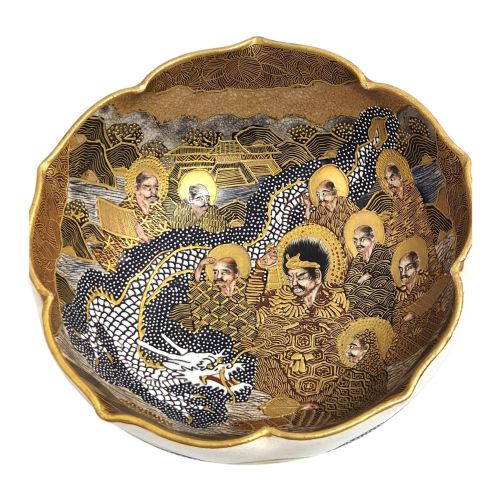
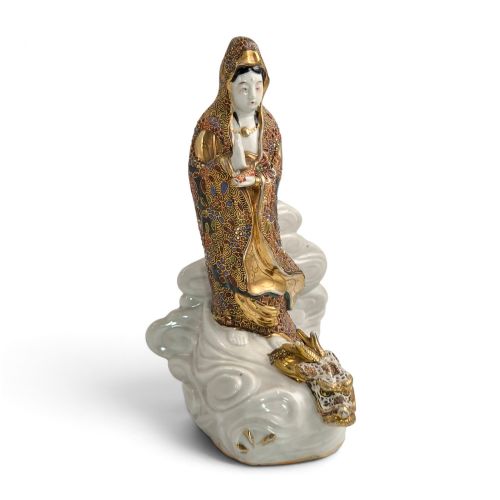
Japanese pieces frequently take the form of bronze okimono, Satsuma ceramics or architectural roof ornaments from the Meiji and Taisho periods.
How should I display a dragon figure?
Larger bronze sculptures and garden okimono suit standalone display on sturdy pedestals or low tables. Smaller scholar's stones and hardwood carvings require secure placement on flat surfaces away from direct sunlight.
Enamelled vases and framed silk embroidery panels pair well with neutral backgrounds that highlight their intricate colours and textures.