






Oriental Cocktail Table
An oriental cocktail table brings striking lacquer, painted scenes, and low proportions into a room, offering a functional surface rooted in Asian design traditions.
Oriental Cocktail Table
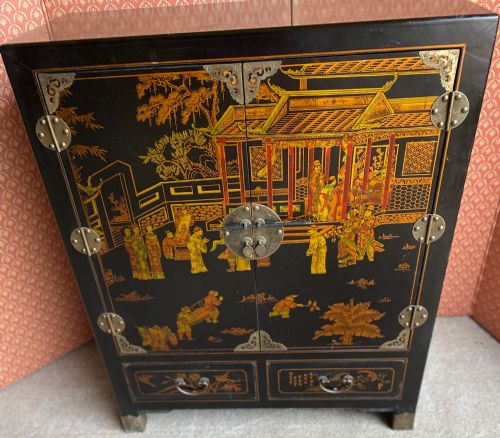
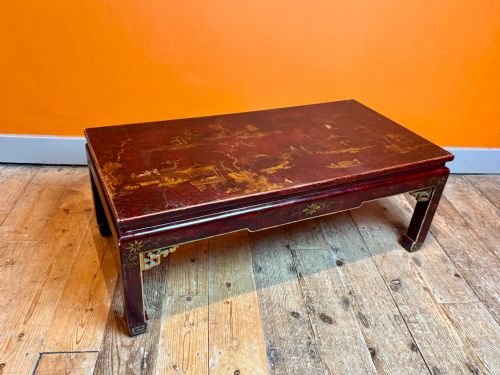
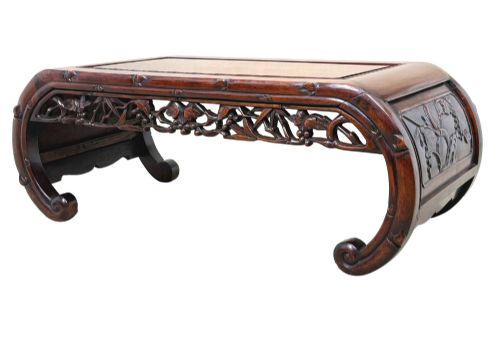
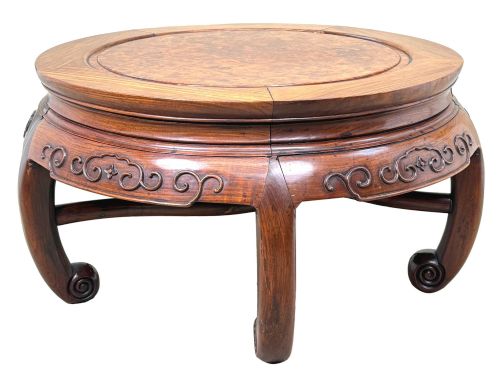
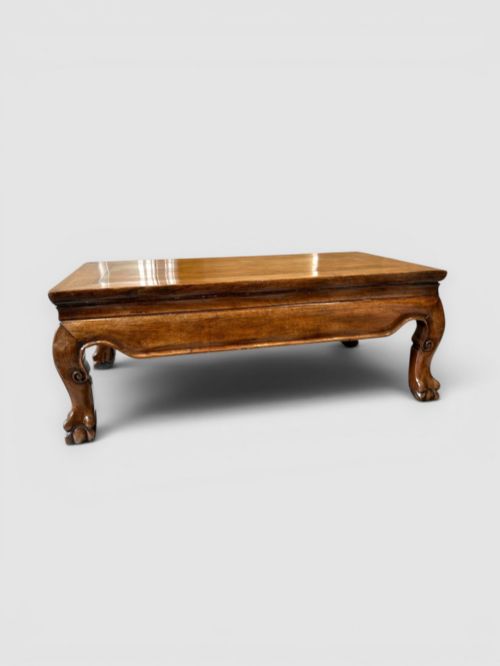
When searching for an oriental cocktail table, a buyer encounters low-slung surfaces adapted from traditional forms like opium tables alongside Edwardian and mid-century British or French interpretations of Chinoiserie. These pieces span from the late nineteenth century into the twentieth century, appearing in forms such as tray tops, circular coffee tables, and low rectangular tables.
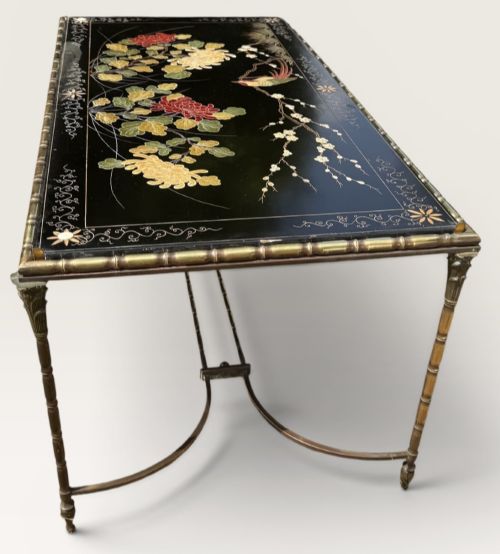
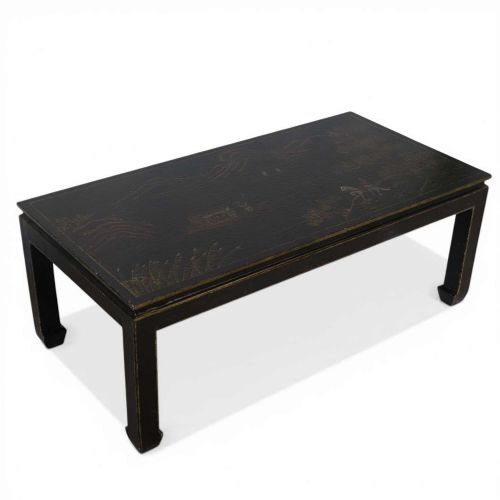
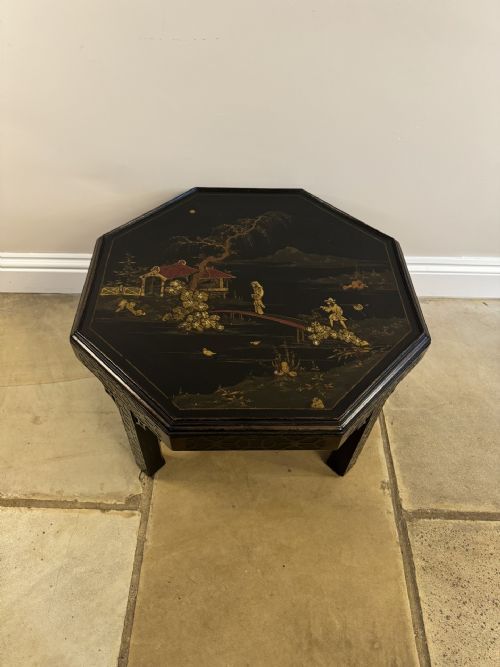
The most common examples on this page are Edwardian Chinoiserie lacquer coffee tables and early twentieth-century black and gilt lacquered low tables. Alongside these, traditional Chinese forms in elm or hardwood and European interpretations by makers like Maison Bagues shape the selection.
Materials and construction methods
Construction relies heavily on woods such as elm, rosewood, and general hardwoods, often finished with black or ebonised surfaces. Artisans applied layers of lacquer to build up deep, glossy finishes that serve as a base for decorative work.
Surface ornamentation is achieved through paint, gilt highlights, and raised relief detail depicting traditional scenes. Brass hardware or tray surrounds occasionally appear to frame the timber and lacquer work.
Oriental Cocktail Table Retail Price Guide 2026
Typical asking prices for oriental cocktail table among the pieces listed under this phrase on Sellingantiques today, from the lower quarter to the upper quarter. They describe what is for sale here now, not the wider market.
Some tables retain the low proportions originally intended for floor cushions before finding new life beside low modern sofas.
Judging the quality of the work
The distinction between standard and superior pieces rests on the depth and execution of the surface decoration, from simple painted scenes to intricate raised relief work in gilt and lacquer. Finer examples display meticulous hand-painted detail and crisp mouldings that retain their clarity across the entire table top.
The integrity of the underlying timber frame and the stability of the lacquer layers determine the longevity of the piece. Superior examples maintain a harmonious balance between the structural joinery and the decorative scheme without excessive wear to the painted surfaces.
Maison Bagues
The Oriental Cocktail Table Glossary
- Chinoiserie
- European decorative style reflecting Chinese artistic influences, prevalent in furniture decoration and lacquer work. It employs painted scenes and gilt motifs on dark backgrounds.
- Japanned
- European imitation of Japanese and Chinese lacquerwork, created using layers of varnish and heat-cured finishes. This technique produces a dark, glossy surface often adorned with raised gold designs.
- Opium table
- A traditional low Chinese table designed for use while seated on cushions or platforms. These low tables form the structural prototype for many low coffee tables.
- Tray top
- A furniture top featuring a raised gallery edge designed to prevent items from sliding off. This style appears frequently on Edwardian Chinoiserie tables.
- Relief detail
- Decorative ornamentation that stands out from the flat background plane. In these pieces, relief work is often built up in gesso or lacquer before gilding or painting.
Oriental Cocktail Table: Frequently Asked Questions
What is an oriental cocktail table?
An oriental cocktail table is a low surface drawing on Chinese forms or European Chinoiserie decoration, typically finished in lacquer or paint.
These pieces range from traditional Chinese tables in elm or rosewood to Edwardian and mid-century British interpretations designed for modern seating heights.
How were these tables used originally?
Traditional Chinese low tables served various domestic purposes near floor-level seating, while European iterations were adapted specifically as low coffee tables.
Over time, western makers adopted these forms to hold drinks, books, and decorative objects in formal reception rooms.
How do I care for a lacquered table?
Lacquered and painted surfaces require gentle dusting with a soft, dry cloth and protection from direct sunlight and excessive heat.
Avoiding harsh chemical cleaners preserves the delicate gilt highlights and the integrity of the antique finish.
How do I tell Edwardian Chinoiserie from older pieces?
Edwardian Chinoiserie tables often feature lighter structural frames combined with specific tray tops or circular shapes produced around the early twentieth century.
Older nineteenth-century pieces tend to show heavier construction in elm or hardwood with simpler, more traditional proportions.