



Oriental Carved Seat
An oriental carved seat brings substantial timber construction, deep relief work and traditional seating forms into an interior.
Oriental Carved Seat
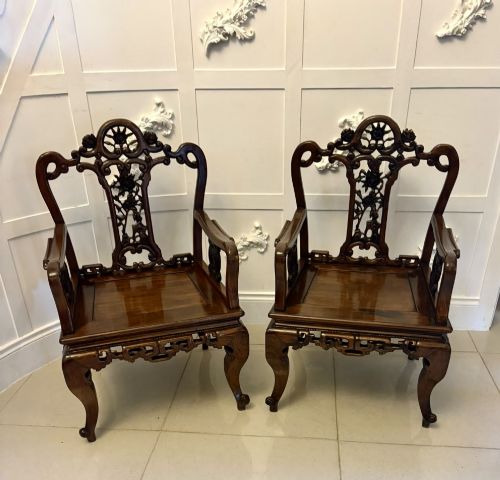
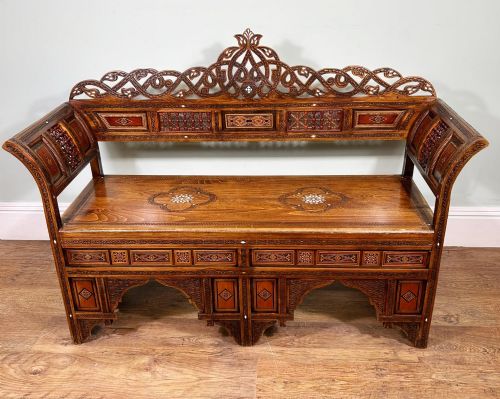
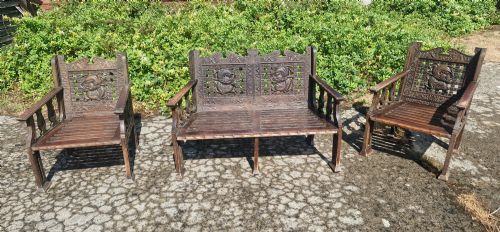
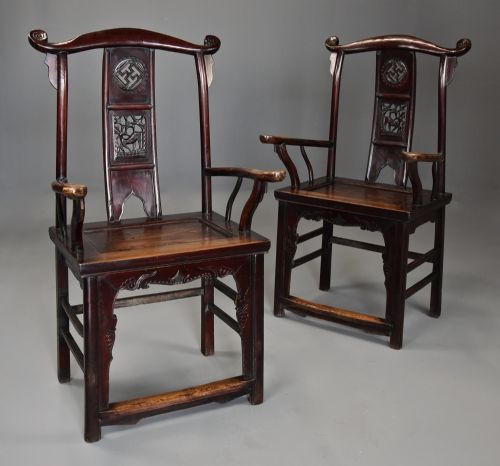
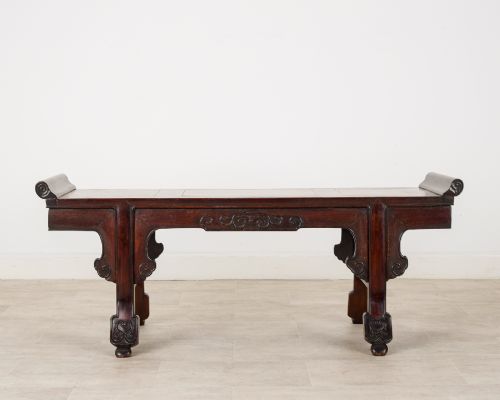
When you search for an oriental carved seat, you encounter benches, armchairs, window seats and settles originating from Chinese dynasties, Anglo-Indian workshops and Middle Eastern makers. These items served functional roles in period rooms, often taking the form of long altar benches, horseshoe chairs or throne chairs.
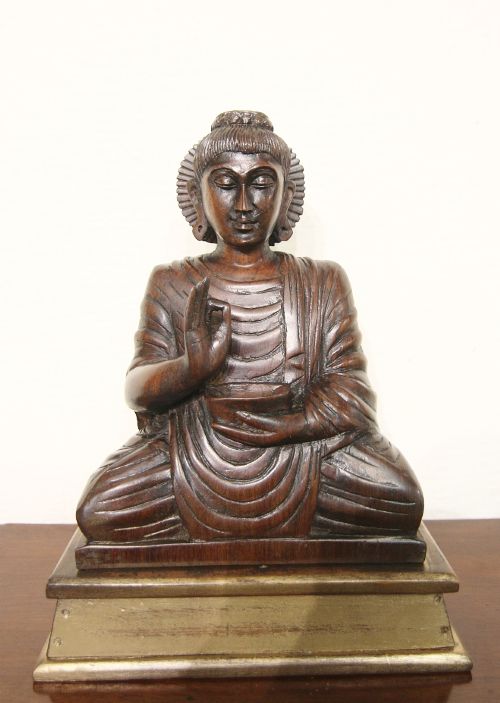
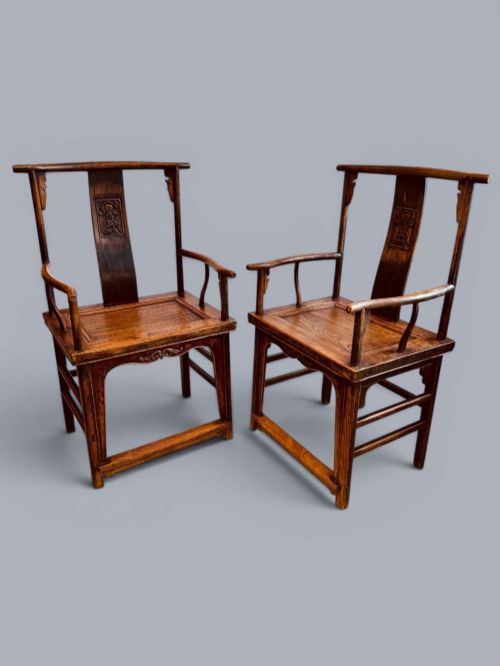
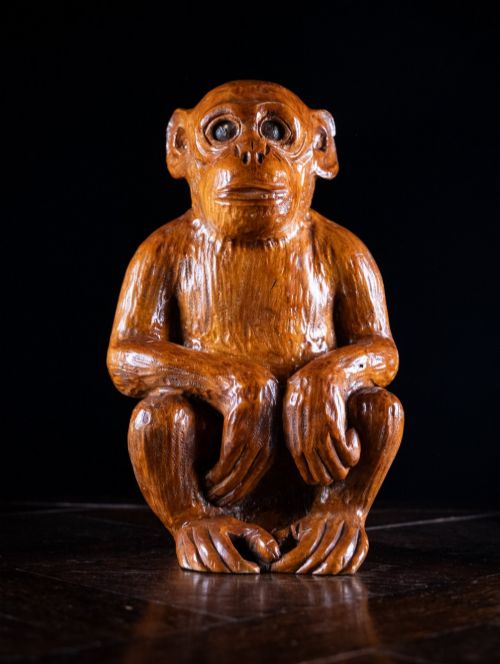
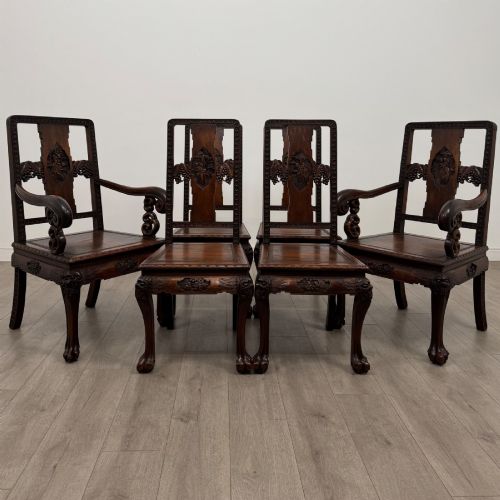
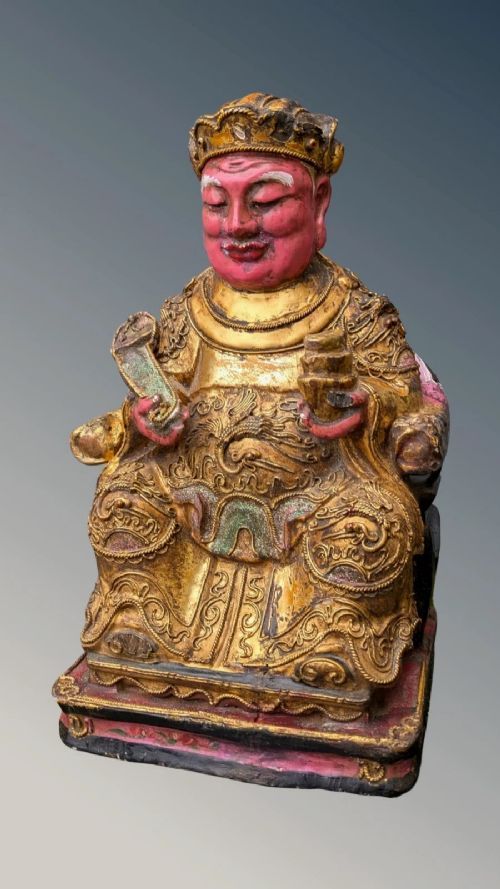
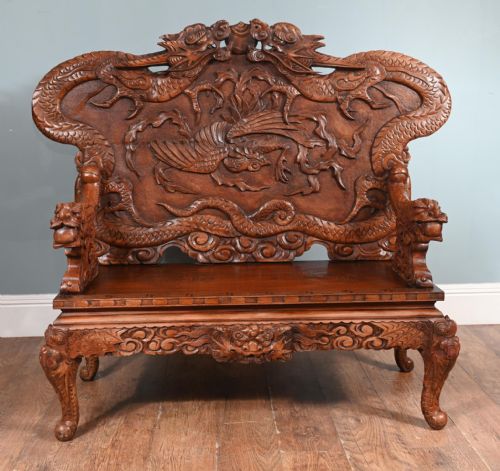
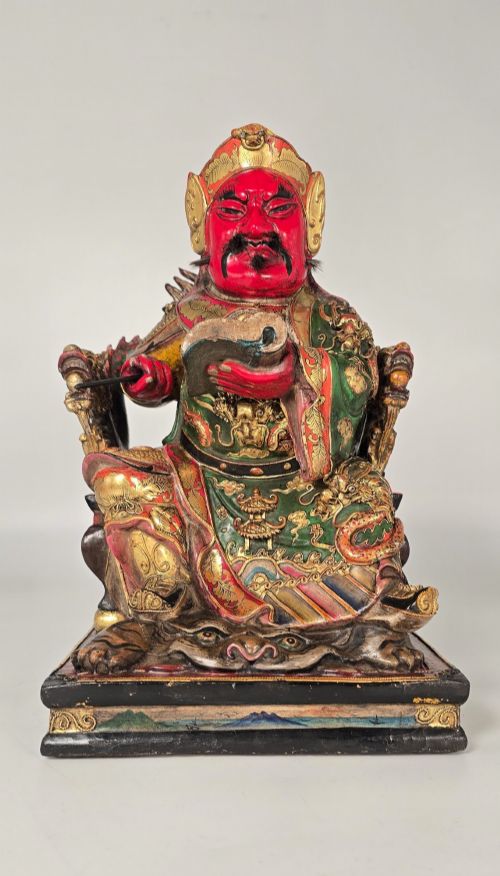
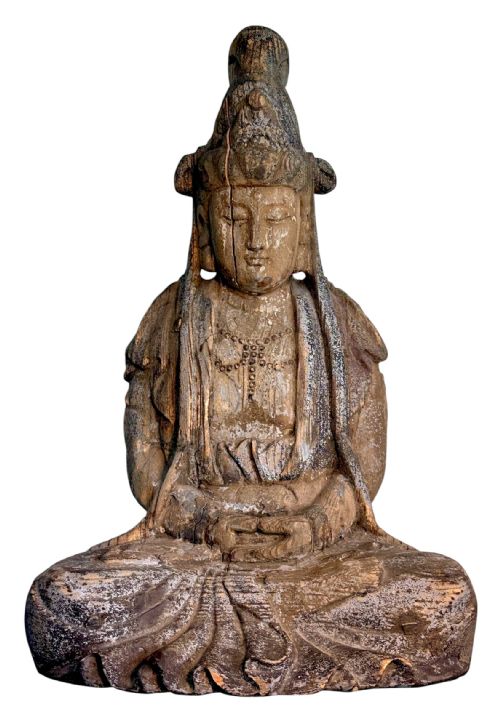
The version most commonly met on this page is the nineteenth-century Chinese hardwood bench or elm armchair, frequently displaying detailed dragon carvings and panelled construction. Alongside these timber forms, one finds occasional lacquer finishes, inlaid mother of pearl details and ritual figures seated on independent bases.
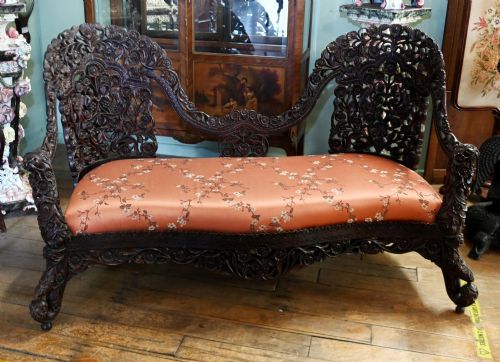
The regional styles span traditional Chinese craftsmanship, export designs and Moorish influences, reflecting global trade routes and local aesthetic preferences. Each piece demonstrates how makers adapted heavy seating frames to incorporate regional iconography and structural joinery.
Materials and Technique
Makers utilised dense timbers such as rosewood, teak, elm and huali to construct these heavy seating frames, relying on traditional mortise and tenon joinery without metal fixings. This stable timber framework supported deep relief carving, allowing artisans to cut intricate dragons, floral motifs and geometric patterns directly into the structural grain.
Surface decoration frequently involved layers of red or cinnabar lacquer, gold leaf application and polychrome paintwork applied over prepared wood grounds. Certain export pieces integrated contrasting materials, setting mother of pearl inlay or marble panels securely into the solid wooden seat frames and backrests.
Oriental Carved Seat Retail Price Guide 2026
Typical asking prices for oriental carved seat among the pieces listed under this phrase on Sellingantiques today, from the lower quarter to the upper quarter. They describe what is for sale here now, not the wider market.
Dogs of fo and wealthy scholars frequently appear carved into these seats, keeping eternal watch over the sitting room.
Assessing the Workmanship
Quality rests in the crispness of the chisel work and the depth of the relief carving across the crest rails, arm supports and aprons. Superior examples display confident, fluent lines where figures and mythical beasts retain sharp anatomical definition rather than soft, rounded edges.
The choice of timber and the preservation of original finishes dictate the standing of a piece within its type. Intact red lacquer, well-figured rosewood or elm with a deep, natural patina signal careful historical preservation and superior original material selection.
The Oriental Carved Seat Glossary
- Yokeback armchair
- A traditional Chinese chair style featuring a top rail that curves outwards like the yoke of an ox. This design supports the sitter's upper back while providing distinctive sweeping terminals.
- Cinnabar lacquer
- A decorative surface treatment created by building up numerous layers of red lacquer before carving intricate designs into the solid coating. It requires immense patience and precise temperature control.
- Altar bench
- A long, narrow wooden form originally utilised in temples or domestic shrines for ritual objects before adapting to domestic window seating. Their proportions remain remarkably slender relative to their length.
- Mother of pearl inlay
- A decorative technique where thin pieces of iridescent nacre shell are set flush into hand-cut recesses within the wooden surface. Artisans often secure these fragments in geometric or floral arrangements.
- Hongmu
- A translation meaning red wood, categorising dense, heavy tropical hardwoods utilised in high-status Chinese furniture. The timber naturally accepts a high polish without requiring artificial stains.
Oriental Carved Seat: Frequently Asked Questions
How were these seats used?
These pieces functioned as primary seating in domestic rooms, halls, temples and reception spaces. Long benches were placed against walls or beneath windows, while armchairs and throne chairs anchored formal gathering areas.
Many designs also held symbolic or ceremonial significance, reflecting the status and scholarly pursuits of their original owners through carved iconography.
How do I live with one?
Positioning an oriental carved seat requires balancing its substantial visual weight and dark timber tones within a modern room. Keep them away from direct heat sources and rapid humidity shifts to protect old lacquer and solid wood joinery.
Regular dusting with a dry cloth preserves the patina, while avoiding harsh chemical polishes ensures the historical surfaces remain stable over time.
How do I tell periods apart?
Differentiating periods relies on observing shifts in timber choice, decorative density and structural wear. Nineteenth-century examples often exhibit deeper hand-carved relief and heavier rosewood or elm construction compared to later export adaptations.
Surface treatments such as original red lacquer or polychrome pigment also provide clues, as twentieth-century pieces occasionally display different finishing techniques and assembly methods.
What is export furniture?
Export pieces were made in Asian workshops specifically to satisfy Western demand during the nineteenth and early twentieth centuries. These items often combined traditional local joinery techniques with forms familiar to European interiors, such as settles and reading chairs.
They frequently incorporated decorative elements like mother of pearl inlay or modified proportions to suit Western domestic habits.