




Oriental Brass Side Table
An oriental brass side table brings warmth and intricate pattern into a room through etched metal and timber.
Oriental Brass Side Table
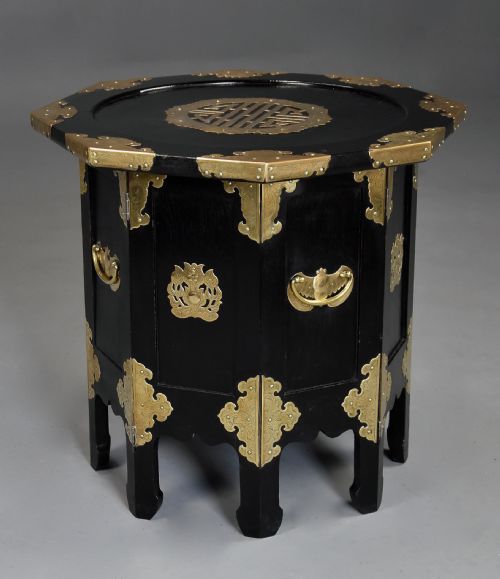
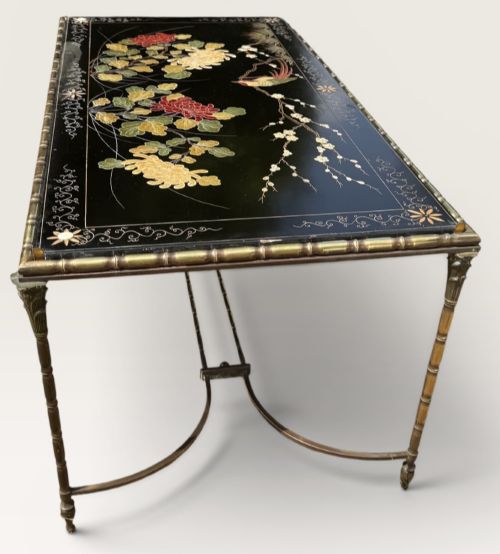
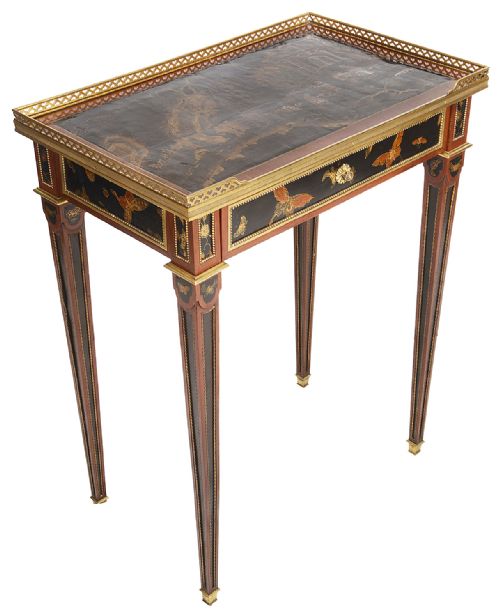
An oriental brass side table combines traditional woodwork with decorative metalwork, often taking the form of an occasional or coffee table. These pieces emerge from various stylistic traditions including Anglo-Indian, Chinese, and Chinoiserie designs.
The selections span from the nineteenth century through the early decades of the twentieth century. Forms range from octagonal occasional tables to low coffee tables and practical side cabinets.
Makers and workshops across different regions utilised local timbers and applied elaborate brass inlays, pressed panels, or complete metal tops. Buyers encounter everything from intricately carved Hoshiarpur examples to lacquer and brass combinations.
How they were made
Craftsmen built these tables using hardwoods such as elm, teak, and ebonised timber, providing a sturdy structural foundation. Surfaces were then fitted with sheet brass, either inlaid meticulously into the wood or fastened as a complete top.
Metal elements often display detailed hand-pressed or engraved motifs, showing floral and geometric patterns typical of the period. Lacquer work and contrasting copper inlays frequently complement the brass to enrich the visual texture.
Some nineteenth-century occasional tables double as ingenious work tables, proving that Victorians loved a secret compartment just as much as a shiny surface.
What varies in quality
The distinction between standard and superior pieces lies in the crispness of the metal engraving and the precision of the woodwork joints. Hand-beaten brass panels with deep, clear relief work indicate superior artisan skill compared to shallow stamping.
The choice of underlying timber also dictates the character and longevity of the piece, with dense hardwoods providing a more substantial weight and finer grain. Integration between the brass top and the wooden frame demonstrates the maker's technical capability.
Maison Bagues
The Oriental Brass Side Table Glossary
- Anglo-Indian
- Describing decorative arts produced in India during the British period, often featuring dense botanical or geometric inlay. These pieces frequently combine traditional Indian forms with European furniture requirements.
- Chinoiserie
- European artistic interpretation of Chinese and East Asian artistic traditions, popular in furniture and decorative objects. This style employs lacquer finishes and gilded motifs.
- Hoshiarpur
- A Punjabi city renowned for intricate wood carving and wire-inlay work using brass, copper, and bone. Tables from this region are celebrated for their dense surface patterns.
- Occasional table
- A small, movable table designed for specific, intermittent use within a room rather than permanent placement. These items function easily beside seating areas.
- Ebonised
- Timber treated to resemble ebony through staining or painting, creating a dark, uniform finish. This technique highlights bright metal inlays.
Oriental Brass Side Table: Frequently Asked Questions
What is an oriental brass side table?
An oriental brass side table is a small surface featuring metal inlay or metal tops, produced in styles that reference Asian or Anglo-Indian design traditions. They date predominantly from the nineteenth and early twentieth centuries.
These items serve as decorative and functional furniture pieces, bringing distinct metallic textures and warm timber tones into domestic interiors.
How do I care for brass and wood?
Maintenance involves dusting the wooden frame with a soft cloth and avoiding harsh chemical cleaning agents on the brass surface. Natural oils can help preserve the condition of exposed timber.
Keeping the table away from direct heat sources and moisture prevents the wood from warping and protects the metal inlay from tarnishing too quickly.
Where were these tables made?
Production locations range from workshops in India, particularly around Hoshiarpur, to centres of Chinese export manufacturing and European studios influenced by Eastern aesthetics. Each region contributed distinct woodworking techniques and decorative motifs.
Imported styles often reflected the taste for exotic furnishings popular in British and French homes during the Victorian and Edwardian eras.
How do I date an antique brass table?
Dating relies on examining the construction methods of the timber frame, the style of the brass engraving, and the specific hardware or fasteners used. Nineteenth-century examples often display hand-cut joinery and heavy gauge metal.
Later pieces from the early twentieth century may incorporate machine-pressed brass sheets or different finishing lacquers consistent with the period.