






Oriental Art Object
An oriental art object brings centuries of craftsmanship into a room, offering tactile jade, intricate bronze and carved wood.
Oriental Art Object
An oriental art object encompasses diverse decorative forms from Asian traditions, including ginger jars, scholar's seals, netsuke and framed paintings. When searching for an oriental art object, buyers encounter pieces spanning from the Western Han Dynasty through to the Victorian era and the Meiji period.
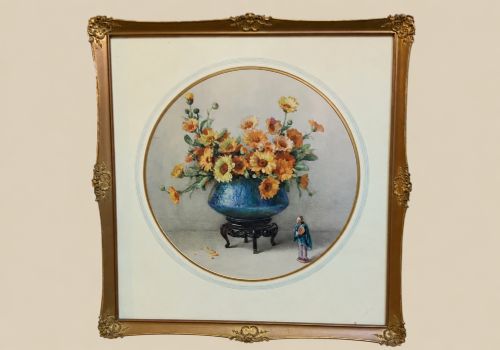
The selection ranges from functional items such as brush pots and ink stones to purely decorative carvings in jade, hardwood and soapstone. Many examples reflect specific dynastic periods like the Qing or Ming dynasties, or Japanese eras such as the Edo and Meiji periods.
Smaller tabletop sculptures, miniatures and wooden panels represent the most common encounters on this page. These pieces demonstrate traditional motifs, including dragons, figures of longevity and naturalistic forms.
Materials and methods
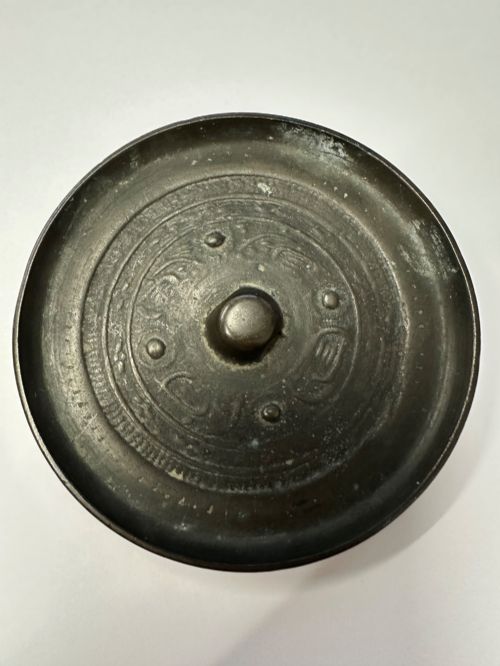
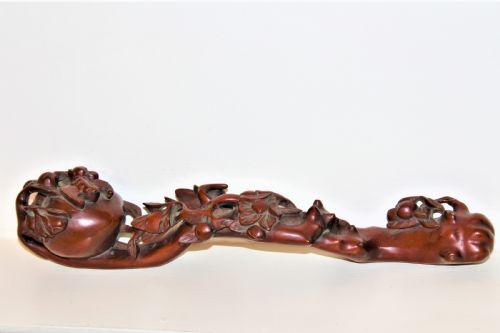
The construction of these pieces relies on traditional working methods applied to durable natural materials such as bronze, jade, hardwood and enamel. Artisans utilised casting techniques for bronze mirrors and censers, alongside meticulous hand carving for wooden panels, root wood sculptures and boxwood items.
Enamel work appears in complex cloisonne pieces, combining metal wire with coloured vitreous pastes. Carved hardstones and jade demand precise abrasive shaping to achieve the detailed relief seen on dragons and miniature fish sculptures.
Oriental Art Object Retail Price Guide 2026
Typical asking prices for oriental art object among the pieces listed under this phrase on Sellingantiques today, from the lower quarter to the upper quarter. They describe what is for sale here now, not the wider market.
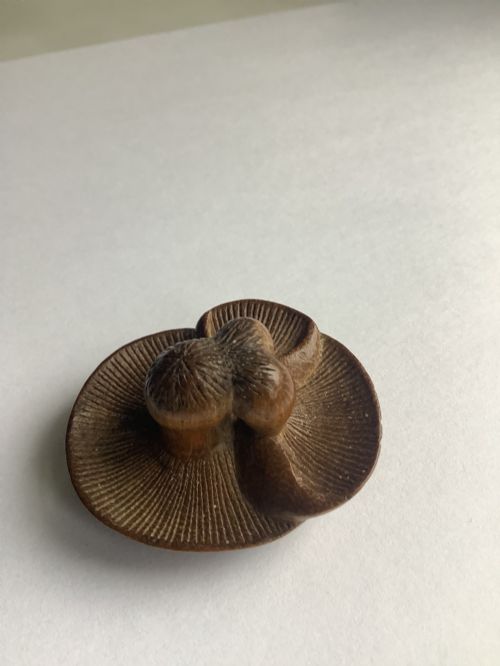
A tiny carved wooden netsuke invites handling because it was designed specifically to be touched and held in daily wear.
Distinguishing quality
Quality rests upon the depth, control and precision of the hand carving or casting. Superior pieces display crisp details in intricate motifs like dragons and scholar's seals without losing the integrity of the natural material.
The choice of medium dictates the refinement, with high-grade nephrite jade or well-patinated bronze showing superior tactile qualities and disciplined execution compared to simpler decorative items.
The Oriental Art Object Glossary
- Cloisonne
- Enamelwork in which enamel is applied to compartments made by strips of metal welded to the upright. This technique creates vibrant surface patterns on metal vessels and ginger jars.
- Netsuke
- A small carved toggle historically used in Japanese dress to secure small containers. These objects are prized for their intricate detail and tactile qualities.
- Qilin
- A mythical hooved chimerical creature often depicted in Chinese art and scholarship. Representations appear in bronze seals and decorative carvings.
- Scholar's Seal
- A personal stamp carved from stone, soapstone or bronze used for signing documents and artwork. These objects often feature elaborate animal or dragon finials.
Oriental Art Object: Frequently Asked Questions
What is an oriental art object?
An oriental art object is a piece of craftsmanship originating from Asian artistic traditions, encompassing items made from bronze, jade, wood and enamel.
These objects range from scholar's items and ritual seals to decorative ginger jars and miniature sculptures created across various historical dynasties and periods.
How were bronze mirrors used?
Ancient bronze mirrors served both practical reflective purposes and symbolic or ritual functions in daily life.
Often cast with intricate dragon motifs and cosmological symbols, they reflected the high status and philosophical beliefs of their owners.
How do I care for carved wood?
Carved wooden items and root wood sculptures require stable environmental conditions away from direct sunlight and sudden humidity changes.
Dusting gently with a dry, soft cloth preserves the natural patina and intricate surface details of boxwood and hardwood pieces.
How are periods identified?
Periods are identified through stylistic conventions, material choices, and the specific motifs associated with dynastic reigns or Japanese eras.
Comparing the manufacturing technique and artistic style against documented examples helps place an object within ranges such as the Qing dynasty or Meiji period.