



Optical Magnifier
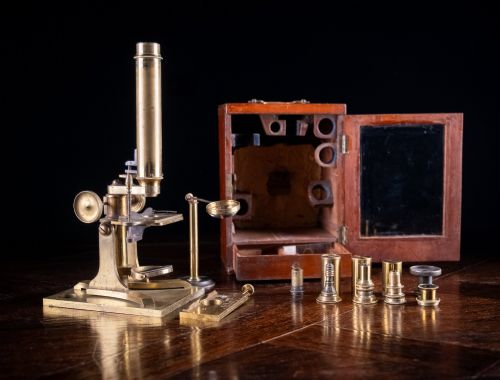
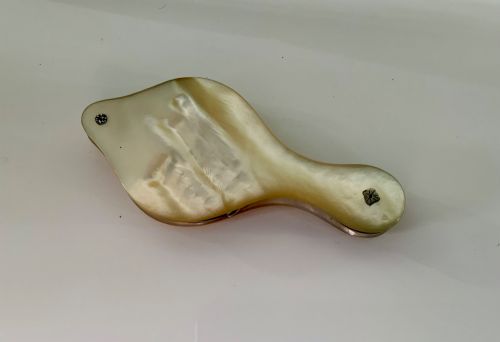
These optical magnifier pieces range from Georgian mother of pearl to brass desk stands, offering both practical focus and period craft.
Optical Magnifier
An optical magnifier serves to enlarge small text and fine details, appearing here in diverse forms suited for desks, pockets, and specialised tasks. The search for an optical magnifier brings up items spanning the Georgian, Victorian, and Edwardian eras through to the interwar period.
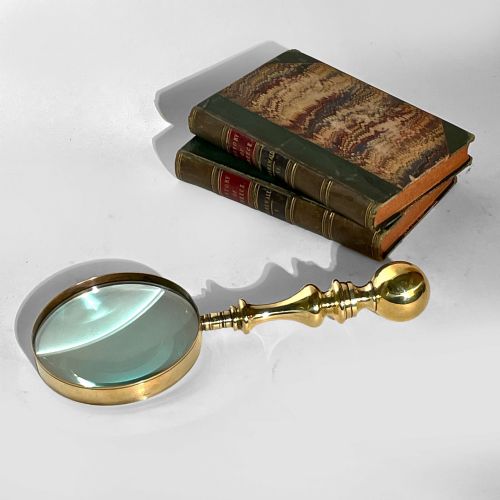
Most examples encountered on this page comprise handheld pocket glasses and sturdy desk accessories. Materials range from sterling silver and brass to mother of pearl, rosewood, and leatherette.
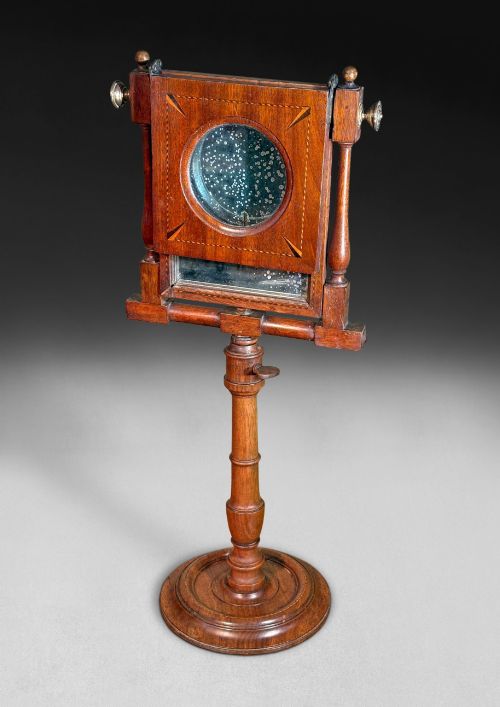
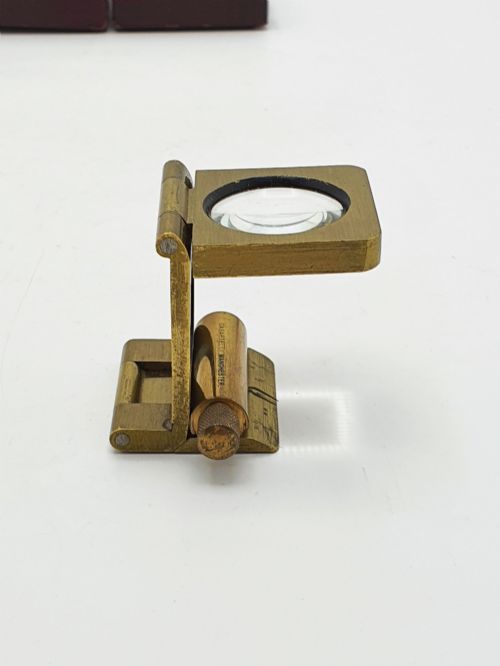
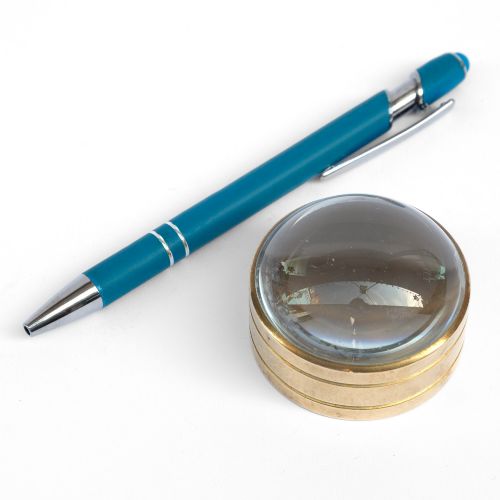
The selection includes specific functional designs such as linen tester loupes with measuring scales, fly fishing thumb magnifiers, and pivoting bullseye lenses on stands. These pieces reflect both utilitarian purposes and domestic elegance across various historical styles.
How they were made
Maker workshops utilised cast and turned brass alongside forged sterling silver to mount clear glass lenses securely. Handles feature carved mother of pearl, turned rosewood, and celluloid moulded over core structures.
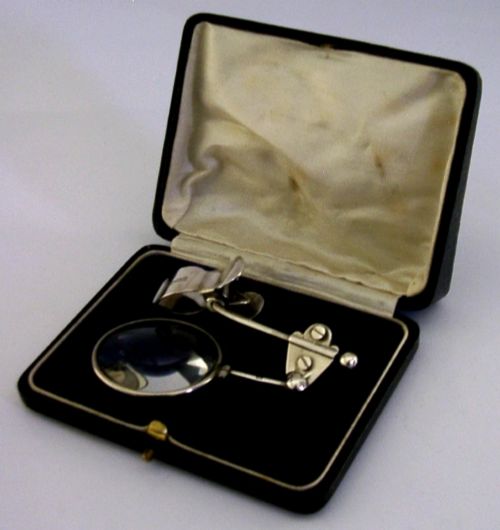
Lenses are fitted into precise metal bezels, sometimes with pivoting mechanisms or folding stands for desk use. Protective cases incorporate leatherette, velvet, and silk linings to safeguard the optical glass.
Optical Magnifier Retail Price Guide 2026
Typical asking prices for optical magnifier among the pieces listed under this phrase on Sellingantiques today, from the lower quarter to the upper quarter. They describe what is for sale here now, not the wider market.
Listings feature brass, sterling silver, mother of pearl, rosewood, and glass across the Georgian, Victorian, and Edwardian periods.
What varies in quality
Quality rests in the optical clarity of the glass lens and the integrity of its mount, whether silver, brass, or wood. Finer examples display crisp hallmarks, precise mechanical pivots, and intact natural materials like mother of pearl.
Simpler pocket versions rely on robust brass frames and basic turned handles, whilst desk top lenses demonstrate heavier bulbous casting and specialised measuring scales.
Casartelli Manchester·CW Dixey London·Fosters
The Optical Magnifier Glossary
- Linen tester
- A folding pocket magnifier originally designed to count threads in fabric. These typically include a calibrated base plate.
- Bullseye lens
- A thick, convex lens that gathers light and magnifies an area beneath it. These are frequently mounted on pivoting stands.
- Thumb magnifier
- A small glass lens configured to be held securely by the thumb for specialised outdoor tasks like fly fishing.
- Hallmark
- An official stamp struck on precious metals indicating standard and origin. These help date sterling silver mounts accurately.
Optical Magnifier: Frequently Asked Questions
What is an optical magnifier used for?
These pieces serve to enlarge fine print, maps, and detailed objects for reading or close inspection.
Historically, they ranged from pocket tools for textiles to heavy desk lenses for correspondence and study.
How do I date an antique magnifying glass?
Dating relies on hallmarks on silver mounts, maker signatures, and the specific materials utilised in the handle.
Styles such as Georgian silver or Edwardian Arts and Crafts provide clear chronological markers for each piece.
Are these glass lenses still usable today?
The optical glass lenses remain fully functional for everyday reading and examining small details.
Solid construction in brass, silver, and wood ensures they endure as both practical tools and decorative objects.
What is a linen tester loupe?
A linen tester is a small folding magnifier equipped with a base scale for counting fabric threads.
Workshop examples from makers like Casartelli show how these instruments served industrial textile trades.