


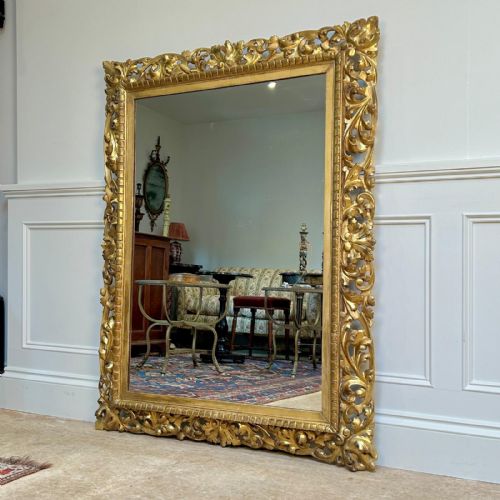


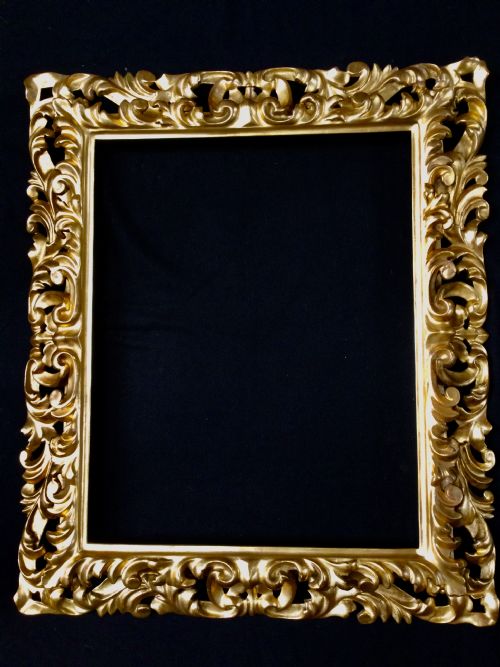


Openwork Gold Frame
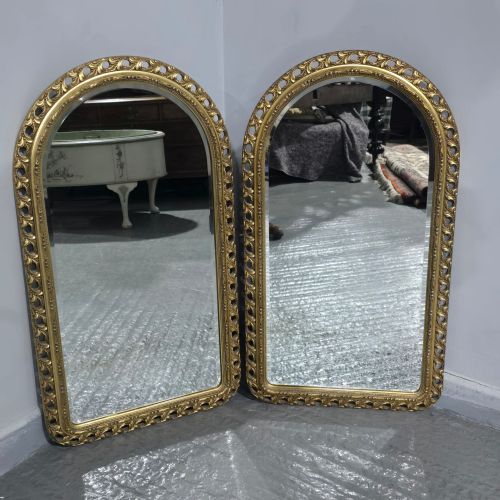
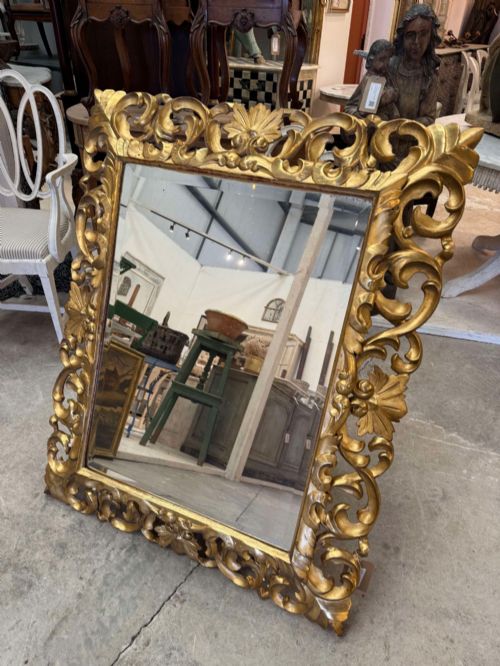
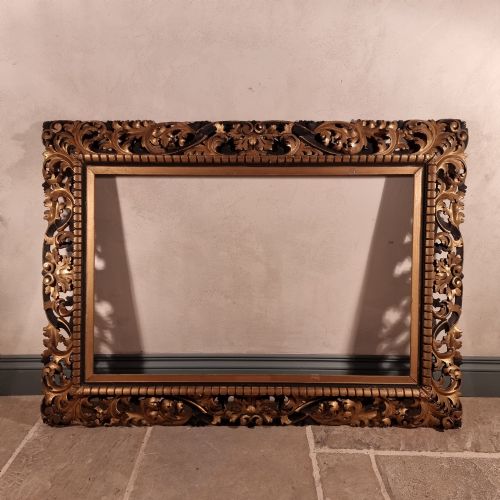
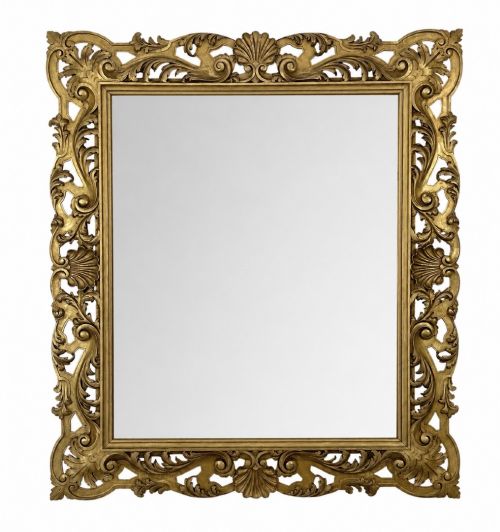
An openwork gold frame brings intricate carved detail and warm metallic lustre to a wall or a miniature portrait.
Openwork Gold Frame
The versions you are most likely to meet on this page span the seventeenth, eighteenth, and nineteenth centuries, often showing revival styles like the Florentine or French Rococo. They arrive in various forms, from cushion-framed mirrors to heavy Italian giltwood wall pieces and small personal medals.
How they were made
Makers shaped these objects using carved wood, gesso, and wood as a base for subsequent finishing. They applied gold leaf and giltwood finishes to create the reflective, metallic surfaces characteristic of the period.
Techniques relied heavily on hand-carving intricate openwork patterns, particularly in Florentine and Rococo revival pieces. Mirror glass and 18k yellow gold appear alongside these wooden structures depending on whether the object is a wall hanging or a pendant.
Openwork Gold Frame Retail Price Guide 2026
Typical asking prices for openwork gold frame among the pieces listed under this phrase on Sellingantiques today, from the lower quarter to the upper quarter. They describe what is for sale here now, not the wider market.
Current listings span periods from the 17th century through the 19th century, featuring styles such as Florentine, French Rococo, and Italian Renaissance Revival.
What varies in quality
The depth and crispness of the carved detail separate standard examples from finer works, particularly where piercing is deep and precise. Hand-tooled gesso and the application of gold leaf dictate the richness of the surface texture.
Proportion and scale play a role, as larger wall mirrors require structural integrity within the pierced wooden frame to support heavy glass. The integrity of the original gilt surface against later interventions also marks the distinction between pieces.
The Openwork Gold Frame Glossary
- Giltwood
- Wood that has been coated with gold leaf or gilt. This surface treatment provides the bright metallic finish seen on many historic frames.
- Gesso
- A plaster-like mixture applied to wood as a base for gilding. Artisans carved intricate patterns into this layer before applying gold leaf.
- Florentine
- A regional style known for elaborate, ornate carved foliage and deep openwork. It originates from Florence and appears frequently in nineteenth-century frames.
Openwork Gold Frame: Frequently Asked Questions
What is an openwork gold frame used for?
These frames serve primarily to house mirrors, paintings, or photographs on a wall, adding decorative weight to a room. Smaller iterations function as jewellery or devotional pendants designed to be worn.
Their openwork structure allows the wall or background to peek through, creating a lighter visual effect than a solid heavy border.
How do I date an antique gold frame?
Dating relies on examining the carving style, the composition of the gesso, and the type of wood underneath. Revival periods often emulate earlier Renaissance or Rococo aesthetics, so tool marks help clarify the actual period of manufacture.
Mirror glass, where original, also offers clues through its thickness, bevelling, and minor imperfections indicative of older manufacturing methods.
Are these frames solid gold?
Frames constructed from wood and gesso are gilded with gold leaf rather than cast in solid precious metal. Only smaller items like jewellery pendants utilise solid materials such as 18k yellow gold.
Giltwood surfaces achieve the appearance of solid gold through the careful application of thin metal leaves over a prepared wooden base.
How do I hang a heavy antique mirror?
Heavy giltwood mirrors require secure wall fixings distributed across the main structural timber of the frame rather than relying on decorative openwork sections. Professional installation ensures the weight is supported safely.
Checking the stability of the mitred joints and the backing boards before hanging protects the historical construction from undue stress.