



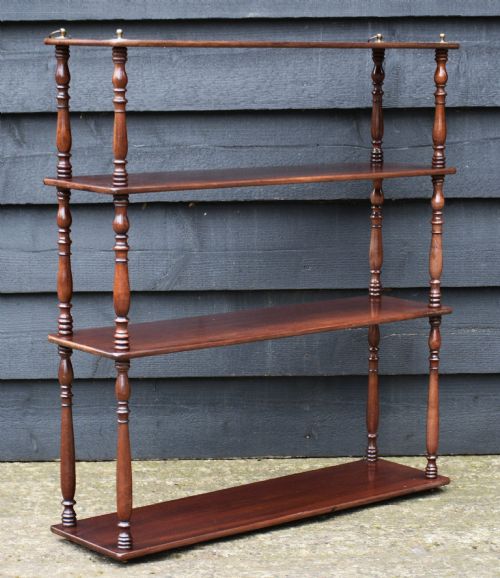
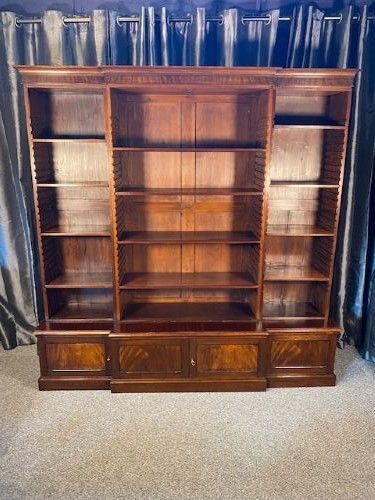
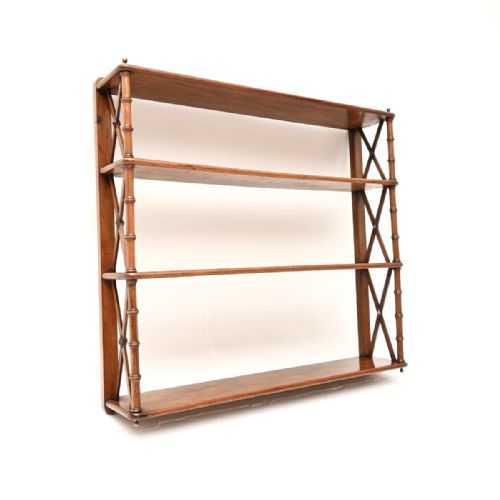

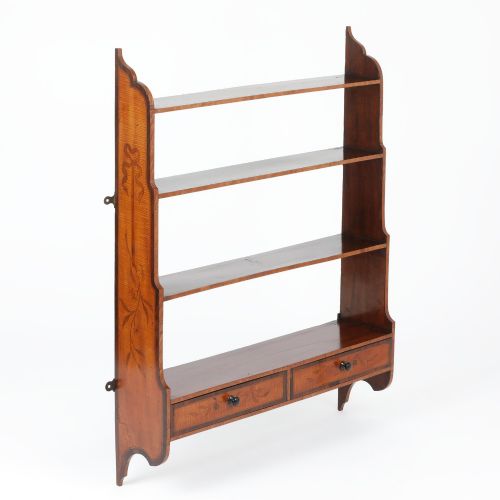


Open Wall Shelving
These open wall shelving pieces offer practical display and storage, bringing period character directly to interior walls.
Open Wall Shelving
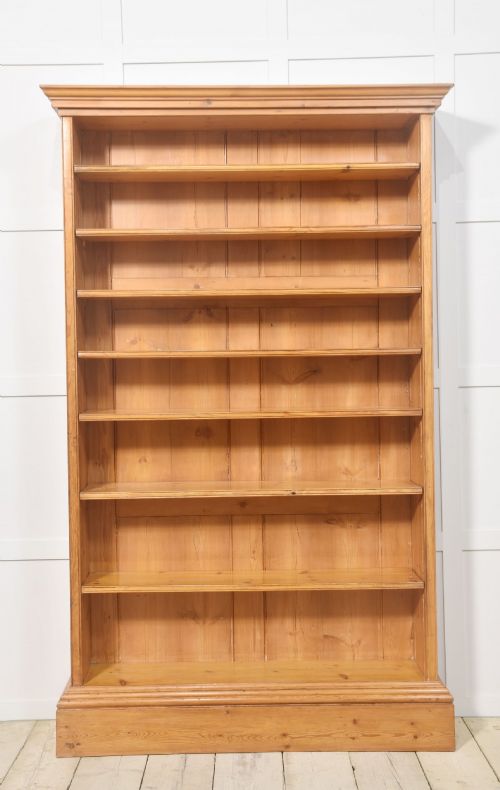
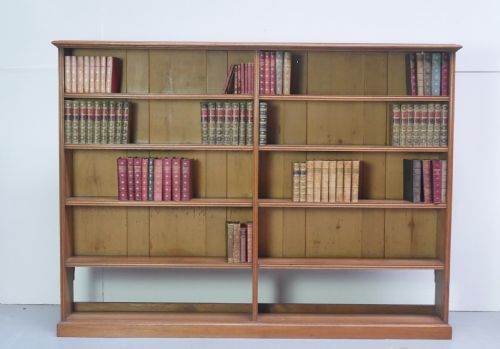
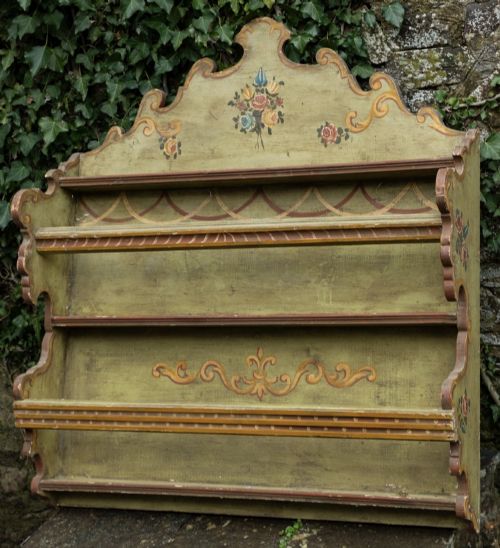
When you search for open wall shelving, you encounter a variety of hanging units, bookcases, and display shelves designed to mount directly onto interior walls or sit within alcoves. These pieces serve practical storage and display functions, ranging from simple book holders to ornate Victorian giltwood and gesso mirrored display shelves.
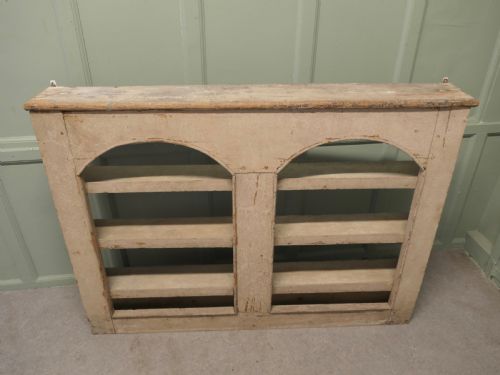
You are most likely to meet mahogany and pine examples on this page, reflecting the widespread use of these timbers across the 18th, 19th, and Edwardian periods. Styles span from Georgian mahogany hanging shelves and Victorian Gothic revival pieces to rustic pine units and French provincial designs.
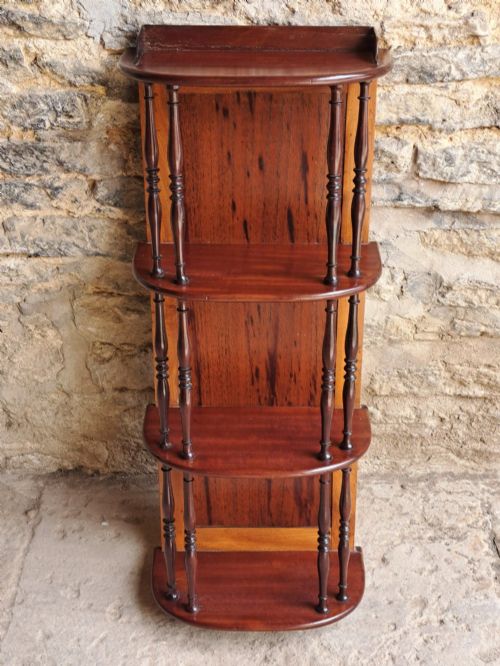
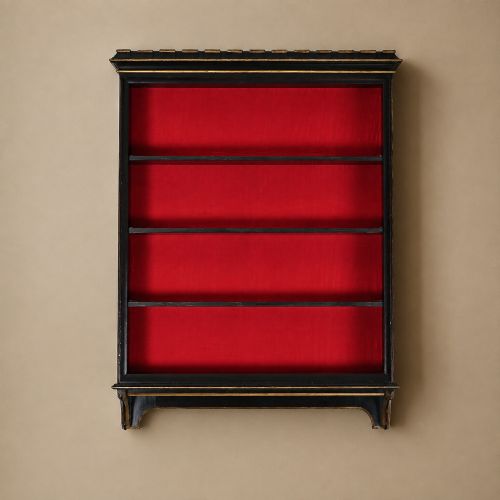
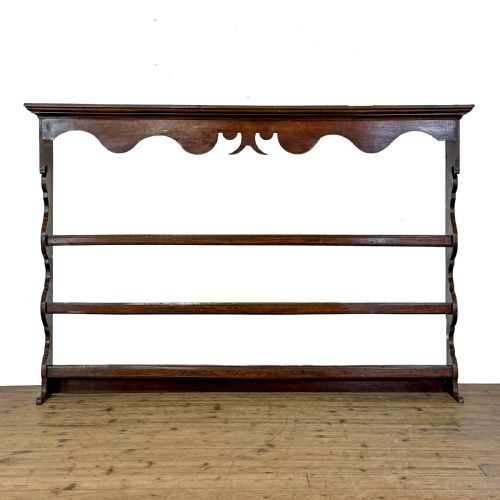
The selection includes specialised forms such as plate racks, corner shelves, and wall cabinets alongside multi-tiered hanging waterfall bookshelves. Each piece utilises vertical wall space efficiently, offering exposed tiers for books, ceramics, and collectibles rather than enclosed cabinet storage.
How they were made
Cabinet makers constructed these wall units using solid hardwoods such as mahogany, oak, walnut, and satinwood, alongside softer timbers like pine. Joinery techniques varied from simple housing joints and dovetails in utilitarian pine shelving to more intricate carved details and inlaid satinwood on refined mahogany and rosewood pieces.
Surfaces received diverse finishes depending on the period and regional style, including hand painted decoration, ebonising, giltwood and gesso application, or traditional wax polish over figured wood veneers like amboyna. Brass hardware frequently provided structural hanging points or decorative accents on whatnots and display cabinets.
Open Wall Shelving Retail Price Guide 2026
Typical asking prices for open wall shelving among the pieces listed under this phrase on Sellingantiques today, from the lower quarter to the upper quarter. They describe what is for sale here now, not the wider market.
Materials span mahogany, pine, brass, oak, walnut, iron, painted wood, satinwood, cherry wood, rosewood, satin birch, and amboyna.
What varies in quality
The quality of open wall shelving rests primarily on the selection of timber, the crispness of any carved or applied ornament, and the integrity of the original construction. Superior examples exhibit well-figured grain, such as finely matched mahogany or richly patinated walnut, paired with balanced proportions and sound structural joints.
At the upper end of the range, decorative elements like hand painting, giltwood gesso work, or intricate inlay are executed with notable finesse. Lesser examples often rely on plain pine or utilitarian construction without decorative embellishment, serving functional display purposes rather than acting as focal points of craftsmanship.
George Edmund Street·Heals
The Open Wall Shelving Glossary
- Whatnot
- A multi-tiered open piece of furniture designed for displaying ornaments or books, frequently configured for wall mounting in Victorian interiors. These units utilise slender supports between shelves.
- Waterfall bookshelves
- Graduated open shelving where each tier steps back from the one below it, creating a distinctive stepped profile often executed in satinwood and mahogany.
- Etagere
- A French term for an open tiered piece of furniture used for the display of small objects and curiosities, appearing in materials like amboyna during the 19th century.
- Gesso
- A plaster-like material applied to wood surfaces and carved or moulded before being gilded, commonly found on ornate Victorian display shelves.
- Alcove shelving
- Fitted or hanging shelving units designed specifically to occupy the recessed wall space flanking a fireplace or architectural projection.
Open Wall Shelving: Frequently Asked Questions
What periods do these shelves come from?
The pieces span several centuries, with examples originating from the Georgian, Victorian, and Edwardian eras. You will also find items dated to the 18th, 19th, and early 20th centuries.
Each period imparts distinct stylistic traits, from the clean mahogany lines of the Georgian period to the ornate giltwood and Gothic revival designs of the Victorian age.
How were hanging wall shelves used historically?
Historically, these shelves provided accessible storage for books, porcelain, and household collectibles in parlours, studies, and bedrooms. They maximised interior space by utilising bare walls rather than occupying valuable floor area.
Finer display shelves and whatnots showcased decorative items, while utilitarian pine and oak versions held working libraries or kitchen wares.
Are these shelves difficult to hang safely?
Hanging antique wall shelving requires careful consideration of the piece's weight and the structure of your wall. Many older units feature integrated hanging brackets or sturdy timber battens designed for secure wall mounting.
It is essential to locate proper wall studs or use appropriate heavy-duty fixings suited to supporting solid hardwood or pine structures.