
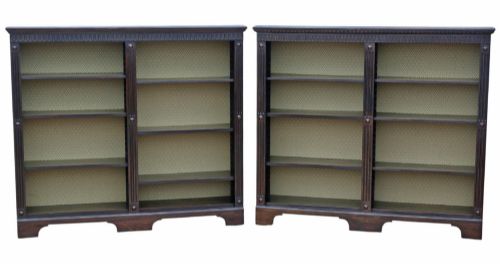
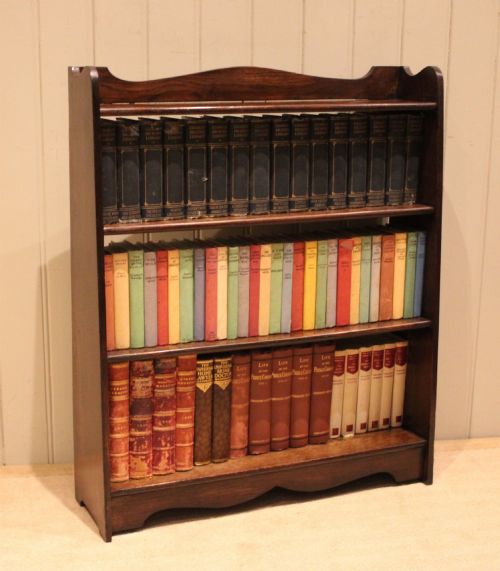
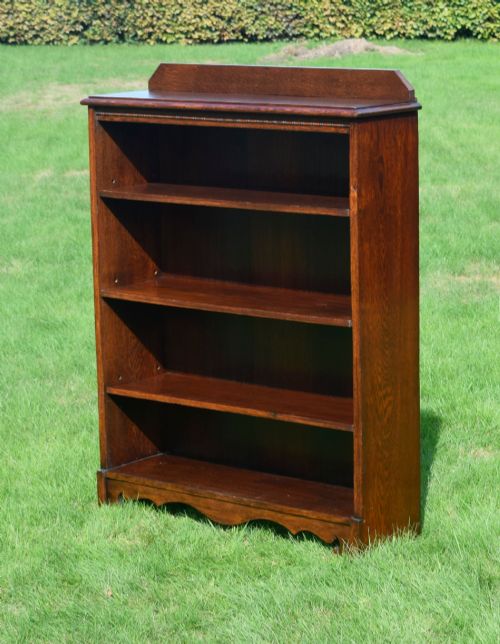
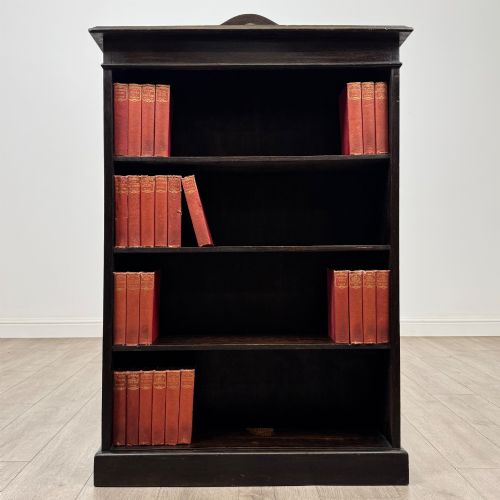
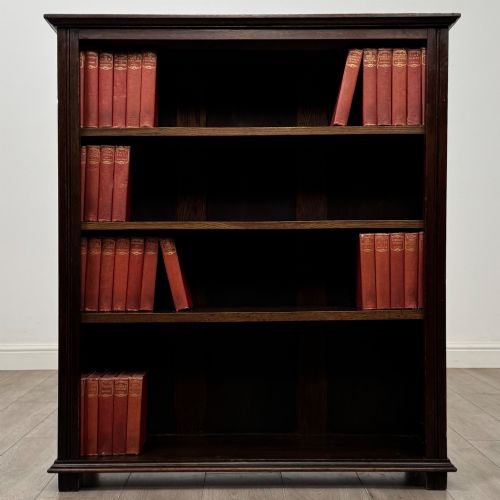
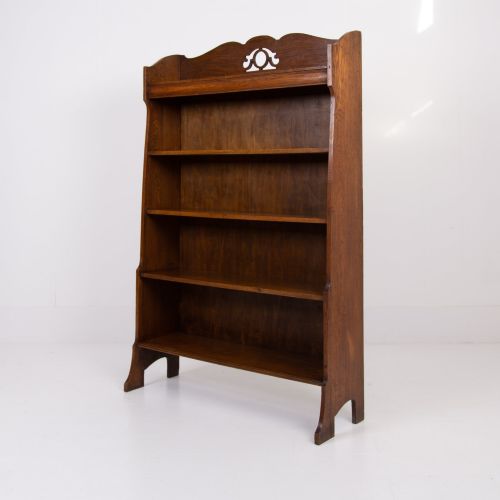
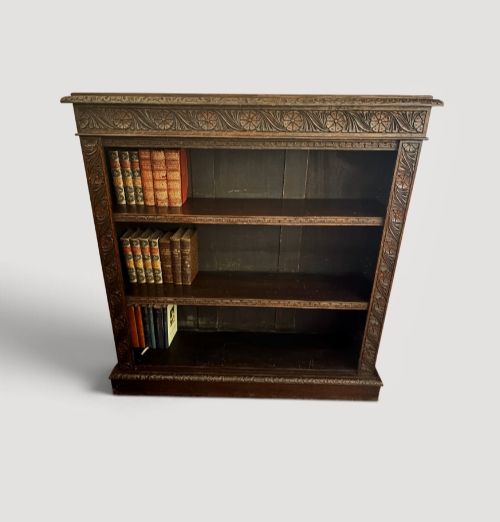
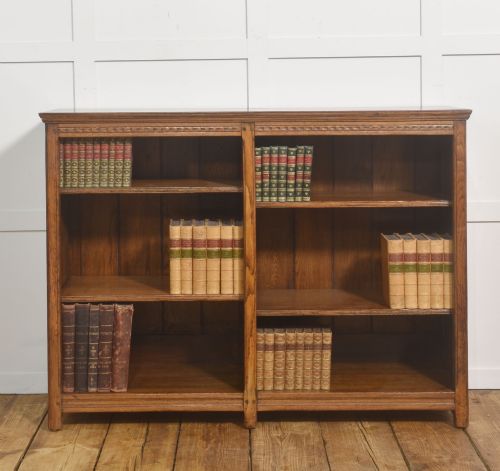
Open Oak Book Stand
An open oak book stand brings sturdy character and accessible shelving to a room, holding everyday volumes within easy reach.
Open Oak Book Stand
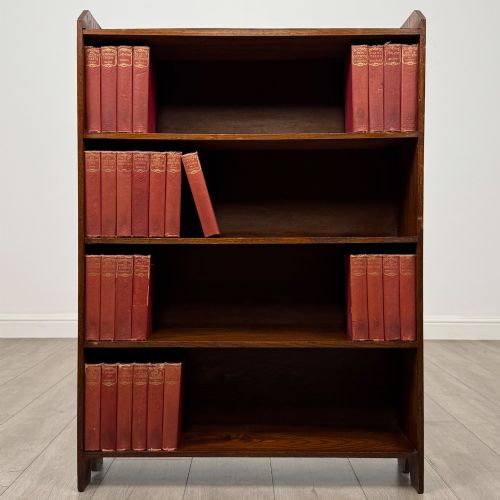
When you search for an open oak book stand, you encounter utilitarian furniture designed for domestic studies, libraries, and living spaces. These pieces dispense with doors to offer immediate access to collections, ranging from compact desk items to tall library bookcases.
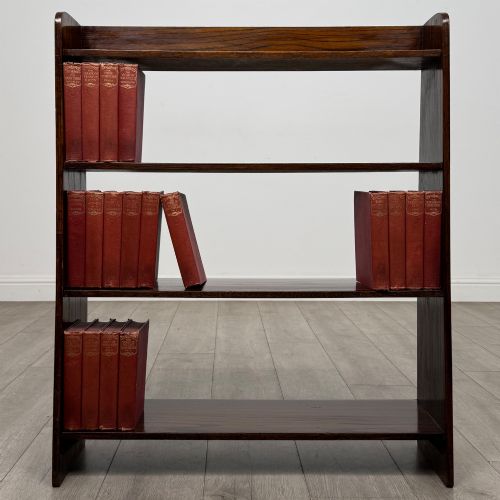
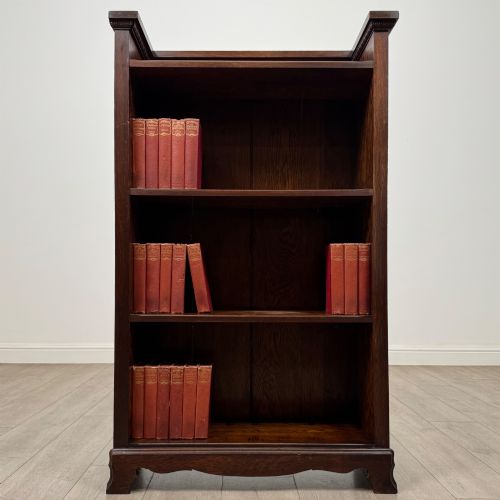
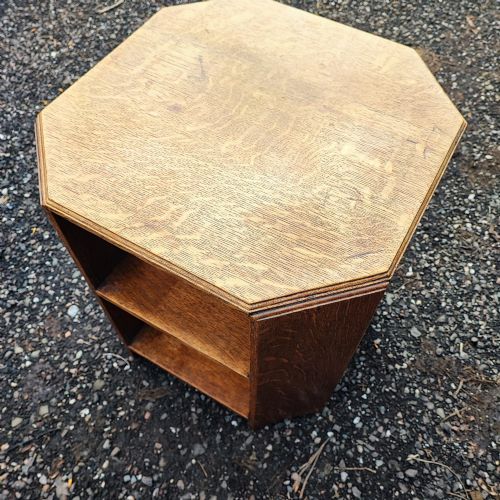
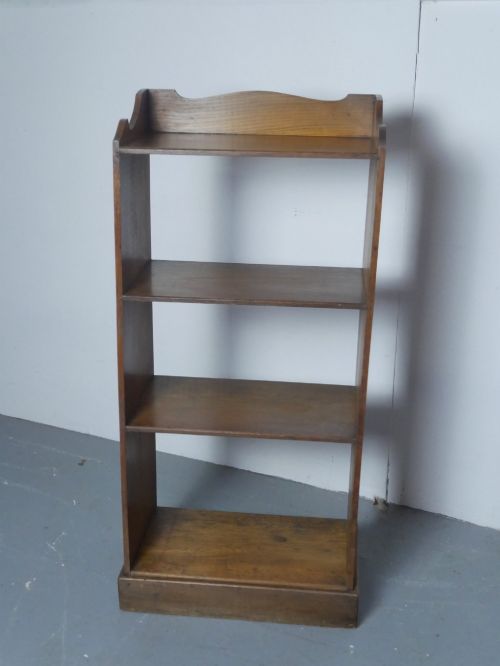
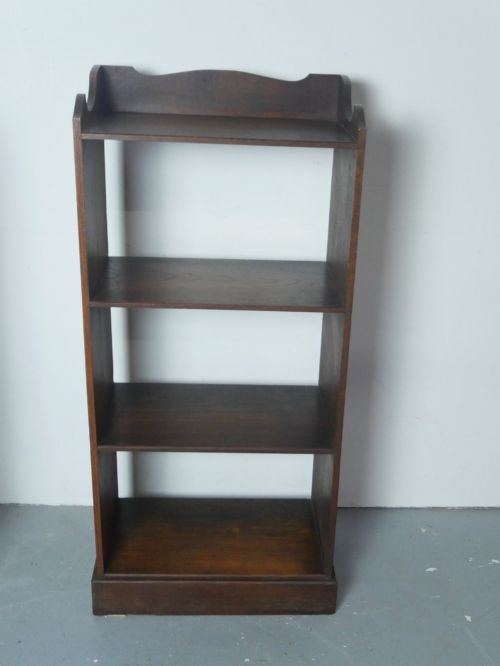
The most common versions on this page span the Edwardian period and the early twentieth century, alongside Victorian and Arts and Crafts examples. Forms vary from simple standing shelves and slope-shelf fireside troughs to book tables and waterfall designs.
Origins trace primarily to British workshops operating under traditional 19th-century and 20th-century aesthetic movements. Builders utilised solid timber to construct functional units that fit comfortably beside armchairs or against study walls.
Materials and construction
Makers relied heavily on oak, solid oak, and dark oak timber, often finished to highlight the natural grain. Secondary elements such as brass fixtures, metal brackets, and leather tops appear on specific refined library editions.
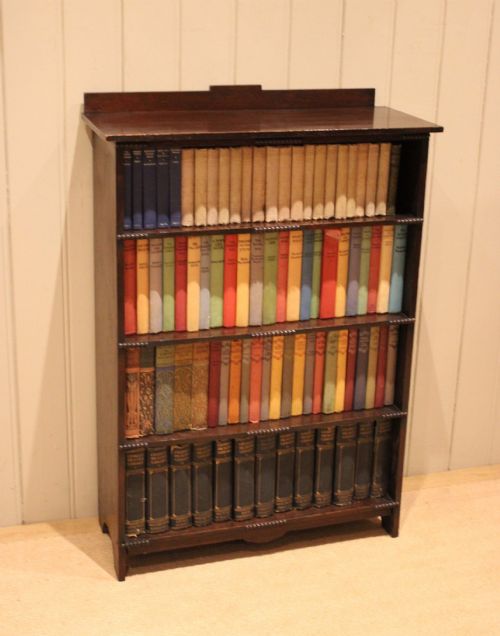
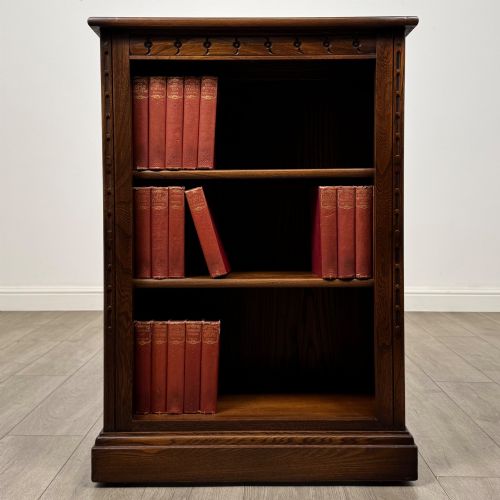
Joinery methods prioritized durability, utilising sturdy framing and peg sides to support heavy loads of books. Decorative touches like marquetry, carved panels, beaded edges, and cut-outs distinguish standard utility pieces from more ambitious stylistic efforts.
Some Edwardian stands doubled as sewing troughs and lamp tables, keeping darning supplies right beside the evening reading.
Assessing build quality
The distinction between ordinary utility shelves and superior pieces rests in the selection of timber and the ambition of the carpentry. Solid oak boards, cleanly cut mouldings, and thoughtful proportions separate workshop items from mass-produced factory output.
Heals·Wylie Lochhead of Glasgow·E.A. Taylor
The Open Oak Book Stand Glossary
- Book trough
- A V-shaped or sloping open holder designed to keep volumes upright on a table or beside a fireside.
- Waterfall bookcase
- A set of open shelves that steps back progressively from bottom to top, creating a cascading profile.
- Adjustable shelves
- Shelves resting on movable supports or ratchets that allow the vertical spacing to be altered.
- Gallery top
- A low decorative railing or raised edge around the upper surface of a stand or table to prevent items from sliding off.
- Arts and Crafts
- A design movement favouring hand-craftsmanship, simple forms, and visible constructive honesty over mass production.
Open Oak Book Stand: Frequently Asked Questions
What is an open oak book stand?
An open oak book stand is a piece of wooden furniture designed to hold books without enclosed doors. These units range from small tabletop troughs to tall standing shelves.
They provide direct access to volumes, making them practical additions to studies, living rooms, and bedrooms where books are read frequently.
How do I date an oak book stand?
Dating relies on observing stylistic markers such as carved ornamentation, structural lines, and manufacturing methods. Edwardian and Victorian pieces often display heavier mouldings or Gothic revival details.
Arts and Crafts examples from around 1900 emphasise simpler lines and exposed joinery, while 1930s pieces sometimes introduce geometric Art Deco shapes.
Where should I place a book stand?
These stands suit spaces where books need to be kept close to hand, such as beside an armchair, next to a desk, or against a library wall. Lower models can double as occasional side tables for lamps.
Standing versions fit neatly into alcoves or narrower corridors where enclosed cabinets might block the flow of movement.
What styles are available?
The selection includes plain utilitarian shelving alongside more decorative pieces influenced by specific design movements. You will find Victorian carved items, geometric Art Deco units, and clean-lined Arts and Crafts examples.
Some pieces incorporate specialised functions like leather tops, drop-in troughs, or adjustable shelving to suit particular reading habits.