

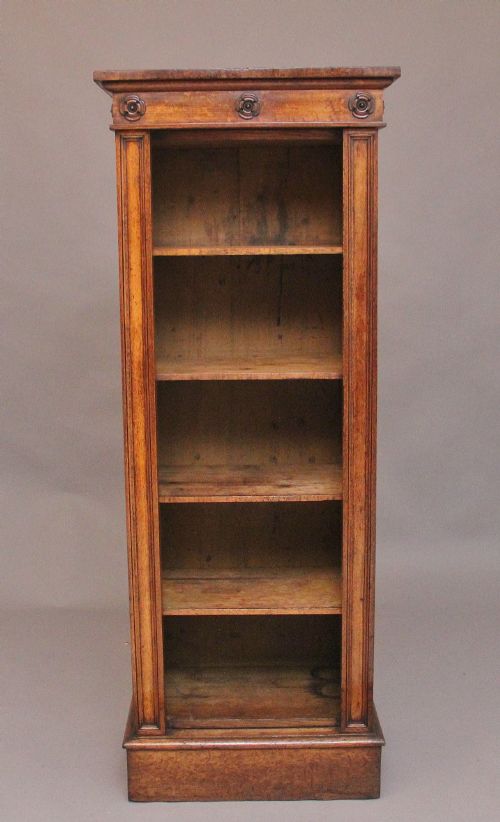
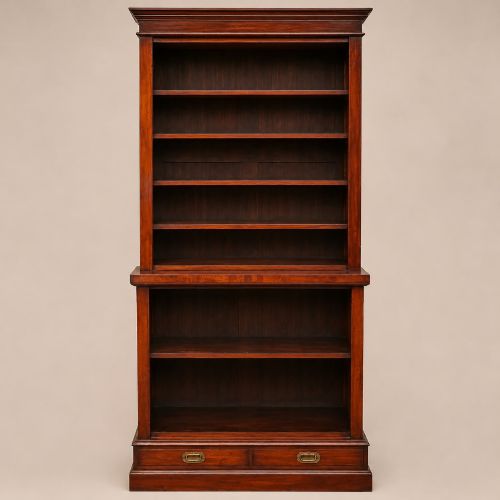

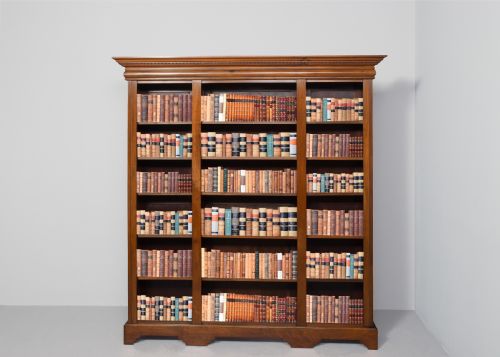
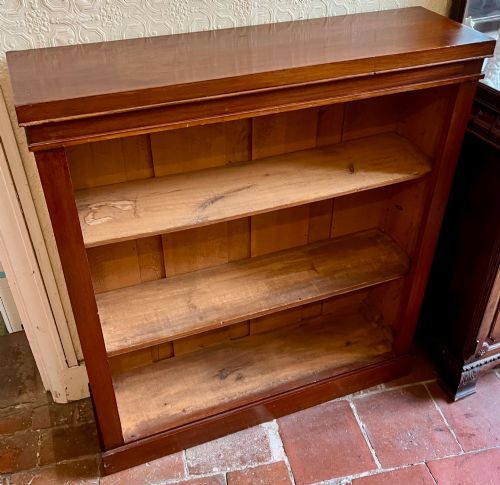




Open Fronted Book Cabinet
An open fronted book cabinet provides accessible shelving for daily volumes, combining practical utility with period character.
Open Fronted Book Cabinet
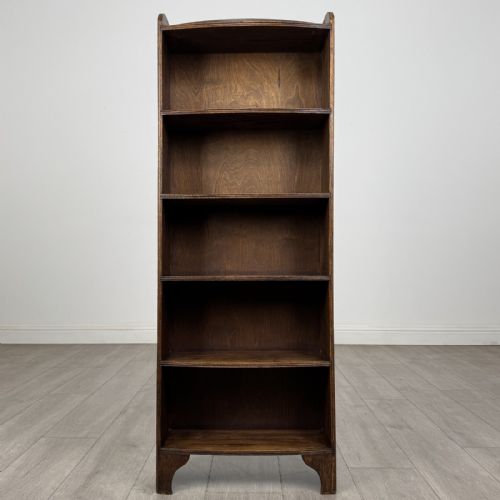
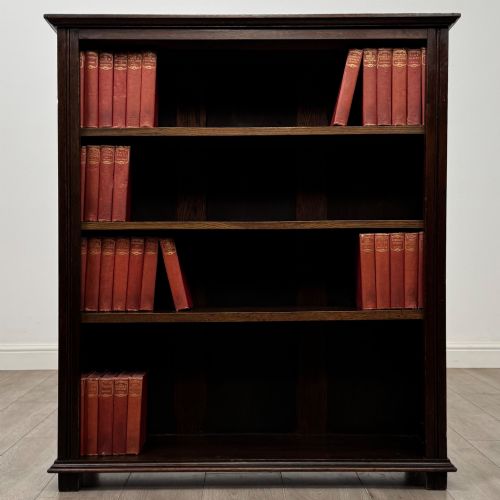
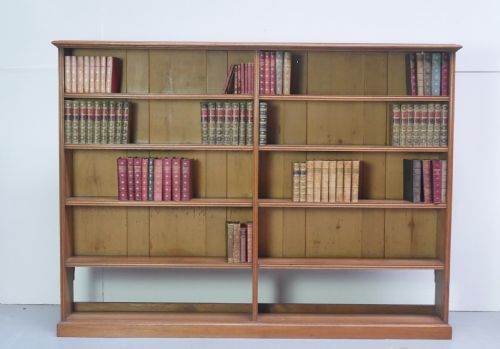
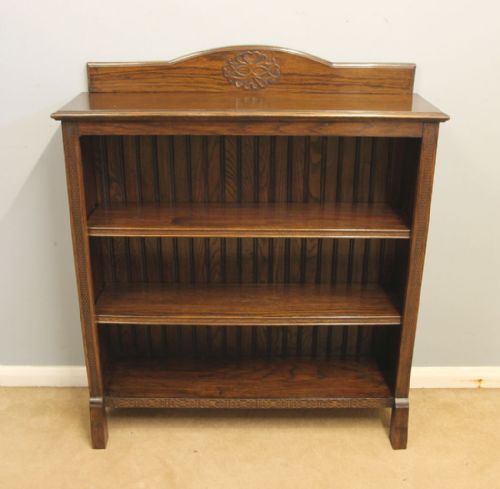
Most pieces encountered on this page date from the nineteenth and early twentieth centuries, constructed in traditional timber forms such as mahogany, oak, and walnut. Buyers frequently find tall three-section bookcases alongside smaller narrow variations and tiered waterfall configurations.
What varies in quality
Timber selection dictates the distinction between standard utilitarian items and finer showroom pieces, with dense Spanish mahogany, figured walnut, and exotic goncalo alves marking the upper tier of production. Superior examples demonstrate thoughtful proportion and careful grain matching across the front elevation.
Internal engineering accounts for further variation, particularly the presence of robust, adjustable shelving systems rather than fixed boards. Superior craftsmanship reveals itself in the clean integration of breakfront styling and precise edge moulding.
Open Fronted Book Cabinet Retail Price Guide 2026
Typical asking prices for open fronted book cabinet among the pieces listed under this phrase on Sellingantiques today, from the lower quarter to the upper quarter. They describe what is for sale here now, not the wider market.
One exceptional nineteenth century piece here is constructed from goncalo alves, a timber so wildly patterned it looks like tiger wood having an argument with itself.
The Open Fronted Book Cabinet Glossary
- Breakfront
- A cabinet design where the central section projects forward from the flanking wings. This architectural layout creates depth and shadow across the front elevation.
- Adjustable shelves
- Internal boards supported by movable pegs or ratchets allowing variable vertical spacing. This mechanism accommodates books of differing heights without permanent alteration.
- Goncalo alves
- A dense tropical hardwood exhibiting striking contrasting grain patterns. Cabinet makers utilised this material for high status nineteenth century furniture.
- Waterfall bookcase
- A tiered shelving unit where each successive shelf steps back from the one below. This stepped profile resembles descending water.
- Satinwood
- A light yellowish timber prized for its reflective sheen and smooth texture. It appears frequently in decorative inlay work and occasional smaller cabinets.
Open Fronted Book Cabinet: Frequently Asked Questions
Where should I place an open fronted book cabinet?
These cabinets suit studies, living rooms, and libraries where easy access to frequently read volumes matters more than enclosed dust protection.
Position them away from direct sunlight and strong heat sources to protect timber surfaces and paper bindings from fading or warping over time.
How do I adjust the shelves?
Many period examples utilise wooden ratchets, brass shelf studs, or traditional side grooves to support internal boards.
Carefully lift each shelf clear of its current supports and relocate the pins or adjust the ratchets to your preferred height before resting the board back into place.
Can these cabinets hold heavy books?
Solid hardwood construction in oak, mahogany, and walnut provides strong structural support for substantial library collections.
Distribute heavier volumes evenly across the shelves and check that shelf supports sit securely within their respective slots to prevent sagging.
How do I distinguish Victorian from Georgian pieces?
Georgian examples often display lighter proportions, simpler lines, or tiered waterfall configurations typical of eighteenth century domestic furniture.
Victorian and later nineteenth century pieces frequently present heavier timber sections, Spanish mahogany veneers, tall three-section bodies, and more pronounced architectural mouldings.